Understanding product design, material selection, manufacturing capabilities, and supplier evaluation for smarter B2B sourcing decisions.
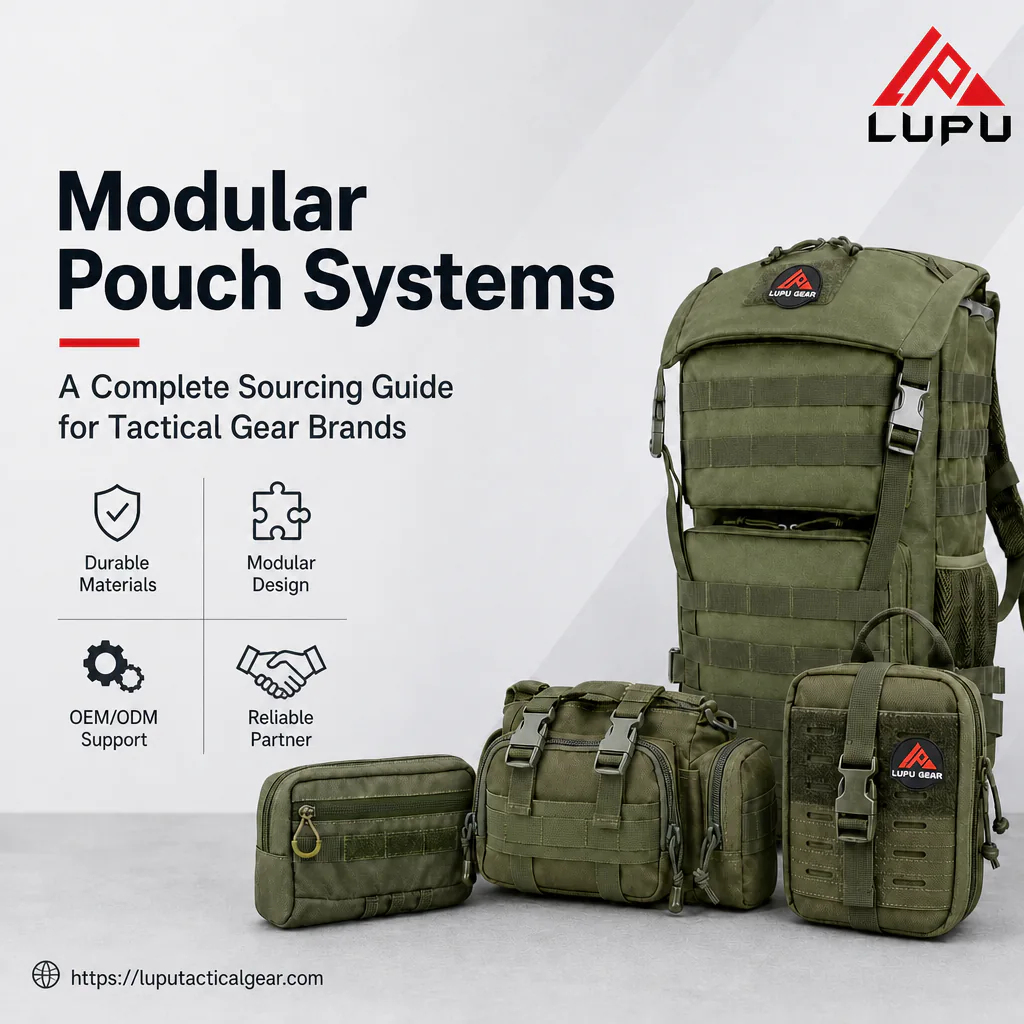
The demand for versatile, functional, and adaptable tactical equipment has made modular storage solutions an important category in the tactical gear industry. For brands, wholesalers, distributors, and equipment suppliers, Modular Pouch Systems offer opportunities to develop flexible product collections that meet different operational, outdoor, and everyday equipment-carrying requirements.
However, sourcing the right modular pouches involves more than selecting a product based on appearance or price. Buyers must evaluate material performance, attachment compatibility, functional design, manufacturing consistency, customization options, and supplier capabilities before committing to production.
Whether you are expanding an existing tactical gear collection, developing a private-label product line, or sourcing customized equipment for wholesale distribution, understanding the key considerations behind Modular Pouch Systems can help you make more informed purchasing decisions.
This guide explores the essential aspects of modular pouch sourcing from a product development and manufacturing perspective, helping бренды тактического снаряжения identify suitable products, evaluate manufacturers, and build reliable long-term supply relationships.
1. Understanding Modular Pouch Systems and Their Role in Tactical Gear
What Are Modular Pouch Systems?
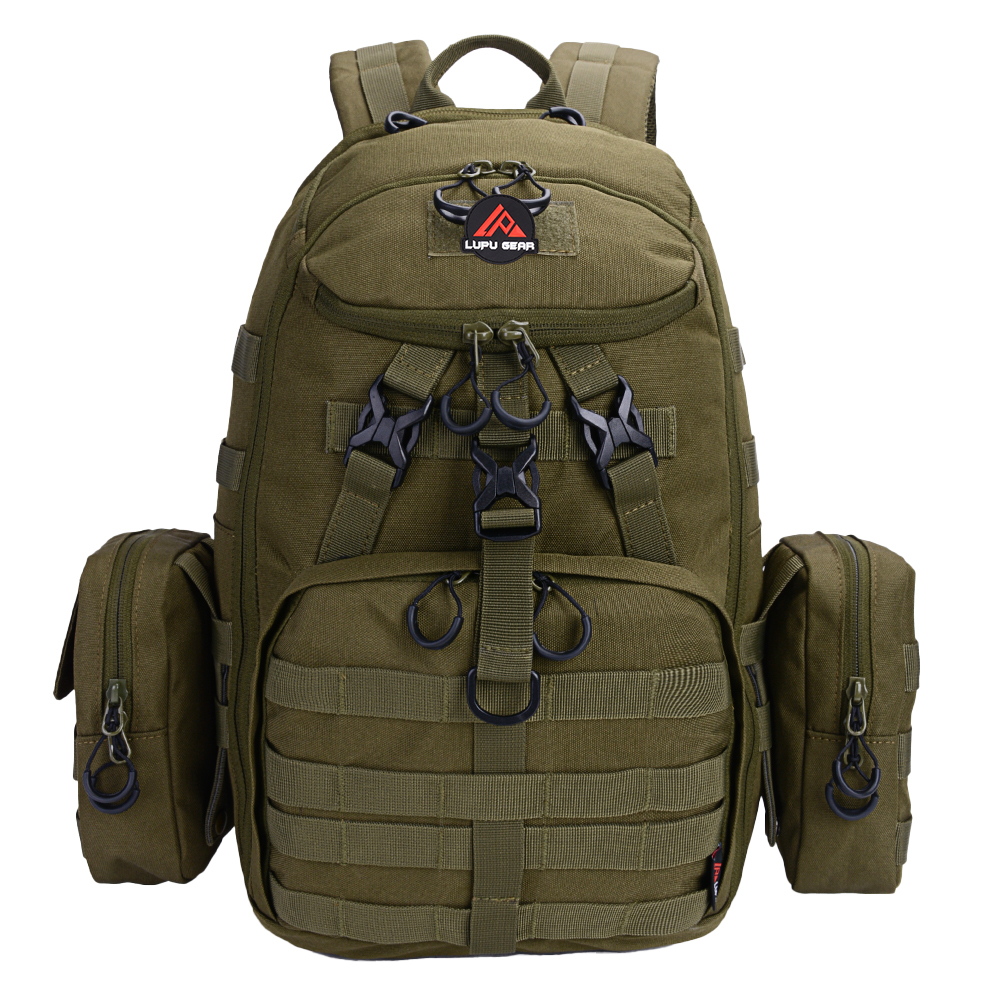
Modular Pouch Systems are configurable storage solutions designed to accommodate different equipment-carrying requirements through compatible attachment structures, compartment layouts, and interchangeable components.
Unlike conventional bags with fixed storage arrangements, modular pouches allow users to organize equipment according to their individual needs. Depending on the design, pouches can be attached to compatible backpacks, tactical vests, belts, load-bearing platforms, and other equipment.
Many modular pouch designs incorporate MOLLE-compatible attachment systems, hook-and-loop panels, or other fastening structures that support flexible configurations.
For tactical gear brands, modularity creates opportunities to develop complementary products that can work together as part of a broader equipment collection.
How Modular Pouch Systems Work?
A modular storage configuration generally consists of three elements:
- Attachment platform:The backpack, vest, belt, or other compatible equipment used to support the pouch.
- Attachment structure:Webbing, straps, laser-cut slots, or other fastening components that connect the pouch to the platform.
- Storage compartment:The pouch body, internal dividers, closures, and organizational features designed for specific equipment.
The effectiveness of a modular pouch depends on how well these elements work together.
For example, a utility pouch intended for general equipment storage may require a different internal layout from a radio pouch or administrative pouch. Similarly, the attachment structure must be compatible with the intended mounting platform.
Для производители тактического снаряжения and product developers, modularity should therefore be considered throughout the design process rather than added as an afterthought.
Common Types of Modular Pouches
Different pouch categories serve different storage and organizational purposes.
Utility Pouches
Designed for general-purpose storage, utility pouches can accommodate accessories, tools, personal equipment, and other small items. Their internal organization may include dividers, elastic loops, and mesh pockets.
Magazine Pouches
Designed to hold magazines in specific configurations, these pouches may incorporate elastic retention, adjustable closures, or structured compartments. Their dimensions and retention characteristics should be developed around the intended magazine specifications.
Medical Pouches
Medical pouches are designed to organize first-aid supplies and other medical equipment. Depending on the intended application, they may include quick-access openings, internal elastic organizers, and removable inserts.
Administrative Pouches
Administrative pouches typically feature multiple compartments, pen holders, card slots, and document organizers for managing small equipment and personal items.
Radio Pouches
These pouches are designed around the dimensions and operating requirements of compatible communication devices. Adjustable retention and access to controls or connectors may be important design considerations.
Multi-Purpose Storage Pouches
These products offer flexible storage for different equipment categories and can be developed in various sizes, shapes, and configurations.
For B2B buyers, understanding these product categories is an important first step in defining a practical modular pouch collection.
2. Choosing the Right Modular Pouch Systems for Your Product Line
Before contacting manufacturers, tactical gear brands should identify the products they intend to develop and the customers they want to serve.
A clearly defined product strategy helps reduce unnecessary design changes, improves sourcing efficiency, and provides manufacturers with more accurate specifications.
Identify Your Target Market
Different customer groups have different expectations regarding pouch functionality, construction, appearance, and price.
For example:
- Tactical equipment brandsmay prioritize modular compatibility, functional organization, and consistent product specifications.
- Outdoor and camping brandsmay focus on lightweight construction, practical storage, and weather-resistant materials.
- Security equipment suppliersmay require specific compartment arrangements and compatibility with professional equipment.
- Wholesale distributorsmay prioritize product versatility, competitive sourcing costs, and consistent availability.
- Everyday carry brandsmay prefer compact dimensions, streamlined designs, and convenient access to frequently used items.
Defining the intended market helps determine which pouch types and features should be included in a product collection.
Select Suitable Pouch Configurations
Rather than sourcing unrelated products individually, brands can develop a coordinated collection of modular pouches.
A practical product range might include:
- Compact utility pouches
- Medium-sized general-purpose pouches
- Administrative organizers
- Medical storage pouches
- Magazine pouches
- Radio pouches
- Multi-purpose equipment organizers
The specific combination should reflect customer demand, intended applications, and the positioning of the brand.
Define Product Specifications Before Sourcing
A professional sourcing process begins with clear product requirements.
Important specifications include:
- Product dimensions and usable storage capacity
- Intended equipment and compartment configuration
- Fabric type and material weight
- Attachment structure and compatibility requirements
- Zipper, buckle, and closure specifications
- Color options and branding requirements
- Packaging and labeling requirements
- Target quantity and quality expectations
Providing these details at the beginning of the sourcing process helps manufacturers evaluate feasibility and prepare more accurate quotations.
3. Key Materials to Consider When Sourcing Modular Pouch Systems
Material selection directly influences product weight, construction, appearance, durability, and manufacturing cost.
There is no single fabric that is ideal for every modular pouch application. The appropriate choice depends on the intended use, product design, target price, and performance requirements.
Nylon and High-Density Oxford Fabrics
Nylon is widely used in tactical and outdoor equipment because of its combination of strength, flexibility, and relatively low weight.
High-density Oxford fabrics are another common option for bags and pouches. Depending on their fiber composition, yarn construction, coating, and finishing, they can offer different levels of abrasion resistance and water repellency.
When evaluating these materials, buyers should consider:
- Fabric composition
- Denier specification
- Fabric weight
- Weave construction
- Surface treatment
- Color consistency
- Abrasion and tear resistance
It is important to remember that denier alone does not determine overall fabric quality. Two fabrics with the same denier rating can have different performance characteristics because of differences in construction and finishing.
Cordura Fabric Options
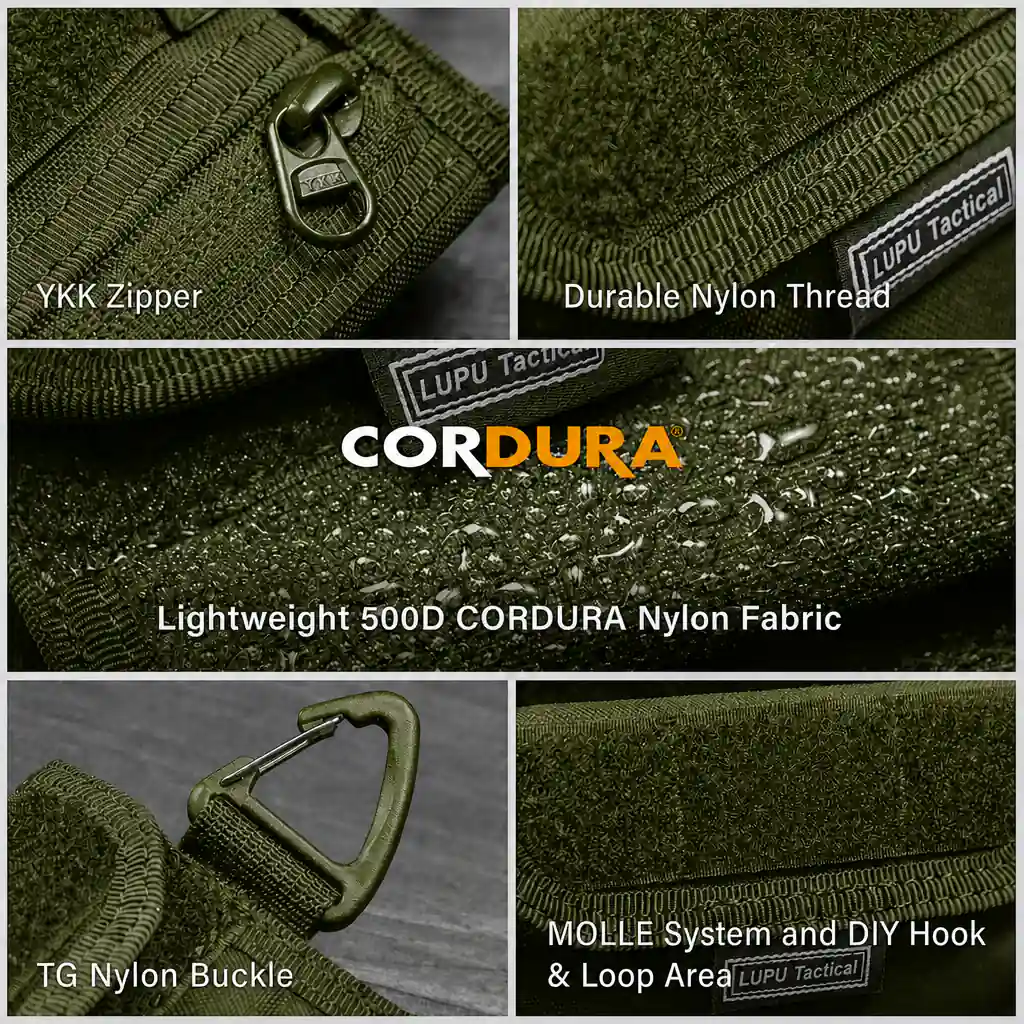
CORDURA is a recognized textile brand associated with durable fabric technologies used in various demanding applications.
For tactical gear brands, selected CORDURA fabrics may be suitable when product positioning and material requirements call for specific performance characteristics.
When considering branded fabrics, buyers should verify the exact fabric specification, supplier documentation, and applicable brand-use requirements.
The decision should be based on the intended product application rather than the assumption that a particular fabric name automatically guarantees superior performance.
Webbing, Hook-and-Loop, and Reinforcement Materials
Fabric is only one component of a modular pouch.
Other important materials include:
- Веревка:Used in attachment structures, reinforcement areas, and adjustable fastening systems. Buyers should evaluate width, thickness, construction, and compatibility with the intended design.
- Hook-and-loop fasteners:Commonly used for closures, identification panels, removable accessories, and adjustable components. Their performance depends on material quality, construction, and usage conditions.
- Reinforcement materials:Additional fabric layers, binding materials, and reinforcement panels can help strengthen high-stress areas.
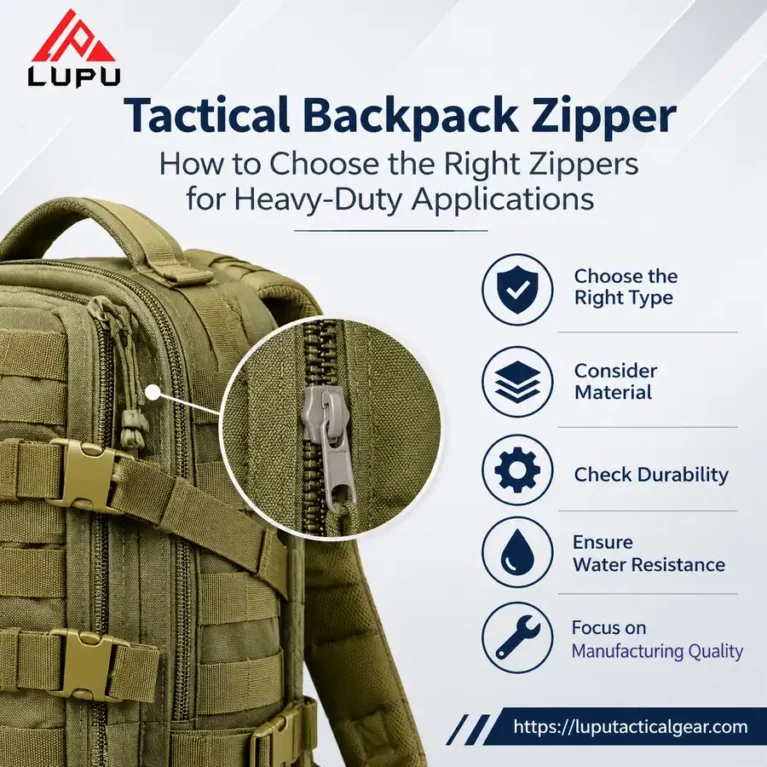
- Zippers and hardware:Zipper size, slider construction, buckle design, and other hardware components should match the intended application and product requirements.
How to Match Materials with Product Requirements
A useful approach is to evaluate each component according to its function.
For example, a compact administrative pouch may prioritize low weight and convenient organization, while a larger utility pouch may require more substantial reinforcement around attachment points and high-stress areas.
Brands should discuss these requirements with their manufacturers before finalizing material selections.
4. MOLLE/PALS Compatibility and Modular Design Requirements
Compatibility is one of the most important considerations when developing Modular Pouch Systems.
A pouch may look suitable for a particular platform but still fail to fit or function correctly if its attachment structure does not match the intended configuration.
Understanding MOLLE and PALS
MOLLE stands for Modular Lightweight Load-carrying Equipment. It is associated with a modular equipment-carrying approach that allows compatible accessories to be attached to supporting platforms.
PALS, or Pouch Attachment Ladder System, refers to the webbing arrangement commonly used to support compatible attachment configurations.
Although the terms are frequently used together in the tactical gear industry, they are not interchangeable in every technical context.
For product developers, understanding the relationship between the attachment platform and the pouch interface is essential.
Attachment Dimensions and Compatibility
Traditional MOLLE-compatible systems commonly use standardized webbing spacing and attachment arrangements. However, actual compatibility must be verified against the intended platform and attachment design.
Important considerations include:
- Webbing width and spacing
- Attachment strap dimensions
- Number and arrangement of attachment rows
- Available mounting space
- Pouch thickness and overall dimensions
- Retention and stability during movement
A reliable development process should include physical compatibility checks using representative mounting platforms.
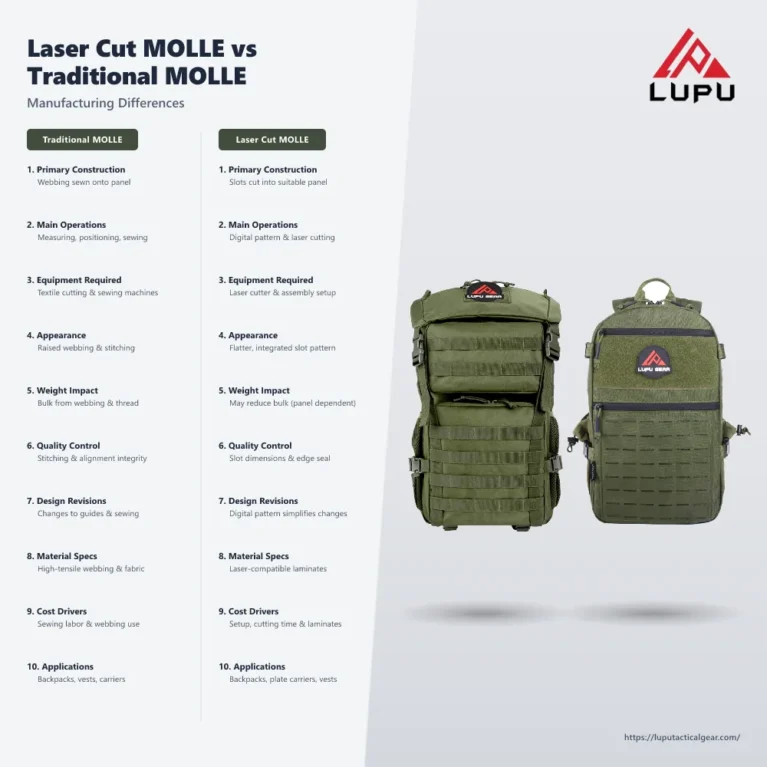
Laser-Cut MOLLE vs. Traditional Webbing
Two common approaches to modular attachment design are traditional webbing-based construction and laser-cut panel construction.
Traditional Webbing Systems
These designs use sewn webbing rows to create attachment points. They are widely used in tactical equipment and can support different pouch configurations when properly designed.
Laser-Cut MOLLE Panels
Laser-cut designs use precisely positioned openings in suitable panel materials to create attachment interfaces.
Depending on the construction, they can offer a cleaner appearance and a more streamlined panel layout.
However, laser-cut construction is not automatically compatible with every MOLLE-equipped platform. Slot dimensions, spacing, material properties, reinforcement, and attachment methods must all be considered.
For manufacturers, selecting between these approaches should depend on functional requirements, construction methods, target cost, and the overall product design.
5. Custom Modular Pouch Systems: OEM and ODM Options
Customization allows tactical gear brands to develop products that align with their market positioning, functional requirements, and visual identity.
For businesses looking to establish or expand their own product lines, working with an experienced tactical pouch manufacturer can provide greater flexibility than selecting only standard products.
Custom Dimensions and Compartment Layouts
Brands may require different pouch dimensions, storage capacities, and internal arrangements.
Customization possibilities include:
- Overall length, width, and depth
- Number and size of compartments
- Internal dividers and removable inserts
- Elastic loops and mesh pockets
- Zipper opening configurations
- Adjustable retention structures
- Attachment panel arrangements
These modifications should be evaluated in relation to the intended equipment and practical usability.
Material and Color Customization
Material and color choices influence product appearance and market positioning.
Depending on manufacturing capabilities and material availability, customization may include:
- Different fabric compositions and specifications
- Selected camouflage patterns
- Solid-color options
- Different webbing materials
- Alternative hardware finishes
- Reinforcement and lining materials
Brands should confirm material availability, minimum order requirements, and color consistency before approving production.
Logo and Private Label Options
Private-label manufacturing allows brands to develop products under their own identities.
Common customization options include:
- Woven labels
- Printed labels
- Embroidered logos
- Rubber patches
- Hook-and-loop logo panels
- Custom packaging and product labels
Branding details should be incorporated into the product specifications and sample approval process.
OEM vs. ODM Manufacturing
Understanding the difference between OEM and ODM manufacturing helps buyers select an appropriate development approach.
OEM (Original Equipment Manufacturing)
Under an OEM arrangement, the buyer generally provides product designs, specifications, or detailed requirements, and the manufacturer produces the products accordingly.
This approach is suitable for brands that already have established product concepts or technical designs.
ODM (Original Design Manufacturing)
Under an ODM arrangement, the manufacturer contributes more directly to product design and development based on the buyer’s requirements.
This can be useful for businesses that have a product concept but need support with design development, construction details, and manufacturing preparation.
The specific responsibilities, intellectual property arrangements, and approval procedures should be clearly established between both parties.
6. How to Evaluate a Modular Pouch Systems Manufacturer
Selecting a suitable manufacturer is one of the most important decisions in the sourcing process.
A supplier’s quotation may look attractive, but pricing alone cannot demonstrate whether the manufacturer can consistently meet product specifications and production expectations.
Manufacturing Capabilities
Start by evaluating whether the manufacturer has the equipment, technical knowledge, and production processes required for your products.
Relevant capabilities may include:
- Technical product development
- Pattern making and sample preparation
- Cutting and fabric processing
- Industrial sewing operations
- Webbing and attachment construction
- Reinforcement and binding techniques
- Custom branding and labeling
- Production inspection
Ask suppliers to explain how they manage the manufacturing process for the specific pouch designs you intend to order.
Product Development and Sampling
Sampling is an essential stage of custom product development.
Before approving bulk production, buyers should evaluate whether the manufacturer can prepare samples based on the agreed specifications.
A structured sampling process should cover:
- Initial design and specification review.
- Material and component confirmation.
- Prototype development.
- Functional and dimensional evaluation.
- Design adjustments where necessary.
- Final sample approval.
The approved sample should serve as a reference for subsequent production.
Material Sourcing and Traceability
Reliable material sourcing helps maintain consistency across production orders.
Buyers should ask how suppliers identify materials, manage component specifications, and handle substitutions when particular materials become unavailable.
For products requiring branded or specialized fabrics, relevant supplier documentation should be reviewed.
Quality Management Procedures
Ask manufacturers how they inspect materials, monitor production, and evaluate finished products.
A clear quality management process should define inspection stages, acceptance criteria, defect classifications, and procedures for addressing nonconforming products.
Do not assume that a supplier has a particular certification or testing capability without reviewing supporting documentation.
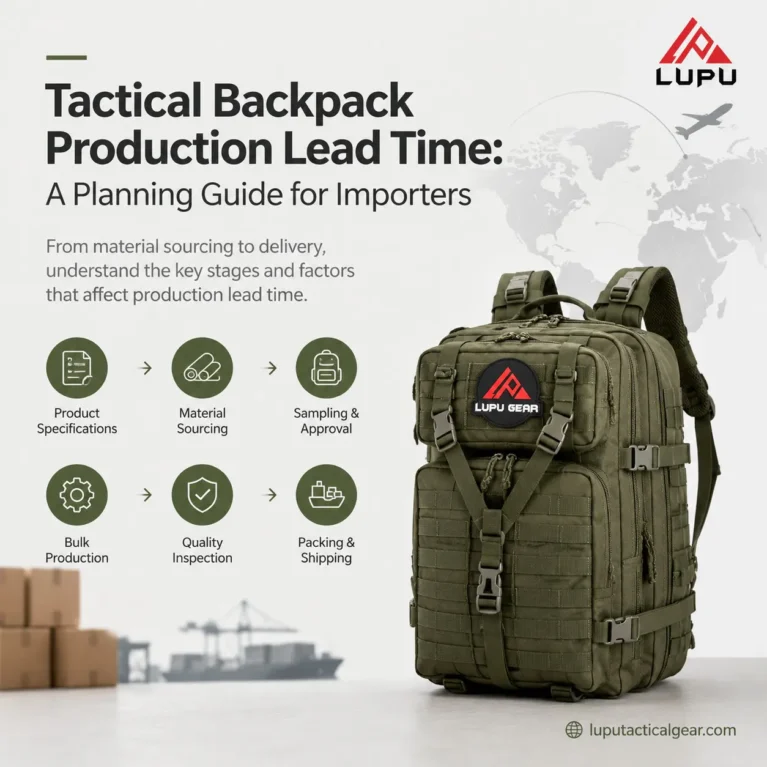
Production Capacity and Lead-Time Management
Production planning is another important sourcing consideration.
Buyers should understand:
- Sample development lead times
- Material procurement schedules
- Production capacity
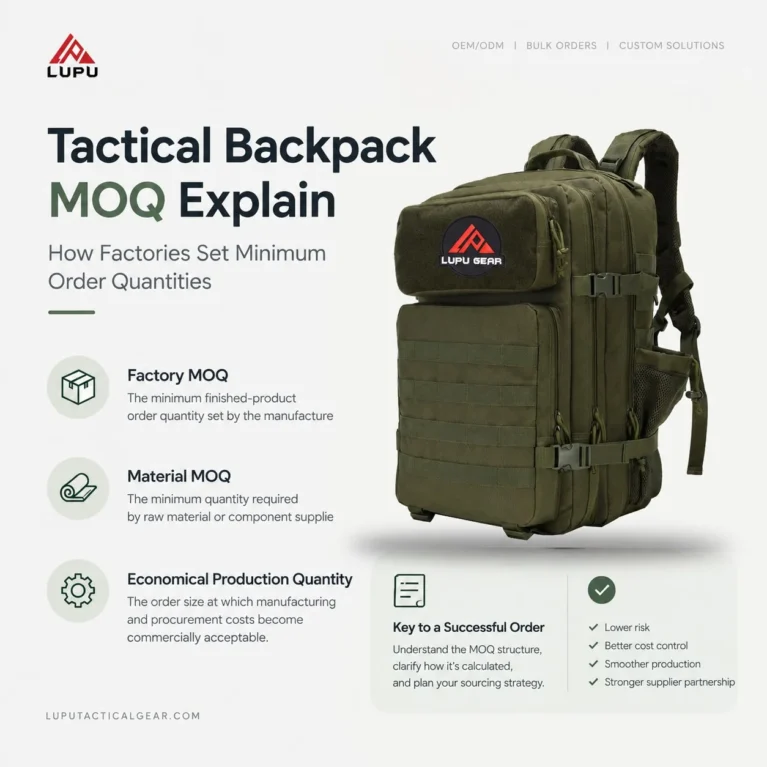
- Order quantity requirements
- Seasonal production considerations
- Packaging and shipment preparation
A manufacturer should communicate realistic timelines and explain how changes in specifications or order quantities may affect production schedules.
Communication and Order Support
Good communication helps prevent misunderstandings throughout the sourcing process.
A professional manufacturing partner should be able to discuss technical specifications, explain production limitations, clarify customization options, and provide updates during sample development and manufacturing.
For long-term business relationships, clear documentation and responsive communication are particularly important.
7. Quality Control Considerations Before Bulk Purchasing
Quality control should begin before mass production rather than being treated as a final inspection activity.
For Modular Pouch Systems, several areas deserve particular attention.
Fabric and Component Inspection
Incoming materials should be checked against the approved specifications.
Depending on the product requirements, inspection may include:
- Fabric composition and weight
- Color consistency
- Surface defects
- Webbing dimensions
- Hook-and-loop condition
- Zipper and buckle specifications
- Component appearance and functionality
Material acceptance criteria should be agreed upon before production begins.
Stitching and Reinforcement Checks
Stitching quality directly influences the construction and reliability of a pouch.
Inspection should focus on:
- Stitch consistency
- Seam alignment
- Thread condition
- Reinforcement construction
- Attachment-point stitching
- Binding quality
- Loose threads and skipped stitches
Areas exposed to repeated handling or mechanical stress deserve particular attention.
Attachment Compatibility Testing
For modular products, attachment performance is an essential functional consideration.
Pouches should be checked against the intended mounting platforms to verify:
- Attachment dimensions
- Proper engagement
- Secure positioning
- Ease of installation and removal
- Stability under representative use conditions
Compatibility should not be assumed solely from product appearance or marketing descriptions.
Dimensional and Functional Inspection
Finished products should be evaluated against the approved specifications.
This may include checking:
- Overall dimensions
- Compartment measurements
- Zipper operation
- Closure functionality
- Pocket accessibility
- Attachment alignment
- Logo placement
- Packaging requirements
Pre-Shipment Quality Control
Before shipment, buyers and manufacturers should confirm that the completed order meets the agreed acceptance criteria.
Depending on the order requirements, this may involve visual inspection, dimensional checks, functional checks, and documented sampling procedures.
For larger orders, buyers may establish an inspection plan that defines sample size, inspection levels, and acceptable quality limits.
The most important principle is consistency between the approved sample, written specifications, and finished production.
8. Cost Factors That Affect Modular Pouch Systems Sourcing
Understanding the factors behind manufacturing costs helps buyers evaluate quotations more effectively.
The lowest initial price does not necessarily represent the best sourcing decision. Product construction, material requirements, customization, and quality expectations all influence the final cost.
Material Selection
Different fabrics and components have different purchasing costs.
Higher-density fabrics, specialized coatings, branded textiles, reinforced panels, and selected hardware may increase material expenses.
Buyers should compare materials based on actual specifications rather than relying only on general descriptions such as premium or heavy-duty.
Product Complexity
A simple pouch with a basic compartment may require less labor than a product with multiple internal organizers, reinforced attachment points, specialized closures, and removable components.
Complexity can affect cutting, sewing, assembly, and inspection time.
Customization Requirements
Custom dimensions, special colors, unique patterns, private-label branding, and customized packaging may influence development and production costs.
Some customization options may also require additional setup work or minimum material purchasing quantities.
Order Quantity
Production quantity can influence unit cost through material purchasing, production setup, and manufacturing efficiency.
However, the relationship between quantity and pricing depends on the product design, materials, and production arrangement.
Buyers should request quotations based on clearly defined order quantities and specifications.
Packaging and Shipping Considerations
Packaging, labeling, carton dimensions, and shipping arrangements should also be included in the sourcing calculation.
For international buyers, the total landed cost may include freight, insurance, customs duties, taxes, and other applicable import expenses.
Evaluating the complete cost structure provides a more realistic basis for supplier comparison.
9. Common Sourcing Mistakes Tactical Gear Brands Should Avoid
Even experienced buyers can encounter problems when product requirements and supplier expectations are not clearly aligned.
The following mistakes are worth avoiding.
Choosing Suppliers Based Only on Price
A low quotation may reflect differences in materials, construction, customization scope, or quality control requirements.
Always compare quotations against the same technical specifications.
Overlooking Attachment Compatibility
A pouch that cannot attach correctly to the intended platform may create significant product and customer satisfaction issues.
Confirm attachment dimensions and test representative samples before approving production.
Ignoring Sample Evaluation
Skipping sample approval can increase the risk of unexpected differences in dimensions, materials, functionality, and appearance.
Always establish a clear sample review and approval process for customized products.
Providing Incomplete Product Specifications
Unclear requirements can result in different interpretations of the same product concept.
Provide drawings, measurements, material details, component specifications, reference images, and functional requirements wherever possible.
Insufficient Quality Control Requirements
If acceptance criteria are not defined before production, disagreements may arise when products are completed.
Establish inspection requirements, approved samples, and defect classifications before confirming the order.
10. Building a Long-Term Partnership with the Right Manufacturer
Sourcing Modular Pouch Systems should not be viewed as a one-time purchasing activity.
For tactical gear brands, a stable manufacturing relationship can support product development, consistent quality, and more efficient supply planning.
Product Development Collaboration
A capable manufacturing partner can help review product concepts, identify construction challenges, and discuss practical improvements before production.
Early collaboration can reduce unnecessary revisions and help ensure that the design is suitable for manufacturing.
Consistent Quality Standards
Long-term cooperation benefits from documented specifications, approved samples, and consistent inspection procedures.
When product requirements remain clearly defined, it becomes easier to maintain consistency across repeat orders.
Flexible Customization
As brands expand their product lines, they may need additional sizes, colors, configurations, or complementary accessories.
A manufacturing partner that can support structured customization may help businesses respond to changing market requirements.
Scalable Production
Production planning should account for both current orders and potential future demand.
Buyers should discuss capacity, material availability, order scheduling, and lead-time expectations when developing a long-term supply relationship.
Long-Term Supply Planning
Clear forecasts, timely communication, and realistic purchasing schedules help manufacturers prepare materials and organize production more efficiently.
A successful partnership is built on shared expectations, transparent communication, and a consistent approach to product quality.
11. Frequently Asked Questions About Modular Pouch Systems
What Are Modular Pouch Systems Used For?
Modular Pouch Systems are used to organize and carry different types of equipment through configurable storage compartments and compatible attachment structures.
They are commonly incorporated into тактические рюкзаки, vests, belts, load-bearing equipment, and other compatible carrying platforms. Depending on their design, they may also be suitable for outdoor activities, professional equipment organization, and everyday carry.
What Is the Difference Between MOLLE and PALS?
MOLLE refers to a modular equipment-carrying system, while PALS refers to the webbing arrangement commonly used as an attachment interface within compatible equipment configurations.
The terms are related but describe different aspects of the system. Buyers should evaluate the actual attachment design and dimensions when checking compatibility.
Can Modular Pouch Systems Be Customized?
Yes. Depending on the manufacturer’s capabilities, customization may include dimensions, materials, colors, compartment layouts, attachment structures, branding, and packaging.
OEM and ODM arrangements can support different levels of product development and customization.
What Materials Are Commonly Used in Modular Pouch Systems?
Common materials include nylon fabrics, high-density Oxford fabrics, selected Cordura fabrics, polyester components, webbing, hook-and-loop fasteners, and various zipper and buckle materials.
The appropriate combination depends on the intended application, construction requirements, and target price.
How Do You Choose a Reliable Modular Pouch Manufacturer?
Evaluate the manufacturer’s product development capabilities, material sourcing, manufacturing processes, sample quality, quality management procedures, production planning, and communication.
Reviewing actual product samples and confirming technical specifications before bulk production are particularly important.
What Should Buyers Check Before Bulk Ordering?
Before placing a bulk order, buyers should confirm:
- Final product specifications
- Approved materials and components
- Sample approval
- Attachment compatibility
- Branding and packaging details
- Production quantity and delivery schedule
- Quality inspection criteria
- Commercial terms and order requirements
Clear documentation helps reduce misunderstandings and supports more consistent production results.
12. Partner with LUPU for Custom Modular Pouch Systems
Developing a successful modular pouch collection requires more than an attractive product concept. It involves thoughtful design, suitable material selection, practical construction, manufacturing coordination, and consistent quality management.
For tactical gear brands, wholesalers, and distributors, choosing the right manufacturing partner is an important part of building a competitive and sustainable product line.
LUPU provides OEM and ODM manufacturing solutions for businesses looking to develop customized tactical bags and related equipment. From product requirements and design discussions to customization and manufacturing coordination, the goal is to help customers translate their product concepts into practical solutions aligned with their brand requirements.
Whether you are developing a new modular pouch collection, customizing existing designs, or exploring private-label manufacturing, clearly defined product specifications are a good starting point.
Looking for a manufacturing partner for your next modular pouch project?
Contact LUPU to discuss your product requirements, customization ideas, and OEM/ODM sourcing needs.
Business Inquiries: info@luputacticalgear.com
Build practical products. Develop distinctive collections. Create better sourcing partnerships.