1. Introduction: The Rise of Tactical Gear in Modern Systems
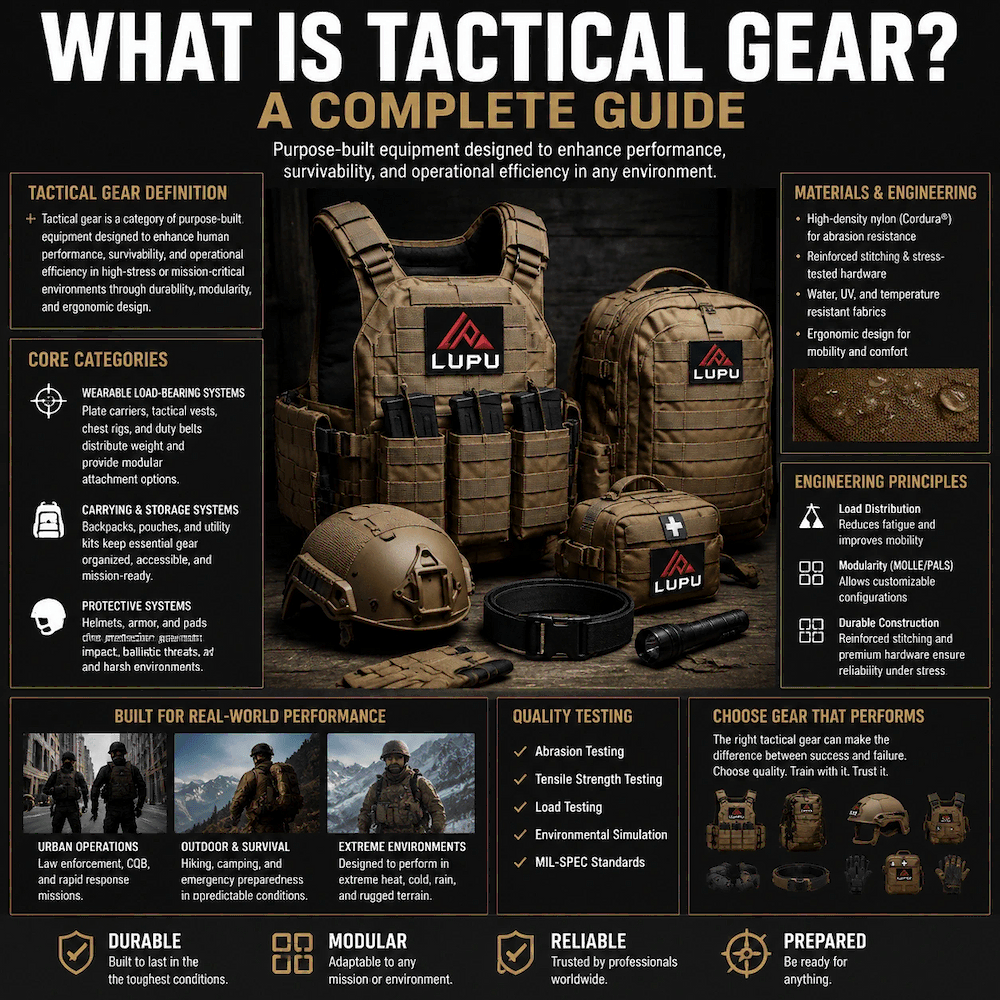
Tactical gear has evolved far beyond its military origins. Today, it is a highly engineered ecosystem of equipment designed for efficiency, adaptability, and survival in high-demand environments. From military operations and law enforcement missions to outdoor exploration and professional security work, tactical gear plays a critical role in ensuring operational readiness and user safety.
To truly understand the subject, one must first examine the Tactical Gear Definition in a functional and engineering context rather than a purely commercial one. Tactical gear is not simply “heavy-duty equipment”. It is a system designed around mission-specific performance, rapid accessibility, modular adaptability, and environmental resilience.
This guide provides a deep, structured, and technically grounded explanation of what tactical gear is, how it works, and why its design principles matter across industries.
2. Tactical Gear Definition: A Functional and Engineering Perspective
The Tactical Gear definition can be expressed as follows:
Tactical gear is a category of purpose-built equipment designed to enhance human performance, survivability, and operational efficiency in high-stress or mission-critical environments through durability, modularity, and ergonomic design.
Unlike general outdoor equipment, tactical gear is engineered with three foundational principles:
- Function over aesthetics: Every component serves a specific operational role
- System integration: Gear is designed to work as part of a larger load-bearing ecosystem
- Environmental resilience: Materials and structures must withstand extreme stress conditions
In practical terms, tactical gear bridges the gap between human capability and operational demand.
3. Historical Evolution: From Military Necessity to Civilian Application
Tactical gear originated within military logistics systems, where survival and mission success depended on equipment reliability. Early forms included basic load-bearing vests, ammunition belts, and field packs.
Over time, advancements in materials science and combat doctrine transformed tactical gear into a modular, highly adaptive system. Key evolutionary stages include:
- World War Era: Standardized load-bearing equipment with limited adaptability
- Cold War Period: Introduction of synthetic fibers and improved ergonomics
- Modern Era: Modular MOLLE systems, lightweight composites, and mission-specific configurations
- Civilian Expansion: Adoption by law enforcement, emergency responders, and outdoor professionals
Today, tactical gear is no longer limited to the battlefield—it is a multidisciplinary toolset used in diverse environments.
4. Core Categories of Tactical Gear Systems
Tactical gear is best understood as a system composed of interdependent subsystems.
4.1 Wearable Load-Bearing Systems
These systems form the structural foundation of tactical operations:
- Plate carriers for ballistic protection
- Tactical vests for load distribution
- Duty belts for rapid-access tools
4.2 Carrying and Storage Systems
Designed for mobility and organization:
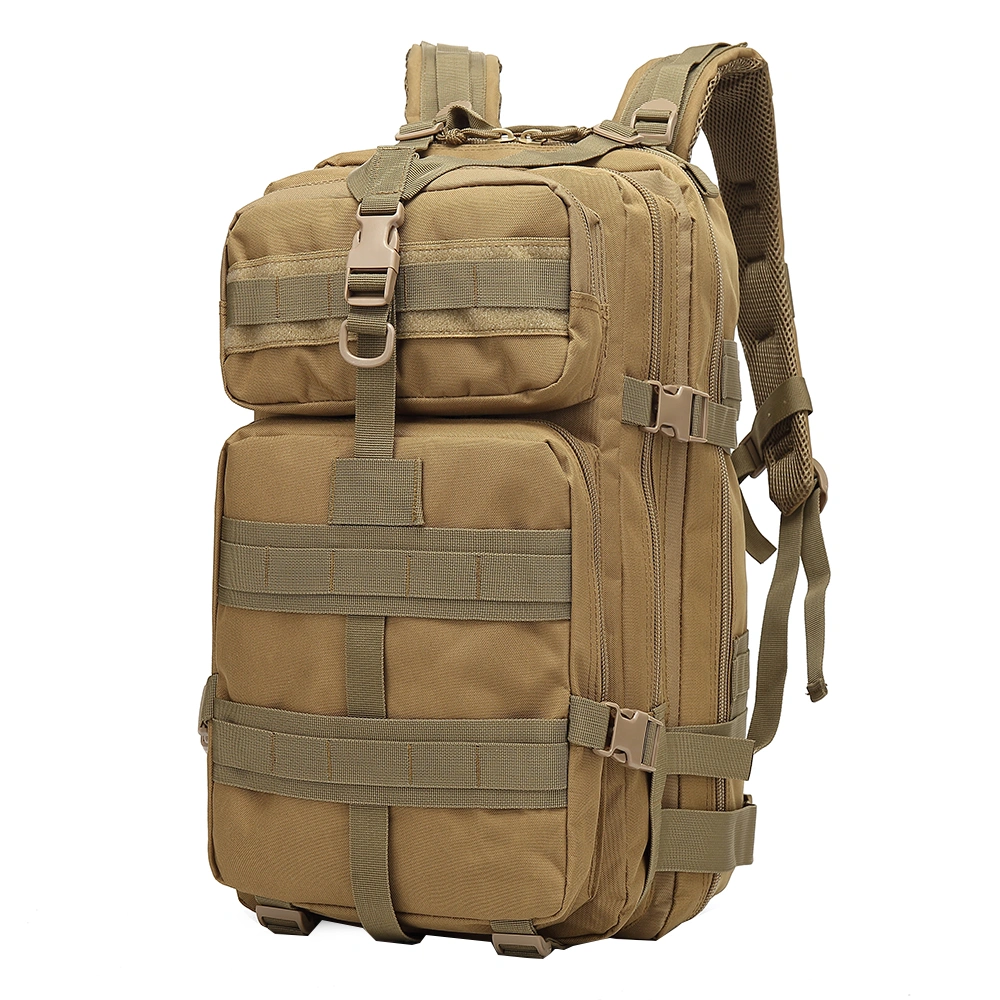
- Assault packs and mochilas tácticas
- Modular MOLLE-compatible pouches
- Medical and utility kits
4.3 Protective Systems
Focused on survivability and environmental defense:
- Ballistic armor inserts
- Helmets and impact protection gear
- Knee, elbow, and hand protection systems
Each category is engineered to integrate seamlessly into a unified operational setup.
5. Material Science Behind Tactical Gear Performance
The durability and functionality of tactical gear depend heavily on material selection. Modern tactical systems rely on advanced textiles and composites engineered for stress resistance.
5.1 High-Density Nylon (Cordura)
One of the most widely used materials in tactical applications:
- Exceptional abrasion resistance
- High tensile strength
- Long-term structural stability
5.2 Polyester and Ripstop Blends
- Improved UV resistance
- Reduced water absorption
- Lightweight performance advantages
5.3 Laminated Composite Fabrics
- Multi-layer protection systems
- Enhanced water and dust resistance
- Increased structural rigidity
5.4 Hardware Components
- YKK zippers for mechanical reliability
- Reinforced polymer buckles for weight reduction
- Metal alloy fittings for high-stress load points
Material selection is always a balance between weight, durability, and operational requirement.
6. Engineering Principles Behind Tactical Gear Design
The effectiveness of tactical gear is determined not only by materials but also by structural engineering.
6.1 Load Distribution Systems
Modern tactical gear uses biomechanical principles to distribute weight across:
- Shoulders
- Torso
- Hip belts
This reduces fatigue and improves mobility during extended operations.
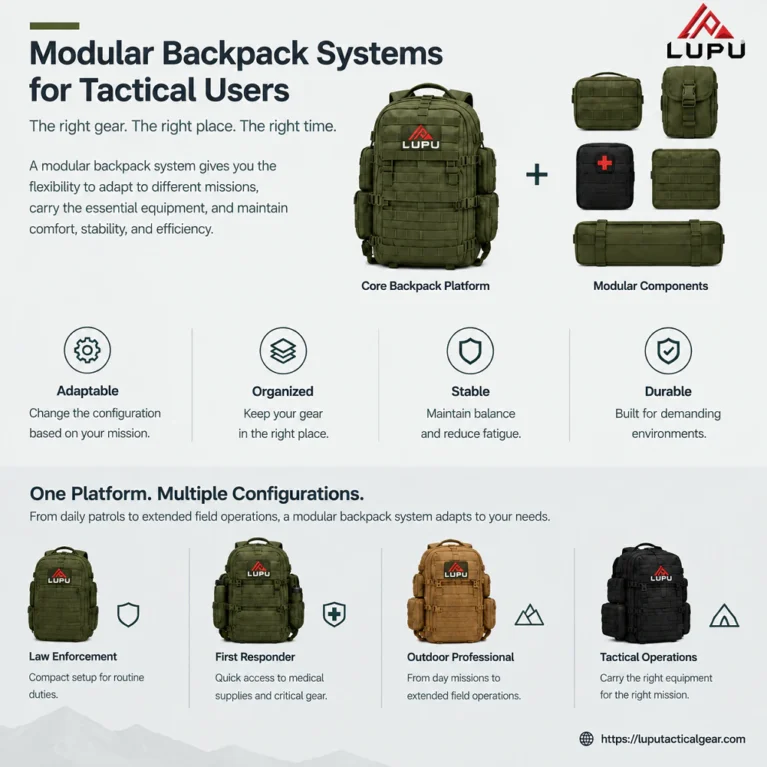
6.2 MOLLE/PALS Modularity
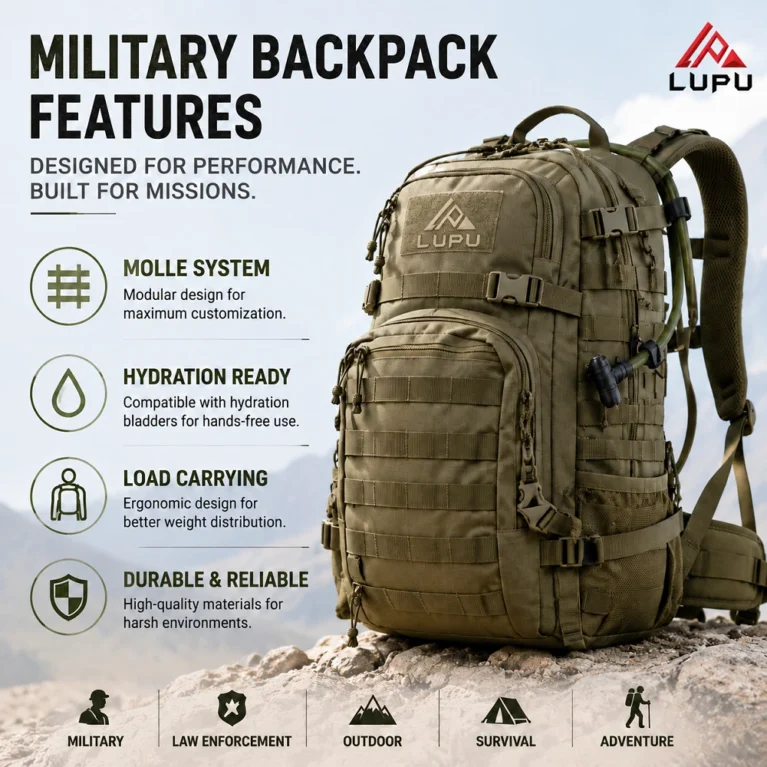
The Modular Lightweight Load-carrying Equipment (MOLLE) system allows users to:
- Attach and detach equipment dynamically
- Customize loadouts for specific missions
- Optimize spatial efficiency
6.3 Reinforced Stitching Techniques
Critical stress points are strengthened using:
- Bartack stitching
- Double and triple seam reinforcement
- Load-tested thread systems
These techniques prevent catastrophic failure under stress.
7. Functional Performance in Real-World Environments
Tactical gear must perform reliably across unpredictable environments.
7.1 Urban Environments
- Law enforcement operations
- Close-quarters response scenarios
- Rapid mobility requirements
7.2 Wilderness and Survival Contexts
- Navigation in remote terrain
- Weather resistance (rain, snow, heat)
- Emergency preparedness scenarios
7.3 Extreme Climate Conditions
- Arctic cold resistance
- Desert heat durability
- High humidity and salt exposure resistance
Each environment imposes unique structural and material demands.
8. Quality Testing and Performance Validation
Before deployment, tactical gear undergoes rigorous testing protocols:
- Abrasion testing: Simulates long-term surface wear
- Tensile testing: Measures material breaking points
- Load testing: Evaluates weight-bearing capacity
- Environmental simulation: Heat, cold, UV, and moisture exposure
Military-grade standards (often referred to as MIL-SPEC benchmarks) ensure consistency and reliability under operational stress.
9. Common Misconceptions About Tactical Gear
Despite its widespread use, tactical gear is often misunderstood.
Misconception 1: Tactical Gear Is Only for the Military
In reality, it is widely used by civilians in security, survival, and outdoor professions.
Misconception 2: More Equipment Means Better Performance
Excess load often reduces mobility and efficiency. Tactical systems prioritize optimization, not accumulation.
Misconception 3: All Tactical Gear Is Military-Grade
Marketing terms often exaggerate durability. True tactical-grade equipment follows strict engineering standards.
Understanding these misconceptions is essential when interpreting the Tactical Gear definition in practical contexts.
10. How to Evaluate Tactical Gear Professionally
A structured evaluation process includes:
- Material verification: Check fabric grade and hardware quality
- Stitch inspection: Look for reinforced stress zones
- Modularity assessment: Ensure MOLLE compatibility
- Ergonomic testing: Evaluate comfort under load
- Mission alignment: Match gear to operational needs
Professional users prioritize function over tactical brand or appearance.
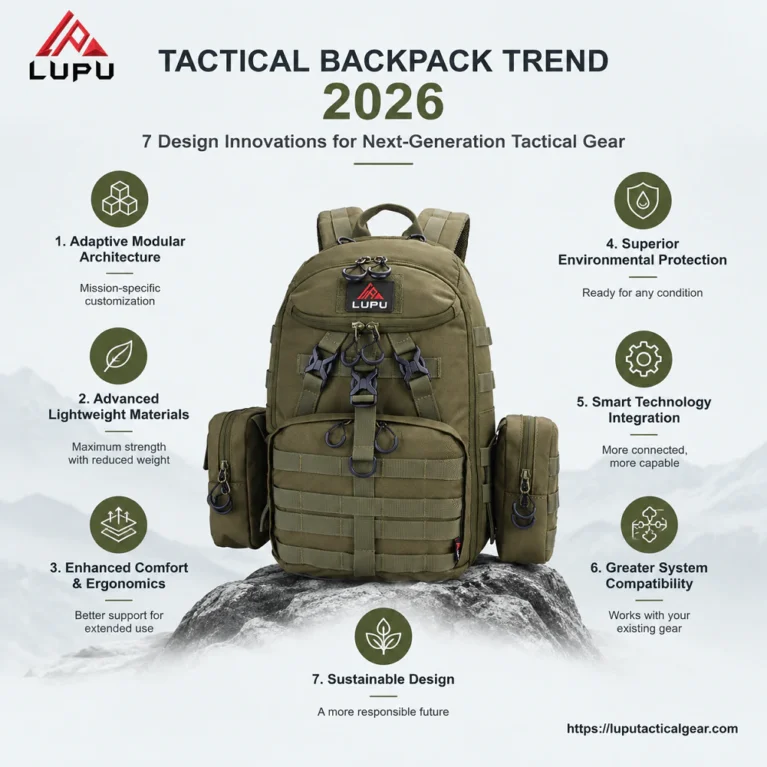
11. Future Innovations in Tactical Gear Technology
The next generation of tactical gear is being shaped by emerging technologies:
- Smart textiles with embedded sensors for health and environmental monitoring
- Ultra-light ballistic materials that reduce weight without sacrificing protection
- Adaptive load systems that dynamically redistribute weight
- Sustainable manufacturing processes using recycled high-performance fibers
These innovations will redefine the boundaries of tactical performance.
12. Conclusion: Redefining the Tactical Gear Definition
Tactical gear is not simply equipment—it is a highly engineered system designed to enhance human performance in demanding environments. A proper understanding of the Tactical Gear definition reveals its true nature: a fusion of material science, ergonomic engineering, and mission-driven design.
As operational environments continue to evolve, tactical gear will remain at the forefront of innovation, bridging the gap between human limitation and mission requirement.
Ultimately, tactical gear represents one principle above all: preparedness through engineering precision.