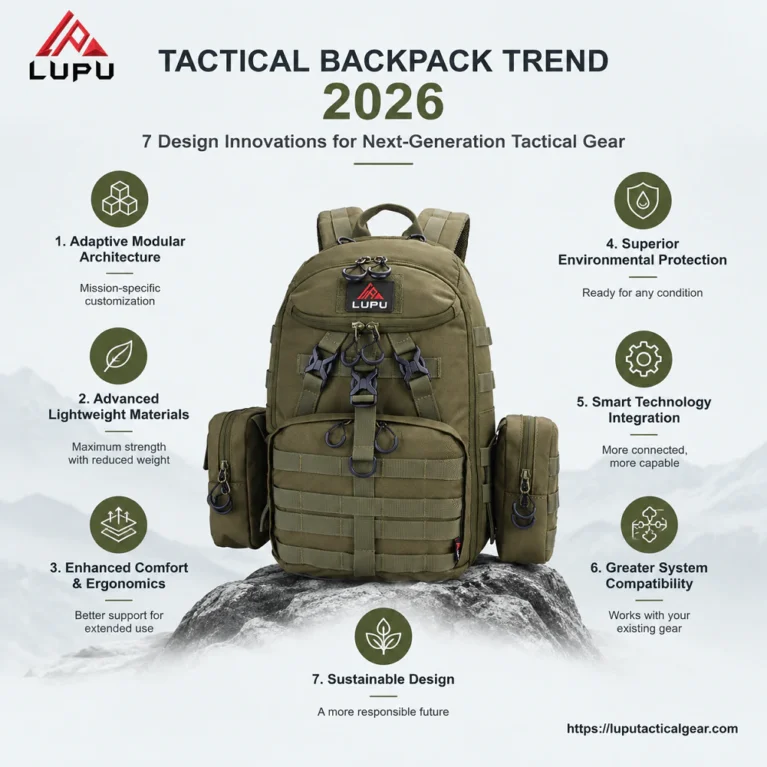
Introduction: Building the Next Generation of Professional Tactical Equipment
Modern law enforcement operations require equipment that performs reliably in demanding environments. From daily patrol duties to specialized tactical missions, professional users depend on gear that combines durability, comfort, adaptability, and consistent performance.
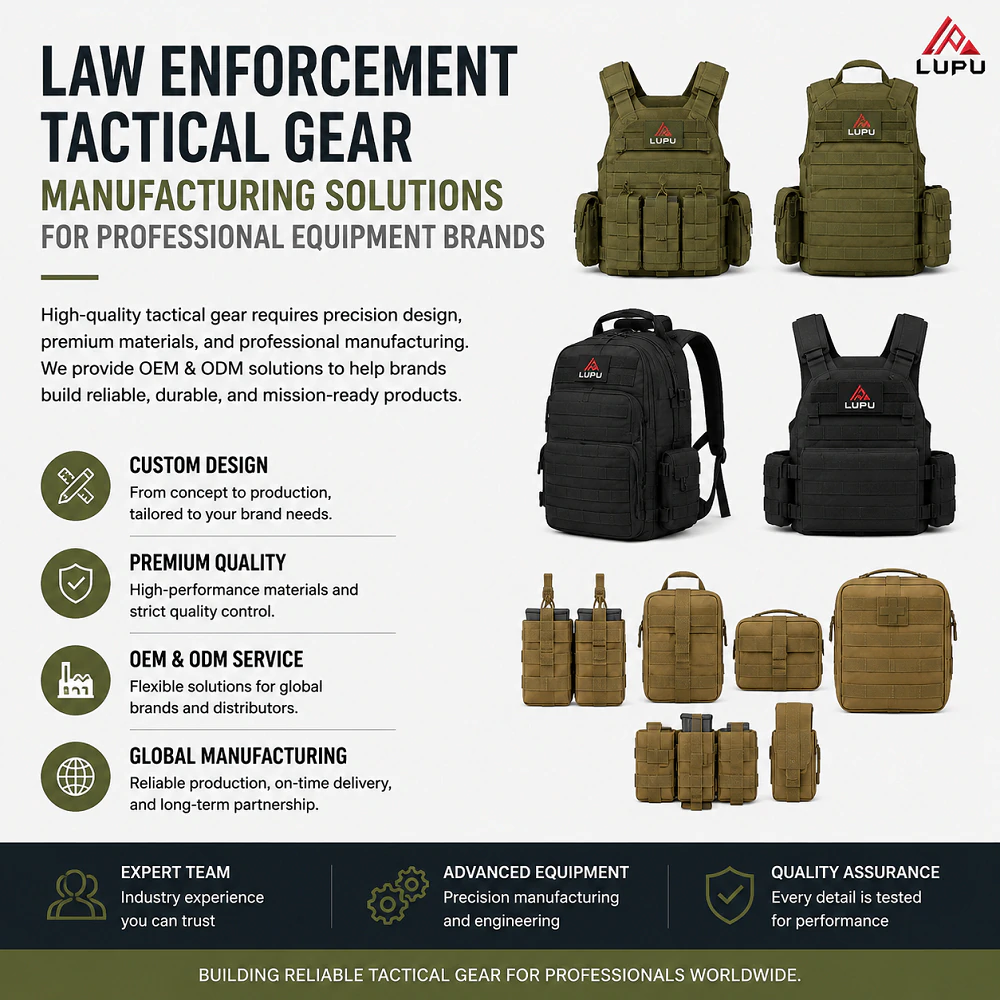
The development of Law Enforcement Tactical Gear is no longer focused only on individual products. Today, professional equipment brands are looking for complete manufacturing solutions that integrate product design, engineering expertise, material selection, modular functionality, and strict quality management.
As the tactical equipment market continues to evolve, brands and distributors need manufacturing partners capable of transforming concepts into reliable, scalable, and market-ready solutions. Professional tactical equipment development requires a deep understanding of operational requirements, user experience, and production capabilities.
This article explores the key elements behind professional Law Enforcement Tactical Gear manufacturing, including tactical vests, plate carriers, tactical backpacks, tactical accessories, material engineering, production processes, and OEM/ODM customization solutions.
1. Understanding the Core Requirements of Modern Law Enforcement Tactical Gear
1.1 Professional Performance Starts With Real-World Requirements
Unlike ordinary outdoor products, law enforcement tactical equipment is designed for professional environments where reliability and functionality are critical.
A high-quality tactical product must consider:
- Long periods of use
- Repeated deployment cycles
- Heavy equipment loads
- Dynamic movement requirements
- Changing environmental conditions
For equipment brands, creating successful tactical products requires more than selecting durable materials. Tactical Gear manufacturers must understand how gear is used, how weight is distributed, and how every component contributes to overall performance.
A well-designed piece of Law Enforcement Tactical Gear should provide:
- Reliable structural strength
- Efficient organization
- Comfortable carrying experience
- Quick accessibility
- Long-term durability
The goal is not simply to produce equipment — it is to develop solutions that support professional users in real operational scenarios.
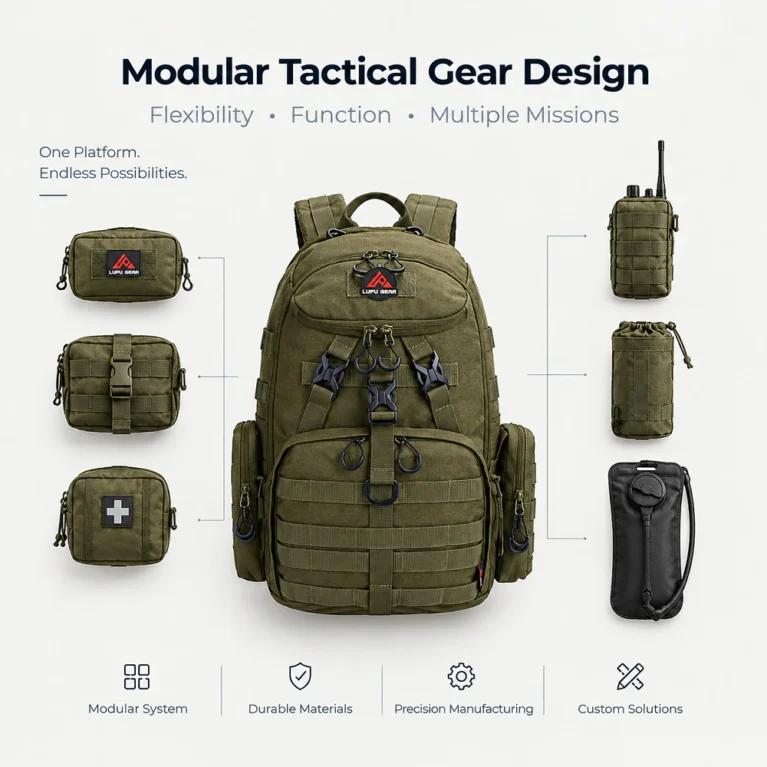
1.2 Modular Design: The Foundation of Modern Tactical Systems
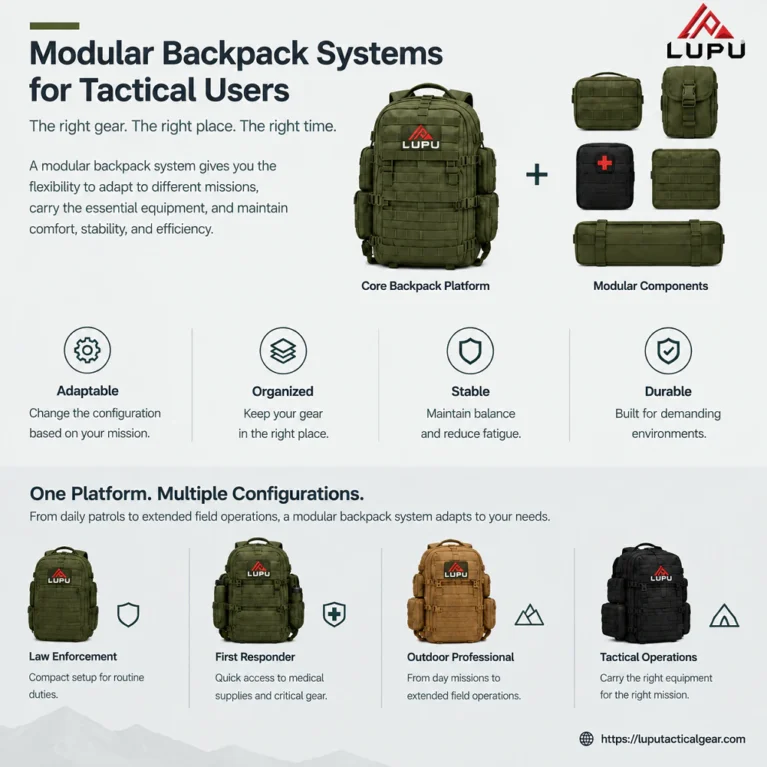
One of the most important trends in tactical equipment development is modularity.
Modern professionals often require different configurations depending on mission requirements. A modular design allows users to customize their setup without replacing the entire system.
Common modular features include:
- MOLLE attachment systems
- Adjustable mounting platforms
- Interchangeable pouches
- Expandable storage solutions
- Multi-purpose configurations
MOLLE compatibility has become a standard feature across many tactical products because it provides flexibility and allows users to build personalized equipment systems.
For manufacturers, modular design requires precise engineering to ensure:
- Strong attachment points
- Consistent spacing
- Reliable load support
- Long-term durability
2. Key Product Categories Within Law Enforcement Tactical Gear Manufacturing
A complete tactical equipment ecosystem includes multiple product categories that work together. Professional manufacturers must understand how these products interact as part of a larger system.
2.1 Tactical Vests: The Core of Load-Bearing Equipment Systems
Tactical vests are among the most recognizable and essential components of professional tactical equipment.
Common categories include:
- MOLLE Tactical Vest
- Load-Bearing Vest (LBV)
- Patrol Vest
- Modular Tactical Vest
A tactical vest must provide a balance between equipment carrying capability and user mobility.
Important Tactical Vest Design Considerations
Adjustable Fit System
Professional users require equipment that adapts to different body types and operational conditions.
Key features include:
- Adjustable shoulder straps
- Adjustable waist systems
- Secure fastening structures
- Quick adjustment capability
Load Distribution
A well-designed vest should distribute equipment weight efficiently.
Manufacturers focus on:
- Reinforced load-bearing areas
- Balanced attachment placement
- Ergonomic structure design
Breathability and Comfort
Long-duration operations require improved airflow and reduced heat buildup.
Common solutions include:
- Breathable mesh panels
- Lightweight materials
- Ventilated construction
Para tactical brands developing professional tactical product lines, working with an experienced tactical vest manufacturer ensures better control over design accuracy, production consistency, and customization capability.
2.2 Plate Carriers: Advanced Protection and Modular Configuration
Plate carriers represent another important category within professional Law Enforcement Tactical Gear.
Designed to support protective plates and mission equipment, plate carriers require precise engineering and strong structural performance.
Professional plate carrier systems typically focus on:
- Protection compatibility
- Load management
- Mobilidade
- Modular customization
Key Plate Carrier Features
Compatibilidade de placas
Manufacturers must carefully design:
- Plate compartments
- Retention systems
- Structural reinforcement
to ensure proper integration with protective components.
MOLLE Expansion Capability
MOLLE platforms allow users to attach:
- Magazine pouches
- Medical pouches
- Utility accessories
- Communication equipment
Adjustable Configuration
Professional users benefit from:
- Adjustable shoulder systems
- Modular cummerbund designs
- Flexible sizing solutions
The role of a professional plate carrier manufacturer extends beyond production. It requires engineering knowledge, material expertise, and an understanding of how equipment performs under demanding conditions.
2.3 Tactical Backpacks and Mission Bags: Expanding Equipment Capacity
While vests and plate carriers provide mission-ready configurations, tactical backpacks support additional equipment transportation.
Common products include:
- Mochilas tácticas
- Assault packs
- Patrol backpacks
- Medical backpacks
- Tactical sling bags
A professional tactical backpack should combine:
- Storage efficiency
- Carrying comfort
- Durabilidade
- Organization flexibility
Important features include:
Multi-Compartment Design
Effective organization helps users quickly access essential equipment.
Common layouts include:
- Main storage compartments
- Administrative pockets
- Equipment sections
- Dedicated accessory areas
Compatibilidade MOLLE
External MOLLE systems allow additional customization and expansion.
Ergonomic Carrying Systems
Comfort-focused designs include:
- Breathable back panels
- Adjustable shoulder straps
- Chest support systems
Tactical backpacks complement other equipment categories by providing additional operational storage capacity.
2.4 Tactical Pouches and Accessories: Completing the Equipment System
Accessories are essential components of a complete tactical setup.
Common categories include:
- Magazine pouches
- Medical pouches
- Bolsas utilitárias
- Radio pouches
- Administrative pouches
Manufacturing priorities include:
- Secure attachment
- Fast accessibility
- Structural durability
- MOLLE compatibility
Small accessories require the same attention to quality as larger equipment because they directly affect usability and reliability.
3. Material Engineering Behind Professional Tactical Equipment
3.1 Selecting High-Performance Tactical Fabrics
Material selection directly influences product durability, weight, and lifespan.
Common tactical fabrics include:
Nylon 500D
Advantages:
- Lightweight construction
- Flexible performance
- Suitable for mobile applications
Nylon 1000D
Advantages:
- Higher abrasion resistance
- Heavy-duty durability
- Suitable for demanding environments
Additional material considerations include:
- Water-resistant coatings
- Reinforced webbing
- Anti-tear construction
- Breathable components
A professional manufacturer evaluates materials based on product purpose, expected usage conditions, and customer requirements.
3.2 Hardware Components: Small Details That Define Reliability
Tactical equipment performance depends heavily on component quality.
Important hardware includes:
- Tactical buckles
- Heavy-duty zippers
- Hook-and-loop systems
- Adjustment hardware
- Reinforced webbing
A premium manufacturing process requires careful sourcing and testing of every component.
A failure in a small component can affect the usability of the entire system, which is why professional manufacturers maintain strict inspection standards.
4. The Manufacturing Process Behind Law Enforcement Tactical Gear
4.1 Product Development: Turning Concepts Into Production Solutions
Professional tactical equipment begins with detailed development.
Typical development stages include:
Market Research
Understanding:
- User requirements
- Industry trends
- Product positioning
CAD Design and Engineering
Digital design allows manufacturers to optimize:
- Product structure
- Storage layout
- Attachment systems
- Manufacturing efficiency
Prototype Development
Prototype testing helps evaluate:
- Fit
- Function
- Durabilidade
- User experience
A strong manufacturing partner supports brands from initial concept through production preparation.
4.2 Precision Manufacturing and Assembly
Manufacturing tactical equipment requires specialized production capabilities.
Key processes include:
- Material cutting
- Industrial sewing
- Reinforcement stitching
- Component installation
- Final assembly
Critical production areas include:
- Stress points
- Load-bearing zones
- Attachment systems
- Adjustment structures
Consistency is essential, especially for brands requiring repeat production at scale.
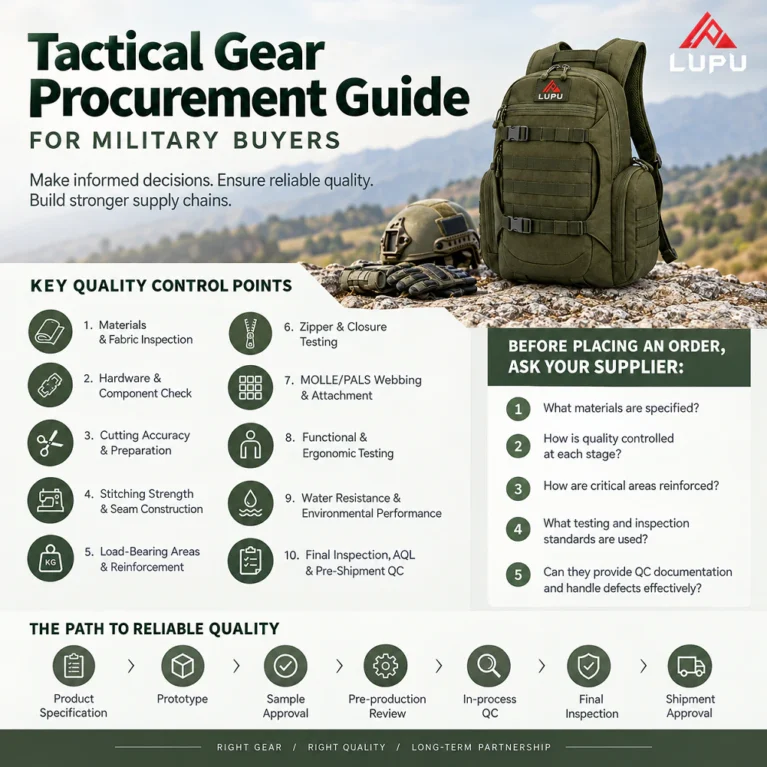
4.3 Quality Control: Ensuring Consistent Performance
Quality control is one of the most important stages in tactical equipment manufacturing.
Professional inspection processes include:
Material Inspection
Checking:
- Fabric quality
- Color consistency
- Surface condition
Construction Inspection
Reviewing:
- Stitching quality
- Reinforcement areas
- Structural details
Functional Testing
Evaluating:
- Zipper operation
- MOLLE alignment
- Hardware performance
- Adjustment systems
Strong quality management allows brands to maintain product consistency across different production batches.
5. OEM and ODM Manufacturing Solutions for Tactical Equipment Brands
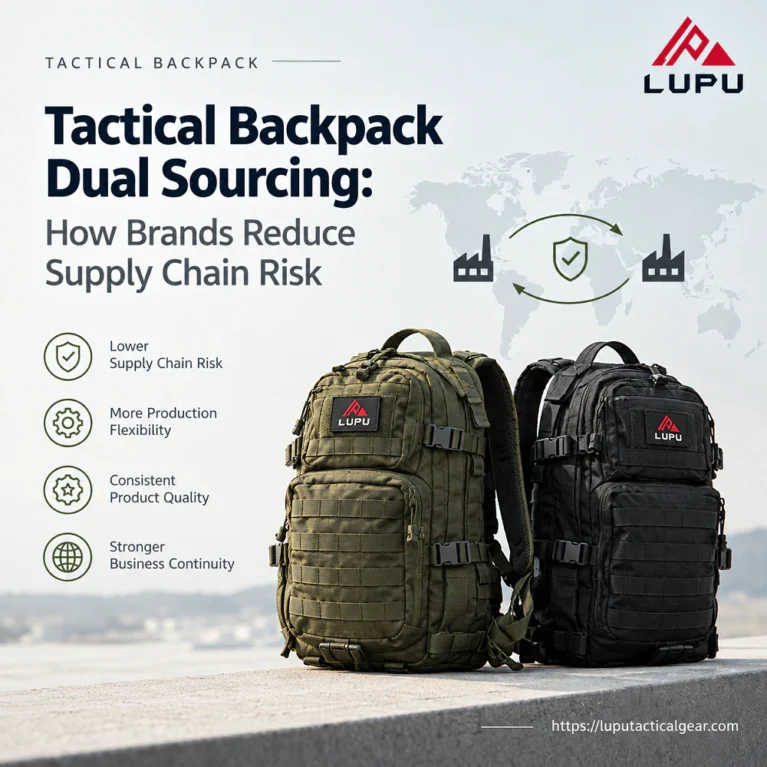
5.1 Why Brands Need Experienced Manufacturing Partners
Professional equipment brands often require more than a production supplier.
A capable tactical gear manufacturer provides:
- Product development support
- Engineering assistance
- Material recommendations
- Production management
- Quality assurance
The right partner helps reduce development risks and improve market competitiveness.
5.2 Customization Capabilities for Law Enforcement Tactical Gear
OEM and ODM services allow brands to develop unique product solutions.
Customization options include:
Product Structure
- Custom tactical vest designs
- Custom plate carrier configurations
- Tactical backpack layouts
- Modular accessory systems
Material Selection
Options include:
- Fabric types
- Colors
- Hardware components
- Reinforcement solutions
Branding Solutions
Including:
- Logo applications
- Labels
- Packaging customization
Professional customization transforms standard products into brand-specific tactical solutions.
6. Future Trends Shaping Law Enforcement Tactical Gear
6.1 Lightweight Tactical Equipment Development
Modern tactical equipment continues moving toward:
- Reduced weight
- Improved mobility
- Enhanced comfort
Manufacturers are constantly balancing durability with weight optimization.
6.2 Integrated Modular Systems
Future tactical products will increasingly focus on:
- Platform compatibility
- Expandable configurations
- Multi-purpose applications
Integrated systems provide greater flexibility for professional users.
6.3 Data-Driven Product Development
Advanced manufacturers increasingly use:
- CAD engineering
- Prototype evaluation
- Production analysis
- Customer feedback
to improve product performance and manufacturing efficiency.
7. How to Choose the Right Law Enforcement Tactical Gear Manufacturer
7.1 Evaluate Manufacturing Experience
Important factors include:
- Industry knowledge
- Product development history
- Production capability
7.2 Review Engineering and Customization Ability
A reliable partner should support:
- Concept development
- Prototype creation
- Design optimization
- Production scaling
7.3 Assess Quality Management
Look for manufacturers with:
- Clear inspection processes
- Stable production systems
- Consistent manufacturing standards
Quality capability is one of the strongest indicators of long-term partnership value.
Conclusion: Creating Reliable Tactical Solutions Through Manufacturing Expertise
The development of modern Law Enforcement Tactical Gear requires a combination of engineering knowledge, material expertise, manufacturing precision, and deep understanding of professional requirements.
From tactical vests and plate carriers to backpacks and modular accessories, every product must be designed with durability, functionality, and user experience in mind.
For professional equipment brands, choosing the right manufacturing partner is essential to building competitive products and maintaining customer trust.
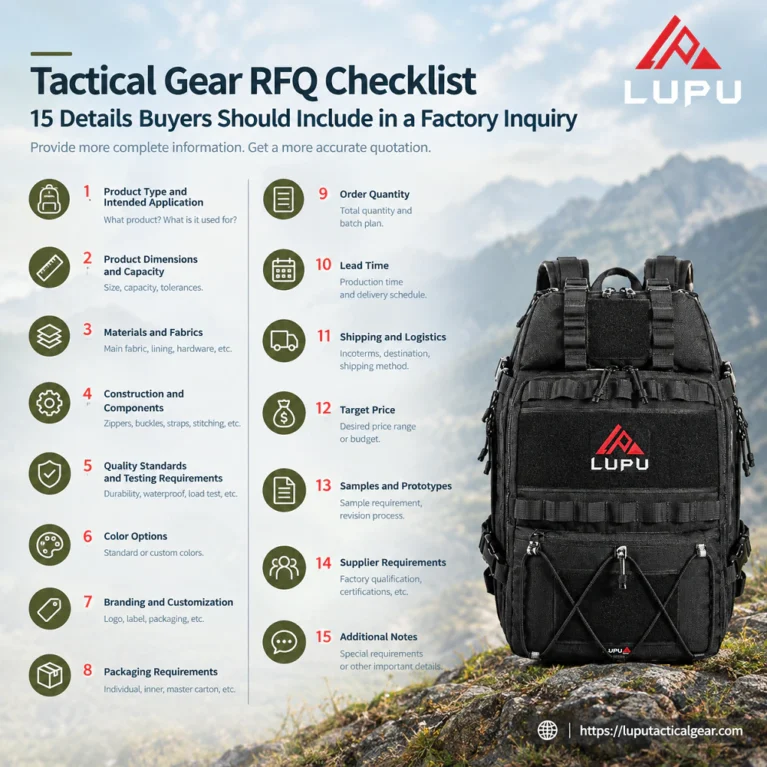
LUPU provides professional OEM and ODM manufacturing solutions for tactical equipment brands, supporting product development from concept design to final production.
Looking for a reliable partner for custom Law Enforcement Tactical Gear?
Work with LUPU to develop professional tactical solutions tailored to your market needs.
Email: