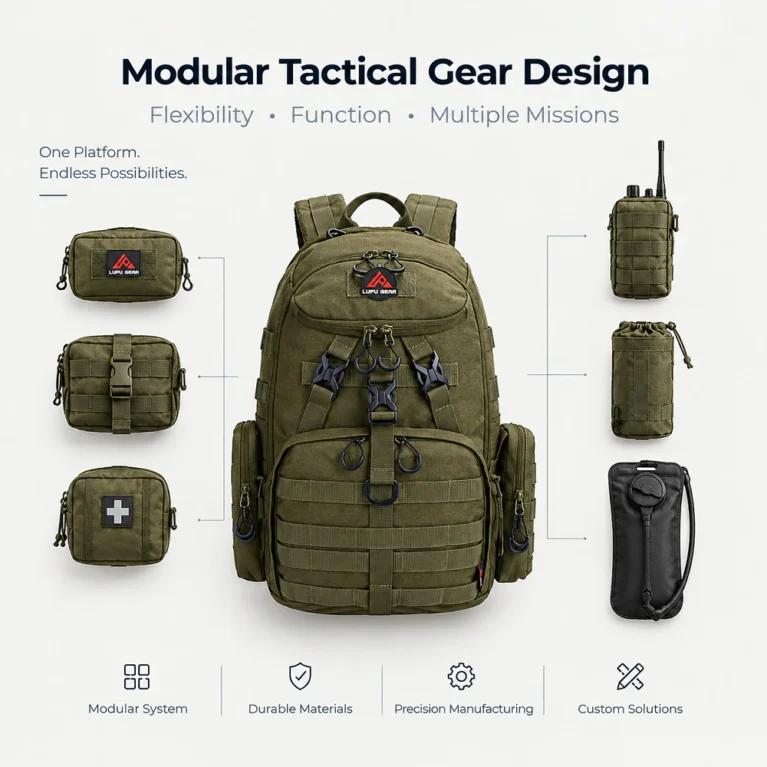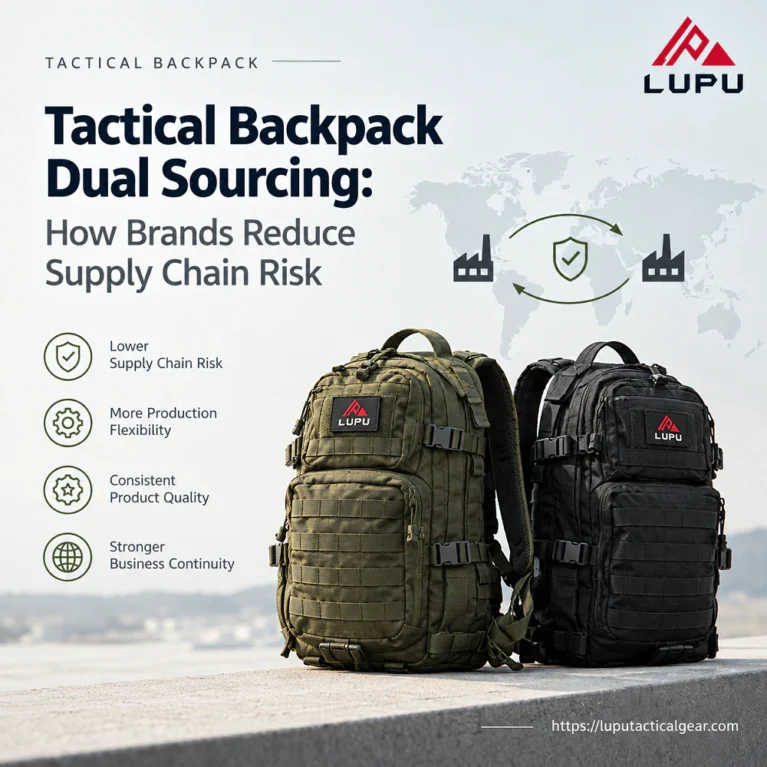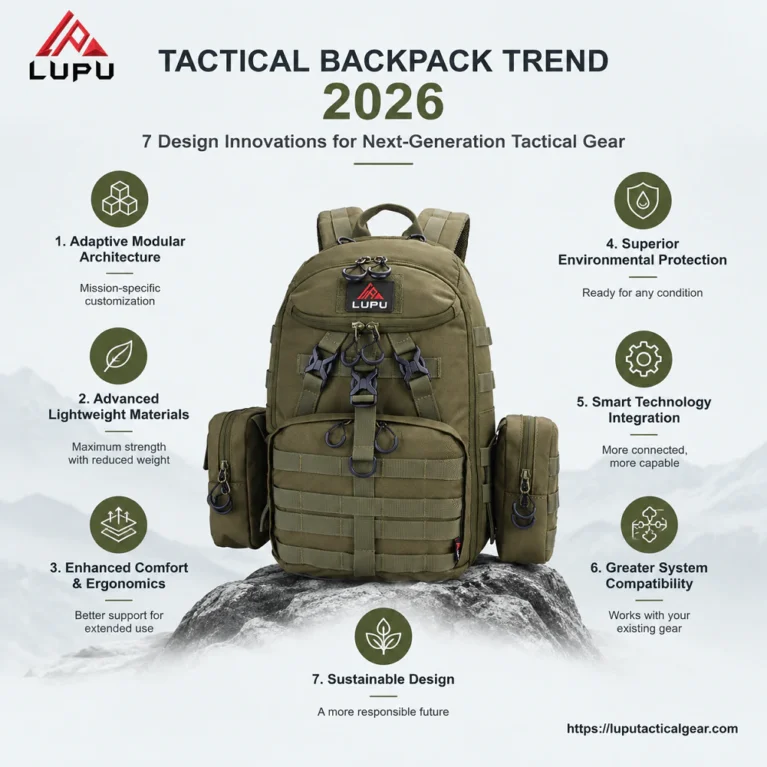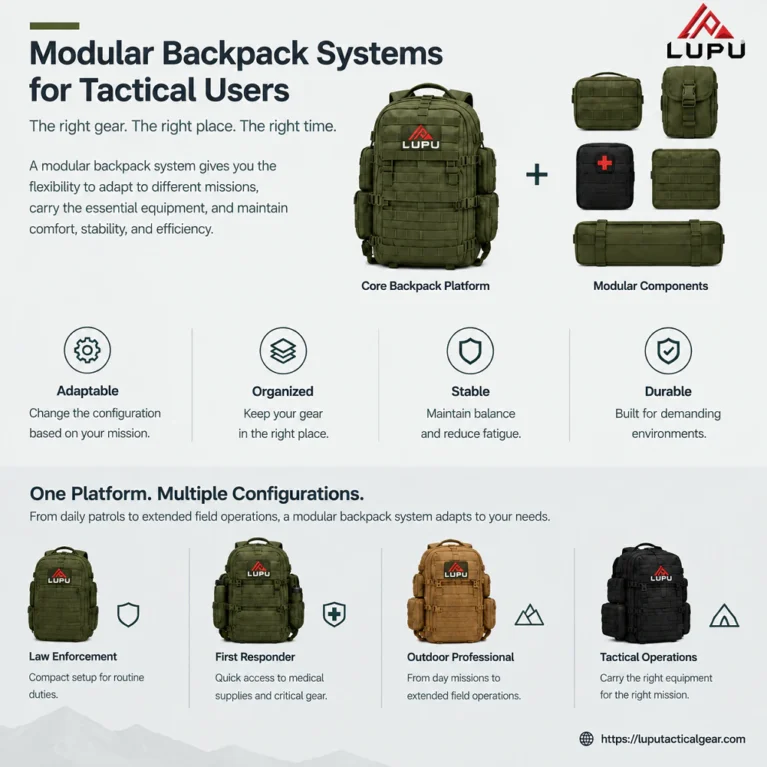
In the high-stakes world of tactical gear, the difference between a market leader and a struggling brand often comes down to a single factor: the uncompromising integrity of the manufacturing partner. When lives, mission success, or professional reputations depend on the equipment you provide, “good enough” is a dangerous compromise that simply isn’t an option in the field.
For wholesalers, brand owners, and specialized distributors, finding a reliable tactical backpack OEM is more than a procurement task; it is the most critical strategic decision you will make for your business’s long-term viability. A truly elite partner does not just fulfill orders; they offer technical consultation, advanced material sourcing, and precision engineering that safeguards your brand against field failures.
This comprehensive guide explores the essential criteria for selecting a partner capable of transforming your complex design vision into mission-ready equipment that exceeds international standards.
1. Define Your Technical Requirements
Before reaching out to a manufacturer, you must speak the language of tactical engineering. A professional tactical backpack OEM will expect you to have a baseline for the following:
- Fabric Standards: Are you looking for genuine Cordura (500D or 1000D), high-density Nylon, or specialized Ripstop? The choice impacts weight, abrasion resistance, and price point.
- Hardware Specifications: Ensure the tactical backpack OEM factory uses industry-standard components like YKK zippers, UTX-Duraflex buckles, and Mil-Spec nylon webbing.
- Specialized Features:Determine if your project requires NIR (Near-Infrared) compliance for low-light environments, laser-cut MOLLE systems for weight reduction, or specialized waterproofing.
2. Evaluate Manufacturing Capabilities and Technology
Tactical gear production is vastly different from fashion bag manufacturing. To ensure your products survive extreme conditions, your tactical backpack OEM partner must utilize advanced production techniques:
- Precision Cutting: Ask if they use automated laser-cutting machines. Laser-cut MOLLE systems offer a cleaner finish and higher precision compared to traditional stitched webbing.
- Reinforcement Techniques: Look for computerized bartacking at all load-bearing stress points. This ensures the straps and handles won’t fail under heavy loads.
- Internal Quality Control (QC): A high-quality OEM should have a dedicated QC department that performs tensile strength tests, colorfastness checks, and water-repellency audits throughout the production cycle.
3. Verification of Experience and Export History
In the tactical industry, longevity equals reliability. A factory that has been operating for 20+ years has likely navigated the complexities of international trade and material sourcing shifts.
- Market Familiarity:Does the manufacturer understand the specific regulatory requirements of your target market (e.g., REACH compliance for Europe or Berry Amendment standards for the US)?
- Client Portfolio:While many OEMs maintain strict confidentiality, a reputable partner should be able to demonstrate their experience in handling large-scale international orders and maintaining consistent quality across batches.
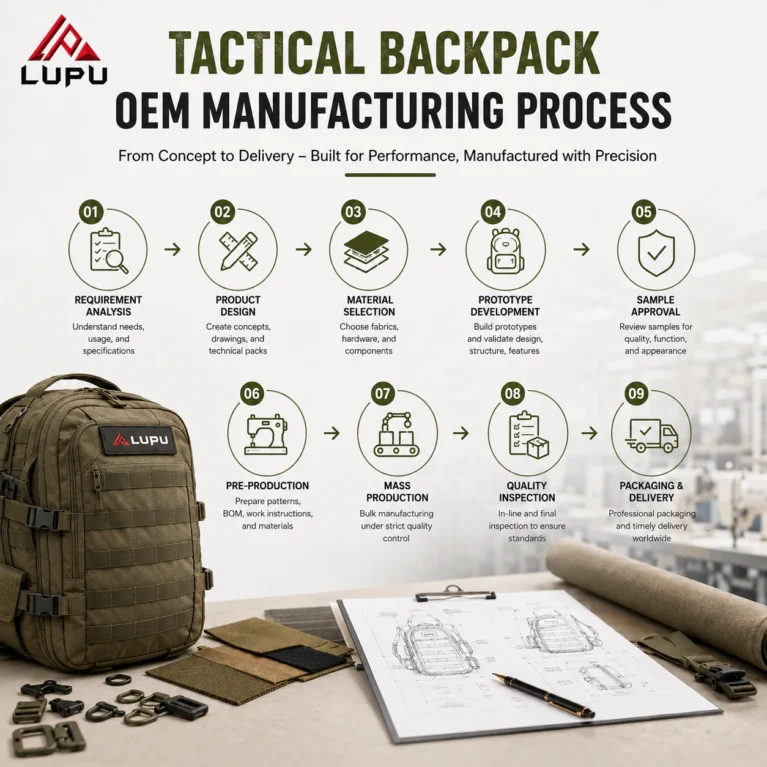
4. The Prototyping and R&D Process
The transition from a design sketch to a physical product is where the “OEM advantage” shines. Your tactical backpack OEM partner should act as a consultant, not just a factory.
- Design Optimization: A professional engineering team will suggest modifications to your design that can improve durability while reducing production costs.
- Sample Lead Times: A competent tactical backpack OEM should be able to produce a high-fidelity prototype within 7 to 10 days. This speed is vital for staying ahead of market trends.
- Communication: Clear, technical communication in English is non-negotiable. Misunderstandings during the sampling phase can lead to costly errors in the mass production stage.
5. Ethical Compliance and Certifications
Google’s search algorithms and modern consumers increasingly prioritize ethical sourcing. Partnering with a certified tactical backpack OEM factory protects your brand’s reputation.
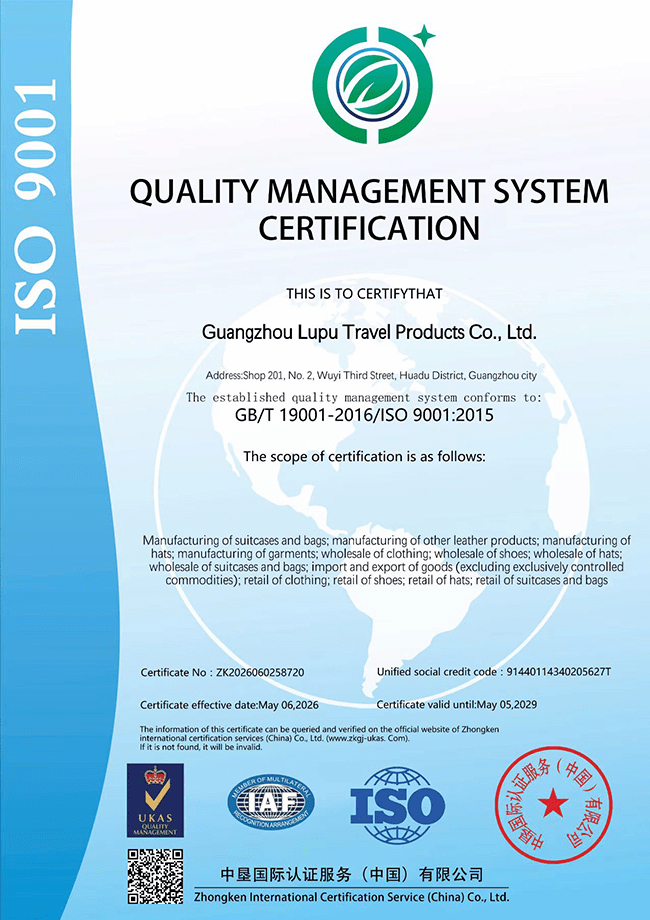
- ISO 9001:Ensures a consistent quality management system.
- Social Audits:Look for factories with BSCI or Sedex certification, which prove the gear is produced under fair labor conditions.
- Transparency:A reliable partner will welcome third-party inspections and provide transparent updates on production timelines.
6. Avoiding the “Low-Price Trap”
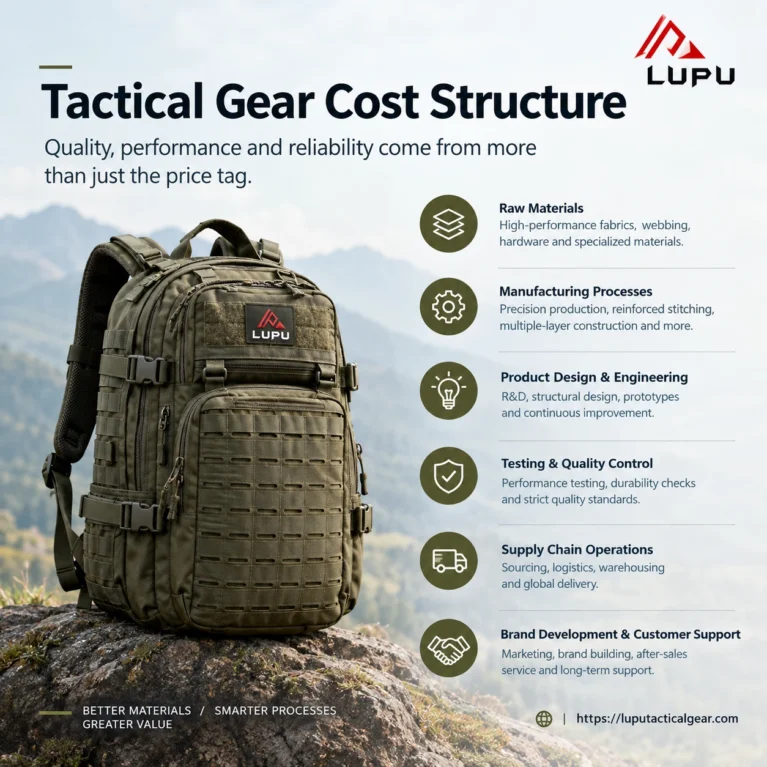
In tactical gear manufacturing, price is often a direct reflection of material authenticity and labor skill. If a quote is significantly lower than the market average, it often signals:
- Substandard “look-alike” fabrics instead of certified nylon.
- Poor stitch count per inch, leading to seam failure.
- Unstable lead times due to subcontracting.
Conclusion: Building a Strategic Partnership
Choosing the right tactical backpack OEM is about more than just a purchase order; it is about finding a partner that shares your commitment to excellence. By focusing on technical expertise, material integrity, and proven experience, you can build a product line that earns the trust of professional users worldwide.
Are you ready to elevate your tactical gear line?
With decades of experience as a leading Tactical Backpack OEM and a global client base, we specialize in bringing high-performance tactical designs to life. Contact our engineering team today to discuss your project requirements and request a sample.
Related:
Top 50:Global Tactical Gear Brands List
Top 12 Military Combat Boots Manufacturers In The World