Introducción
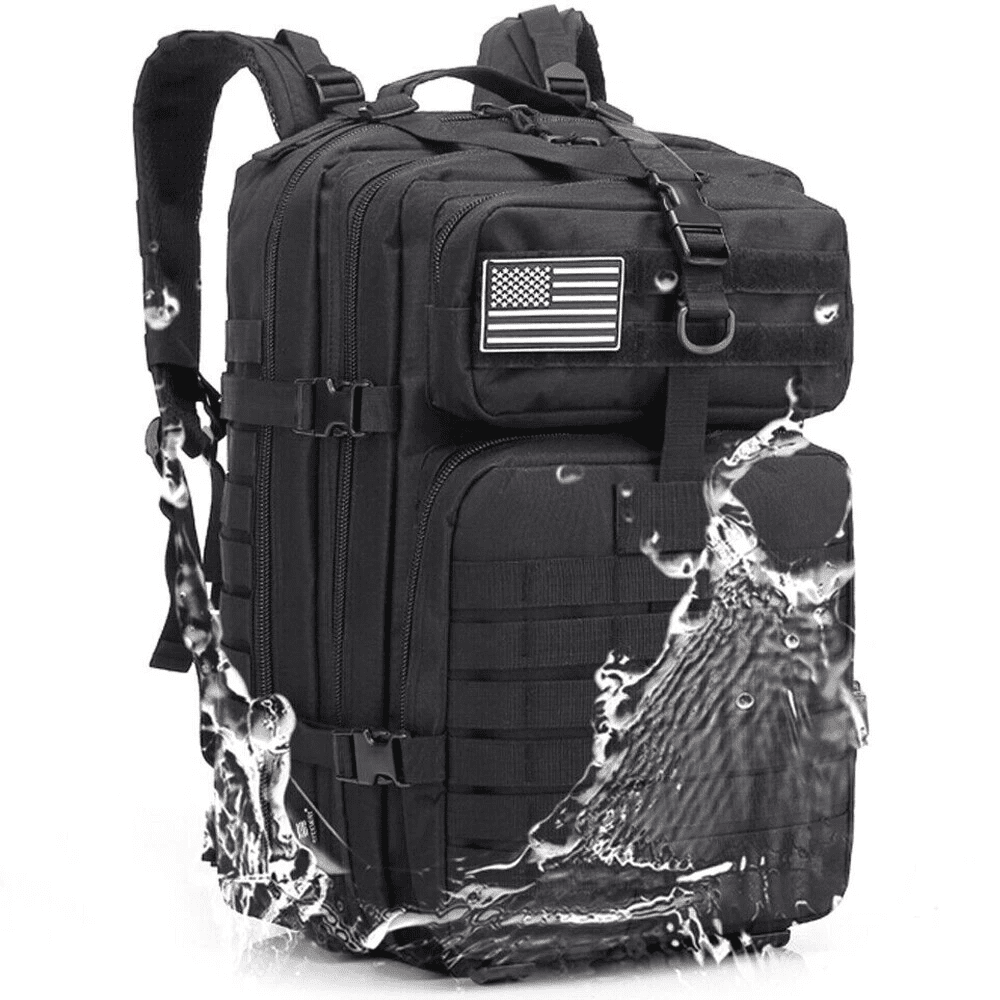
Tactical backpacks are more than just bags—they are essential tools for professionals and enthusiasts who demand reliability, durability, and practicality. From military personnel navigating extreme environments to law enforcement officers needing secure, functional storage, and outdoor adventurers braving unpredictable weather, tactical backpacks play a critical role in protecting gear and ensuring operational efficiency.
One of the most important considerations when choosing a tactical backpack is protection against the elements, particularly water. Rain, splashes, and accidental submersion can compromise the contents of a backpack if it is not adequately prepared. This is where understanding Water Resistance vs. Waterproofing becomes crucial. Selecting the wrong type of protection can lead to ruined equipment, discomfort, or even safety hazards in high-stakes situations. In this guide, we’ll break down the differences of Water Resistance and Waterproofing, examine real-world applications, and help you determine which backpack suits your unique needs.
What is Water Resistance?
Definition of Water Resistance
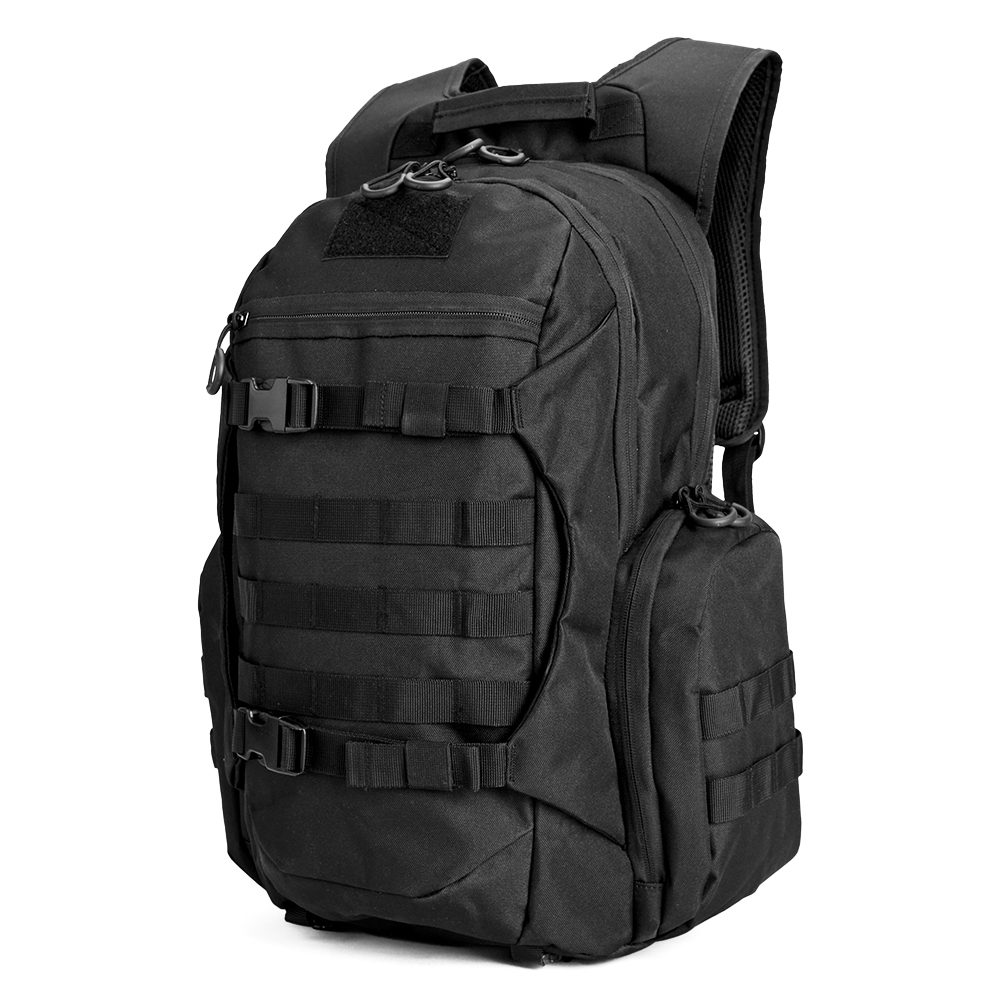
Water resistant tactical backpacks are designed to withstand light exposure to water without letting moisture penetrate the interior. Water resistance does not mean imperviousness to water—it refers to the backpack’s ability to repel water under mild conditions.
Water resistant fabrics typically feature Durable Water Repellent (DWR) coatings. These coatings create a hydrophobic surface, causing water to bead and roll off the material. Importantly, water resistant backpacks are generally breathable, lightweight, and flexible, making them ideal for daily use.
How Water Resistance Works in Tactical Backpacks
Water resistance is achieved primarily through the materials and construction techniques employed in the backpack. Common features include:
- Fabric Coatings:Nylon and polyester fabrics often have a DWR layer applied. This layer prevents water from soaking into the fibers but may wear off over time.
- Partial Seam Sealing:Some water resistant backpacks feature taped seams at critical points, but these are usually not fully sealed, meaning prolonged exposure to heavy rain could allow moisture in.
- Tecnología Ripstop:Ripstop nylon or polyester enhances durability and prevents tearing, which also indirectly supports water resistance by reducing entry points for water.
Ideal Use Cases for Water Resistant Backpacks
Water resistant tactical backpacks are suitable for light to moderate exposure, such as:
- Urban environments where rain is occasional.
- Outdoor activities where brief rain showers are expected.
- Everyday professional use where complete waterproofing is unnecessary.
In these scenarios, water resistant backpacks strike a balance between protection, weight, and comfort.
What is Waterproofing?
Definition of Waterproofing
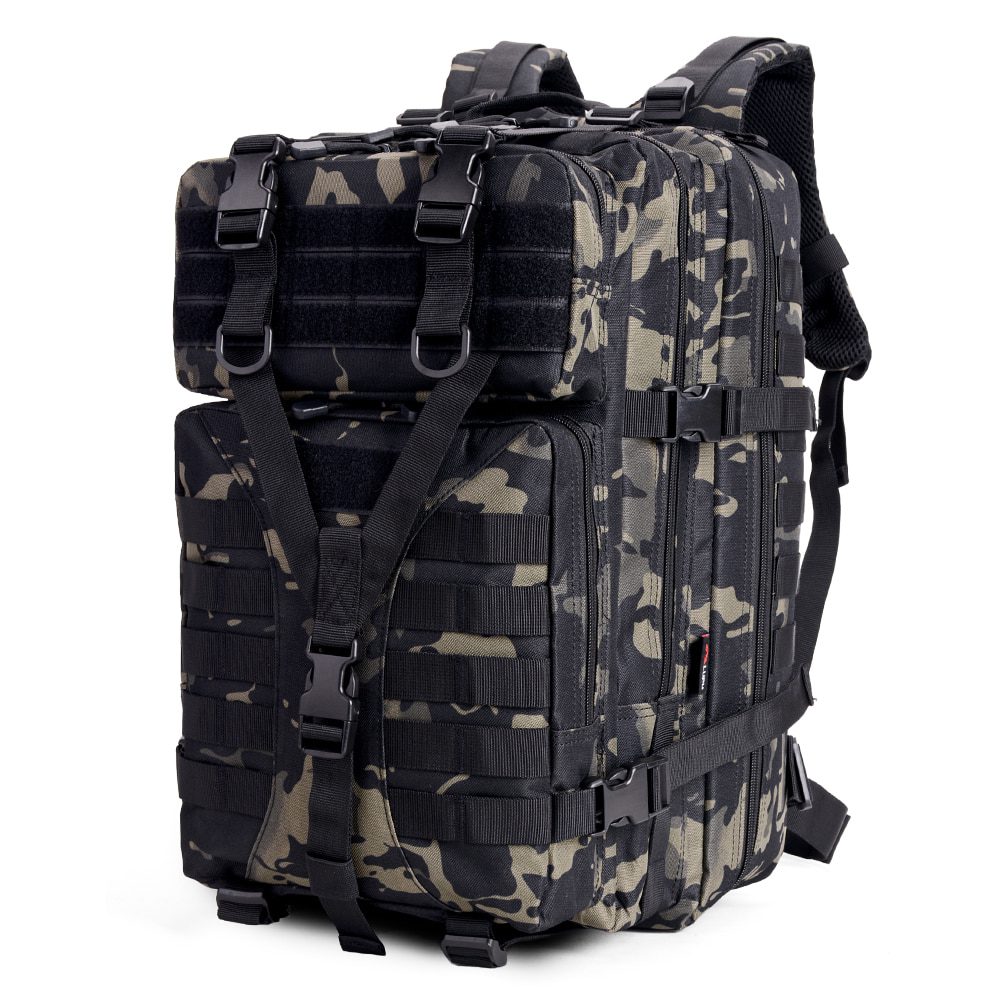
Waterproof tactical backpacks take protection a step further. They are engineered to completely prevent water penetration, even under prolonged exposure. Waterproof backpacks are designed to protect critical gear, electronics, and sensitive materials from heavy rain, river crossings, or submersion.
Key features that distinguish waterproof backpacks from water resistant models include:
- Sealed Seams:Fully welded or taped seams ensure no water can enter through stitching lines.
- Waterproof Zippers:Specialized zippers prevent water from seeping in, even under pressure.
- Advanced Membranes:Materials such as Gore-Tex, TPU coatings, and PVC laminates create impermeable barriers that withstand high moisture environments.
How Waterproofing Works in Tactical Backpacks
Waterproofing relies on both material technology and design precision:
- Membrane Technology:A thin, flexible layer within the fabric prevents water molecules from penetrating while maintaining some breathability.
- Coating Techniques:Thermoplastic polyurethane (TPU) or PVC coatings provide a durable, waterproof exterior.
- Structural Design:Features like roll-top closures, storm flaps, and fully sealed seams work together to create an impenetrable barrier.
When to Choose a Waterproof Backpack
Waterproof backpacks are essential for:
- Extreme weather conditionssuch as torrential rain or snow.
- Submerged or aquatic operationswhere gear could be exposed to water immersion.
- High-stakes activitiessuch as military operations, search and rescue missions, or river crossings.
In these cases, investing in full waterproofing ensures both safety and the protection of valuable equipment.
Comparing Water Resistance vs. Waterproofing
Key Differences
Understanding Water Resistance vs. Waterproofing requires examining their core functional differences:
|
Característica |
Resistencia al agua |
Waterproofing |
|
Water Protection |
Light rain, brief exposure |
Heavy rain, submersion, extreme conditions |
|
Transpirabilidad |
Alta |
Moderate to low |
|
Peso |
Ligero |
Heavier |
|
Durabilidad |
Adequate for daily use |
High, built for prolonged exposure |
|
Price |
Affordable |
Higher-end |
Pros and Cons of Water Resistance
Pros:
- Lightweight and comfortable
- Breathable and flexible
- Quick-drying fabrics
- More affordable
Contras:
- Limited protection in heavy rain
- Not suitable for prolonged water exposure
Pros and Cons of Waterproofing
Pros:
- Maximum water protection
- Suitable for extreme conditions
- Durable and long-lasting
Contras:
- Heavier and less flexible
- Potentially less breathable
- More expensive
Choosing the Right Tactical Backpack for Your Needs
Factors to Consider
- Environmental Conditions
Assess the climate where you will use the backpack. High rainfall or wet terrain may necessitate waterproofing.
- Mission Requirements
Evaluate whether your activities demand full waterproof protection or if water resistance suffices.
- Duration of Exposure
Longer periods in wet conditions require a waterproof backpack, while brief exposures may be managed with water resistance.
- Weight and Comfort Considerations
Heavier waterproof backpacks may be cumbersome, so balance protection with ergonomics if carrying the load for extended periods.
Case Studies and Practical Examples
- Scenario 1:A law enforcement officer in urban areas may rely on a water resistant backpack for occasional rain showers.
- Scenario 2:A military operative navigating river crossings requires a fully waterproof backpack to protect sensitive equipment.
- Scenario 3:A hiker facing occasional rain during multi-day treks may benefit from a lightweight water resistant backpack for comfort and mobility.
Maintenance and Care for Water Resistant and Waterproof Backpacks
Water Resistant Backpack Care
- Regularly clean the fabric with mild soap and water.
- Reapply DWR sprays to maintain water-repelling performance.
- Avoid prolonged exposure to water and direct heat, which can degrade coatings.
Waterproof Backpack Care
- Rinse off dirt and debris regularly to prevent wear on coatings.
- Maintain zippers and seals using silicone sprays or lubricants recommended by the fabricante de equipo táctico.
- Dry fully before storage to prevent mold or odor formation.
Common Issues and Fixes
- Degradation of water resistant coating: Reapply DWR treatment.
- Compromised waterproof seams: Use seam sealant or professional repair services.
- Water ingress through zippers: Ensure zipper flaps are properly secured and consider additional protective covers.
Top Tactical Backpacks for Water Resistance and Waterproofing
Recommendations for Water Resistant Tactical Backpacks
- 5.11 Tactical Rush 12– Lightweight, durable, ideal for urban and everyday use.
- Maxpedition Falcon-II– Water resistant nylon, perfect for casual outdoor activities.
- Condor Compact Assault Pack– Affordable and versatile with DWR coating.
Recommendations for Waterproof Tactical Backpacks
- Goruck GR1 Waterproof– Military-grade protection with TPU-coated fabric.
- Mystery Ranch Waterproof Loadout– Fully sealed seams, heavy-duty design for extreme conditions.
- SealLine Black Canyon Dry Pack– Excellent for river crossings or aquatic missions.
Comparison Chart
|
Backpack Model |
Tipo |
Peso |
Waterproof Rating |
Ideal Use |
|
5.11 Tactical Rush 12 |
Resistente al agua |
2.2 lbs |
Light Rain |
Urban/Everyday |
|
Maxpedition Falcon-II |
Resistente al agua |
2.5 lbs |
Light Rain |
Outdoor Casual |
|
Goruck GR1 Waterproof |
Impermeable |
5.0 lbs |
Fully Submersible |
Military/Extreme |
|
SealLine Black Canyon |
Impermeable |
4.8 lbs |
Fully Submersible |
Aquatic/Outdoor |
Conclusión
Choosing the right tactical backpack requires a clear understanding of Water Resistance vs. Waterproofing. Water resistant backpacks provide adequate protection for everyday use and light rain, while waterproof backpacks are essential for high-stakes missions and extreme weather conditions. By carefully assessing your environmental needs, mission requirements, and comfort considerations, you can select a backpack that ensures durability, safety, and peace of mind.
Investing time in choosing the right backpack not only protects your gear but also enhances your operational efficiency and comfort. For specialized needs, consult tactical gear experts to find mochila táctica personalizada solutions tailored to your specific environment and mission.
Relacionado:
Top 50:Lista mundial de marcas de equipamiento táctico
Los 12 mejores fabricantes de botas militares de combate del mundo