Введение
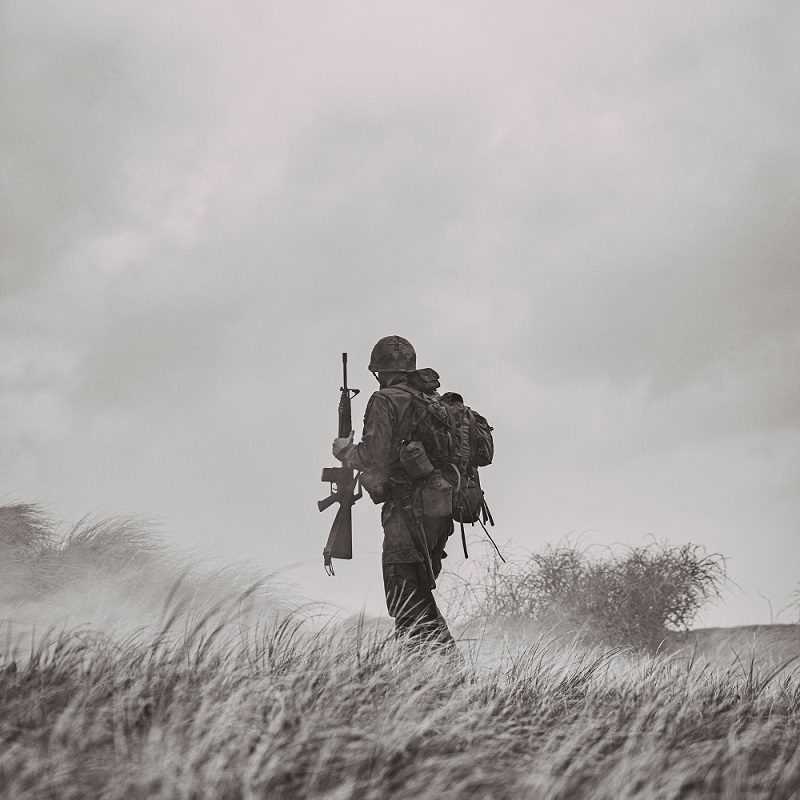
The world of military terminology is rich, unique, and full of slang that often confounds civilians but forms a critical part of the military culture. Among the many items in a soldier’s arsenal, one piece of gear that stands out is the military backpack. Whether used for survival in extreme conditions, carrying essential equipment, or providing soldiers with the means to stay operational in various environments, these backpacks are indispensable. However, military backpacks go by many different names, many of which have evolved into slang terms over time. Understanding these terms not only sheds light on the gear’s functional role but also provides insight into the military’s cultural fabric.
In this article, we’ll explore the different slang for military backpacks, their origins, the features that make them unique, and their significance in the context of military operations. By the end, you’ll gain a deeper understanding of why these backpacks are so essential to soldiers and why their slang persists in military jargon.
Что такое сленг?
Slang is a form of informal language that is often specific to a group, region, or profession. It evolves as part of the vernacular and serves to simplify or shorthand commonly understood concepts. In the military, slang plays a critical role in establishing camaraderie and identity among service members. It’s not just about shortening phrases; it’s about fostering a unique subculture that identifies those within the military community.
В случае с военными рюкзаками часто используются сленговые термины, отражающие их дизайн, функции или историческое значение. Эти термины могут различаться в зависимости от страны, рода войск или даже эпохи, но все они служат для описания необходимого снаряжения, которое солдаты носят с собой в поле.
Что такое военный рюкзак?
Военный рюкзак - это специализированное снаряжение, разработанное для того, чтобы помочь солдатам переносить необходимое снаряжение во время длительных операций. Эти рюкзаки разработаны для обеспечения долговечности, модульности и функциональности в сложных условиях. В отличие от гражданских рюкзаков, военные рюкзаки часто оснащены дополнительными функциями, улучшающими их работу в условиях стресса, включая усиленные швы, множество отделений для организационных целей и опции для интеграции дополнительного снаряжения.
Military backpacks can vary greatly depending on their intended use. Some are designed for short missions, while others are tailored for long-term survival, transport, and logistics. The nature of military operations, with their varying terrains and demands, means that soldiers need different types of backpacks to fulfill specific roles—whether it’s for carrying ammunition, medical supplies, food, water, or communications equipment.
Что такое сленг для военных рюкзаков?
Сленг для военных рюкзаков часто возникает в связи с их практическим использованием, историческим наследием или специфическими особенностями, связанными с рюкзаками. Хотя терминология может отличаться в зависимости от страны, рода войск или миссии, несколько сленговых терминов для военных рюкзаков стали общепризнанными. Ниже приведены наиболее часто используемые сленговые термины для военных рюкзаков.
1. Рюкзак
The term “rucksack” is one of the most commonly used slang terms for military backpacks. The word “ruck” is derived from the German word “Rucksack,” meaning “back sack.” It was widely adopted by English-speaking soldiers during the First World War. The rucksack is known for its capacity to carry heavy loads over long distances, and it remains a standard term in many military circles.
- Происхождение: The term “rucksack” comes from the German word “Rücken” (meaning back) and “Sack” (meaning sack). It was adopted into English in the early 20th century.
- Отличия от гражданских рюкзаков: Рюкзаки отличаются большими размерами, повышенной прочностью и модульной конструкцией. В отличие от гражданских рюкзаков, военные рюкзаки часто оснащены дополнительными ремнями, внутренними отделениями и повышенной прочностью, чтобы выдерживать суровые условия боевых действий.
2. Пакет ALICE
Аббревиатура ALICE Pack расшифровывается как All-Purpose Lightweight Individual Carrying Equipment. Этот термин относится к определенной системе военных рюкзаков, использовавшихся американскими военными с 1970-х по начало 2000-х годов. Рюкзак ALICE отличается простой, прочной конструкцией и модульными компонентами, которые позволяют солдатам военные рюкзаки на заказ для удовлетворения конкретных потребностей.
- Происхождение: The ALICE pack was introduced in the late 1960s and officially replaced the M-1945 “H” frame rucksack.
- Особенности: Рюкзак ALICE имеет легкую алюминиевую раму, регулируемые плечевые ремни и множество подсумков и отделений. Модульная конструкция позволяет солдатам крепить различные аксессуары, такие как спальные мешки, боеприпасы или рации, к внешней стороне рюкзака.
3. Сумка для путешествий или сумка для защиты от подслушивания
Go Bag или Bug-Out Bag - это рюкзак, в котором хранятся аварийные запасы и предметы первой необходимости, необходимые для быстрой эвакуации. Солдаты часто носят с собой сумку Go Bag, чтобы быстро покинуть местность в случае внезапной чрезвычайной ситуации.
- Цель: Сумка Go Bag используется в чрезвычайных ситуациях, как правило, для обеспечения основных средств выживания, таких как еда, вода, медицинские препараты и другие инструменты, необходимые для поддержания жизни в дикой или враждебной среде.
- Отличия от обычных рюкзаков: В отличие от стандартных военных рюкзаков, сумка Go Bag заранее укомплектована снаряжением для выживания, а ее содержимое тщательно подобрано, чтобы обеспечить максимальную полезность в экстренных ситуациях.
4. Сумка Duffle
The duffle bag is a cylindrical, soft-sided bag used for carrying personal gear. While it’s not strictly a “backpack” in the conventional sense, the duffle bag is commonly used by military personnel to carry clothing, personal items, and other necessities.
- Происхождение: The term “duffle” comes from Duffle, a town in Belgium, where the thick fabric originally used to make the bags was first produced.
- Использование в военном контексте: Сумки Duffle используются для транспортировки личных вещей, таких как одежда и снаряжение, особенно во время командировок или временных назначений.
5. MOLLE Pack
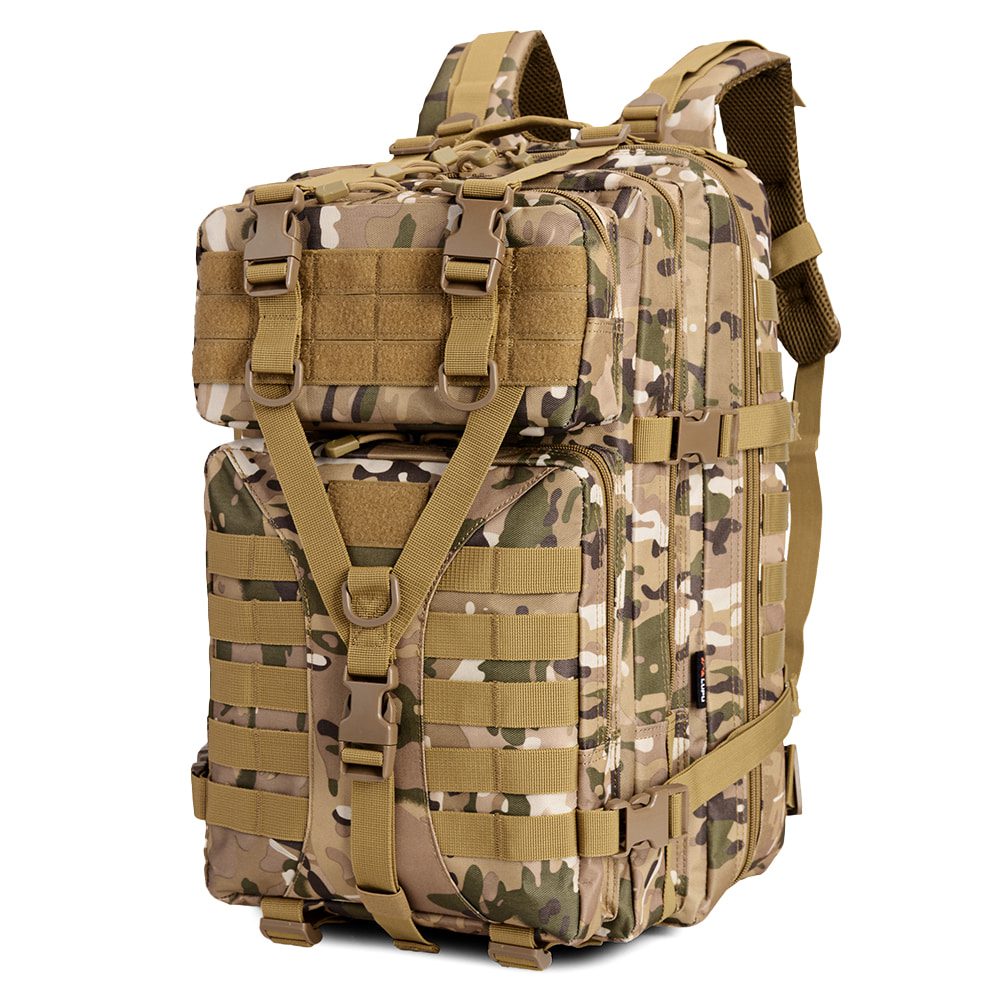
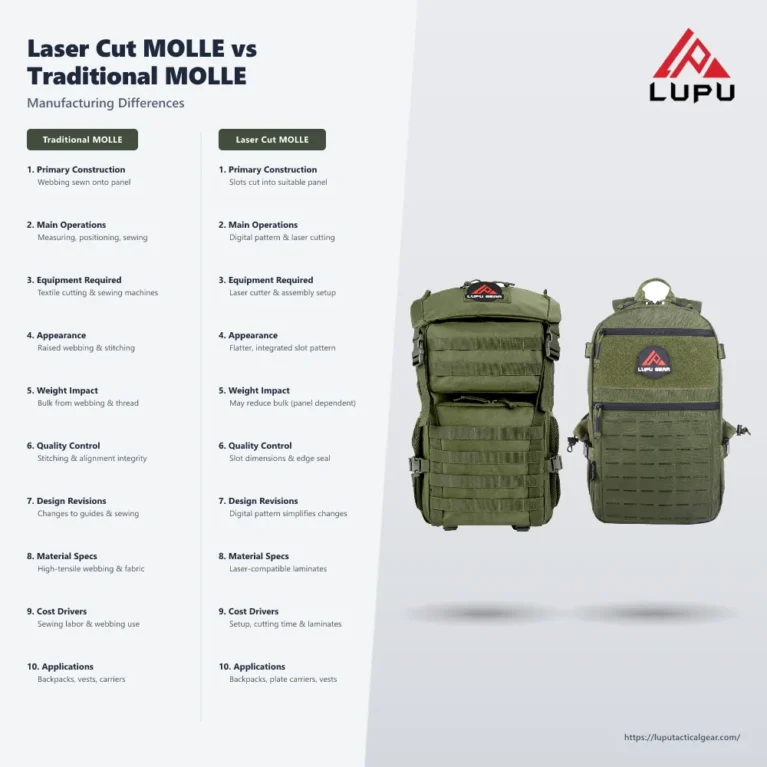
MOLLE Pack (Modular Lightweight Load-carrying Equipment) - еще один популярный термин для обозначения военного рюкзака, в частности рюкзака, использующего систему MOLLE. MOLLE - это набор ремней, позволяющих солдатам прикреплять и отсоединять различные подсумки и аксессуары, что делает рюкзак очень гибким для различных задач. Такой модульный подход обеспечивает максимальную гибкость и стал стандартом для современных военных рюкзаков.
- Происхождение: The MOLLE Pack (pronounced “Molly”) refers to a system of modular backpacks and carrying equipment that was introduced by the U.S. military in the late 1990s. The term MOLLE stands for Modular Lightweight Load-carrying Equipment. It was developed to replace the older ALICE (All-Purpose Lightweight Individual Carrying Equipment) system, which had been in service since the 1970s. MOLLE was designed to provide a more flexible, customizable, and durable system for soldiers, allowing them to carry various loads based on their mission requirements. The MOLLE system uses a webbing structure known as PALS (Pouch Attachment Ladder System), which consists of horizontal straps sewn onto the pack. These straps allow soldiers to attach various pouches, tools, and accessories as needed, enabling the pack to be tailored for different tasks, from combat to tactical operations.
- Использование в военном контексте: The MOLLE pack is widely used by military personnel for both combat and logistical purposes. The system is versatile, allowing soldiers to configure their backpacks with additional pouches for ammunition, medical supplies, water, tools, or communications equipment. The MOLLE system’s modularity makes it particularly useful for long deployments and operations in diverse environments, as soldiers can carry exactly what they need without being weighed down by unnecessary gear.
Зачем использовать сленг для обозначения военных рюкзаков?
Использование сленга для обозначения военных рюкзаков преследует несколько целей.
- Первый, Это упрощает общение, позволяя солдатам быстро называть конкретные типы рюкзаков, не прибегая к формальным формулировкам и описаниям. Это особенно полезно в боевых условиях, где время часто играет решающую роль, а краткость общения имеет решающее значение.
- Второй, slang builds camaraderie. Using specific terms to refer to military gear, including backpacks, helps foster a sense of belonging among soldiers. It’s a way to bond over shared experiences and reinforce the unique identity of military life.
Сколько существует сленговых терминов для обозначения военных рюкзаков?
Существует несколько сленговых терминов для обозначения военных рюкзаков, но наиболее распространенными являются следующие:

Рюкзак
Пакет ALICE
Сумка
Сумка для спасения
Сумка Duffle Bag
Пакет Molle
Однако существуют также региональные вариации и различные сленговые термины в зависимости от страны, рода войск и эпохи. Некоторые солдаты могут называть свои ранцы разными терминами, исходя из своих конкретных потребностей, предпочтений или поставленной задачи. Главное, что можно понять: эти сленговые термины служат практическим и культурным целям.
Как на сленге называют военные рюкзаки в разных странах?
Сленг для обозначения военных рюкзаков может значительно отличаться в разных странах. В одних странах существует своя уникальная терминология, в других - термины заимствованы из других военных традиций.
- Соединенные Штаты: Common terms include “rucksack,” “ALICE pack,” “Go bag,” “bug-out bag” and “Molle Pack
- Великобритания: The term “bergen” is often used to refer to a military rucksack, derived from the Bergen brand of backpacks widely used by British forces.
- Германия: The term “Rucksack” is still widely used, with some soldiers referring to specific packs as “Tactical Rucksack” or “MOLLE pack.”
- Австралия: Similar to the UK, Australian forces often use the term “Bergen” or “Rucksack.”
Каждая из этих стран адаптировала общую концепцию военных рюкзаков к своим потребностям и условиям эксплуатации.
Сленг для обозначения стола военных рюкзаков в разных странах
|
Страна |
Сленг для военных рюкзаков |
|
Соединенные Штаты |
рюкзак, рюкзак ALICE, сумка Go bag, сумка bug-out bag и сумка Molle Pack |
|
Великобритания |
Берген |
|
Германия |
Рюкзак, тактический рюкзак, рюкзак MOLLE |
|
Австралия |
Берген, рюкзак |
Военный сленг для обозначения рюкзаков
“Rucksack”
- Определение:Большой прочный рюкзак, используемый военными.
- Происхождение:From the German word “Rucksack” (back sack).
- Отличия от гражданских рюкзаков:Более крупные, прочные, модульные и используются для перевозки тяжелых грузов.
“ALICE Pack”
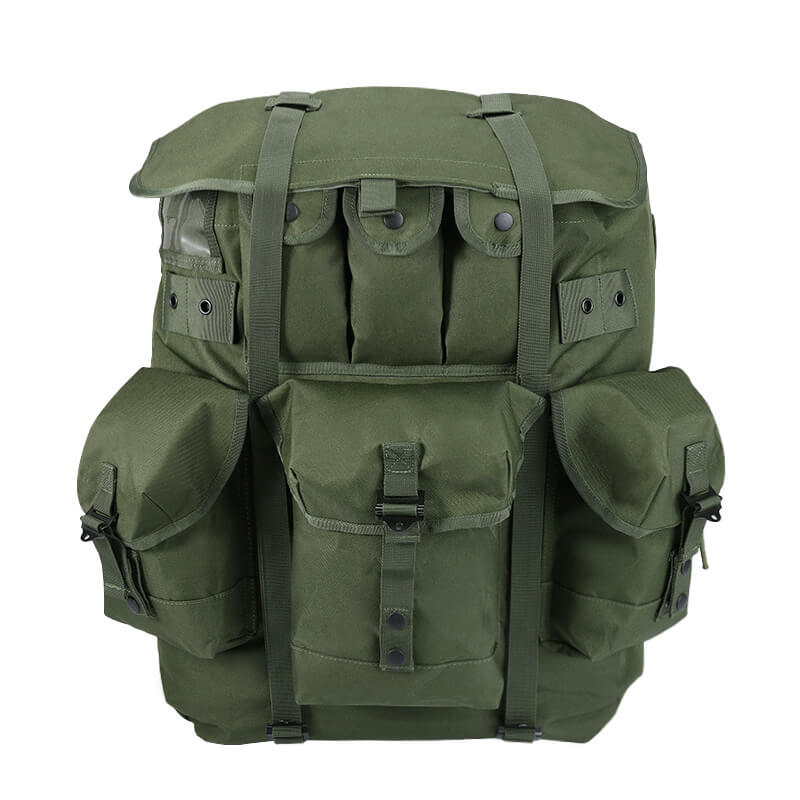
- Определение:Модульная система рюкзаков, используемая американскими военными, разработана для того, чтобы быть легкой и функциональной.
- Аббревиатура:Универсальное легкое индивидуальное оборудование для переноски.
- Историческая значимость:Заменил устаревшие ранцевые системы во время войны во Вьетнаме и прослужил до войны в Персидском заливе.
“Go Bag” or “Bug-Out Bag”
- Определение:Сумка с аварийными принадлежностями для быстрой эвакуации.
- Цель:Предназначен для выживания и чрезвычайных ситуаций, не для длительной эксплуатации.
“Duffle Bag”
- Определение:Цилиндрическая сумка, используемая для переноски личных вещей.
- Используйте:Популярны для длительных путешествий, хранения и транспортировки.
“MOLLE Pack”
- Определение:MOLLE Pack (Modular Lightweight Load-carrying Equipment Pack) - это модульная, прочная система военных рюкзаков, предназначенная для переноски снаряжения и оборудования гибким, настраиваемым способом.
- Используйте:Рюкзак MOLLE широко используется в вооруженных силах по всему миру благодаря своей адаптивности и прочности. Популярны для длительных путешествий, хранения, транспортировки, боевых действий, разведки и специальных операций.
Особенности военного рюкзака
Военные рюкзаки имеют специфические особенности, которые отличают их от гражданских рюкзаков. Некоторые ключевые особенности конструкции включают:
- Долговечность:Создан, чтобы выдерживать самые суровые условия, включая экстремальную погоду, пересеченную местность и тяжелые грузы.
- Модульность:Многие военные рюкзаки можно настраивать, добавляя или убирая подсумки, ремни и отделения по своему усмотрению.
- Функциональность:Эти рюкзаки предназначены для переноски специфического снаряжения, такого как боеприпасы, еда и вода, с отделениями и ремнями, предназначенными для равномерного распределения веса.
Роль рюкзаков в военных операциях
Военные рюкзаки - неотъемлемая часть успеха солдат на земле. Они выполняют различные функции в зависимости от обстановки:
- Несущая:Рюкзаки помогают солдатам переносить тяжелые грузы, такие как боеприпасы, медицинские препараты или средства связи.
- Распределение веса:Правильно подобранные рюкзаки равномерно распределяют вес, снижая усталость и улучшая подвижность.
- Тактическое преимущество:Специализированные рюкзаки, такие как гидратационные рюкзаки или тактические жилеты, дают солдатам преимущество в бою или в ситуациях выживания.
Эволюция сленга военных рюкзаков
Military slang evolves alongside technology, culture, and the changing needs of armed forces. When it comes to military backpacks, the language used to describe these essential pieces of gear has transformed over the decades. The evolution of military backpack slang reflects changes in design, material advancements, and the shifting nature of warfare. we’ll trace the history of military backpack slang and how different terms have come to represent varying levels of functionality and purpose.
1. Ранние сроки: “Хаверсак“ и “Упаковка“
In the early days of organized military forces, backpacks weren’t as sophisticated as they are today. Soldiers would carry their gear in simple cloth or leather bags, often referred to as “haversacks.” The term “haversack” itself comes from the German habersack, meaning “oats sack” (originally used to carry oats for horses), but by the 18th and 19th centuries, it evolved to describe any small bag used by soldiers to carry their rations, tools, or personal items.
While these bags weren’t technically backpacks, they served the same essential purpose: providing soldiers with a way to carry the items they needed to survive in the field. During this time, the term “pack” was also commonly used, a broad term that generally referred to any gear-carrying device. In these early periods, military slang for gear was less specific, as many armies used basic, non-specialized bags.
2. Первая мировая война: Рождение “Рюкзак“
По мере того как военные действия становились все более мобильными, а технологии XX века развивались, рюкзаки стали приобретать более специализированные конструкции. Во время Первой мировой войны солдатам приходилось нести более тяжелые и разнообразные грузы, включая оружие, боеприпасы, продовольствие и медикаменты. Потребность в более крупных и прочных рюкзаках привела к появлению рюкзака.
The term “rucksack” became more commonly used to describe a soldier’s primary backpack. Derived from the German words Rücken (back) and Sack (bag), this term has endured throughout modern military culture. The rucksack’s design evolved to include a more rigid frame, more compartments, and better weight distribution systems, making it the precursor to the tactical packs seen in today’s military.
3. World War II and the “ALICE Pack”
The ALICE Pack (All-purpose Lightweight Individual Carrying Equipment) is one of the most iconic examples of military backpack slang. First introduced by the U.S. military in the 1970s during the Vietnam War, the ALICE Pack was a major innovation over its predecessors. Unlike earlier rucksacks, the ALICE pack was designed for modularity, allowing soldiers to attach various pouches, water carriers, and other pieces of gear depending on their mission. This “modular” aspect gave soldiers unparalleled flexibility.
Рюкзак ALICE Pack стал основным предметом вооруженных сил США на десятилетия, повлияв на дизайн современных рюкзаков и способствуя развитию сленга для обозначения военных рюкзаков. Хотя в последние годы новые модели, такие как MOLLE, вытеснили ALICE Pack, этот термин по-прежнему широко известен и почитаем как ветеранами, так и коллекционерами.
4. The 1990s and the Rise of “Go Bags” and “Bug-Out Bags”
К концу XX века, когда появились новые военные операции и возросла важность быстрого развертывания, возник новый сленг для обозначения легких сумок, готовых к использованию в чрезвычайных ситуациях. Go Bag и Bug-Out Bags стали неотъемлемыми терминами для солдат, готовящихся к внезапному и неожиданному развертыванию. Эти небольшие, часто высокоорганизованные рюкзаки были рассчитаны на то, чтобы вместить все, что может понадобиться солдату в течение 72 часов в полевых условиях.
Go Bags gained popularity as part of the broader shift toward preparedness in military operations, where rapid mobility and emergency readiness were paramount. In these slang terms, the focus shifted from just carrying gear for extended operations to ensuring soldiers were always ready to “go” or “bug out” quickly in a crisis.
5. 2000-е - настоящее время: MOLLE Pack и современная тактическая терминология
В 2000-х годах появилась система MOLLE Pack, что означает Modular Lightweight Load-carrying Equipment (модульное легкое снаряжение для переноски грузов). С помощью системы MOLLE солдаты могли крепить различные подсумки и аксессуары к своим рюкзакам с помощью системы ремней, что позволяло бесконечно настраивать их в зависимости от требований миссии. Эта система произвела революцию в военных рюкзаках, сделав их более адаптируемыми и функциональными для широкого спектра операций.
Today, slang surrounding military backpacks continues to evolve. With modern military operations requiring extreme versatility, backpacks are designed to carry far more than the essentials. Hydration packs, camelbacks, and even assault packs—smaller, lightweight backpacks used for quick strikes—have entered the lexicon. The term “MOLLE” is now synonymous with modern military packs, and Combat Load refers to the total gear a soldier carries into battle, often described by the size of their backpack or the specific pouches attached.
Какие еще есть военные термины, сленг и жаргон, кроме сленга для военного рюкзака?
Военное дело изобилует техническим жаргоном. Ниже приведен список других военных терминов, сленга и жаргона в алфавитном порядке.
A
Воздушный пикет — Any airborne system tasked with detecting, reporting and tracking enemy aerial movements within a certain area of operation.
Альфа Чарли — Military alphabet used to represent ass chewing. Defines getting verbally reprimanded.
Anymouse — A lockbox on Navy ships where sailors may drop anonymous suggestions.
Задница — Armored vehicles such as Strykers and Tanks.
Ate-Up — Describes a service member who follows regulations so closely that they disregard the context of the situation. Conversely, may describe a service member who doesn’t understand regulations at all.
B
Пластырь — A Vietnam-era term for a medic.
Бах-бах — An Army term describing a pistol or rifle.
Большой голос — Term used to describe the loudspeaker on a military base. The Big Voice warns of everything from incoming attacks to scheduled ordnance disposal.
Птица — Helicopter.
Bitchin’ Betty — Most U.S. military aircraft feature warning systems that frequently utilize female voices. The phrase is derived from the same anthropomorphizing applied to GPS units in cars, only Bitchin’ Betty’s alert pilots to life-threatening situations.
‘Black’ on ammo, fuel, water, etc. — A common phrase denoting a particular resource is gone.
Взорвался — The state of being hit by an IED.
Голубой сокол — A euphemism for buddy **** or buddy ****er, which is slang for a backstabber.
Боло — A derogatory remark for recruits who cannot pass marksmanship training. The idea being that if one cannot use a rifle, one must resort to a bolo.
Кость — A B-1 bomber.
Бомба Bull**** — A package intended to disperse propaganda leaflets.
Значок Буллвинкля — Another name for the Air Assault Badge.
Сумка для ожогов — A bag used to hold shredded documents, designed to be burned. May also refer to a useless person.
C
Каннибализация — The act of taking workable parts of one item and using them in another.
Механик шантрапы — Medical officer who checks service members for venereal diseases.
Чарли Фокстрот — Commonly used expression utilizing the military alphabet to stand for clusterf***.
Батареи Chem-Light — A mythical object that would be extremely, functionally pointless. Often the source of fruitless hunts embarked upon by hapless privates.
Сундук с конфетами — Ribbons and medals worn on a uniform. Can be insulting or applauding.
Тарелки с курицей — Sheets of protective material, called Small Arms Protective Inserts, which are used in the Interceptor body armor system.
Комиксы — Term used to describe maps presented by military intelligence. The term is fairly derogatory in nature as a slight against the accuracy of the maps. It also refers to the brightly colored layouts and symbols usually included.
Commo — Communications equipment or the individuals who operate it. Usually given to communications officers on U.S. Navy vessels.
Боевой сапог (Прочная обувь, которую носят в боевых условиях)
CONUS — Continental United States, the 48 states on the U.S. mainland (not including Alaska or Hawaii.)
Кривошип — Navy term for a sailor pulling temporary duty in the galley.
Ловец крошек — Military slang describing the mouth.
Дробилка — Hats worn by pilots during World War II. The hat’s wide top brim would need to be crushed down to allow for headsets to be worn.
D
DD 214 (Certificate of Release or Discharge from Active Duty) — Every separated service member receives a Department of Defense (DD) Form 214 upon retirement, separation, or discharge from military service. This document states all the information related to their time of service (such as assignments, awards, dates of service, etc.) as well as the type and characterization of the discharge.
Дорогой Джон — Common term referring to a significant other breaking up with a service member through a letter.
Демилитаризованная зона — A specific area in which any type of military force — including but not limited to personnel, hardware and infrastructure — are banned.
Цифровой карлик — Usually used with a number as a prefix. X digit midget refers to the number of days till an individual goes on leave or retires.
Digies — Digital camouflage worn by soldiers and Marines.
Диттибоппер — A term in the Army referring to signals intelligence radio operators trained to utilize Morse code. Also used as a verb to describe soldiers marching out of synch with a cadence.
Дурь на веревке — Derogatory term used for air-assault soldiers.
Пылеудаление — Specifically, a medical evacuation by helicopter.
Место службы — the geographic location at which a service member is conducting official duties. This may be a temporary location for professional military education or training, or it may be permanent (i.e., home station).
Динамичная курица — Term originating in the Navy referring to chicken cacciatore or chicken a la king.
E
Встроить — When a reporter stays with the military in order to conduct journalistic business. They typically are provided with security and basic necessities provided by the unit they are embedded with.
Будущее — A casualty who is expected to pass die.
Хранитель орлов — Maintenance crew chief of an F-15.
F
Фан — A verb to describe being rebuked, called out or otherwise disparaged.
Клыки — A Marine Corps term for one’s teeth.
Мешок для пердежа — Refers to a sleeping bag or an airman’s flight suit.
Фарт и дартс — Refers to the clouds and lightning bolt embellishments found on Air Force officer caps.
Показ мод — A Naval punishment where a sailor is required to dress in each of his uniforms over a period of several hours.
Быстрый грузчик — A jet fighter. Aptly named due to the rapidity of a jet fighter’s movement.
Первый свет — The time of nautical twilight when the sun is 12 degrees below the horizon.
Пламенная ***ота — An Air Force term to describe the fiery effect of a jet plane turning on its afterburners during combat or any other military operation.
Вставка для летного костюма — Air Force slang for a pilot.
Фитти — An M2 .50 caliber machine gun.
Пятиугольный дворец-пазл — The Pentagon.
FOB (Forward Operating Base) — Larger than a COP (smaller base located in a particularly hostile area.) A FOB typically offers more resources and comfort provisions such as hot meals, hot water and laundry facilities.
Футбольная бита — An individual or way of doing things that is particularly odd.
Проекция силы — The ability of a nation-state to extend military force beyond their borders.
Четвертая точка контакта — From rolling after a successful parachute drop: a term to describe an individual’s buttocks. The first three points are feet, calves and back of the thigh.
Фруктовый салат — Slang for a service member’s display of medals and ribbons on a dress uniform.
Fugazi — Completely out of whack, ****ed up, screwy. This term originated during the Vietnam War and experienced limited use by civilians.
FUBAR (Запутанные до неузнаваемости)
G
Галопирующая перхоть — An Army term used since World War I to refer to crab lice.
Гирдо — An Army term for a soldier who spends an inordinate amount of money on gear, regardless of actual need.
Гедунк — Refers to snack foods, such as candy and chips, as well as the place they’re sold. Associated with the Navy and can be used in the phrase “gedunk sailor” as a pejorative remark for inexperienced sailors.
Гофастеры — A term for sneakers used in the Army, Navy and Marine Corps.
GOFO — Literally stands for “grasp of the ****ing obvious.”
Ушедший Элвис — A service member who is missing in action.
Виноград — A term with two meanings; one for the Air Force and one for the Navy. A Navy Grape is an individual who refuels aircraft. An Air Force Grape, on the other hand, refers to an easy assignment and can be used as a compliment when a service member makes something look easy.
Великие ошибки — The name sailors have given the Great Lakes Naval Training Center north of Chicago. It references the closing of two other training facilities in San Diego and Orlando, which both feature far more enjoyable weather.
Квадраты сетки — A nonexistent item recruits typically are told to go find.
День сурка — Term originating from the titular movie that refers to deployments that seem to proceed in the exact same way despite attempts to change them.
Жвачка для обуви — Navy slang for a sailor cryptology technician. The first CT school was located on top of a building where tar would get stuck to the bottom of students’ shoes.
Пистолет — Term for a mortar or artillery piece. Must never be used within the military to describe a pistol or rifle.
Пулеметчик — A service member who operates a crew-served weapon, such as a piece of artillery or ship’s cannon.
H
Королева ангара — An aircraft that is used primarily for spare parts to repair other planes.
Хардбол — A hard-surfaced road.
Закаленная площадка — A structure usually built under rock or concrete designed to withstand conventional, nuclear, biological and chemical attack.
Шляпа вверх — To change one’s location. Refers to the need to wear a hat for the intended destination.
Ястреб — Term for cold weather. Commonly referred to as “the hawk.”
Helo — Short-hand term for a helicopter.
Высокая скорость — An individual who is highly motivated and at or near peak efficacy. Can be used sarcastically.
Удар по шелку — Ejecting from an aircraft and utilizing a parachute.
I
СВУ (Improvised Explosive Device) — A popular weapon with insurgencies in Iraq and Afghanistan, IEDs are roughly-organized, inexpensive bombs that are be easily modified to exploit an enemy’s vulnerabilities.
Неактивный статус — Members of the Reserves who are unable to train for points, receive pay and cannot be considered for promotion.
Чернильная палочка — Marine Corps term for a pen.
Железные пайки — Rations used in an emergency survival situation.
J
Джава — Term for an Army soldier who is stationed in a desert area, named after the desert-dwelling aliens of “Star Wars.”
Тапочки Иисуса — Military-issued shower footwear.
Медаль на жокейском ремне — Derogatory term for medals given by the military to active CIA members.
Джо — Army term for a soldier. Shortened from G.I. Joe.
Совместное планирование операций — All type of planning involving joint military forces in regard to military operations, including, but not limited to, mobilization, deployment and sustainment.
K
Кинетический — Slang adjective meaning violent.
Klicks — Kilometers.
L
Королева сортира — Air Force specific term for a trainee in basic who is in charge of the team responsible for cleaning bathrooms.
Левосторонний обезьяний ключ — A nonexistent tool. Often the object of fruitless searches undertaken by recruits at the behest of more experienced service members.
Длинная свинья — Slang for when a human being is used as a source of food. Typically this happens in extremely desperate situations.
M
Крупнейшая атомная энергетика — Any nation-state with a nuclear arsenal capable of being delivered to any other nation in the world.
Идентификатор мяса — A dish or sauce that identifies what type of meat is being served. For example, cranberry sauce indicates turkey while applesauce indicates pork chops.
Мясной вагон — Slang for an ambulance or any other medical emergency vehicle.
Лунный луч — Marine term for flashlight.
MOS (Military Occupational Specialty) - Военные профессии классифицируются по кодам, которые присваиваются их специальности. В армии, морской пехоте и береговой охране это называется MOS (military occupational specialty) или MOC (military occupation code); в ВВС это называется Air Force Specialty Codes (AFSC). В ВМС используется система рейтингов и система Navy Enlisted Classification (NEC). Министерство обороны перечисляет более 7 000 кодов, обозначающих различные профессиональные навыки, которые человек может выполнять во время службы.
Движется, как вода в пруду — Moving so slowly that a unique term is required to describe it.
Mustang — Term referring to any officer who was promoted from the enlisted ranks. Can be used respectfully or pejoratively.
MRE (Блюда, готовые к употреблению)
N
Гайка к болту — The instruction used to tell soldiers to line up in a tight, forward-facing line wherein one’s nuts are in extreme proximity to the butt of the soldier before them.
O
OCONUS – “Outside of the Continental United States”
OEF (Операция "Несокрушимая свобода") - Боевая операция, в которой ветераны могли участвовать в поддержку войны с терроризмом, где театр военных действий находился в Афганистане.
Officer’s Candy — Navy term used by sailors to describe the scented cake placed in urinals.
Офицер палубы — Any officer charged with the operation of a ship. Reports to the commanding officer, executive officer and navigator for relevant issues and concerns.
OIF (Операция "Иракская свобода") — The combat operation that Veterans may have deployed to in support of the War on Terror where the theater of operations was in Iraq.
За холмом — Missing in action or someone who officially has gone missing from their post.
Кислородный вор — A biting piece of slang for someone who’s useless or talks too much.
P
Средство для удаления глаз — A nonexistent item used by sailors to trick new service members into a fruitless search. Pad-eyes are used to secure airplanes with chains.
PCS (постоянная смена места службы) — When a service member and their family from one geographic unit location to another due to orders for a new assignment. This is not temporary; thus, the use of the word “permanent.
Танк для людей — A U.S. Navy term for the inner hull of a submarine.
Толкатель таблеток — A U.S. Navy term for a hospital corpsman.
Розовый туман — A distinct effect created by certain types of gunshot wounds.
Pogey Bait — Snack food. A “pogue” is an individual who does not serve on the frontlines and performs non-combat-oriented roles. “Pogey bait” is, subsequently, a bribe given to these individuals in exchange for expedited or high-quality services.
Pollywog — A sailor who has not crossed the equator on a U.S. Navy ship.
Пиратская лужа — Member of the Coast Guard. So called due to a fallacious belief that the Coast Guard never operates in deep water.
PX Ranger — An individual who purchases, from the Post Exchange, paraphernalia unique to certain prestigious ranks or occupations and passes them off as though they earned the items.
Q
Набережная — A man-made structure between a shore and land that can be used by ships to berth and is typically an area for handling cargo.
R
Радуга — A new recruit in basic training.
Красная команда — A body of experts on a specific topic who are instructed to research and suggest alternative methods regarding a planned course of action.
Рейдер Ремингтон — A somewhat derogatory term used for Marines given the harrowing task of performing office duties.
Скалы и отмели — U.S. Navy rules and regulations.
Роторная головка — A helicopter pilot.
Поднимайтесь — “Ruck” is short for “ruck sack,” which refers to backpacks service members sometimes wear. To “ruck up” is to get through a particularly challenging or stressful situation.
S
Салат-бар — Service ribbons found on a military uniform.
Песочница – A desert area, specifically either Iraq or Kuwait. To say this is a short list is an understatement. Having a “cheat sheet” of commonly used terms is helpful for your hiring managers to refer to and use in interviewing and hiring. As an employer, work with your veteran hires to teach them common lingo and jargon for your company and industry, and accept that it might take time for your veteran employees to break old habits.
Сержант (Сержант)
Яичница-глазунья — The embellishments found on some officer’s caps.
Самоходные мешки для песка — A derogatory term for a Marine based on their emphasis on fighting on the front lines.
Shavetail — Second lieutenants in the U.S. Army. It primarily refers to the haircuts received in Officer Candidate School. The term’s origins date to the time when the Army used pack animals, and handlers shaved the tail of newly broken animals to distinguish them from those more seasoned.
Shellback — A sailor who has crossed the equator on a U.S. Navy ship. Responsible for turning all Pollywogs into Shellbacks once they cross the equator themselves.
Пожиратель змей — Member of the U.S. Army Special Forces.
S*** на черепице — A piece of toast with gravy.
Небесный цветок — A deployed parachute.
Тонкий рукав — A sailor who has not yet earned a rank that requires decoration on the sleeves.
Дым — To punish a service member with excessive physical work due to a minor infraction.
Шлицевая передача — Any equipment meant for use in cold weather.
Мыльная стружка — A psychological operations (PSYOPS) tactic where fake letters from an enemy’s home country are written and placed on bodies and battle wreckage. They include sentimental content, hint at the infidelity of loved ones back home and are designed to demoralize combatants.
Сэндвич с супом — An individual, object, situation or mission that has gone horribly wrong. The thrust of the term’s meaning derives from the fact that it is incredibly difficult, some would say impossible, to make a sandwich out of soup.
Свуп — Marine term for a weekend trip off base.
T
Тако — An Air Force term for receiving an “unsatisfactory” grade on a training exercise due to the vague taco-shape of the letter “u.”
Танго Униформа — Slang for “tits up,” which is the position dead bodies tend to face. The term can be applied to the deceased as well as broken pieces of equipment.
Целевая дискриминация — The capability of a surveillance or guidance system to choose certain targets when multiple options are presented.
Обезьяна в окопе — A derogatory term referring to a member of the U.S. Army.
Twidget — A sailor who repairs electronic equipment. Suggested by user X-USN-DS1.
Тактическое снаряжение (Снаряжение для боевых действий)
U
Un-Ass — To move immediately or leave one’s current position.
Uncle Sam’s Canoe Club — A U.S. Navy term for the U.S. Coast Guard.
Идентификационный код устройства — An alphanumeric, six-character string that identifies all active, reserve, and guard units of the United States military.
V
Голос в небе — Term referring to military base announcements broadcast over speakers.
Voluntold — An assignment that is technically voluntary but understood to be mandatory.
W
Оружие массового поражения — Weapons that can cause destruction or death beyond the ability of conventional weapons. These typically are nuclear, biological, chemical, radiological or high-yield explosive in nature. This definition does not include the vehicle, or transportation method, of delivering the weapon.
Z
Зона действия — A smaller section of a larger area. Typically these are under the purview of a tactical unit, usually during an offensive maneuver.
Zoomie — Term used by non-flying service members for anyone who operates a flying vehicle.
Заключение
Military backpacks are far more than just a convenient way to carry supplies—they are a key element in a soldier’s operational success. The slang terms associated with these backpacks not only reflect their functionality but also the military culture from which they arise. Whether it’s the “rucksack,” the “ALICE pack,” or the “Go bag,” each term holds a unique place in военные традиция.
What do you think about the evolution of military backpack slang? Do you have any personal experiences or knowledge of military gear you’d like to share? Drop a comment below and join the conversation! If you’re an enthusiast of tactical gear, consider exploring different military backpacks and their histories to gain a deeper appreciation of the equipment that soldiers rely on.
Конечно, если вы владелец бренда, розничный продавец, оптовый продавец или продавец электронной коммерции с массовыми потребностями в персонализации или оптовой торговле, вы также можете связаться с LUPU Производитель тактического снаряжения на заказ или оптом.
Рекомендуем статьи:
Топ-50: список мировых брендов тактического снаряжения
12 лучших производителей рюкзаков в Великобритании