Введение
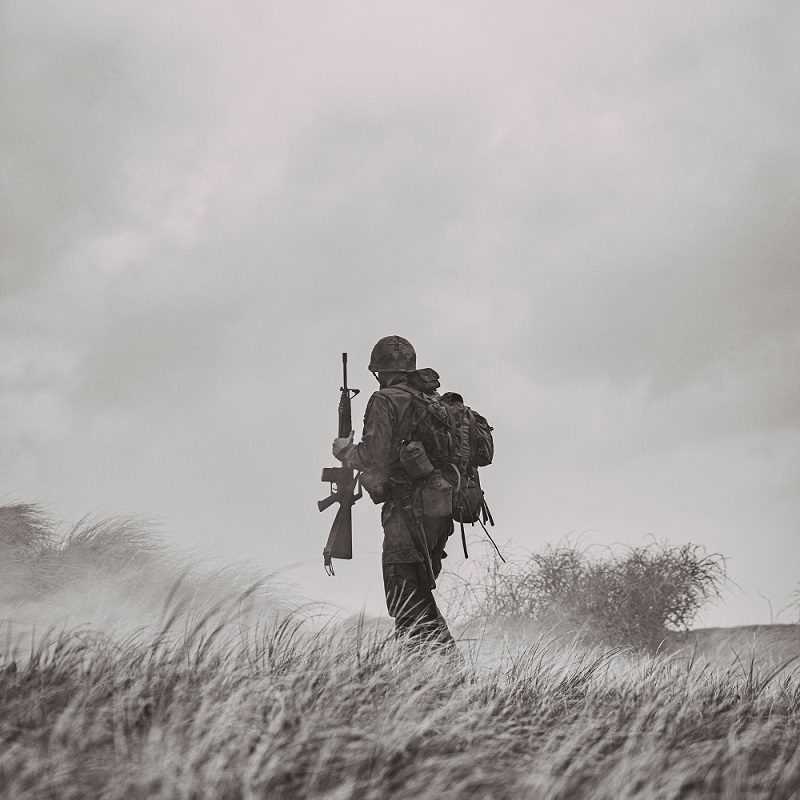
Мир военной терминологии богат, уникален и полон сленга, который часто ставит в тупик гражданских, но является важнейшей частью военной культуры. Среди множества предметов, входящих в арсенал солдата, особо выделяется военный рюкзак. Независимо от того, используется ли он для выживания в экстремальных условиях, переноски необходимого снаряжения или обеспечения солдат средствами для поддержания боеготовности в различных условиях, эти рюкзаки незаменимы. Однако военные рюкзаки имеют множество различных названий, многие из которых со временем превратились в сленговые термины. Понимание этих терминов не только проливает свет на функциональную роль снаряжения, но и дает представление о культурной ткани армии.
В этой статье мы рассмотрим различные сленговые обозначения военных рюкзаков, их происхождение, особенности, которые делают их уникальными, и их значение в контексте военных операций. В конце статьи вы получите более глубокое понимание того, почему эти рюкзаки так необходимы солдатам и почему их сленг сохранился в военном жаргоне.
Что такое сленг?
Сленг - это форма неформального языка, часто характерная для определенной группы, региона или профессии. Он развивается как часть жаргона и служит для упрощения или сокращения общепринятых понятий. В армии сленг играет важную роль в формировании товарищества и самосознания военнослужащих. Это не просто сокращение фраз, это формирование уникальной субкультуры, которая идентифицирует военнослужащих.
В случае с военными рюкзаками часто используются сленговые термины, отражающие их дизайн, функции или историческое значение. Эти термины могут различаться в зависимости от страны, рода войск или даже эпохи, но все они служат для описания необходимого снаряжения, которое солдаты носят с собой в поле.
Что такое военный рюкзак?
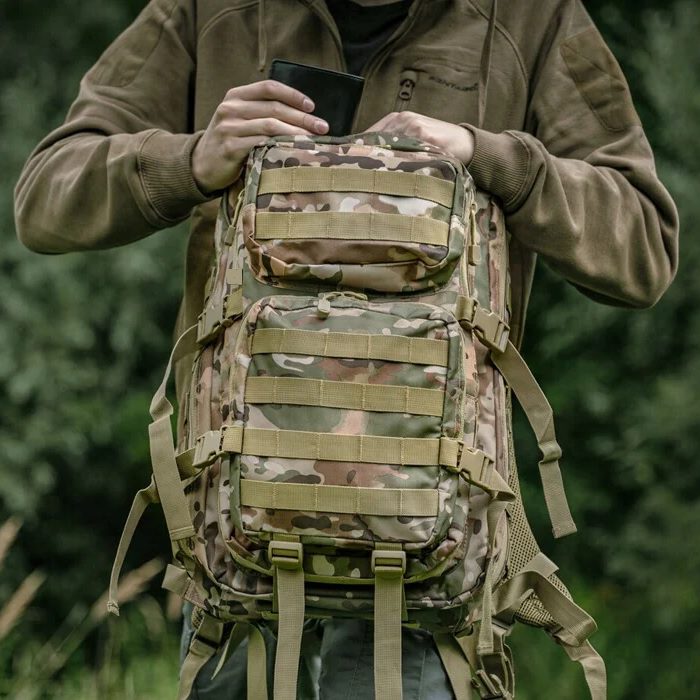
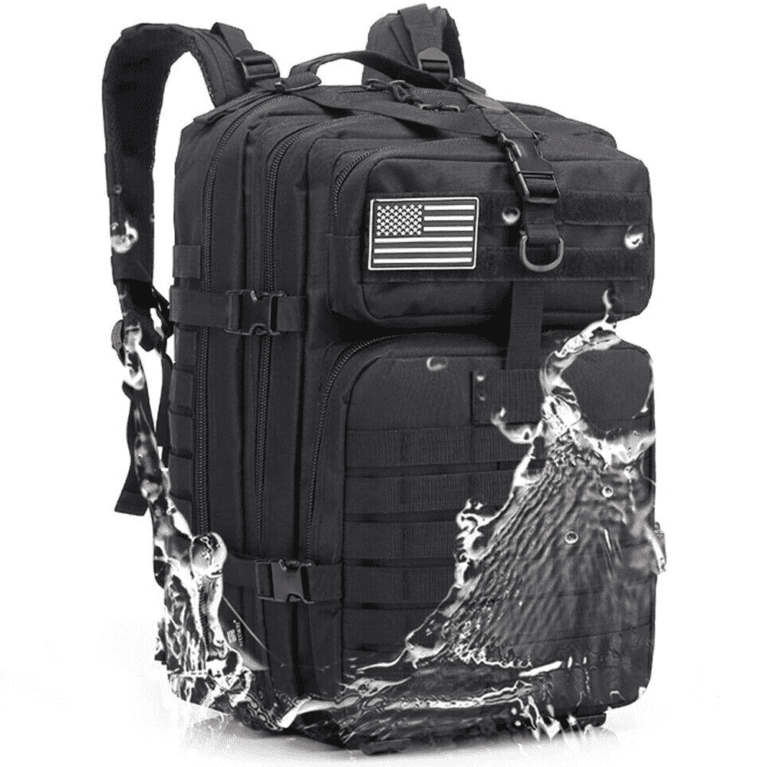
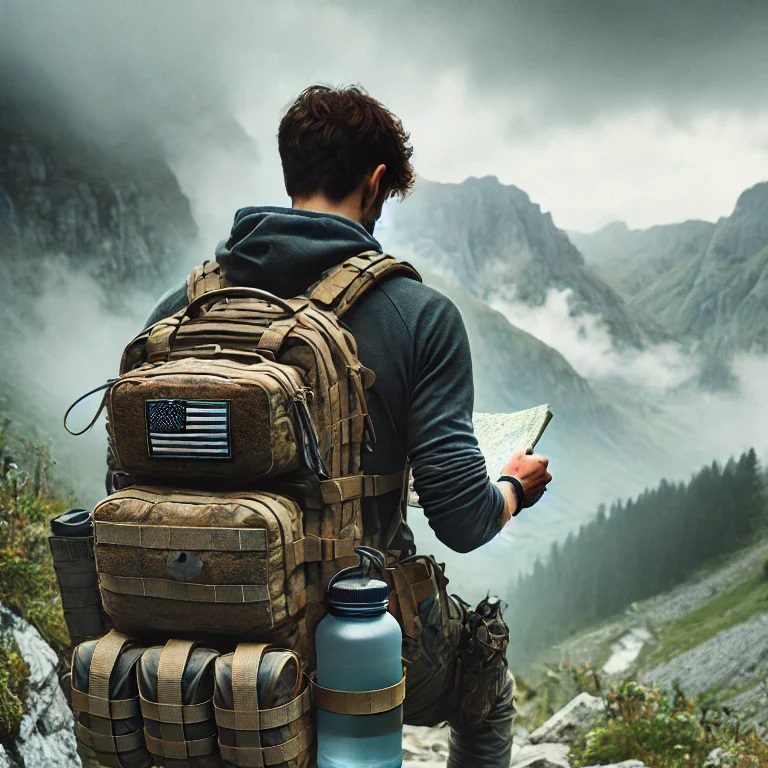
Военный рюкзак - это специализированное снаряжение, разработанное для того, чтобы помочь солдатам переносить необходимое снаряжение во время длительных операций. Эти рюкзаки разработаны для обеспечения долговечности, модульности и функциональности в сложных условиях. В отличие от гражданских рюкзаков, военные рюкзаки часто оснащены дополнительными функциями, улучшающими их работу в условиях стресса, включая усиленные швы, множество отделений для организационных целей и опции для интеграции дополнительного снаряжения.
Военные рюкзаки могут сильно различаться в зависимости от их предназначения. Одни предназначены для коротких миссий, другие - для длительного выживания, транспортировки и логистики. Характер военных операций с их разнообразными местностями и требованиями означает, что солдатам нужны разные типы рюкзаков для выполнения определенных функций - будь то переноска боеприпасов, медикаментов, еды, воды или средств связи.
Что такое сленг для военных рюкзаков?
Сленг для военных рюкзаков часто возникает в связи с их практическим использованием, историческим наследием или специфическими особенностями, связанными с рюкзаками. Хотя терминология может отличаться в зависимости от страны, рода войск или миссии, несколько сленговых терминов для военных рюкзаков стали общепризнанными. Ниже приведены наиболее часто используемые сленговые термины для военных рюкзаков.
1. Рюкзак
Термин "рюкзак" - один из самых распространенных сленговых терминов, обозначающих военные рюкзаки. Слово "ruck" происходит от немецкого слова "Rucksack", что означает "задний мешок". Оно было широко распространено среди англоязычных солдат во время Первой мировой войны. Рюкзак известен своей способностью переносить тяжелые грузы на большие расстояния, и он остается стандартным термином во многих военных кругах.
- Происхождение: Термин "рюкзак" происходит от немецких слов "Rücken" (что означает "спина") и "Sack" (что означает "мешок"). В английский язык он перешел в начале XX века.
- Отличия от гражданских рюкзаков: Рюкзаки отличаются большими размерами, повышенной прочностью и модульной конструкцией. В отличие от гражданских рюкзаков, военные рюкзаки часто оснащены дополнительными ремнями, внутренними отделениями и повышенной прочностью, чтобы выдерживать суровые условия боевых действий.
2. Пакет ALICE
Аббревиатура ALICE Pack расшифровывается как All-Purpose Lightweight Individual Carrying Equipment. Этот термин относится к определенной системе военных рюкзаков, использовавшихся американскими военными с 1970-х по начало 2000-х годов. Рюкзак ALICE отличается простой, прочной конструкцией и модульными компонентами, которые позволяют солдатам военные рюкзаки на заказ для удовлетворения конкретных потребностей.
- Происхождение: Рюкзак ALICE был представлен в конце 1960-х годов и официально заменил рюкзак M-1945 с рамой "H".
- Особенности: Рюкзак ALICE имеет легкую алюминиевую раму, регулируемые плечевые ремни и множество подсумков и отделений. Модульная конструкция позволяет солдатам крепить различные аксессуары, такие как спальные мешки, боеприпасы или рации, к внешней стороне рюкзака.
3. Сумка для путешествий или сумка для защиты от подслушивания
Go Bag или Bug-Out Bag - это рюкзак, в котором хранятся аварийные запасы и предметы первой необходимости, необходимые для быстрой эвакуации. Солдаты часто носят с собой сумку Go Bag, чтобы быстро покинуть местность в случае внезапной чрезвычайной ситуации.
- Цель: Сумка Go Bag используется в чрезвычайных ситуациях, как правило, для обеспечения основных средств выживания, таких как еда, вода, медицинские препараты и другие инструменты, необходимые для поддержания жизни в дикой или враждебной среде.
- Отличия от обычных рюкзаков: В отличие от стандартных военных рюкзаков, сумка Go Bag заранее укомплектована снаряжением для выживания, а ее содержимое тщательно подобрано, чтобы обеспечить максимальную полезность в экстренных ситуациях.
4. Сумка Duffle
Сумка duffle - это цилиндрическая сумка с мягкими стенками, используемая для переноски личного снаряжения. Хотя это не совсем "рюкзак" в обычном понимании, вещевой мешок обычно используется военными для переноски одежды, личных вещей и других предметов первой необходимости.
- Происхождение: Термин "даффл" происходит от названия города Даффл в Бельгии, где впервые была произведена плотная ткань, из которой изначально изготавливались сумки.
- Использование в военном контексте: Сумки Duffle используются для транспортировки личных вещей, таких как одежда и снаряжение, особенно во время командировок или временных назначений.
5. MOLLE Pack
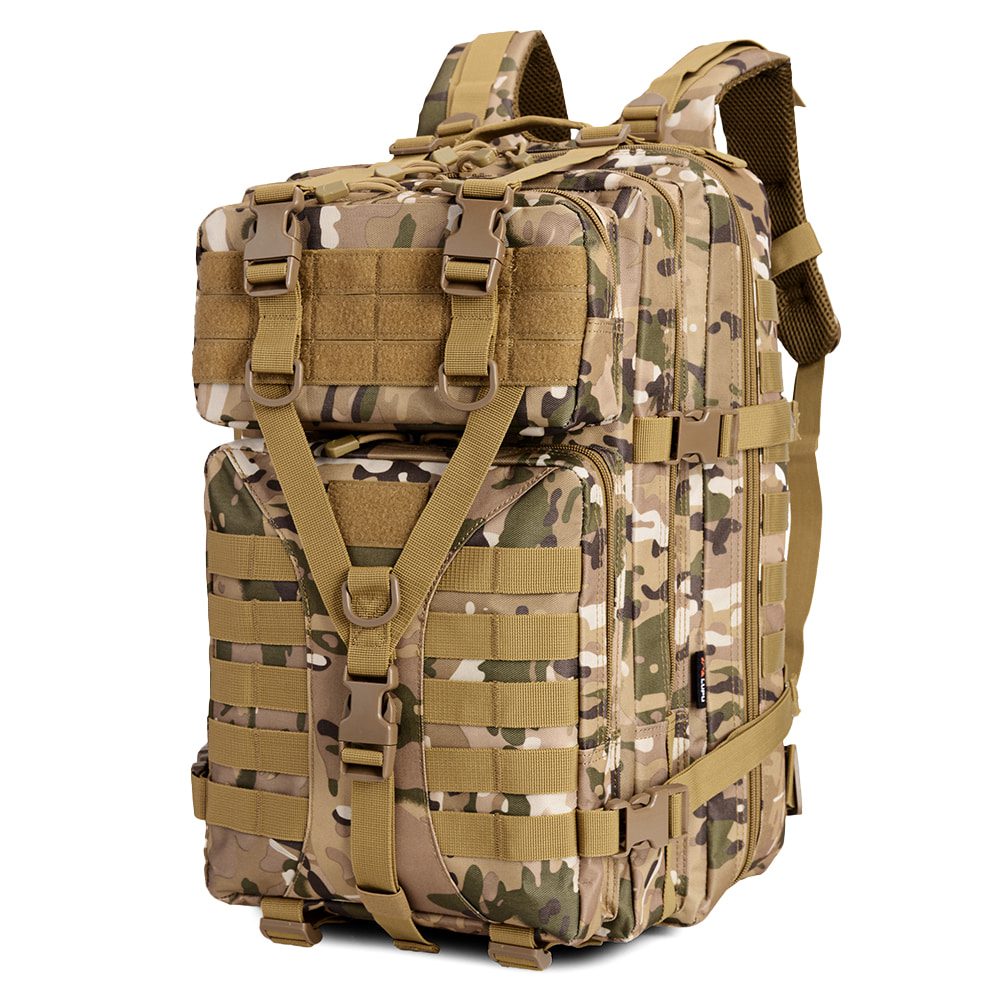
MOLLE Pack (Modular Lightweight Load-carrying Equipment) - еще один популярный термин для обозначения военного рюкзака, в частности рюкзака, использующего систему MOLLE. MOLLE - это набор ремней, позволяющих солдатам прикреплять и отсоединять различные подсумки и аксессуары, что делает рюкзак очень гибким для различных задач. Такой модульный подход обеспечивает максимальную гибкость и стал стандартом для современных военных рюкзаков.
- Происхождение: MOLLE Pack (произносится как "Молли") - это система модульных рюкзаков и снаряжения для переноски грузов, которая была введена американскими военными в конце 1990-х годов. Термин MOLLE расшифровывается как Modular Lightweight Load-carrying Equipment. Она была разработана для замены устаревшей системы ALICE (All-Purpose Lightweight Individual Carrying Equipment), которая использовалась с 1970-х годов. MOLLE была разработана для того, чтобы обеспечить солдатам более гибкую, настраиваемую и прочную систему, позволяющую переносить различные грузы в зависимости от требований миссии. В системе MOLLE используется система крепления подсумков, известная как PALS (Pouch Attachment Ladder System), которая состоит из горизонтальных ремней, пришитых к ранцу. Эти ремни позволяют солдатам крепить различные подсумки, инструменты и аксессуары по мере необходимости, что дает возможность адаптировать рюкзак для выполнения различных задач, от боевых до тактических операций.
- Использование в военном контексте: Рюкзак MOLLE широко используется военнослужащими как в боевых, так и в логистических целях. Эта система универсальна и позволяет солдатам оснащать свои рюкзаки дополнительными подсумками для боеприпасов, медикаментов, воды, инструментов или средств связи. Модульность системы MOLLE делает ее особенно полезной при длительных командировках и операциях в различных условиях, поскольку солдаты могут нести именно то, что им нужно, не обременяя себя лишним снаряжением.
Зачем использовать сленг для обозначения военных рюкзаков?
Использование сленга для обозначения военных рюкзаков преследует несколько целей.
- Первый, Это упрощает общение, позволяя солдатам быстро называть конкретные типы рюкзаков, не прибегая к формальным формулировкам и описаниям. Это особенно полезно в боевых условиях, где время часто играет решающую роль, а краткость общения имеет решающее значение.
- Второй, Сленг способствует укреплению товарищества. Использование специальных терминов для обозначения военного снаряжения, в том числе рюкзаков, способствует формированию чувства принадлежности у солдат. Это способ сблизиться из-за общего опыта и укрепить уникальную самобытность военной жизни.
Сколько существует сленговых терминов для обозначения военных рюкзаков?
Существует несколько сленговых терминов для обозначения военных рюкзаков, но наиболее распространенными являются следующие:

Рюкзак
Пакет ALICE
Сумка
Сумка для спасения
Сумка Duffle Bag
Пакет Molle
Однако существуют также региональные вариации и различные сленговые термины в зависимости от страны, рода войск и эпохи. Некоторые солдаты могут называть свои ранцы разными терминами, исходя из своих конкретных потребностей, предпочтений или поставленной задачи. Главное, что можно понять: эти сленговые термины служат практическим и культурным целям.
Как на сленге называют военные рюкзаки в разных странах?
Сленг для обозначения военных рюкзаков может значительно отличаться в разных странах. В одних странах существует своя уникальная терминология, в других - термины заимствованы из других военных традиций.
- Соединенные Штаты: Распространенные термины: "рюкзак", "ALICE pack", "Go bag", "bug-out bag" и "Molle Pack".
- Великобритания: Термин "берген" часто используется для обозначения военного рюкзака, что происходит от марки рюкзаков Bergen, широко используемых в британских войсках.
- Германия: Термин "рюкзак" по-прежнему широко используется, а некоторые солдаты называют конкретные рюкзаки "тактическим рюкзаком" или "рюкзаком MOLLE"."
- Австралия: Как и в Великобритании, в австралийских войсках часто используется термин "берген" или "рюкзак"."
Каждая из этих стран адаптировала общую концепцию военных рюкзаков к своим потребностям и условиям эксплуатации.
Сленг для обозначения стола военных рюкзаков в разных странах
|
Страна |
Сленг для военных рюкзаков |
|
Соединенные Штаты |
рюкзак, рюкзак ALICE, сумка Go bag, сумка bug-out bag и сумка Molle Pack |
|
Великобритания |
Берген |
|
Германия |
Рюкзак, тактический рюкзак, рюкзак MOLLE |
|
Австралия |
Берген, рюкзак |
Военный сленг для обозначения рюкзаков
"Рюкзак"
- Определение:Большой прочный рюкзак, используемый военными.
- Происхождение:От немецкого слова "Rucksack" (задний мешок).
- Отличия от гражданских рюкзаков:Более крупные, прочные, модульные и используются для перевозки тяжелых грузов.
"ALICE Pack"
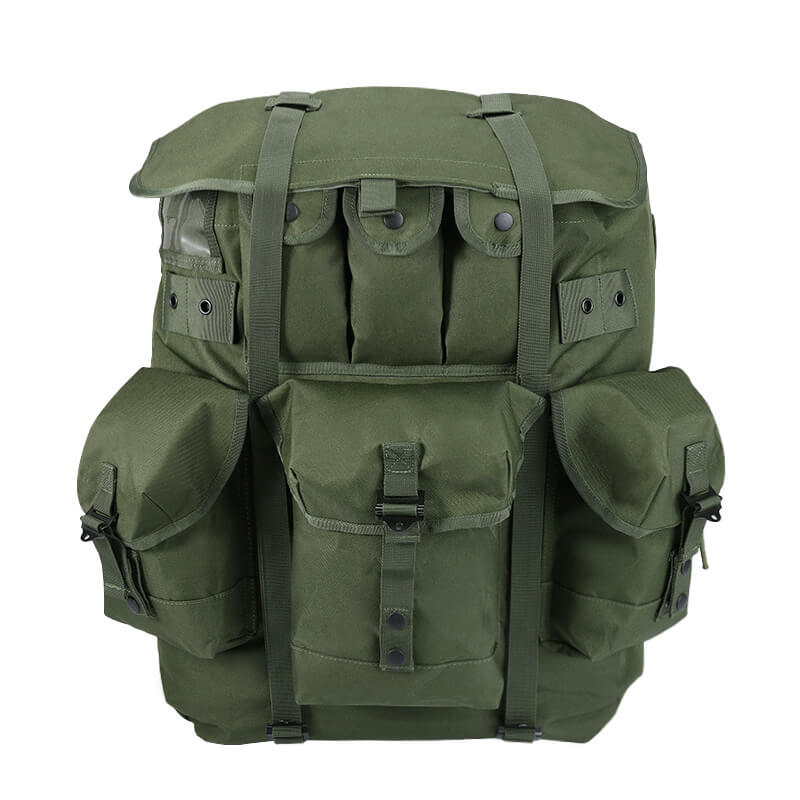
- Определение:Модульная система рюкзаков, используемая американскими военными, разработана для того, чтобы быть легкой и функциональной.
- Аббревиатура:Универсальное легкое индивидуальное оборудование для переноски.
- Историческая значимость:Заменил устаревшие ранцевые системы во время войны во Вьетнаме и прослужил до войны в Персидском заливе.
"Сумка для поездок" или "Сумка для эвакуации"
- Определение:Сумка с аварийными принадлежностями для быстрой эвакуации.
- Цель:Предназначен для выживания и чрезвычайных ситуаций, не для длительной эксплуатации.
"Сумка Даффл"
- Определение:Цилиндрическая сумка, используемая для переноски личных вещей.
- Используйте:Популярны для длительных путешествий, хранения и транспортировки.
"MOLLE Pack"
- Определение:MOLLE Pack (Modular Lightweight Load-carrying Equipment Pack) - это модульная, прочная система военных рюкзаков, предназначенная для переноски снаряжения и оборудования гибким, настраиваемым способом.
- Используйте:Рюкзак MOLLE широко используется в вооруженных силах по всему миру благодаря своей адаптивности и прочности. Популярны для длительных путешествий, хранения, транспортировки, боевых действий, разведки и специальных операций.
Особенности военного рюкзака
Военные рюкзаки имеют специфические особенности, которые отличают их от гражданских рюкзаков. Некоторые ключевые особенности конструкции включают:
- Долговечность:Создан, чтобы выдерживать самые суровые условия, включая экстремальную погоду, пересеченную местность и тяжелые грузы.
- Модульность:Многие военные рюкзаки можно настраивать, добавляя или убирая подсумки, ремни и отделения по своему усмотрению.
- Функциональность:Эти рюкзаки предназначены для переноски специфического снаряжения, такого как боеприпасы, еда и вода, с отделениями и ремнями, предназначенными для равномерного распределения веса.
Роль рюкзаков в военных операциях
Военные рюкзаки - неотъемлемая часть успеха солдат на земле. Они выполняют различные функции в зависимости от обстановки:
- Несущая:Рюкзаки помогают солдатам переносить тяжелые грузы, такие как боеприпасы, медицинские препараты или средства связи.
- Распределение веса:Правильно подобранные рюкзаки равномерно распределяют вес, снижая усталость и улучшая подвижность.
- Тактическое преимущество:Специализированные рюкзаки, такие как гидратационные рюкзаки или тактические жилеты, дают солдатам преимущество в бою или в ситуациях выживания.
Эволюция сленга военных рюкзаков
Военный сленг развивается вместе с технологиями, культурой и меняющимися потребностями вооруженных сил. Когда речь заходит о военных рюкзаках, язык, используемый для описания этих важнейших предметов снаряжения, менялся на протяжении десятилетий. Эволюция сленга военных рюкзаков отражает изменения в дизайне, совершенствование материалов и меняющийся характер военных действий. Мы проследим историю сленга военных рюкзаков и то, как различные термины стали обозначать различные уровни функциональности и назначения.
1. Ранние сроки: "Хаверсак" и "Упаковка"
На заре становления организованных вооруженных сил рюкзаки не были такими сложными, как сегодня. Солдаты носили свое снаряжение в простых матерчатых или кожаных сумках, которые часто называли "гаверсаками". Сам термин "haversack" происходит от немецкого habersack, что означает "мешок с овсом" (первоначально использовался для перевозки овса для лошадей), но в XVIII и XIX веках он стал обозначать любую небольшую сумку, используемую солдатами для переноски пайков, инструментов или личных вещей.
Хотя технически эти сумки не были рюкзаками, они служили той же основной цели: предоставляли солдатам возможность переносить предметы, необходимые для выживания в полевых условиях. В это время также широко использовался термин "вьюк" - широкое понятие, обозначавшее любое устройство для переноски снаряжения. В эти ранние периоды военный сленг для обозначения снаряжения был менее конкретным, поскольку многие армии использовали базовые, неспециализированные сумки.
2. Первая мировая война: Рождение "Рюкзак"
По мере того как военные действия становились все более мобильными, а технологии XX века развивались, рюкзаки стали приобретать более специализированные конструкции. Во время Первой мировой войны солдатам приходилось нести более тяжелые и разнообразные грузы, включая оружие, боеприпасы, продовольствие и медикаменты. Потребность в более крупных и прочных рюкзаках привела к появлению рюкзака.
Термин "рюкзак" стал чаще использоваться для обозначения основного рюкзака солдата. Происходящий от немецких слов Rücken (спина) и Sack (мешок), этот термин сохранился в современной военной культуре. Конструкция рюкзака эволюционировала и стала включать в себя более жесткую раму, большее количество отделений и лучшую систему распределения веса, что сделало его предшественником тактических ранцев, используемых в современной армии.
3. Вторая мировая война и "Пакет ALICE"
ALICE Pack (All-purpose Lightweight Individual Carrying Equipment) - один из самых знаковых примеров сленга военных рюкзаков. Впервые появившись на вооружении армии США в 1970-х годах во время войны во Вьетнаме, ALICE Pack стал серьезным новшеством по сравнению со своими предшественниками. В отличие от более ранних рюкзаков, рюкзак ALICE был разработан по модульному принципу, позволяя солдатам прикреплять различные подсумки, носители для воды и другие элементы снаряжения в зависимости от поставленной задачи. Модульная конструкция обеспечивала солдатам беспрецедентную гибкость.
Рюкзак ALICE Pack стал основным предметом вооруженных сил США на десятилетия, повлияв на дизайн современных рюкзаков и способствуя развитию сленга для обозначения военных рюкзаков. Хотя в последние годы новые модели, такие как MOLLE, вытеснили ALICE Pack, этот термин по-прежнему широко известен и почитаем как ветеранами, так и коллекционерами.
4. 1990-е годы и появление "сумок для поездок" и "сумок для эвакуации"
К концу XX века, когда появились новые военные операции и возросла важность быстрого развертывания, возник новый сленг для обозначения легких сумок, готовых к использованию в чрезвычайных ситуациях. Go Bag и Bug-Out Bags стали неотъемлемыми терминами для солдат, готовящихся к внезапному и неожиданному развертыванию. Эти небольшие, часто высокоорганизованные рюкзаки были рассчитаны на то, чтобы вместить все, что может понадобиться солдату в течение 72 часов в полевых условиях.
Сумки Go Bags приобрели популярность в рамках более широкого перехода к готовности в военных операциях, где быстрая мобильность и готовность к чрезвычайным ситуациям имели первостепенное значение. В этих сленговых терминах акцент сместился с простого ношения снаряжения для длительных операций на обеспечение постоянной готовности солдат к быстрому "уходу" или "выходу" в кризисной ситуации.
5. 2000-е - настоящее время: MOLLE Pack и современная тактическая терминология
В 2000-х годах появилась система MOLLE Pack, что означает Modular Lightweight Load-carrying Equipment (модульное легкое снаряжение для переноски грузов). С помощью системы MOLLE солдаты могли крепить различные подсумки и аксессуары к своим рюкзакам с помощью системы ремней, что позволяло бесконечно настраивать их в зависимости от требований миссии. Эта система произвела революцию в военных рюкзаках, сделав их более адаптируемыми и функциональными для широкого спектра операций.
Сегодня сленг, связанный с военными рюкзаками, продолжает развиваться. Поскольку современные военные операции требуют чрезвычайной универсальности, рюкзаки предназначены для переноски далеко не только самого необходимого. В лексикон вошли гидратационные рюкзаки, кэмелбэки и даже штурмовые рюкзаки - небольшие, легкие рюкзаки, используемые для быстрых ударов. Термин "MOLLE" стал синонимом современных военных рюкзаков, а под боевой нагрузкой понимается общее количество снаряжения, которое солдат несет с собой в бой, часто описываемое размером рюкзака или специальными подсумками.
Какие еще есть военные термины, сленг и жаргон, кроме сленга для военного рюкзака?
Военное дело изобилует техническим жаргоном. Ниже приведен список других военных терминов, сленга и жаргона в алфавитном порядке.
A
Воздушный пикет -- Любая воздушная система, задача которой - обнаруживать, сообщать и отслеживать воздушные перемещения противника в пределах определенной зоны действия.
Альфа Чарли -- Военный алфавит, используемый для обозначения жевания задницы. Определяет получение устного выговора.
Anymouse -- Ящик на кораблях ВМФ, куда моряки могут опускать анонимные предложения.
Задница -- Бронетехника, например, страйкеры и танки.
Ate-Up -- Описывает военнослужащего, который настолько точно следует правилам, что не обращает внимания на контекст ситуации. И наоборот, может описывать военнослужащего, который вообще не понимает правил.
B
Пластырь -- Вьетнамский термин, обозначающий медика.
Бах-бах -- Армейский термин, обозначающий пистолет или винтовку.
Большой голос -- Термин, используемый для описания громкоговорителя на военной базе. Большой голос предупреждает обо всем, начиная от приближающихся атак и заканчивая плановой утилизацией боеприпасов.
Птица -- Вертолет.
Стервозная Бетти -- Большинство американских военных самолетов оснащены системами оповещения, в которых часто используются женские голоса. Фраза происходит от той же антропоморфизации, что и GPS-навигаторы в автомобилях, только 'Сучка Бетти" предупреждает пилотов об опасных для жизни ситуациях.
'Черная' на патронах, топливе, воде и т.д. - Распространенная фраза, обозначающая определенный ресурс, исчезла.
Взорвался -- Состояние, когда в тебя попадает самодельное взрывное устройство.
Голубой сокол -- Эвфемизм для обозначения приятеля **** или приятеля ****er, что на сленге означает предателя.
Боло -- Уничижительное выражение для новобранцев, которые не могут пройти обучение меткой стрельбе. Смысл в том, что если человек не может использовать винтовку, он должен прибегнуть к боло.
Кость -- Бомбардировщик B-1.
Бомба Bull**** -- Пакет, предназначенный для разбрасывания пропагандистских листовок.
Значок Буллвинкля -- Другое название значка "Воздушный штурм".
Сумка для ожогов -- Мешок для хранения измельченных документов, предназначенный для сжигания. Может также обозначать бесполезного человека.
C
Каннибализация -- Акт извлечения работоспособных частей одного предмета и использования их в другом.
Механик шантрапы -- Медицинский работник, проверяющий военнослужащих на наличие венерических заболеваний.
Чарли Фокстрот -- Общепринятое выражение, использующее военный алфавит для обозначения кластерф***.
Батареи Chem-Light -- Мифический предмет, который крайне и функционально бессмыслен. Часто является источником бесплодных охот, затеваемых незадачливыми рядовыми.
Сундук с конфетами -- Ленты и медали, носимые на форме. Могут быть оскорбительными или аплодирующими.
Тарелки с курицей -- Листы защитного материала, называемые Small Arms Protective Inserts, которые используются в системе бронежилетов Interceptor.
Комиксы -- Термин, используемый для описания карт, представленных военной разведкой. Этот термин носит довольно уничижительный характер, как выпад против точности карт. Он также относится к ярким цветным макетам и символам, которые обычно включены в них.
Commo -- Оборудование связи или люди, которые им управляют. Обычно выдается офицерам связи на кораблях ВМС США.
Боевой сапог (Прочная обувь, которую носят в боевых условиях)
CONUS -- Континентальные Соединенные Штаты, 48 штатов на материковой части США (не включая Аляску и Гавайи).
Кривошип -- ВМС - термин, обозначающий матроса, несущего временную службу на камбузе.
Ловец крошек -- Военный сленг, описывающий рот.
Дробилка -- Шляпы, которые носили летчики во время Второй мировой войны. Широкий верхний край шляпы должен быть сжат, чтобы можно было надевать наушники.
D
DD 214 (Certificate of Release or Discharge from Active Duty) -- Каждый уволенный военнослужащий получает форму 214 Министерства обороны (DD) после выхода на пенсию, увольнения или увольнения с военной службы. В этом документе указывается вся информация, связанная с периодом службы (например, назначения, награды, даты службы и т. д.), а также тип и характеристика увольнения.
Дорогой Джон -- Распространенный термин, означающий разрыв отношений с военнослужащим через письмо.
Демилитаризованная зона -- Конкретная зона, в которой запрещены любые виды вооруженных сил - включая персонал, технику и инфраструктуру, но не ограничиваясь ими.
Цифровой карлик -- Обычно используется с числом в качестве префикса. X-значный карлик означает количество дней до ухода человека в отпуск или на пенсию.
Digies -- Цифровой камуфляж, который носят солдаты и морские пехотинцы.
Диттибоппер -- Термин, используемый в армии для обозначения радиооператоров сигнальной разведки, обученных пользоваться азбукой Морзе. Также используется как глагол для описания солдат, марширующих не синхронно с каденцией.
Дурь на веревке -- Уничижительный термин, используемый для обозначения солдат воздушно-штурмовых войск.
Пылеудаление -- В частности, медицинская эвакуация на вертолете.
Место службы -- Географическое место, в котором военнослужащий выполняет свои служебные обязанности. Это может быть временное место для прохождения профессионального военного обучения или подготовки, а может быть и постоянное (т. е. место службы).
Динамичная курица -- Термин, возникший на флоте и обозначающий курицу каччаторе или курицу а-ля кинг.
E
Встроить -- Когда репортер остается с военными для ведения журналистской деятельности. Как правило, им обеспечивается безопасность и предметы первой необходимости, предоставляемые подразделением, в которое они внедрены.
Будущее -- Пострадавший, который, как ожидается, умрет.
Хранитель орлов -- Начальник экипажа F-15.
F
Фан -- Глагол, обозначающий упрек, оклик или иное уничижение.
Клыки -- Термин морской пехоты, обозначающий зубы.
Мешок для пердежа -- Относится к спальному мешку или летному костюму летчика.
Фарт и дартс -- Означает украшение в виде облаков и молний на фуражках офицеров ВВС.
Показ мод -- Военно-морское наказание, при котором матрос должен одеваться в каждую из своих форм в течение нескольких часов.
Быстрый грузчик -- Реактивный истребитель. Свое название получил благодаря стремительности движения истребителя.
Первый свет -- Время морских сумерек, когда солнце находится на 12 градусов ниже горизонта.
Пламенная ***ота -- Термин ВВС, обозначающий огненный эффект от включения форсажа реактивного самолета во время боя или любой другой военной операции.
Вставка для летного костюма -- Сленг ВВС, обозначающий пилота.
Фитти -- Пулемет M2 50-го калибра.
Пятиугольный дворец-пазл -- Пентагон.
FOB (Forward Operating Base) - больше, чем COP (меньшая база, расположенная в особо враждебном районе). FOB обычно предлагает больше ресурсов и удобств, таких как горячее питание, горячая вода и прачечная.
Футбольная бита -- Человек или способ действий, который является особенно странным.
Проекция силы -- Способность национального государства распространять военную силу за пределы своих границ.
Четвертая точка контакта -- От перекатывания после удачного падения с парашютом: термин для описания ягодиц человека. Первые три точки - это ступни, икры и задняя поверхность бедра.
Фруктовый салат -- Сленг для обозначения медалей и лент на парадной форме военнослужащего.
Fugazi -- Совершенно не в духе, **** не в духе, не в порядке. Этот термин возник во время войны во Вьетнаме и ограниченно использовался гражданскими лицами.
FUBAR (Запутанные до неузнаваемости)
G
Галопирующая перхоть -- Армейский термин, используемый со времен Первой мировой войны для обозначения крабовых вшей.
Гирдо -- Армейский термин, обозначающий солдата, который тратит непомерное количество денег на снаряжение, независимо от реальной необходимости.
Гедунк -- Относится к закускам, таким как конфеты и чипсы, а также к месту их продажи. Связано с военно-морским флотом и может использоваться во фразе "gedunk sailor" как уничижительное замечание в адрес неопытных моряков.
Гофастеры -- Термин, обозначающий кроссовки, используемый в армии, флоте и морской пехоте.
GOFO -- Буквально означает "постижение **** очевидного"."
Ушедший Элвис -- Военнослужащий, пропавший без вести в ходе боевых действий.
Виноград -- Термин с двумя значениями: одно для ВВС, другое для ВМС. ВМС Grape - это человек, который заправляет самолеты. Air Force Grape, с другой стороны, означает легкое задание и может использоваться в качестве комплимента, когда военнослужащий делает что-то легким.
Великие ошибки -- Так моряки назвали учебный центр ВМС на Великих озерах к северу от Чикаго. Оно связано с закрытием двух других учебных центров в Сан-Диего и Орландо, которые отличаются гораздо более приятной погодой.
Квадраты сетки -- Несуществующий предмет, который обычно велят найти новобранцам.
День сурка -- Термин, происходящий от названия фильма и обозначающий развертывание, которое, кажется, происходит совершенно одинаково, несмотря на попытки изменить его.
Жвачка для обуви -- На военно-морском сленге так называли матроса-техника по криптологии. Первая школа КТ располагалась на вершине здания, где смола прилипала к подошвам ботинок студентов.
Пистолет -- Термин для обозначения миномета или артиллерийского орудия. Никогда не должен использоваться в армии для обозначения пистолета или винтовки.
Пулеметчик -- Военнослужащий, управляющий оружием, обслуживаемым экипажем, например, артиллерийским орудием или корабельной пушкой.
H
Королева ангара -- Самолет, который используется в основном для получения запасных частей для ремонта других самолетов.
Хардбол -- Дорога с твердым покрытием.
Закаленная площадка -- сооружение, обычно построенное под камнем или бетоном, предназначенное для защиты от обычных, ядерных, биологических и химических атак.
Шляпа вверх -- Изменить свое местоположение. Относится к необходимости носить шляпу по назначению.
Ястреб -- Термин, обозначающий холодную погоду. Обычно его называют "ястреб"."
Helo -- Сокращенный термин для обозначения вертолета.
Высокая скорость -- Человек, имеющий высокую мотивацию и находящийся на пике эффективности. Может использоваться с сарказмом.
Удар по шелку -- Катапультирование из самолета и использование парашюта.
I
СВУ (Improvised Explosive Device) - популярное оружие повстанцев в Ираке и Афганистане, СВУ - это грубо организованные, недорогие бомбы, которые легко модифицировать, чтобы использовать уязвимые места противника.
Неактивный статус -- Члены Резерва, которые не могут тренироваться для получения очков, получают зарплату и не могут рассматриваться на повышение.
Чернильная палочка -- Термин морской пехоты, обозначающий ручку.
Железные пайки -- Пайки, используемые в чрезвычайных ситуациях выживания.
J
Джава -- Термин для обозначения армейского солдата, расквартированного в пустынной местности, названный в честь обитающих в пустыне инопланетян из "Звездных войн"."
Тапочки Иисуса -- Военная обувь для душа.
Медаль на жокейском ремне -- Уничижительный термин для обозначения медалей, выдаваемых военными действующим сотрудникам ЦРУ.
Джо -- Армейский термин для обозначения солдата. Сокращение от G.I. Joe.
Совместное планирование операций -- Все виды планирования совместных вооруженных сил в отношении военных операций, включая, но не ограничиваясь, мобилизацию, развертывание и поддержание.
K
Кинетический -- Сленговое прилагательное, означающее "жестокий".
Klicks -- Километры.
L
Королева сортира -- Термин, используемый в ВВС для обозначения стажера, который возглавляет команду, отвечающую за уборку санузлов.
Левосторонний обезьяний ключ -- Несуществующий инструмент. Часто становится объектом бесплодных поисков, которые ведут новобранцы по указанию более опытных служащих.
Длинная свинья -- Сленг, означающий, когда человека используют в качестве источника пищи. Обычно это происходит в крайне отчаянных ситуациях.
M
Крупнейшая атомная энергетика -- Любое государство, обладающее ядерным арсеналом, способным нанести удар по любой другой стране мира.
Идентификатор мяса -- Блюдо или соус, обозначающий вид подаваемого мяса. Например, клюквенный соус обозначает индейку, а яблочный соус - свиные отбивные.
Мясной вагон -- Сленг, обозначающий машину скорой помощи или любое другое транспортное средство для оказания неотложной медицинской помощи.
Лунный луч -- Морской термин для обозначения фонаря.
MOS (Military Occupational Specialty) - Военные профессии классифицируются по кодам, которые присваиваются их специальности. В армии, морской пехоте и береговой охране это называется MOS (military occupational specialty) или MOC (military occupation code); в ВВС это называется Air Force Specialty Codes (AFSC). В ВМС используется система рейтингов и система Navy Enlisted Classification (NEC). Министерство обороны перечисляет более 7 000 кодов, обозначающих различные профессиональные навыки, которые человек может выполнять во время службы.
Движется, как вода в пруду -- Движется настолько медленно, что для его описания требуется уникальный термин.
Mustang -- Термин, относящийся к любому офицеру, получившему повышение из рядового состава. Может использоваться как уважительно, так и уничижительно.
MRE (Блюда, готовые к употреблению)
N
Гайка к болту -- Указание солдатам выстраиваться в плотную, впередсмотрящую линию, при которой яйца солдата находятся в непосредственной близости от приклада солдата, стоящего перед ним.
O
OCONUS - "За пределами континентальных Соединенных Штатов"
OEF (Операция "Несокрушимая свобода") - Боевая операция, в которой ветераны могли участвовать в поддержку войны с терроризмом, где театр военных действий находился в Афганистане.
Офицерские конфеты -- Военно-морской термин, используемый моряками для обозначения ароматизированной лепешки, помещаемой в писсуары.
Офицер палубы -- Любой офицер, отвечающий за управление кораблем. Докладывает командиру, исполнительному офицеру и штурману по соответствующим вопросам и проблемам.
OIF (Операция "Иракская свобода") -- Боевая операция, в которой ветераны могли участвовать в поддержку войны с терроризмом, если театр военных действий находился в Ираке.
За холмом -- Пропавший без вести в бою или тот, кто официально пропал без вести на своем посту.
Кислородный вор -- Язвительный сленг, обозначающий человека, который бесполезен или слишком много говорит.
P
Средство для удаления глаз -- Несуществующий предмет, используемый моряками, чтобы обмануть новичков в бесплодных поисках. Пад-глаз используется для крепления самолетов цепями.
PCS (постоянная смена места службы) -- Когда военнослужащий и его семья переезжают из одного географического пункта в другой в связи с приказом о новом назначении. Это не временное явление, поэтому используется слово "постоянный".
Танк для людей -- Термин ВМС США, обозначающий внутренний корпус подводной лодки.
Толкатель таблеток -- Термин ВМС США, обозначающий санитара госпиталя.
Розовый туман -- Особый эффект, возникающий при некоторых видах огнестрельных ранений.
Pogey Bait -- Закуски. Пог" - это человек, который не служит на передовой и выполняет не боевые функции. Впоследствии "приманка для погея" - это взятка, которую дают таким людям в обмен на ускоренное или качественное обслуживание.
Pollywog -- Моряк, не пересекавший экватор на корабле ВМС США.
Пиратская лужа -- Член береговой охраны. Так называется из-за ошибочного мнения, что береговая охрана никогда не работает на большой глубине.
PX Ranger -- Человек, который приобретает на почтовой бирже атрибутику, присущую определенным престижным званиям или профессиям, и выдает ее за свою заслугу.
Q
Набережная -- Искусственное сооружение между берегом и сушей, которое может использоваться судами для стоянки и, как правило, является зоной для обработки грузов.
R
Радуга -- Новобранец на базовой подготовке.
Красная команда -- Группа экспертов по определенной теме, которым поручено изучить и предложить альтернативные методы в отношении запланированного курса действий.
Рейдер Ремингтон -- Несколько уничижительный термин, используемый для обозначения морских пехотинцев, которым поручено выполнять тяжелую работу в офисе.
Скалы и отмели -- Правила и положения ВМС США.
Роторная головка -- Пилот вертолета.
Поднимайтесь -- "Ruck" - это сокращение от "ruck sack", что означает рюкзаки, которые иногда носят военнослужащие. "Разгребать" - значит преодолевать особо сложную или стрессовую ситуацию.
S
Салат-бар -- Служебные ленты на военной форме.
Песочница - Пустынная местность, а именно Ирак или Кувейт. Сказать, что это короткий список, значит преуменьшить. Шпаргалка" с общеупотребительными терминами пригодится вашим менеджерам по подбору персонала, чтобы они могли обращаться к ней и использовать при проведении собеседований и приеме на работу. Как работодатель, работайте со своими сотрудниками-ветеранами, обучая их общему жаргону вашей компании и отрасли, и примите тот факт, что вашим сотрудникам-ветеранам может потребоваться время, чтобы отказаться от старых привычек.
Сержант (Сержант)
Яичница-глазунья -- Украшения на некоторых офицерских фуражках.
Самоходные мешки для песка -- Уничижительный термин для морпехов, основанный на том, что они предпочитают сражаться на передовой.
Shavetail -- Вторые лейтенанты в армии США. В первую очередь это относится к стрижкам, которые делают в Школе кандидатов в офицеры. Истоки термина восходят к тому времени, когда в армии использовались вьючные животные, и дрессировщики брили хвосты только что пойманным животным, чтобы отличить их от более опытных.
Shellback -- Моряк, пересекший экватор на корабле ВМС США. Отвечает за превращение всех Полливогов в Шеллбэков, когда они сами пересекают экватор.
Пожиратель змей -- Член сил специального назначения армии США.
S*** на черепице -- Кусок тоста с подливкой.
Небесный цветок -- Развернутый парашют.
Тонкий рукав -- Моряк, который еще не получил звание, требующее украшений на рукавах.
Дым -- Наказывать военнослужащего чрезмерным физическим трудом из-за незначительного нарушения.
Шлицевая передача -- Любое оборудование, предназначенное для использования в холодную погоду.
Мыльная стружка -- Тактика психологических операций (PSYOPS), при которой поддельные письма из родной страны противника пишутся и кладутся на тела и обломки боевых машин. Они содержат сентиментальное содержание, намекают на неверность близких на родине и призваны деморализовать комбатантов.
Сэндвич с супом -- Человек, объект, ситуация или миссия, которая пошла ужасно не так. Смысл этого термина вытекает из того факта, что сделать сэндвич из супа невероятно трудно, а некоторые говорят, что невозможно.
Свуп -- Морской термин для обозначения поездки на выходные за пределы базы.
T
Тако -- Термин ВВС, означающий получение оценки "неудовлетворительно" на тренировке из-за неясной такообразной формы буквы "u"."
Танго Униформа -- Сленг, означающий "набок", то есть положение, в котором обычно находятся трупы. Термин может применяться как к покойникам, так и к сломанным частям оборудования.
Целевая дискриминация -- Способность системы наблюдения или наведения выбирать определенные цели при наличии нескольких вариантов.
Обезьяна в окопе -- Уничижительный термин, обозначающий военнослужащего армии США.
Twidget -- Моряк, ремонтирующий электронное оборудование. Предложено пользователем X-USN-DS1.
Тактическое снаряжение (Снаряжение для боевых действий)
U
Un-Ass -- Немедленно переехать или покинуть свое нынешнее место.
Каноэ-клуб дяди Сэма -- Термин ВМС США, обозначающий береговую охрану США.
Идентификационный код устройства -- Буквенно-цифровая строка из шести символов, которая идентифицирует все действующие, резервные и гвардейские подразделения вооруженных сил США.
V
Голос в небе -- Термин, обозначающий объявления на военных базах, передаваемые через громкоговорители.
Voluntold -- Задание, которое технически является добровольным, но понимается как обязательное.
W
Оружие массового поражения -- Оружие, способное вызвать разрушения или смерть, превосходящие возможности обычного оружия. Как правило, это ядерное, биологическое, химическое, радиологическое или высокомощное взрывное оружие. Это определение не включает в себя средство или способ доставки оружия.
Z
Зона действия -- Небольшой участок большой территории. Обычно они находятся в ведении тактического подразделения, как правило, во время наступательного маневра.
Zoomie -- Термин, используемый нелетающими военнослужащими для обозначения любого, кто управляет летательным аппаратом.
Заключение
Военные рюкзаки - это не просто удобный способ переноски вещей, это ключевой элемент успеха солдата в бою. Сленговые термины, связанные с этими рюкзаками, отражают не только их функциональность, но и военную культуру, на основе которой они возникли. Будь то "рюкзак", "ALICE pack" или "Go bag", каждый термин занимает уникальное место в военные традиция.
Что вы думаете об эволюции сленга военных рюкзаков? Есть ли у вас личный опыт или знания о военном снаряжении, которыми вы хотели бы поделиться? Оставьте свой комментарий ниже и присоединяйтесь к обсуждению! Если вы любитель тактического снаряжения, изучите различные военные рюкзаки и их историю, чтобы глубже понять, на что опираются солдаты.
Конечно, если вы владелец бренда, розничный продавец, оптовый продавец или продавец электронной коммерции с массовыми потребностями в персонализации или оптовой торговле, вы также можете связаться с LUPU Производитель тактического снаряжения на заказ или оптом.
Рекомендуем статьи:
Топ-50: список мировых брендов тактического снаряжения
12 лучших производителей рюкзаков в Великобритании