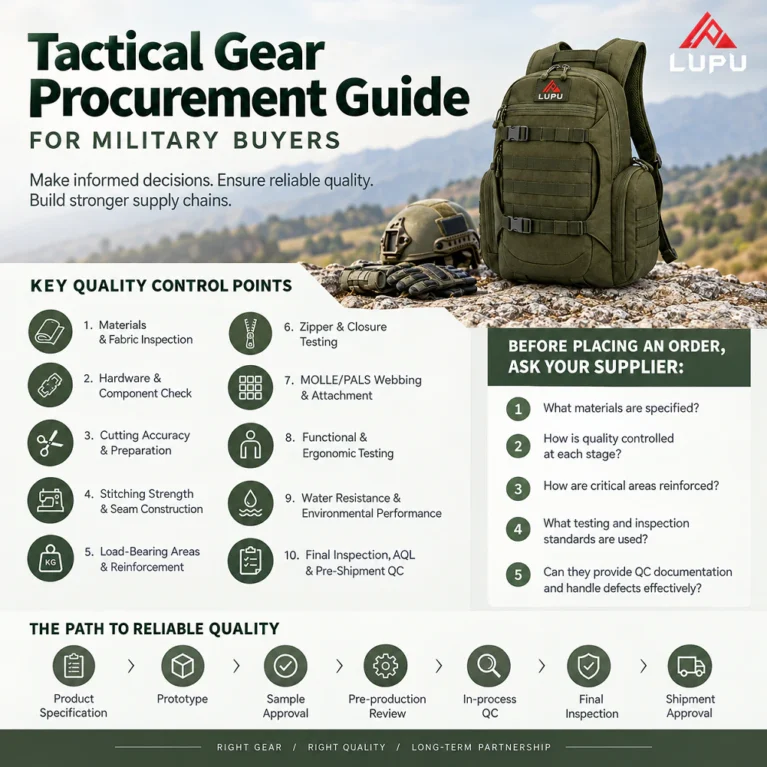
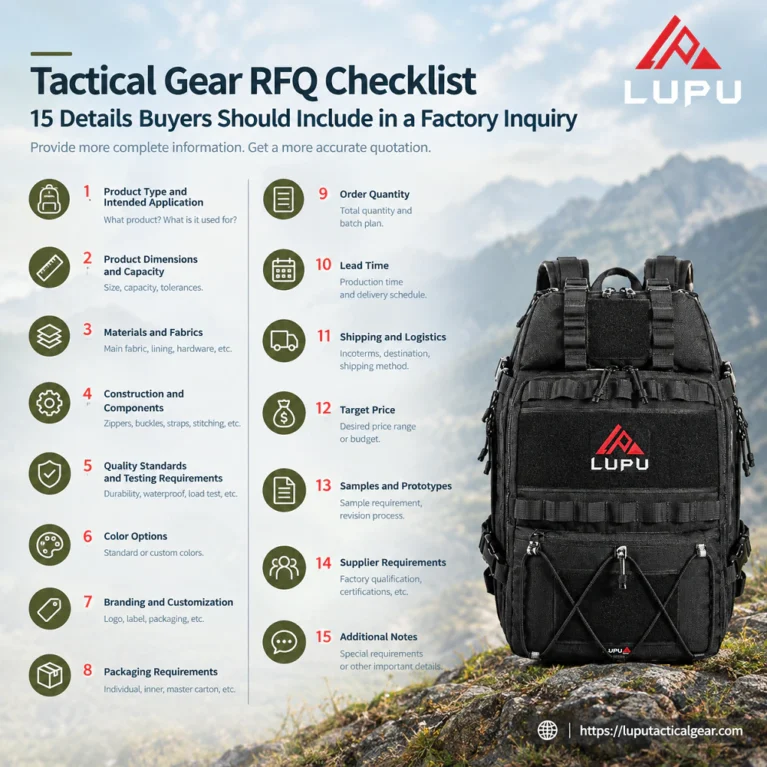
Introduction: Why Construction Standards Are the Core of Smart Sourcing When Comparing Military Backpacks vs. Hiking Backpacks
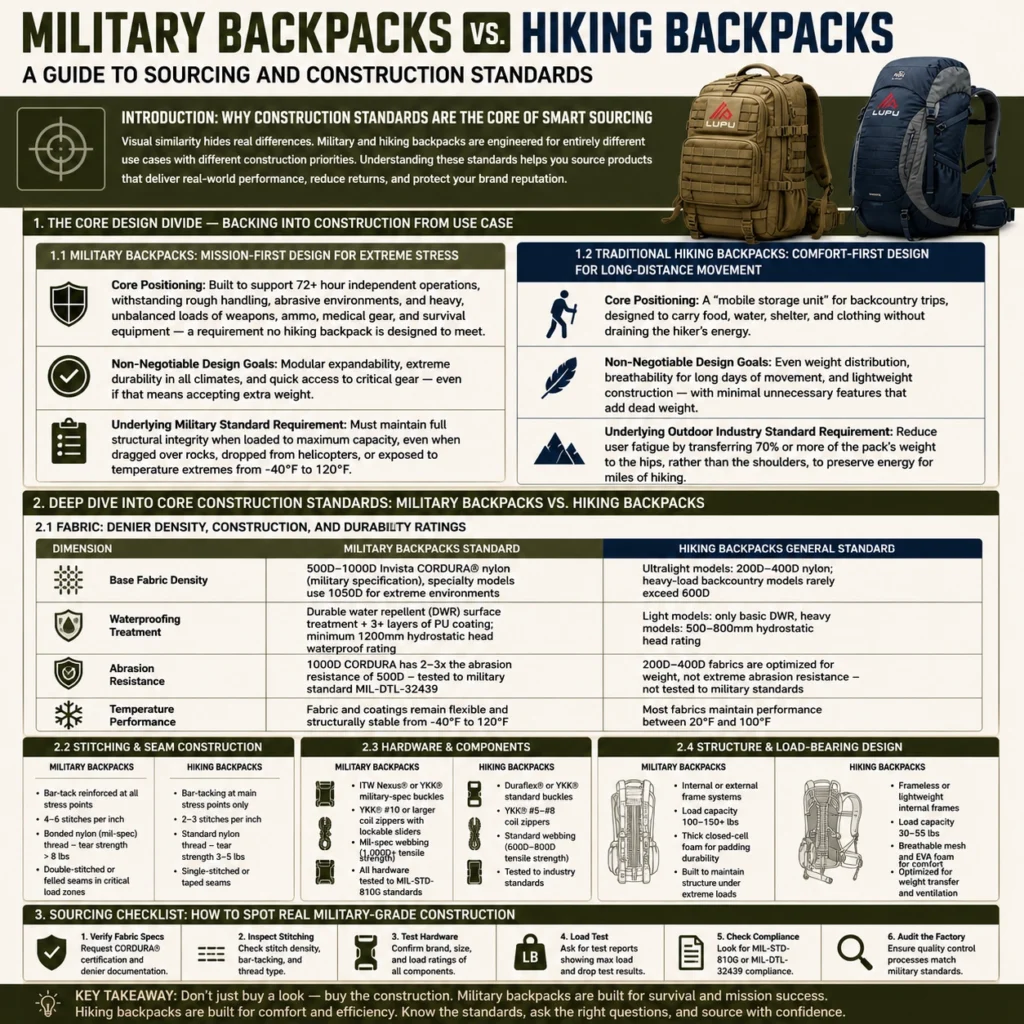
Walk into any outdoor gear trade show, and you’ll see it: hundreds of “tactical” backpacks that mimic the look of military models, but fall apart after three months of regular use. For retailers, brand owners, and bulk buyers, this cosmetic mimicry creates a costly problem — especially when navigating the common confusion between military backpacks vs. hiking backpacks. Too many sourcing decisions are based on price or visual appeal alone, leading to returns, negative customer reviews, and damaged brand reputation when products fail to live up to expectations.
The biggest gap in buying decisions today is a clear, actionable breakdown of how actual construction standards differ when you break down military backpacks vs. hiking backpacks. Many buyers assume the only difference is branding or color — but the truth is, these two product categories are designed from the ground up for entirely different use cases, with wildly different requirements for fabric, stitching, hardware, and structure.
In this guide, we’ll cut through the marketing noise and break down the engineering and sourcing standards for both categories in the military backpacks vs. hiking backpacks debate. Whether you’re stocking tactical gear for law enforcement suppliers or curating hiking packs for an outdoor retail brand, this guide will help you source products that match customer expectations and hold up to real-world use. We’ll focus specifically on military backpacks, their unique requirements, and how to avoid the common sourcing pitfalls that trip up even experienced buyers navigating the military backpacks vs. hiking backpacks market.
The Core Design Divide — Backing Into Construction From Use Case for Military Backpacks vs. Hiking Backpacks
Before we dive into fabric weights and stitching standards, it’s critical to understand why military backpacks vs. hiking backpacks are built so differently. The design philosophy of each category in the military backpacks vs. hiking backpacks comparison starts with its core user and use case, and every construction decision flows from that starting point.
1.1 Military Backpacks: Mission-First Design for Extreme Stress
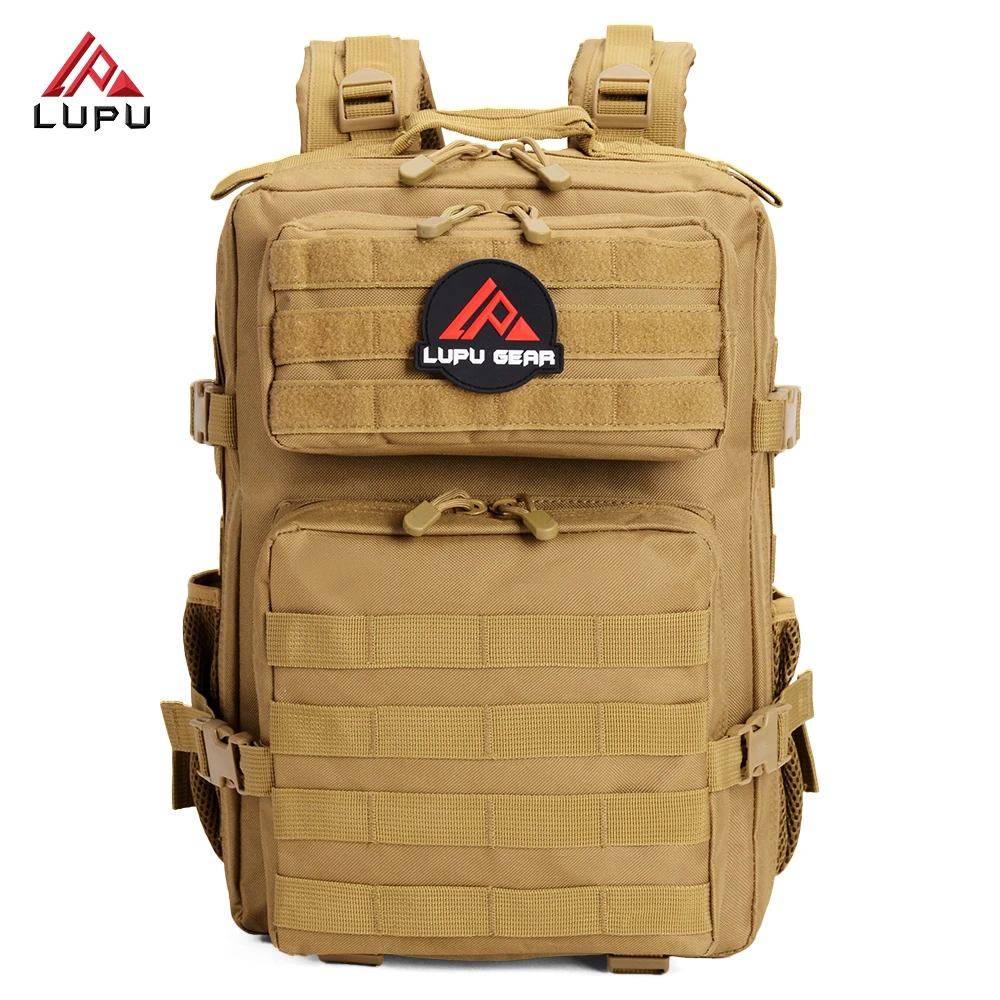
When looking at military backpacks vs. hiking backpacks, the first and most obvious difference is core purpose. Military backpacks are not just “heavy-duty hiking bags” — they’re a core component of a soldier’s individual carry system, built to perform in life-or-death scenarios where failure is not an option.
- Core Positioning: Built to support 72+ hour independent operations, withstanding rough handling, abrasive environments, and heavy, unbalanced loads of weapons, ammo, medical gear, and survival equipment — a requirement no hiking backpack is designed to meet, which is the core of the military backpacks vs. hiking backpacks distinction.
- Non-Negotiable Design Goals: Modular expandability, extreme durability in all climates, and quick access to critical gear — even if that means accepting extra weight. A 10-ounce weight penalty is irrelevant if it means a soldier can grab a tourniquet in 2 seconds instead of 5.
- Underlying Military Standard Requirement: Must maintain full structural integrity when loaded to maximum capacity, even when dragged over rocks, dropped from helicopters, or exposed to temperature extremes from -40°F to 120°
1.2 Traditional Hiking Backpacks: Comfort-First Design for Long-Distance Movement
In the military backpacks vs. hiking backpacks breakdown, hiking backpacks are built for a completely different priority: keeping a hiker moving comfortably over 10+ mile days on trail. Weight is the enemy here, and every construction decision is made to cut ounces while still supporting enough gear for multi-day trips.
- Core Positioning: A “mobile storage unit” for backcountry trips, designed to carry food, water, shelter, and clothing without draining the hiker’s energy
- Non-Negotiable Design Goals: Even weight distribution, breathability for long days of movement, and lightweight construction — with minimal unnecessary features that add dead weight. This priority sets them clearly apart in military backpacks vs. hiking backpacks.
- Underlying Outdoor Industry Standard Requirement: Reduce user fatigue by transferring 70% or more of the pack’s weight to the hips, rather than the shoulders, to preserve energy for miles of hiking.
Deep Dive Into Core Construction Standards: Military Backpacks vs. Hiking Backpacks
The design divide we just covered translates directly to measurable, tangible differences in every part of the pack when comparing military backpacks vs. hiking backpacks. Below, we break down the key construction standards side by side, so you can spot the difference between a genuine military-spec pack and a cosmetic copy in the military backpacks vs. hiking backpacks market.
2.1 Fabric: Denier Density, Construction, and Durability Ratings for Military Backpacks vs. Hiking Backpacks
The most immediate and impactful difference between military backpacks vs. hiking backpacks is the fabric. The table below outlines the core standards for each category in the military backpacks vs. hiking backpacks comparison:
|
Dimension |
Military Backpacks Standard |
Hiking Backpacks General Standard |
|
Base Fabric Density |
500D–1000D Invista CORDURA® nylon (military specification), specialty models use 1050D for extreme environments |
Ultralight models: 200D–400D nylon; heavy-load backcountry models rarely exceed 600D |
|
Waterproofing Treatment |
Durable water repellent (DWR) surface treatment + 3+ layers of PU coating; minimum 1200mm hydrostatic head waterproof rating |
Light models: only basic DWR; heavy models: 500–800mm hydrostatic head rating |
|
Abrasion Resistance |
1000D CORDURA has 2–3x the abrasion resistance of standard hiking pack fabric, can withstand constant scraping against rock, brush, and vehicle frames |
Prioritizes weight reduction; abrasion resistance only meets the needs of regular trail use, not constant heavy abrasion |
For military backpacks sourcing in the military backpacks vs. hiking backpacks space, a quick pro tip: genuine CORDURA nylon has a tight, uniform weave that can’t be torn by hand, while water beads completely off the DWR-treated surface. Many budget importers use “CORDURA-style” polyester that fades and frays in months — always request a fabric certificate from your manufacturer to confirm genuine Invista material, so you don’t mislabel a hiking-grade pack as a military model when catering to customers researching military backpacks vs. hiking backpacks.
2.2 Carry System Construction: Rigid Support vs. Weight Distribution in Military Backpacks vs. Hiking Backpacks
The carry system is the heart of any pack, and the design priorities here could not be more different between military backpacks vs. hiking backpacks.
Military Backpacks Carry System Standards
- Traditional military designs use internal frames of aluminum or fiberglass; modern tactical military backpacks combine high-density PE foam sheets with aircraft-grade aluminum stays for rigid support.
- All critical load-bearing points get triangular reinforcement stitching to prevent tearing under dynamic, unbalanced loads (common when carrying heavy weaponry or gear) — a requirement you won’t find in standard hiking packs, which is a key distinction in military backpacks vs. hiking backpacks.
- Design priority: Maintain a stable, close-to-body center of gravity when fully loaded, even when moving quickly over rough terrain. Breathability is a secondary concern — rigidity and stability come first.
- Military-spec stitching requirement: All load-bearing seams use 4-thread double stitching, with a minimum of 6–7 stitches per inch to prevent seam slippage.
Hiking Backpack Carry System Standards
- Most modern hiking packs use a suspended breathable back panel, with thin aluminum stays designed to flex with the hiker’s movement and spread weight across the hips.
- Only the shoulder strap attachment points get basic reinforcement; most seams use single-stitch construction to save weight — a difference that matters when comparing durability for military backpacks vs. hiking backpacks.
- Design priority: Maximize breathability to reduce sweat buildup on long hikes, and transfer weight to the hips to reduce shoulder fatigue. Rigidity is intentionally reduced to improve comfort and cut weight.
2.3 Functional Structure and Mounting Standards: Modularity vs. Streamlined Storage for Military Backpacks vs. Hiking Backpacks
The functional layout of the pack is another area where the different use cases create clear construction differences between military backpacks vs. hiking backpacks.
Military Backpacks Core Functional Standards
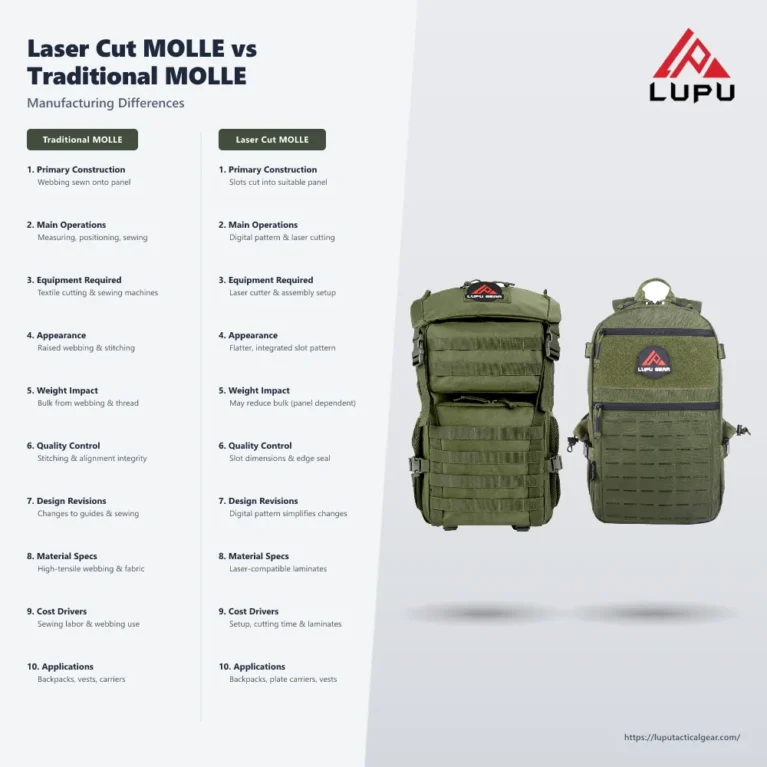
- All full-size military backpacks come standard with military-spec MOLLE (Modular Lightweight Load-carrying Equipment) webbing: the webbing is exactly 1 inch (2.54cm) wide, made from 1050D nylon, and stitched at precise 1-inch spacing to accommodate aftermarket pouches, holsters, and accessories. This modularity is a non-negotiable feature that separates military backpacks vs. hiking backpacks.
- Multi-compartment layout: Main storage + independent quick-access front pocket + hydration bladder compartment + rigid divider for sensitive gear, so users can access critical items without unpacking the entire pack.
- Hardware standard: Uses military-spec UTX POM plastic buckles and heavy-duty YKK zippers; hook and loop (Velcro) panels are rated for a minimum of 20,000 open/close cycles before losing grip.
Hiking Backpack Core Functional Standards
- Only basic external attachment points (usually two compression straps at the bottom for a sleeping bag) — no full-width modular webbing, since extra webbing adds unnecessary weight and snags on brush on the trail. This intentional simplicity is part of why hiking packs can’t compete with military models for tactical use, which is a core point of the military backpacks vs. hiking backpacks conversation.
- Fixed layout: Separate bottom sleeping bag compartment + main storage + hydration compartment, with no ability to add custom aftermarket accessories.
- Hardware standard: Uses standard engineering plastic buckles and regular YKK zippers, built to meet regular recreational use requirements, not the constant heavy use that military packs see.
A Sourcing Guide for Buyers: How to Vet Products When Sourcing for Military Backpacks vs. Hiking Backpacks
Now that you understand the construction differences between military backpacks vs. hiking backpacks, how do you actually verify that the products you’re sourcing meet the right standards for each category? Below is a step-by-step vetting process for both categories, with specific checks for military backpacks.
3.1 Military Backpacks Sourcing: Key Inspection and Factory Vetting Points
When sourcing military-grade or tactical military backpacks for customers searching military backpacks vs. hiking backpacks, don’t just take the word of military backpacks supplier for it — run these three quick checks on every sample:
- Fabric Inspection: Pour a small amount of water on the fabric surface — genuine DWR-treated CORDURA will form tight beads that roll right off, while cheap fabric will absorb water or spread out. Grab a piece of the edge of the fabric and try to tear it — 500D+ CORDURA cannot be torn by hand, while cheap imitation fabric will split easily. Test the buckles with a magnet: military-spec POM buckles are non-magnetic; if a magnet sticks, it’s cheap zinc alloy that will break in cold weather.
- Structural Inspection: Measure the MOLLE webbing width — genuine military spec requires the width to be within 0.1cm of 1 inch (2.54cm). Off-size webbing won’t work with standard MOLLE accessories, which is a common complaint from end users researching military backpacks vs. hiking backpacks. Check all load-bearing points for triangular reinforcement stitching — if there’s no extra reinforcement, the pack will fail under heavy load. Flex the back panel frame — there should be no creaking or give; a solid rigid frame means it will hold shape under load.
- Compliance Verification: Ask the factory for their Invista CORDURA authorization letter. Any reputable manufacturer sourcing genuine fabric will have this on file — if they can’t provide it, they’re using counterfeit fabric that won’t hold up.
3.2 Hiking Backpacks Sourcing: Core Inspection Points
For hiking packs, the focus is on comfort and weight accuracy, so your checks should reflect that, even as customers compare military backpacks vs. hiking backpacks for their own use:
- Load Test: Load the pack with 15kg (33lbs) of weight and wear it for a 1km walk. You should feel most of the weight on the hip belt, not the shoulders, and there should be no hot spots or pinching on the shoulders.
- Weight Verification: Weigh the empty pack and compare it to the listed weight on the spec sheet — if the actual weight is more than 10% over the advertised weight, it’s a red flag that the factory cuts corners on lightweight materials, one of the core selling points for hiking packs in the military backpacks vs. hiking backpacks comparison.
- Waterproofing Test: Spray the pack with a garden hose for 30 minutes, focusing on the seams and zippers. If any water leaks into the main compartment, the pack fails quality control.
3.3 Sourcing Recommendations By Use Case for Military Backpacks vs. Hiking Backpacks
Not every tactical backpack sold to consumers needs full military spec — match the construction standard to your target customer, whether they’re searching for military backpacks vs. hiking backpacks:
- Military/ Law Enforcement/ Emergency Response Sourcing: Stick to full military specification: 1000D CORDURA, military-spec MOLLE, genuine UTX/YKK hardware, and full reinforcement at all load points. Durability is non-negotiable for these users, who understand the core differences between military backpacks vs. hiking backpacks.
- Consumer Tactical/EDC Sourcing (Urban Commuter + Light Outdoor): Opt for 500D CORDURA lightweight tactical military backpacks, which balance military-spec durability with a manageable weight for daily use. This is the fastest-growing segment of the military backpacks vs. hiking backpacks market, and 500D is more than enough for consumer use.
- Mainstream Hiking Retail Sourcing: Don’t overbuild for this market — most recreational hikers researching military backpacks vs. hiking backpacks don’t need military-spec durability, and the extra weight will hurt customer satisfaction. Stick to the hiking pack construction standards we outlined, and prioritize lightweight materials and comfortable carry to match user needs.
Common Sourcing Misconceptions About Military Backpacks vs. Hiking Backpacks and How to Avoid Pitfalls
Even experienced buyers fall for these common myths about military backpacks vs. hiking backpacks — here’s how to avoid costly mistakes:
Myth 1: Military Backpacks Are Always Better Than Hiking Backpacks In the Military Backpacks vs. Hiking Backpacks Debate
Reality: They’re built for different jobs. A full-spec 1000D military backpack weighs 2–3 pounds more than a comparable capacity hiking pack. For a multi-day hike, that extra weight will drain a hiker’s energy and ruin their trip — even if it’s more durable. The “better” pack in the military backpacks vs. hiking backpacks conversation is always the one that matches the user’s actual use case.
Myth 2: Any Pack With MOLLE Webbing Is a Real Military Backpack In the Military Backpacks vs. Hiking Backpacks Market
Reality: Most cheap tactical knockoffs add MOLLE webbing for looks, but cut corners on construction. The webbing is the wrong width, made from thin cheap fabric, and not stitched properly to hold extra weight. Pull hard on a section of MOLLE webbing — if the stitching stretches or the webbing pulls away, it’s not built for actual modular use, and shouldn’t be marketed as a true military backpack next to hiking packs in the military backpacks vs. hiking backpacks category.
Myth 3: More Expensive Military Backpacks Always Have Higher Construction Standards Than Hiking Backpacks
Reality: A lot of the price premium for big-name military brands goes to marketing and brand markup, not construction. The core of a quality military backpack is the fabric density, hardware, and stitching — we’ve seen 50factory−directpacksthatoutperform150 branded packs when the construction standards are correct. Always check the specs yourself, don’t just rely on brand name or price when comparing military backpacks vs. hiking backpacks.
Conclusion: Build Customer Loyalty By Understanding Construction Differences for Military Backpacks vs. Hiking Backpacks
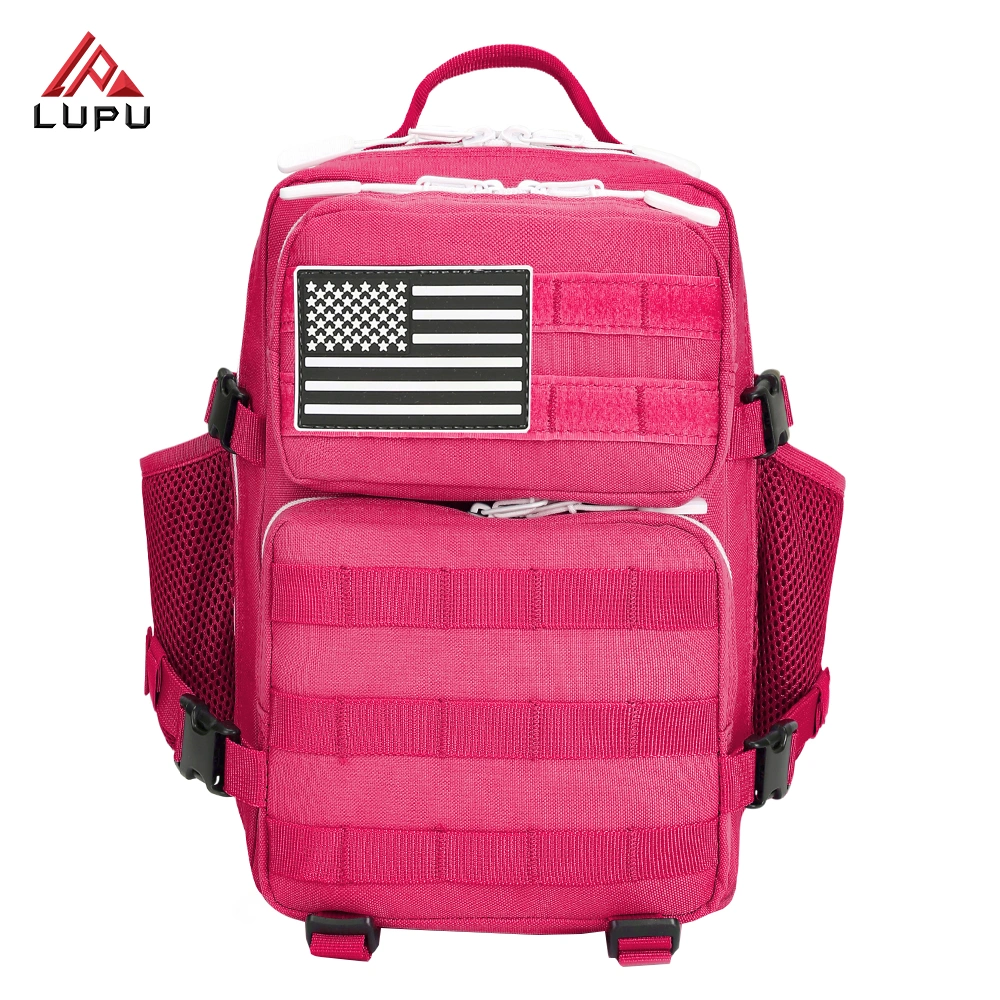
At the end of the day, the core difference between military backpacks vs. hiking backpacks comes down to their core purpose: military backpacks are built for mission success first, with durability and modularity as non-negotiable priorities, while hiking backpacks are built for comfort and lightweight movement first. For buyers, the key to successful sourcing when catering to customers researching military backpacks vs. hiking backpacks is matching the construction standard to your customer’s actual use case, not just buying based on looks or price.
By using the standards and checks we’ve outlined in this guide, you can avoid the common pitfalls of sourcing knockoff tactical gear, and stock products that hold up to real-world use for every segment of the military backpacks vs. hiking backpacks market. Happy customers come back for repeat purchases, and leave positive reviews that drive more sales — and that all starts with getting the construction right from the beginning, no matter which side of the military backpacks vs. hiking backpacks divide you’re sourcing for.
If you’re getting ready to source a new line of packs for customers comparing military backpacks vs. hiking backpacks, share this guide with your quality control team to make sure every sample is checked against the right standards. And if you have questions about verifying specific construction details, drop a comment below and we’ll help you work through it.
関連記事
トップ50:世界のタクティカルギアブランド・リスト