Introduction
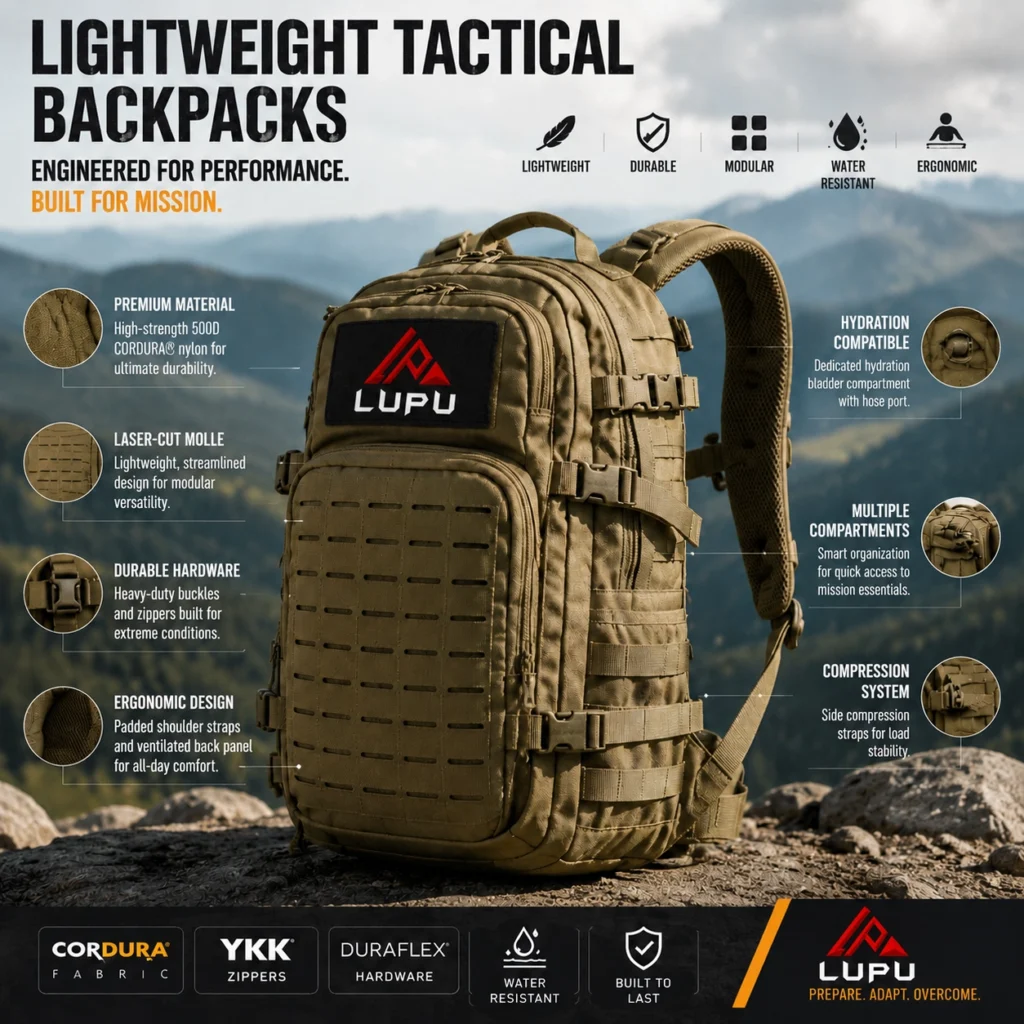
The tactical gear industry is undergoing a significant transformation. As military forces, law enforcement agencies, security professionals, and outdoor enthusiasts demand equipment that delivers superior performance without unnecessary weight, Lightweight Tactical Backpacks have become a central focus of product development and manufacturing innovation.
In 2026, the definition of a tactical backpack extends far beyond carrying capacity. Modern users expect advanced ergonomics, modular adaptability, weather resistance, mission-specific functionality, and long-term durability—all while minimizing load burden. The challenge for manufacturers is no longer simply producing rugged backpacks; it is engineering highly efficient load-bearing systems that optimize mobility, endurance, and operational effectiveness.
This article explores the latest manufacturing trends, material innovations, and design standards shaping the next generation of Lightweight Tactical Backpacks, providing a comprehensive perspective for brands, procurement professionals, tactical gear distributors, and industry stakeholders.
The Evolving Market for Lightweight Tactical Backpacks
Rising Demand Across Multiple Sectors
The market for tactical backpacks continues to expand due to several converging factors:
- Military modernization programs
- Growth in law enforcement equipment procurement
- Increasing popularity of tactical outdoor activities
- Demand for emergency preparedness gear
- Expansion of private security operations
Today’s users require equipment capable of supporting diverse operational scenarios, including:
- Urban tactical missions
- Extended field deployments
- Search and rescue operations
- Border patrol activities
- Adventure and survival expeditions
As mobility becomes a strategic advantage, reducing carried weight while maintaining functionality has emerged as a primary design objective.
The Shift Toward Performance-Oriented Load Management
Historically, tactical backpacks emphasized maximum durability and carrying capacity. However, modern operational research increasingly demonstrates that excessive equipment weight negatively affects:
- Movement speed
- Endurance
- Reaction time
- Cognitive performance
- Injury risk
As a result, fabricants d'équipements tactiques are prioritizing lightweight engineering solutions that improve overall mission effectiveness without compromising reliability.
Global Tactical Backpack Market Growth Forecast (2026-2030)
|
Year |
Market Size (USD Billion) |
CAGR |
|
2026 |
3.2 |
6.8% |
|
2027 |
3.5 |
7.4% |
|
2028 |
3.8 |
7.2% |
|
2030 |
4.4 |
7.5% |
Data sources include:
- MarketsandMarkets
- Fortune Business Insights
- Mordor Intelligence
- Grand View Research
Core Design Principles Defining Lightweight Tactical Backpacks in 2026
Weight Reduction Without Structural Compromise
The primary challenge in designing Lightweight Tactical Backpacks is reducing mass while preserving structural integrity.
Leading fabricants de sacs à dos tactiques achieve this through:
- Optimized fabric selection
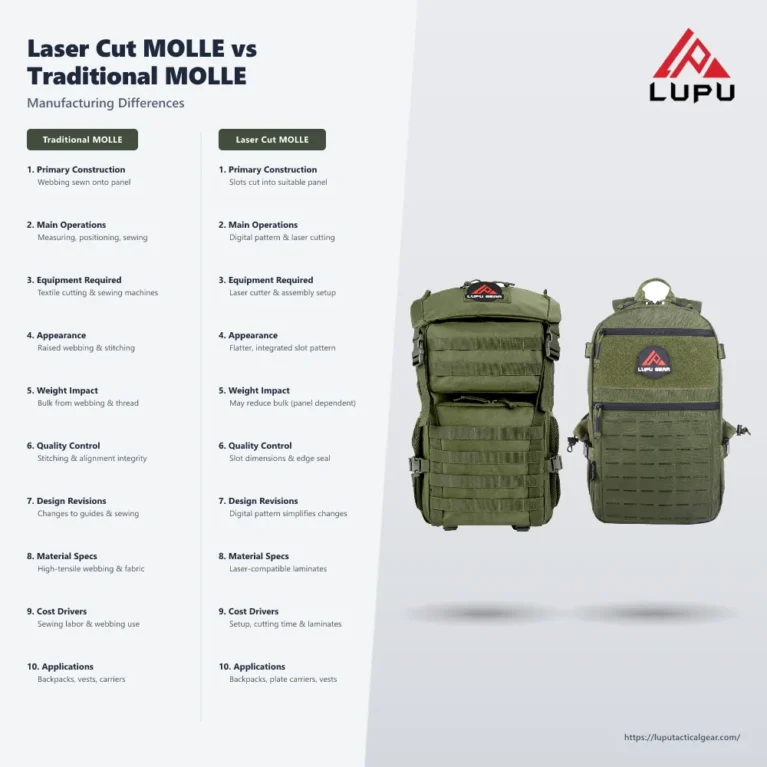
- Laser-cut components
- Minimalist hardware systems
- Advanced reinforcement mapping
- High-strength lightweight webbing
Rather than simply using thinner materials, modern engineering focuses on strategically reinforcing high-stress zones while reducing material usage in low-load areas.
Advanced Ergonomics and Human-Centered Design
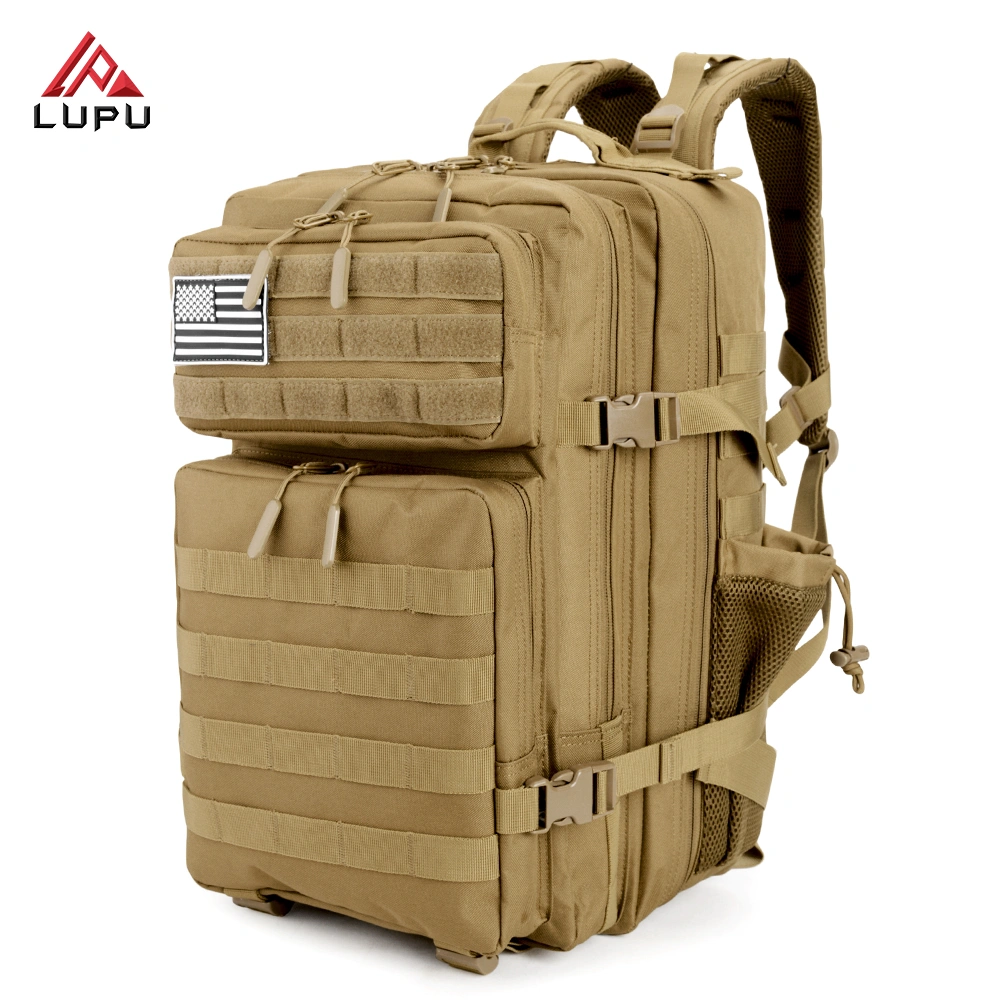
Load distribution is now considered equally important as load capacity.
Key ergonomic innovations include:
Contoured Shoulder Harness Systems
Modern harness systems are designed using anthropometric data to improve weight distribution across the shoulders and upper torso.
Adjustable Sternum and Hip Belts
Proper adjustment mechanisms help transfer weight from the shoulders to the hips, reducing fatigue during extended use.
Ventilated Back Panels
Enhanced airflow channels improve thermal regulation and user comfort, particularly in hot and humid environments.
Dynamic Load Stabilization
New suspension systems reduce pack movement during rapid mobility operations, improving balance and reducing energy expenditure.
Modularity as a Standard Requirement
Mission requirements frequently change, making adaptability essential.
Modern Lightweight Tactical Backpacks commonly incorporate:
- MOLLE-compatible attachment systems
- Modular pouches
- Removable panels
- Quick-access compartments
- Expandable storage modules
This modular architecture allows users to customize loadouts without carrying unnecessary equipment.
Material Innovations Driving the Next Generation
High-Performance Fabrics
Material science continues to be one of the most influential drivers of tactical backpack innovation.
Advanced Cordura® Fabrics
Modern Cordura variants provide exceptional abrasion resistance while reducing overall weight compared to previous generations.
Benefits include:
- Tear resistance
- Long service life
- Reduced bulk
- Improved flexibility
Dyneema® Composite Materials
Dyneema is gaining traction among premium tactical manufacturers due to its remarkable strength-to-weight ratio.
Advantages include:
- Ultra-lightweight construction
- Exceptional tensile strength
- Water resistance
- Reduced fabric stretch
High-Tenacity Ripstop Nylon
Ripstop technologies continue to evolve, providing enhanced resistance to tearing while maintaining flexibility and weight efficiency.
Hybrid Material Construction
Rather than relying on a single fabric type, manufacturers increasingly employ hybrid construction strategies.
Examples include:
- High-abrasion panels in Cordura
- Lightweight body sections in ripstop nylon
- Reinforced load-bearing zones with composite materials
This targeted approach allows manufacturers to maximize performance while minimizing overall weight.
Sustainable Material Integration
Environmental responsibility is becoming an important procurement consideration.
By 2026, more manufacturers are incorporating:
- Recycled nylon fibers
- Solution-dyed fabrics
- Low-impact coating technologies
- Reduced-waste cutting processes
Sustainability initiatives not only improve environmental performance but also align with growing government and commercial procurement requirements.
Comparison of Advanced Materials Used in Lightweight Tactical Backpacks
|
Matériau |
Poids |
Résistance à l'abrasion |
Résistance à l'eau |
Cost Level |
|
500D Cordura |
Moyen |
Excellent |
Good |
Moyen |
|
1000D Cordura |
Lourd |
Outstanding |
Good |
Haut |
|
Dyneema |
Ultra-Light |
Excellent |
Excellent |
Premium |
|
Nylon Ripstop |
Lumière |
Good |
Modéré |
Faible |
|
X-Pac Fabric |
Lumière |
Very Good |
Excellent |
Haut |
Manufacturing Trends Reshaping the Industry
Precision Manufacturing Through Automation
Automation is becoming increasingly important in tactical backpack production.
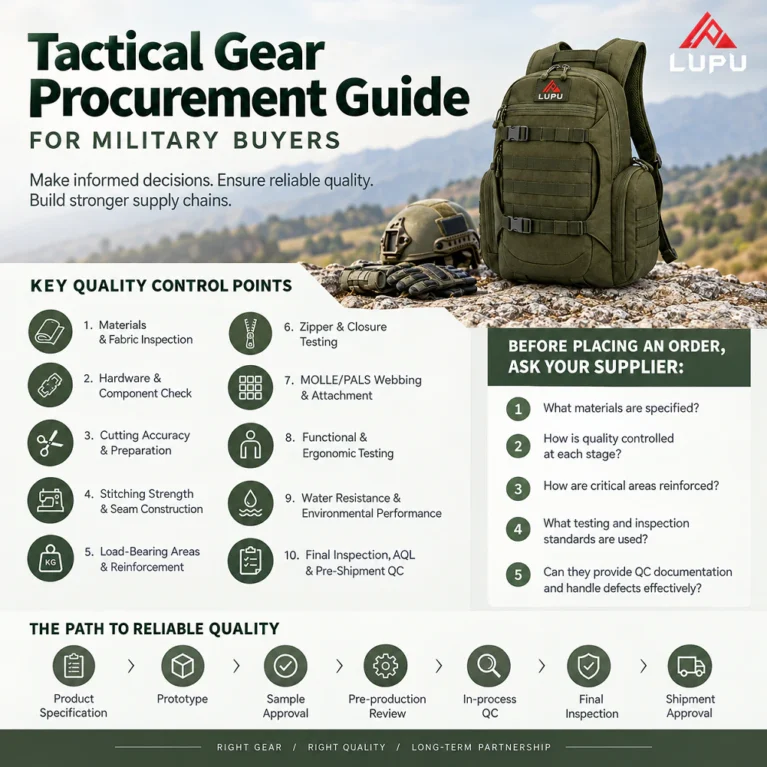
Advanced manufacturing technologies include:
Computer-Controlled Fabric Cutting
Automated cutting systems improve:
- Dimensional accuracy
- Material utilization
- Production efficiency
- Product consistency
Laser-Cut Component Production
Laser cutting enables:
- Reduced weight
- Cleaner edges
- Precise MOLLE patterns
- Enhanced repeatability
Compared to traditional stitched webbing systems, laser-cut platforms often reduce both material consumption and product weight.
Reinforced Stitching Technologies
Despite advances in materials, stitching remains critical to backpack durability.
Industry-leading manufacturers now employ:
- Multi-point bartack reinforcement
- Programmable sewing systems
- Load-specific stitch mapping
- Stress-zone reinforcement analysis
Critical load-bearing areas undergo extensive testing to ensure long-term performance under demanding conditions.
Lean Manufacturing and Supply Chain Optimization
Competitive manufacturers increasingly adopt lean production methodologies to:
- Reduce waste
- Improve quality consistency
- Lower production costs
- Accelerate delivery timelines
Data-driven manufacturing systems also provide greater traceability throughout the production process, improving accountability and quality assurance.
Traditional vs Advanced Manufacturing Methods
|
Manufacturing Method |
Weight Reduction |
Production Efficiency |
Consistency |
Cost Impact |
|
Manual Cutting |
Faible |
Faible |
Modéré |
Faible |
|
CNC Cutting |
Moyen |
Haut |
Haut |
Moyen |
|
Laser Cutting |
Haut |
Très élevé |
Excellent |
Moyen |
|
Automated Sewing |
Moyen |
Haut |
Excellent |
Haut |
Quality Assurance and Performance Testing Standards
Mechanical Durability Testing
Before entering the market, premium Lightweight Tactical Backpacks undergo rigorous testing procedures.
Common evaluations include:
Load-Bearing Tests
Assess the backpack’s ability to withstand sustained weight under operational conditions.
Abrasion Resistance Tests
Measure long-term durability against rough surfaces.
Seam Strength Analysis
Verify stitching integrity under repeated stress.
Hardware Reliability Testing
Evaluate buckles, zippers, adjustment systems, and attachment points.
Environmental Resistance Testing
Modern tactical backpacks must perform in diverse environmental conditions.
Testing protocols often include:
- Water resistance evaluation
- UV exposure testing
- Extreme temperature cycling
- Corrosion resistance assessment
- Moisture retention analysis
These tests help ensure reliable field performance regardless of climate or terrain.
Standard Performance Tests for Lightweight Tactical Backpacks
|
Test Type |
Standard Requirement |
Objectif |
|
Load Test |
25-50 kg |
Verify Carrying Capacity |
|
Seam Strength Test |
≥200 N |
Evaluate Stitch Integrity |
|
Abrasion Test |
20,000+ Cycles |
Durability Assessment |
|
Water Resistance Test |
IPX4-IPX6 Equivalent |
Protection contre les intempéries |
|
UV Exposure Test |
500+ Hours |
Outdoor Reliability |
Design Standards and Compliance Requirements for 2026
Military Specification (MIL-SPEC) Influence
Although not every tactical backpack is officially MIL-SPEC certified, military standards continue to influence industry best practices.
Areas commonly guided by military requirements include:
- Material durability
- Stitching strength
- Hardware performance
- Environmental resilience
- Operational functionality
Manufacturers targeting government contracts often align their production processes with these stringent standards.
Ergonomic and Human Performance Standards
The growing emphasis on user health and performance has elevated ergonomic design standards.
Modern development processes increasingly involve:
- Human-factor engineering
- Biomechanical testing
- Field-user evaluations
- Load carriage studies
This approach helps ensure that backpack designs support long-duration use without causing excessive strain.
International Compliance Considerations
Global manufacturers must also consider:
- Material safety regulations
- Environmental compliance standards
- Import and export requirements
- Sustainability reporting frameworks
Compliance increasingly influences purchasing decisions among institutional buyers and international distributors.
Key Standards Driving Tactical Backpack Manufacturing in 2026
As military, law enforcement, and commercial procurement requirements become increasingly stringent, manufacturers of Lightweight Tactical Backpacks must comply with a range of quality, environmental, and safety standards. These certifications not only demonstrate manufacturing excellence but also help buyers evaluate supplier reliability and product consistency.
|
Standard |
Focus Area |
Why It Matters for Buyers |
|
MIL-SPEC |
Military Durability |
Ensures field-ready performance |
|
ISO 9001 |
Quality Control |
Consistent product quality |
|
ISO 14001 |
Environmental Compliance |
Sustainable manufacturing |
|
REACH |
Chemical Safety |
EU market access |
|
RoHS |
Restricted Substances |
Material compliance |
|
OEKO-TEX® |
Textile Safety |
User health protection |
Emerging Trends Shaping Lightweight Tactical Backpacks in 2026
Smart Tactical Integration
Technology integration is becoming more prevalent across tactical equipment categories.
Emerging features include:
- GPS integration compatibility
- Cable management systems
- Power bank compartments
- Sensor-ready configurations
- Communication equipment routing channels
While electronics remain optional, backpacks are increasingly designed to support connected operational ecosystems.
Mission-Specific Modular Systems
Rather than one-size-fits-all solutions, manufacturers are developing mission-focused backpack platforms.
Examples include:
Urban Operations Packs
Prioritize:
- Low-profile appearance
- Rapid access compartments
- Compact dimensions
Reconnaissance Packs
Focus on:
- Lightweight construction
- Extended carrying comfort
- Specialized equipment organization
Medical Response Packs
Emphasize:
- Rapid deployment
- Internal organization
- Accessibility under pressure
This specialization improves efficiency for professional users.
Minimalist Tactical Design
A notable trend in 2026 is the movement toward minimalist tactical systems.
Key characteristics include:
- Reduced visual bulk
- Streamlined silhouettes
- Multi-functional compartments
- Lightweight hardware
This philosophy reflects a broader industry shift toward efficiency-driven design.
The Future of Lightweight Tactical Backpack Manufacturing
Looking beyond 2026, several technologies are expected to shape future development:
Next-Generation Composite Fabrics
Emerging textile technologies may further improve strength-to-weight ratios.
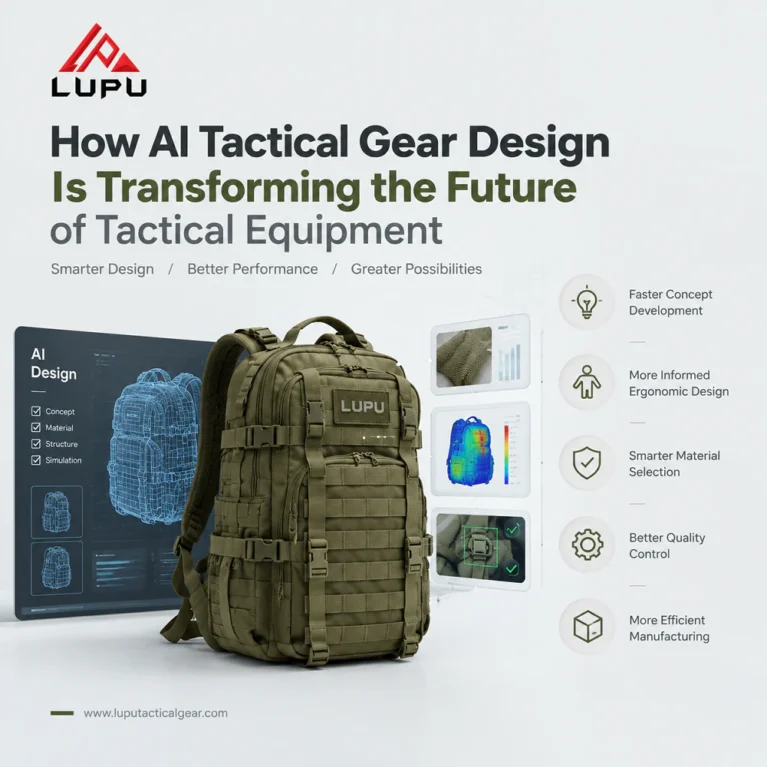
AI-Assisted Product Design
Artificial intelligence will likely accelerate optimization of:
- Load distribution
- Material placement
- Structural efficiency
Digital Twin Manufacturing
Virtual testing environments could reduce development cycles while improving product reliability.
Increased Customization
Future production systems may allow users to configure backpacks according to mission profiles before manufacturing begins.
Conclusion
The future of Lightweight Tactical Backpacks lies at the intersection of advanced material science, precision manufacturing, ergonomic engineering, and modular functionality. As operational demands continue to evolve, manufacturers are moving beyond traditional notions of ruggedness to create highly optimized load-bearing systems that enhance mobility, comfort, and mission effectiveness.
In 2026, the most successful tactical backpack designs will not necessarily be those with the highest carrying capacity, but those that deliver the best balance between weight reduction, durability, adaptability, and user performance. Through innovations in fabrics, automated production technologies, intelligent design standards, and sustainability initiatives, the next generation of Lightweight Tactical Backpacks is setting new benchmarks for the tactical gear industry.
For brands, distributors, procurement professionals, and end users, understanding these emerging trends is essential for making informed decisions in an increasingly competitive and technologically advanced market.
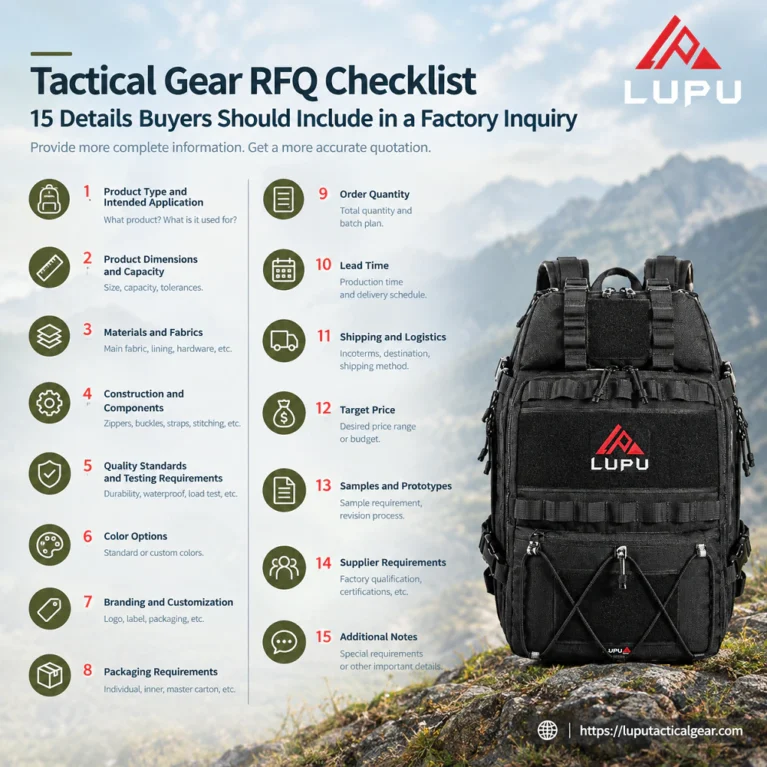
Ready to elevate your 2026 product lineup? Contact LUPU Tactical Gear team today for a technical consultation on your next tactical manufacturing project.
En rapport :
Top 50:Liste des marques mondiales d'équipement tactique