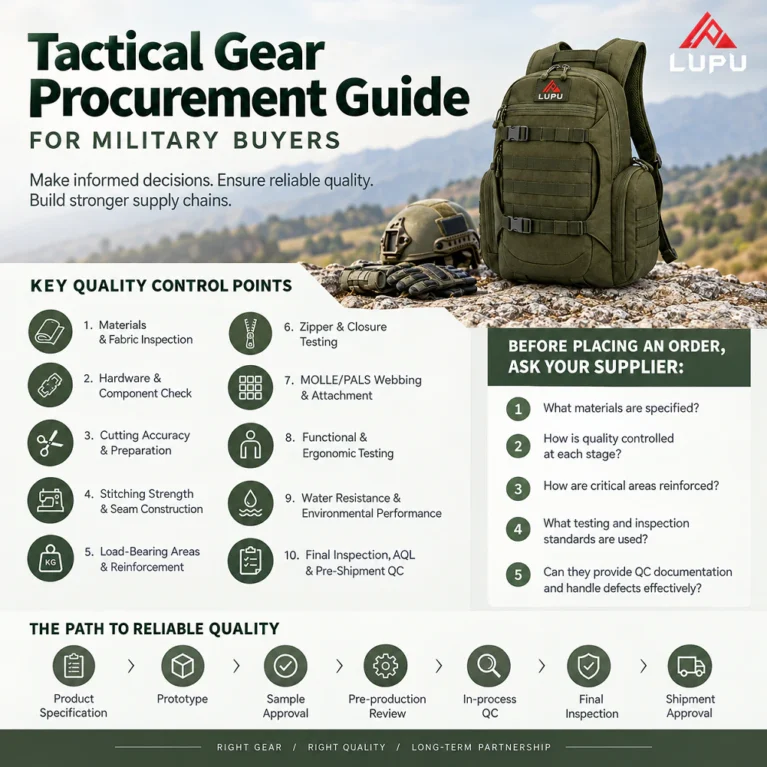
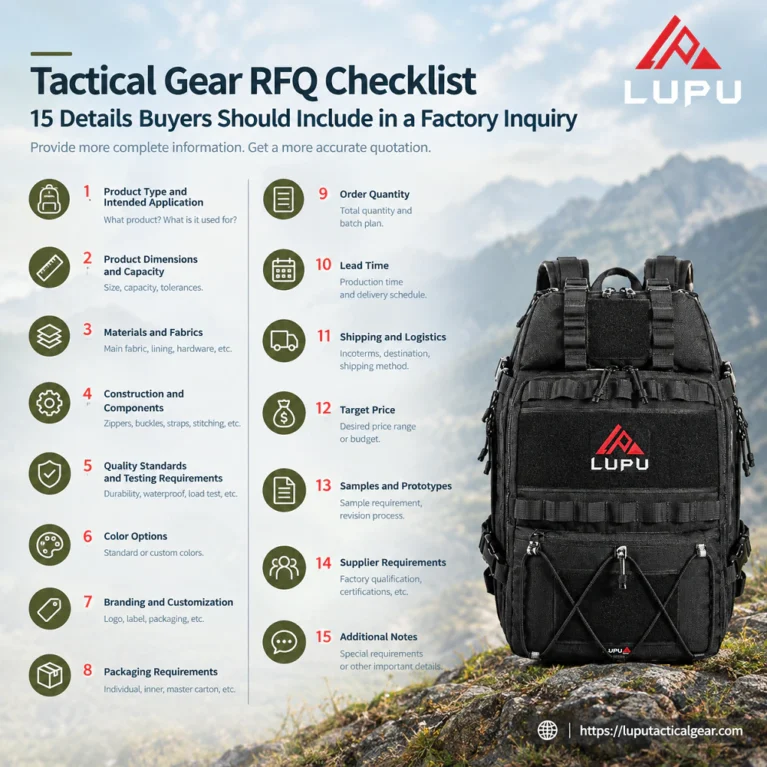
1. Introduction
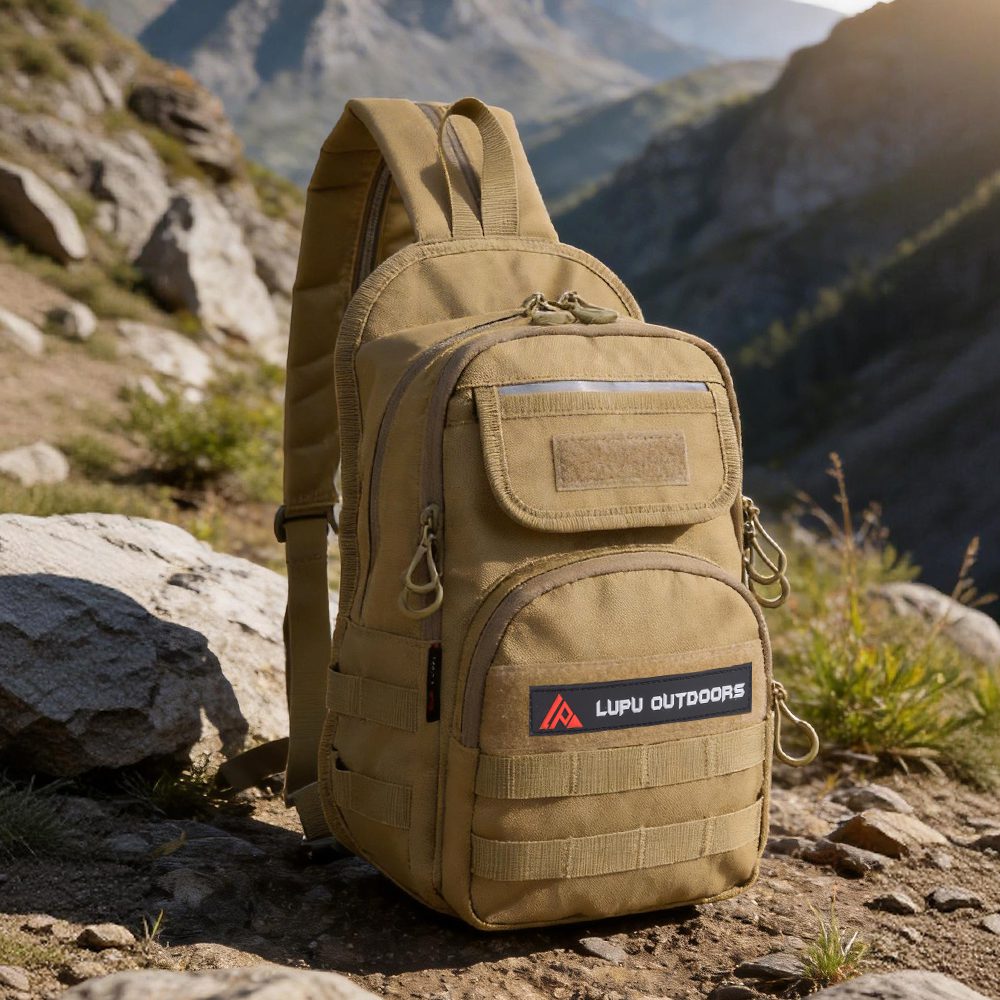
In the modern professional and tactical landscape, the tactical sling bag has emerged as a versatile solution for carrying essential equipment efficiently and securely. Whether for business, security personnel, law enforcement, outdoor operations, or everyday commuting, having the right bag can significantly improve organization, accessibility, and mobility.
A tactical sling bag combines durability, ergonomic design, and modular functionality in a compact form factor. Unlike traditional backpacks, sling bags are designed to be carried across one shoulder, enabling quick rotation to the front for easy access to your gear. This guide provides an in-depth look at what makes the best tactical sling bag, including types, features, selection criteria, maintenance tips, and procurement considerations for businesses.
By the end of this guide, you will have all the information needed to choose the best tactical sling bag for your personal or organizational needs.
2. What is a Sling Bag?
A sling bag is a single-strap bag that is worn across the body, typically resting on one shoulder. Unlike conventional backpacks, sling bags allow quick and convenient access to the contents without removing the bag entirely. This design is ideal for daily carry (EDC), commuting, casual travel, or situations that require frequent access to tools, gadgets, or personal items.
Sling bags vary in size, from compact versions suitable for urban professionals to larger models designed for outdoor or tactical use. The key advantages include:
- Accessibility: Rotate the bag to the front quickly.
- Compactness: Smaller and lighter than a traditional backpack.
- Versatilidad: Suitable for urban, travel, or light outdoor activities.
3. What is a Tactical Sling Bag?
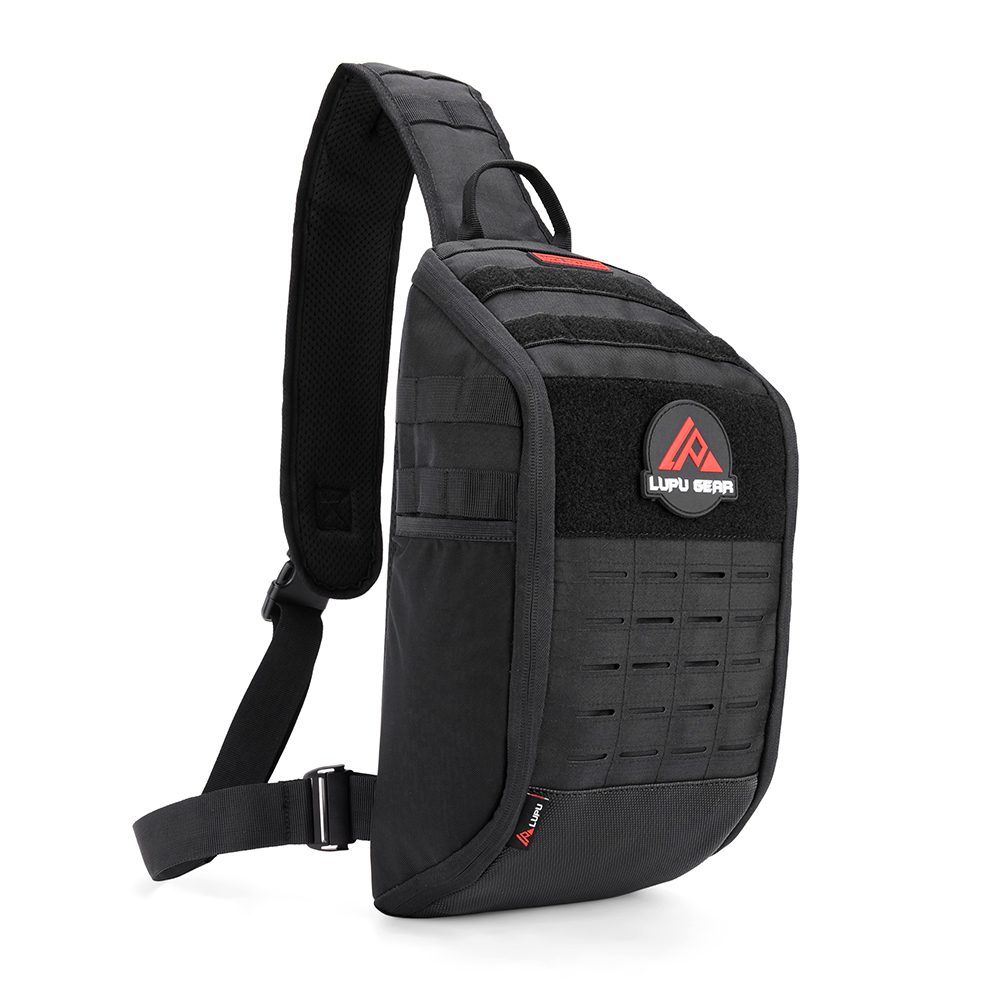
A tactical sling bag is a specialized type of sling bag designed to combine convenience, durability, and organization, typically used by military personnel, law enforcement, outdoor enthusiasts, and increasingly by professionals who need a versatile carry solution. Key distinguishing features include:
- Materiales duraderos: Made from Cordura, high-denier nylon, or water-resistant fabrics.
- Diseño modular: MOLLE webbing allows attachment of accessories and gear.
- Ergonomics: Padded straps and back panels enhance comfort during prolonged use.
- Secure Compartments: Hidden or anti-theft pockets protect valuable items.
- Multi-Purpose: Designed for both everyday use and field operations.
Tactical sling bags are widely used by security personnel, law enforcement, military professionals, outdoor enthusiasts, and urban commuters who value organization, accessibility, and reliability.
4. What Makes a Tactical Sling Bag “The Best”?

Selecting the best tactical sling bag requires considering several key factors:
4.1 Durability and Material
- High-denier nylon and Cordura fabrics resist wear, tear, and punctures.
- Water-resistant coatings protect items from moisture.
- Reinforced stitching and heavy-duty hardware increase lifespan.
4.2 Ergonomics and Comfort
- Adjustable, padded straps reduce shoulder strain.
- Breathable back panels prevent heat buildup.
- Ergonomic design ensures weight distribution for long-term comfort.
4.3 Organization and Accessibility
- Multiple compartments and pockets improve organization.
- Quick-access pouches allow retrieval of essential items.
- MOLLE attachments enable customization for specialized gear.
4.4 Versatility
- Adaptable for EDC, commuting, tactical operations, and outdoor use.
- Suitable for both professional and personal applications.
4.5 Security Features
Anti-theft zippers, hidden compartments, and RFID protection safeguard personal and sensitive items.
- The combination of these features ensures the tactical sling bag meets the high standards required by professional users and organizations, making it a reliable and practical choice.
5. Top Types of Tactical Sling Bags
The best tactical sling bags can be categorized based on design, purpose, and functionality:
5.1 Single-Strap vs. Double-Strap Options
- Single-Strap Pros: Lightweight, easy to swing to the front, ideal for quick access.
- Single-Strap Cons: Less weight support for heavy gear, potential shoulder fatigue.
- Double-Strap Pros: Better weight distribution, suitable for heavier loads.
- Double-Strap Cons: Less compact, slightly slower access.
Recommended Use: Single-strap for daily carry and urban professionals; double-strap for field and tactical operations.
5.2 Slim Tactical Sling Bags for Urban Professionals
- Compact and lightweight for office and city use.
- Features laptop or tablet compartments, document pockets, and organized storage.
- Ideal for EDC, commuting, and light travel.
5.3 Heavy-Duty Tactical Sling Bags for Field and Security Personnel
- Reinforced materials, high load capacity, and weather-resistant construction.
- Designed for outdoor, law enforcement, and security applications.
- Can carry tools, equipment, and supplies safely.
5.4 Modular Tactical Sling Bags for Multi-Purpose Use
- Equipped with MOLLE webbing and customizable compartments.
- Adaptable for tactical missions, outdoor adventures, and professional applications.
- Allows attachment of additional pouches, first aid kits, and gear.
Comparison Table:
|
Tipo |
Características |
Recommended Use |
Price Range |
|
Single-Strap |
Lightweight, ergonomic |
EDC, commuting |
$40–$120 |
|
Double-Strap |
Heavy load support |
Security, tactical |
$80–$200 |
|
Slim |
Compact, stylish, laptop compartment |
Urban professionals |
$50–$130 |
|
Modular |
MOLLE system, customizable |
Tactical, multi-purpose |
$90–$250 |
6. Factors to Consider When Buying the Best Tactical Sling Bags for Your Business
When purchasing tactical sling bags for a business or organization, the considerations go far beyond personal preference. Organizations must evaluate bags from a cost-efficiency, operational suitability, and compliance standpoint. Here’s a detailed breakdown of the key factors:
6.1 Purpose and Use Case
- Employee Daily Use (EDC): Bags should be lightweight, ergonomic, and stylish enough for urban professionals.
- Security and Law Enforcement: Focus on durability, modularity (MOLLE compatibility), and high-capacity compartments for tools and devices.
- Outdoor Operations: Waterproof, abrasion-resistant, and versatile for multiple environments.
6.2 Quantity and Budget
- Determine the volume needed for procurement and negotiate bulk discounts.
- Consider long-term value versus initial cost; sometimes a higher upfront cost is justified by longer lifespan and fewer replacements.
6.3 Quality Standards and Compliance
- Verify material specifications: high-denier nylon, Cordura, reinforced stitching, weather resistance.
- Ensure compliance with local and international safety standards, especially for security or tactical use.
- Check manufacturer certifications (ISO, CE) if applicable.
6.4 Ergonomics and Comfort
- Adjustable and padded straps to accommodate diverse users.
- Breathable back panels for prolonged wear.
- Quick-access design reduces operational delays.
6.5 Customization and Branding Options
- OEM/ODM capabilities for company logos, color schemes, or specific compartment configurations.
- Consider modular bags with removable pouches for adaptable use across departments.
6.6 Supplier Reliability
- Assess supplier’s production capacity, delivery times, and consistency in quality.
- Evaluate customer support, warranty, and after-sales service.
Professional Tip: Businesses should prioritize bags that can withstand daily wear across multiple users without compromising functionality or safety.
7. How to Evaluate the Best Tactical Sling Bag for Your Needs
Selecting the best tactical sling bag requires a structured evaluation process to ensure the bag matches operational or personal requirements. Here’s a step-by-step professional guide:
7.1 Material Assessment
- Examine the primary fabric: high-denier nylon or Cordura for abrasion resistance.
- Check waterproof coatings or linings for protection in wet conditions.
- Evaluate stitching quality—reinforced stress points are critical.
7.2 Weight and Ergonomics
- Test the bag with typical loads: 5–15 kg for field use, 2–5 kg for EDC.
- Evaluate strap adjustability and padding thickness.
- Confirm whether weight distribution minimizes shoulder and back fatigue.
7.3 Storage and Organization
- Count the number of compartments and specialized pockets.
- Check if MOLLE webbing allows customization for additional pouches or tools.
- Evaluate accessibility: can key items be reached quickly without removing the bag?
7.4 Security Features
- Anti-theft zippers and hidden pockets.
- RFID-blocking compartments for sensitive cards or devices.
- Reinforced hardware to prevent tampering.
7.5 Durability Testing
- Consider abrasion, tear, and water resistance tests (if data available).
- Examine how zippers, buckles, and Velcro hold up under stress.
7.6 Cost vs Value Analysis
- Compare features against the price.
- Consider long-term durability and replacement frequency.
Pro Tip: Create a scoring matrix for each candidate bag, rating on material, ergonomics, modularity, security, and price. This quantifiable evaluation helps select the best tactical sling bag objectively.
8. How to Choose the Best Tactical Sling Bag for You
Choosing the best tactical sling bag involves matching your specific needs with the bag’s features. For professionals or business buyers, this process is more detailed than for casual users.
8.1 Define Your Primary Use
Daily urban carry: prioritize lightweight, slim design, laptop protection.
Tactical/security use: focus on durability, MOLLE compatibility, and compartment customization.
Outdoor or field operations: waterproof, high-capacity, and heavy-duty materials.
8.2 Consider the User Demographics
- Adjustable straps are essential for different body types.
- Back support and ergonomics should accommodate prolonged use by multiple staff.
- Urban users may prefer more compact and stylish designs, while field personnel prioritize ruggedness.
8.3 Compare Types and Models
- Slim vs heavy-duty vs modular: weigh pros and cons relative to your use case.
- Look for features like laptop sleeves, hydration compartments, or MOLLE attachment points.
- Review professional user feedback and case studies from similar industries.
8.4 Conduct Practical Testing
- If possible, physically test bags with loaded gear.
- Evaluate ease of access, strap comfort, and weight distribution.
- Test functionality in real-world scenarios to ensure operational efficiency.
8.5 Make a Data-Driven Decision
- Create a checklist of “must-have”and “nice-to-have”
- Score each option based on durability, ergonomics, storage, modularity, and cost.
- Prioritize bags that offer long-term value and adaptability for multiple use cases.
Key Insight: The best tactical sling bag balances practicality, durability, and cost-efficiency while fitting the specific workflow and operational environment.
9. How to Find the Best Tactical Sling Bags Manufacturer
For businesses or B2B buyers, choosing the best tactical sling bag manufacturer is crucial to ensure product quality, consistency, and reliable supply. Here’s a professional framework:
9.1 Supplier Credentials
- Review company history, production capacity, and certifications (ISO, CE).
- Ask for sample products to verify materials and build quality.
9.2 Product Customization Capabilities
- Check for OEM/ODM capabilities for branding, colors, logos, and specific compartment designs.
- Verify modular bag options if your organization requires adaptable or specialized features.
9.3 Minimum Order Quantity (MOQ) and Bulk Pricing
- Compare suppliers’MOQs and pricing tiers.
- Negotiate for long-term supply agreements to reduce per-unit cost.
9.4 Quality Control and Consistency
- Ensure the fabricante de equipo táctico has strict QC protocols for fabric, zippers, stitching, and hardware.
- Request inspection reports or third-party testing data.
9.5 Lead Time and Reliability
- Evaluate production lead times and shipment schedules.
- Assess supplier responsiveness to inquiries and after-sales support.
9.6 References and Industry Reputation
- Ask for references from other B2B clients in similar industries.
- Check online reviews, case studies, or client testimonials.
Professional Tip: A manufacturer that offers both high-quality materials and reliable logistics is critical for organizations sourcing the best tactical sling bag in bulk.
10. Maintenance and Care of the Best Tactical Sling Bag
Proper maintenance and care are critical for ensuring the longevity and reliability of the best tactical sling bag, especially for professional or business use where bags are used daily or under harsh conditions. A well-maintained bag not only extends its lifespan but also maintains functionality, comfort, and appearance. Here’s a detailed, professional guide:
10.1 Regular Cleaning
Surface Cleaning
- Use a soft brush or cloth to remove dust, dirt, and debris from the exterior.
- Avoid abrasive brushes that can damage water-resistant coatings or fabric fibers.
- Spot-clean stains with mild soap and lukewarm water.
Deep Cleaning
- Remove all detachable pouches, inserts, and modular accessories before washing.
- Use a sponge or soft cloth to clean the entire surface, paying attention to corners, seams, and stitching.
- Avoid submerging bags with metal hardware in water to prevent rust or corrosion.
Drying
- Air-dry in a well-ventilated area away from direct sunlight to prevent fading or heat damage.
- Do not use a dryer or high-heat sources, as this can weaken adhesives and coatings.
Pro Tip: Clean your tactical sling bag at least once a month if used daily, or after exposure to muddy, wet, or dusty conditions.
10.2 Zipper and Hardware Care
Zippers, buckles, and Velcro are often the first components to fail if not properly maintained.
- Zippers: Apply a silicone-based lubricant or zipper wax occasionally to keep zippers smooth and prevent snagging.
- Buckles and Clips: Inspect for cracks or wear; replace any damaged parts promptly.
- Velcro Straps: Remove lint and debris regularly to maintain grip and effectiveness.
Regular inspection of these components ensures that the bag remains fully functional and secure under professional or tactical use.
10.3 Storage Practices
Proper storage is crucial for preserving the structure and functionality of the bag:
- Store the bag in a cool, dry place to prevent mold, mildew, or material degradation.
- Keep it partially loaded to maintain the shape of compartments and avoid creasing.
- Avoid storing heavy items on top of the bag for extended periods to prevent deformation.
- Use dust bags or protective covers if available, especially for long-term storage or seasonal rotation.
Tip for Businesses: If supplying bags for employees or teams, provide guidance on proper storage to ensure uniform lifespan across multiple users.
10.4 Inspection and Preventive Maintenance
Regular inspections allow early detection of wear or potential failure:
- Straps and Stitching: Check for fraying, loose threads, or weakening points. Reinforce or repair as needed.
- MOLLE Webbing and Pouches: Inspect attachment points to ensure modular components remain secure.
- Interior Lining: Look for tears or water damage, especially after heavy use.
- Water-Resistance: Test periodically with a small water spray to ensure coating remains effective.
Professional Tip: Keep a maintenance log for each bag if used in a business or tactical environment. This helps schedule repairs or replacements proactively and reduces operational downtime.
10.5 Waterproofing and Fabric Protection
Maintaining water resistance is essential for both personal and professional use:
- Reapply water-repellent sprays or coatings periodically, especially after cleaning.
- For prolonged outdoor use, consider lining compartments with waterproof inserts or dry bags for sensitive equipment.
- Avoid exposure to corrosive substances like salts or chemicals, which can degrade coatings.
10.6 Repair and Replacement Guidelines
Even the best tactical sling bag may require occasional repairs:
- Minor Repairs: Reinforce stitching or replace small buckles to extend bag life.
- Major Repairs: Replace worn straps or zippers through authorized service or a trusted professional.
- Replacement Planning: Set a replacement cycle based on usage intensity. For heavy-duty field use, replacement every 2–3 years may be optimal, while urban EDC bags may last 5+ years with proper care.
10.7 Professional and Business Recommendations
For organizations managing multiple tactical sling bags:
- Maintenance Protocols: Establish standardized cleaning and inspection schedules for employees.
- Training: Provide short instructional sessions on care and proper usage.
- Inventory Management: Track each bag’s maintenance history, especially for security, law enforcement, or tactical teams.
- Bulk Care Solutions: Consider partnerships with cleaning services experienced in handling technical gear.
Key Insight: Well-maintained tactical sling bags not only last longer but also maintain their ergonomic, modular, and security features—ensuring that your team’s operational efficiency is never compromised.
11. Conclusion
The best tactical sling bag balances durability, comfort, organization, and versatility. Choosing the right bag involves evaluating materials, ergonomics, compartment design, and modular functionality. For businesses, procurement considerations like volume, cost, and manufacturer reliability are equally important.
By understanding types, key features, and evaluation criteria, individuals and organizations can confidently select the best tactical sling bag that meets their professional needs while ensuring longevity and practicality.
CTA: Explore our full tactical sling bag collection
for premium options suitable for professionals, security teams, and outdoor enthusiasts.
Relacionado:
Top 50:Lista mundial de marcas de equipamiento táctico
Los 12 mejores fabricantes de botas militares de combate del mundo