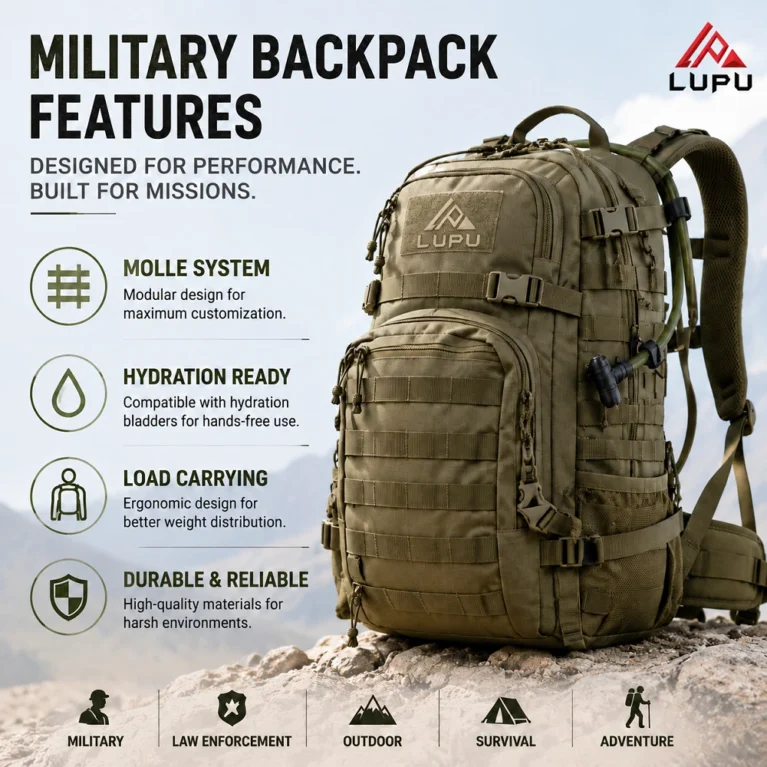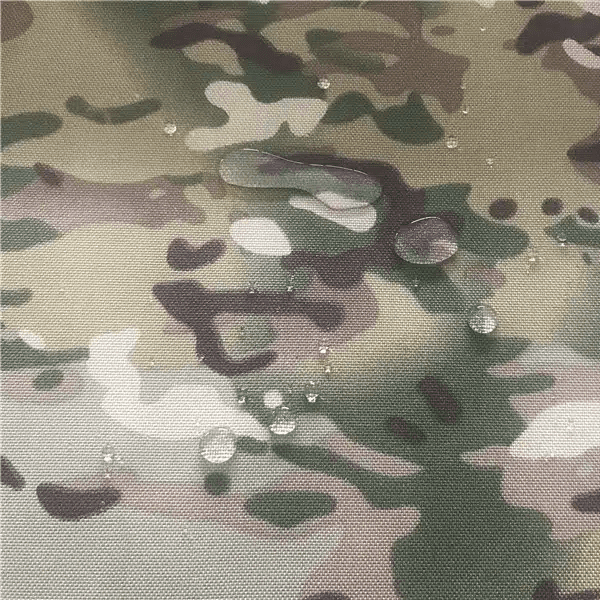
When selecting materials for outdoor gear, tactical equipment, or backpacks, understanding the Differences Between 500D Nylon & 1000D Nylon is crucial. These fabrics are both widely recognized for their excellent durability, abrasion resistance, and water repellency, making them popular choices for high-performance applications. However, despite these similarities, the differences in their denier ratings result in significant variations in strength, flexibility, and weight. Choosing the right nylon fabric can have a direct impact on the performance, comfort, and longevity of your gear, whether it is intended for hiking, military use, or everyday carry.
Beyond basic durability, the Differences Between 500D Nylon & 1000D Nylon also influence how gear behaves under stress, how easy it is to handle, and how well it protects the contents inside. For example, a lightweight backpack made with 500D nylon may offer excellent portability but may not withstand harsh conditions as effectively as a 1000D nylon pack. On the other hand, 1000D nylon provides superior toughness, making it ideal for heavy-duty tactical backpacks, luggage, or equipment designed to endure rigorous outdoor environments. In this article, we will explore these key differences in detail, helping you make an informed choice based on your specific needs.
What is Nylon Fabric?
Nylon fabric is a synthetic fiber textile primarily composed of polyamide fibers (commonly known as nylon). It was first successfully developed in the 1930s by the American chemist Wallace Carothers at DuPont.
What are the Characteristics of Nylon Fabric?
This fabric possesses high strength and excellent abrasion resistance—ranking among the best of all synthetic fibers in terms of durability. It is frequently used to manufacture sportswear, shell jackets, mountaineering gear, socks, and various outdoor equipment. Nylon fabric also features good elasticity and resilience; it is wind-resistant, moth-proof, corrosion-resistant, easy to wash, and quick-drying. When treated with a coating, nylon fabric acquires additional functions such as waterproofing, windproofing, and water repellency, making it suitable for use in harsh weather conditions.
What are Some Common Types of Nylon Fabric?
Common types of nylon fabric include nylon taffeta (such as Nylon Ripstop), Oxford fabric, and four-way stretch fabrics. These are widely utilized in the manufacture of clothing, bags, tents, sleeping bags, and similar products.
What are the Disadvantages of Nylon Fabric?
Nylon fabric generally suffers from poor breathability, a tendency to generate static electricity, and high moisture absorption. Its dimensional stability decreases in humid environments, and it lacks resistance to high temperatures and intense light exposure; prolonged exposure to direct sunlight can lead to fiber degradation.
What Denier Counts are Available for Nylon Fabric?
Common denier (D) counts for nylon fabric include 15D, 30D, 40D, 70D, 100D, 420D, 500D, 1000D, and others. This range covers a full spectrum of requirements, from ultra-fine, lightweight applications to heavy-duty, abrasion-resistant uses.
Ultra-Fine Types (15D–60D):
- 15D–30D: Extremely lightweight and thin; used for summer hosiery and ultra-lightweight down jacket shells. While highly breathable, it is relatively delicate and prone to damage.
- 40D–60D: Medium thickness; commonly found in sun-protection clothing and as the base fabric for windbreakers. It strikes a balance between lightweight comfort and a certain degree of protective capability.
Medium-Strength Category (70D–300D):
- 70D–150D: Widely used for garment linings, sleeping bags, and lightweight tents, offering a balance between weight and durability.
- 200D–300D: Commonly found in luggage linings and jacket shells, enhancing tear resistance.
High-Strength, Abrasion-Resistant Category (400D and above):
- 420D: Frequently used for the main body of outdoor backpacks; highly resistant to scratches and tears, making it suitable for multi-day hiking trips.
- 500D: Often applied to backpack bottoms or high-wear areas to enhance structural durability.
- 1000D: The ultimate protective specification, designed specifically for military gear, tactical backpacks, and heavy-duty luggage; extremely resistant to abrasion.
- 1680D: Used in select high-end protective gear, offering a strength level approaching that of ballistic materials.
It is worth noting that the Denier (D) count reflects only the thickness of a single yarn strand; actual fabric strength is also influenced by factors such as weave pattern (e.g., Ripstop), coating processes, and composite layer designs. For instance, CORDURA nylon—at the same Denier count—can offer more than twice the abrasion resistance of standard nylon.
What Denier counts of nylon fabric are commonly used for tactical backpacks?
The nylon fabric Denier counts most commonly used for tactical backpacks primarily include 500D and 1000D, while some high-end or specialized products may utilize 1680D.
What is 500D nylon fabric?
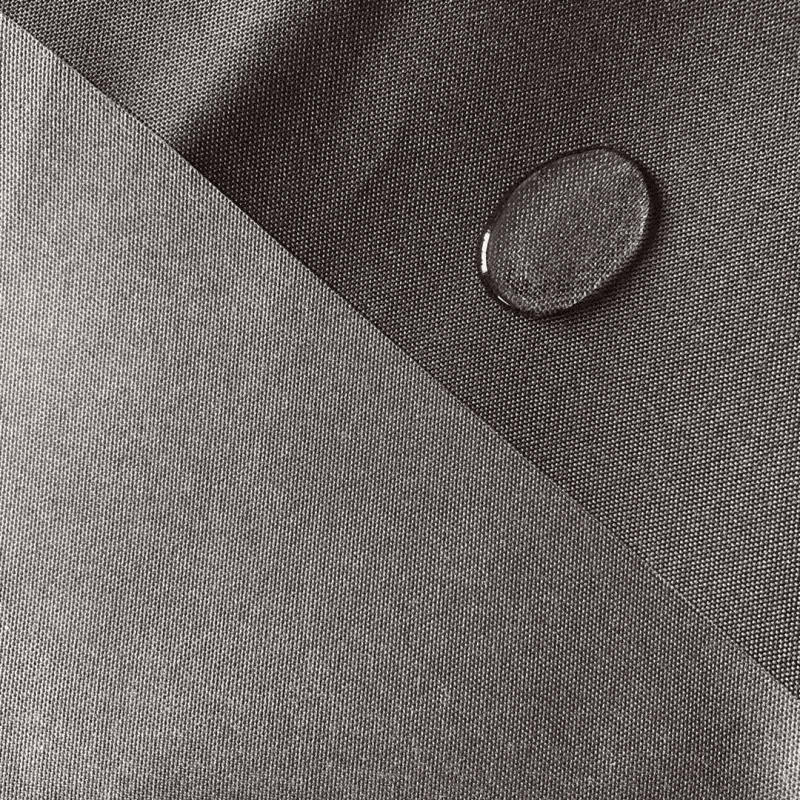
500D nylon fabric is a high-strength synthetic textile made from polyamide fibers (nylon) with a yarn thickness of 500 Denier. It is widely employed in outdoor and tactical gear where high durability is a critical requirement. The designation “500D” signifies that a strand of fiber 9,000 meters in length weighs 500 grams. Material Composition
The primary component is 100% high-density nylon (polyamide fiber); specific variants may utilize Nylon 6 or Nylon 66 (such as CORDURA®).
Functional coatings—such as waterproof PU finishes, flame retardants, and infrared-resistant treatments—can be applied to enhance overall performance.
Strength and Durability
- High Tear Resistance: Offers over three times the scratch resistance of standard fabrics; a 1-square-centimeter section can withstand a tensile force of approximately 15 kilograms.
- Excellent Abrasion Resistance: Laboratory Martindale tests demonstrate durability exceeding 8,000 cycles without damage; select products have successfully passed abrasion tests exceeding 100,000 cycles.
- Puncture and Impact Resistance: Well-suited for enduring harsh environments involving contact with branches, friction against gravel, and the dragging of heavy equipment.
Weight and Thickness
Classified as a medium-weight fabric, with a density of approximately 290 grams per square meter; it is significantly lighter than 1000D nylon, facilitating ease of transport and comfortable use over extended periods.
It possesses a relatively soft hand feel and resists creasing when folded, making it ideal for manufacturing backpacks, tactical gear, and other items that undergo frequent opening and closing.
Water Resistance and Protective Features
- Basic Water Resistance: In its uncoated state, it can withstand light rain (water pressure rating of approximately 2,000 mm); with the application of a PU coating, this rating exceeds 5,000 mm, providing effective water repellency.
- Functional Upgrades:
- Flame Retardancy: Complies with international standards such as NFPA 701 and CPAI-84, making it suitable for industrial and military applications.
- Infrared Resistance: Select camouflage variants feature infrared-resistant properties, designed for use in special operations environments.
- Triple-Resistant Finish (Water, Oil, and Stain Repellency): Treated with TEFLON® to enhance convenience and ease of maintenance during daily use.
Common Applications
- Tactical and Military Gear: Tactical backpacks, ammunition pouches, outer shells for ballistic vests, military tents, etc.
- Outdoor Equipment: Mountaineering packs, travel luggage, tent groundsheets, and high-wear components such as knee and elbow pads. Industrial Protection: Designed for demanding work environments, including welder’s aprons, tool bags, chemical protective clothing, and more.
- Fashion & Functional Bags: Featuring designs that blend aesthetics with utility—such as high-end commuter bags, trendy backpacks, and motorcycle apparel.
What is 1000D Nylon Fabric?
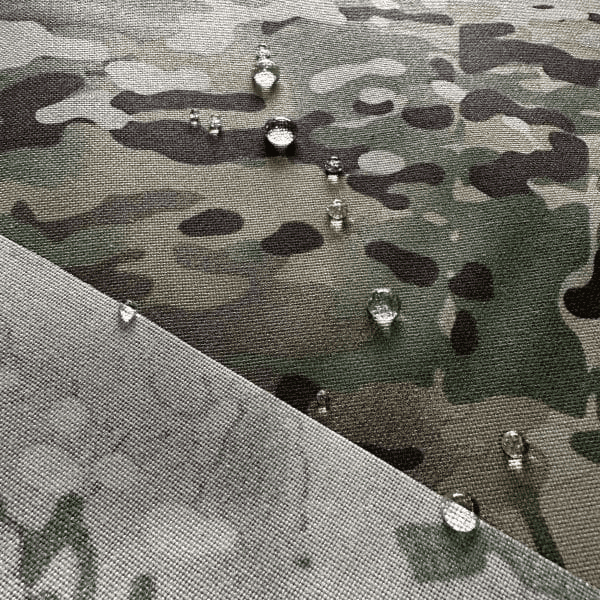
1000D nylon fabric is a high-strength synthetic textile characterized by a yarn thickness of 1000 Denier. Representing the pinnacle of heavy-duty, abrasion-resistant fabrics, it is widely utilized in tactical, outdoor, and industrial gear where extreme durability is paramount. The designation “1000D” signifies that a fiber strand 9,000 meters in length weighs 1,000 grams.
Material Composition
Its primary component is 100% high-density nylon (polyamide fiber). Commonly, this takes the form of Nylon 6.6 (such as CORDURA® brand fabrics), which boasts a higher melting point and superior tensile strength.
The surface is frequently treated with a PU or TPU coating to enhance performance regarding water resistance, scratch resistance, and infrared reflectivity; select products also incorporate additional functionalities such as flame retardancy, antimicrobial properties, and anti-static protection.
It can be printed with camouflage patterns, making it suitable for military concealment requirements.
Strength and Durability
- Exceptional Tear Resistance: Woven with high-density warp and weft threads, it possesses extremely high tensile strength, enabling it to withstand repeated friction, compression, and snagging in extreme environments.
- Extreme Abrasion Resistance: Laboratory testing indicates that its abrasion resistance lifespan exceeds that of ordinary cotton fabric by more than tenfold; it maintains its structural integrity even under the stress of heavy-load dragging.
- Superior Puncture Resistance: Its dense structure effectively resists penetration by sharp objects, making it ideal for high-risk applications such as tactical backpacks, gun cases, and military vehicle covers.
Weight and Thickness
Classified as a heavy-duty fabric, its weight typically ranges between 330–350 grams per square meter—significantly heavier than 500D nylon (approx. 290 g/m²).
It possesses a stiff, rigid hand-feel and resists deformation, making it well-suited for gear designs that require structural support—such as hard-shell backpacks and protective cases. Although slightly less portable, its characteristic of becoming “more reliable with use” makes it highly favored within professional fields.
Water Resistance and Protective Features
- Basic Water Resistance: Possesses inherent splash-resistance in its uncoated state; following a dual-layer PU/TPU coating treatment, its waterproof rating can exceed 1200mm, making it suitable for use in heavy rain environments.
- Enhanced Multifunctional Protection:
- Flame Retardancy: Complies with military or industrial fire safety standards, making it suitable for high-temperature work environments.
- Infrared Concealment: Certain camouflage variants can evade detection by night-vision equipment, serving specific applications in special operations.
- Triple-Protection Treatment (Water-, Oil-, and Stain-Repellent): Treated with finishes such as TEFLON® to simplify daily maintenance and cleaning.
Common Applications:
- Military and Law Enforcement Gear: Tactical backpacks, ammunition carriers, outer shells for ballistic vests, military tents, firearm cases, etc.
- Heavy-DutyOutdoor Equipment: Backpack bottoms (for mountaineering packs), extreme-environment tents, expedition-grade sleeping bag shells, heavy-duty duffel bags, etc.
- Industrial and Transport Sectors: Tool bags, heavy-duty protective covers, forklift covers, logistics bulk bags, etc.
- High-End Functional Luggage: CORDURA® brand 1000D fabric is widely utilized in premium commuter bags, motorcycle gear bags, travel luggage, and similar items, offering a perfect balance of durability and aesthetic appeal.
500D Nylon & 1000D Nylon Fabrics Comparison
The core differences between 500D and 1000D nylon fabrics lie in their fiber thickness, weight, abrasion resistance, and intended applications; the two present a distinct contrast in the balance between strength and portability.
Core Performance Comparison:
|
Property |
500D Nylon |
1000D Nylon |
|
Fiber Thickness |
Finer |
Thicker, more robust |
|
Weight (approx.) |
290g/m² |
330–350g/m² |
|
Hand Feel |
Soft, flexible, easy to fold |
Stiff, structured, firm texture |
|
Abrasion Resistance |
High, suitable for daily and moderate use |
Extremely high, withstands severe friction and heavy-duty stress |
|
Tear Strength |
Strong, lab-tested to over 8,000 cycles without damage |
Exceptionally strong, commonly used in military-grade gear |
|
Water Resistance |
Up to 5,000mm+ hydrostatic head with coating |
Typically exceeds 1,200mm, some reach 5,000mm+ |
|
Weight & Portability |
Lightweight, ideal for extended wear |
Heavier, trades portability for maximum durability |
Note: When made with CORDURA® branded fabric, abrasion resistance can be 2x higher than standard nylon at the same denier.
Differences in Application Scenarios:
Applications for 500D Nylon
- Daily commuter backpacks, lightweight tactical packs, urban EDC gear
- Outdoor hiking packs, reinforcement panels for shell jackets, luggage exteriors
- Product designs requiring a balance between comfort and durability
Advantages: Lightweight + Good Protection—representing an ideal balance point for most users.
Applications for 1000D Nylon
- Military backpacks, tactical gun cases, heavy-duty tool bags
- Tents for extreme environments, mountaineering expedition packs, industrial protective covers
- High-wear areas (e.g., backpack bottoms, shoulder strap contact surfaces)
Advantages: Extreme abrasion resistance, puncture resistance, structural stability—specifically designed for harsh environments.
Practical Selection Recommendations
|
Use Case |
Recommended Denier |
Reason |
|
Daily Commute / Urban EDC |
500D |
Lightweight and comfortable, low body strain, discreet appearance |
|
Multi-day Hiking / Outdoor Expeditions |
500D–1000D |
Use 1000D for high-wear areas (e.g., bottom, straps) |
|
Military / Law Enforcement / Extreme Missions |
1000D or higher |
Ensures gear reliability under high-pressure conditions |
|
Budget-conscious Purchase |
500D |
Lower cost with excellent cost-performance ratio |
|
Maximum Durability Focus |
1000D |
Long-term use reduces replacement frequency and cost |
Is there a significant price differences between 500D nylon & 1000D nylon fabrics?
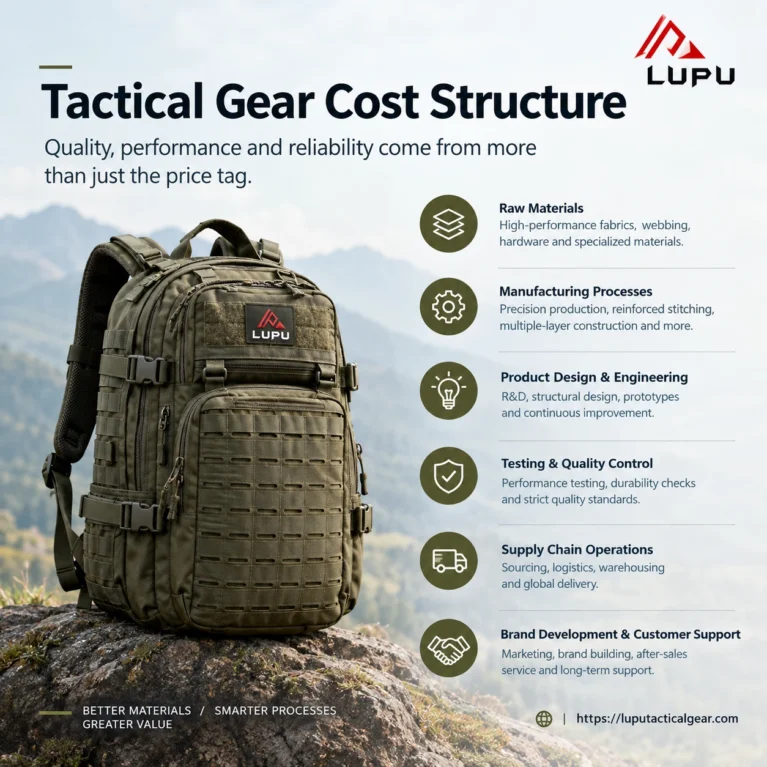
There is indeed a notable price difference between 500D and 1000D nylon fabrics; typically, 1000D nylon commands a higher price than 500D. This is primarily due to its denser material composition, higher fabric weight (gsm), and consequently, higher production costs.
Analysis of Factors Influencing Price
|
Factor |
500D Nylon |
1000D Nylon |
|
Raw Material Consumption |
Lower, less yarn used per unit area |
Higher, thicker fibers and denser weave increase material cost by ~30%-50% |
|
Weight & Thickness |
~290g/m², lightweight design |
330–350g/m², increased weight raises production and shipping costs |
|
Manufacturing Process |
Standard weaving, mature technology |
High-density weaving requires specialized equipment, higher energy and maintenance costs |
|
Brand Premium |
Common in consumer products, competitive pricing, transparent market |
Frequently used in military/spec ops gear (e.g., CORDURA®), significant brand markup |
Note: High-performance branded fabrics like CORDURA® can cost over 2x more than standard nylon at the same denier.
Market Reference Price Comparison (Based on Wholesale Rates)
|
Fabric Type |
Approx. Price (CNY/meter) |
Notes |
|
Standard 500D Nylon Oxford |
25–35 CNY |
Common for civilian bags, high cost-performance ratio |
|
CORDURA® 500D |
60–80 CNY |
Military-grade standard, significantly enhanced durability |
|
Standard 1000D Nylon |
40–55 CNY |
Heavy-duty use, suitable for extreme conditions |
|
CORDURA® 1000D |
90–130 CNY |
Top-tier protection, widely used in tactical packs and military gear |
Data sourced from Alibaba platform spot price trends; actual prices may vary based on width, coating type, and order volume.
Balancing Cost and Functional Value
- Short-term Cost: 500D offers a distinct advantage, making it suitable for users with limited budgets or those for whom weight is a critical factor.
- Long-term Value: Although 1000D entails a higher initial investment, its exceptional durability and resistance to tearing mean that—in scenarios involving frequent use or harsh environments—it reduces the need for replacements, thereby lowering the overall cost of ownership.
For example: A tactical backpack constructed from 1000D CORDURA® might be priced at 1.5 times the cost of a 500D model; however, its service life can exceed that of the 500D version by more than twofold, making it an ideal choice for professional users.
How to Choose: 500D nylon fabrics and 1000D nylon fabrics?
The selection between 500D and 1000D nylon fabrics requires precise alignment with the product’s positioning and intended use scenarios.
If the primary focus is on lightweight design and cost-effectiveness—targeting the consumer market or scenarios involving light-to-moderate use—500D nylon is the ideal choice. While ensuring fundamental abrasion resistance and protective capabilities, it effectively manages costs and is well-suited for categories such as urban commuter backpacks and standard outdoor gear.
Conversely, if the focus lies on durability in extreme environments and professional-grade protection—catering to applications such as military equipment, heavy-duty industrial tool bags, and extreme outdoor gear—1000D nylon is the superior option. Thanks to its coarser fiber structure and exceptional tear and abrasion resistance, it maintains product integrity even under frequent, high-intensity use. Although its initial procurement cost is higher, it ultimately reduces overall lifecycle costs by significantly extending the product’s lifespan.
Furthermore, the choice of brand and manufacturing process is critical to ensuring quality assurance. Prioritizing brand-name fabrics that hold military-grade certifications—and combining them with specialized treatments such as PU coatings or TEFLON® triple-protection finishes—can further enhance the fabric’s functional performance regarding water and stain resistance, thereby guaranteeing consistent product quality.
Conclusion
The Differences Between 500D Nylon & 1000D Nylon are significant in terms of strength, flexibility, weight, and suitability for specific applications. While 500D nylon excels in portability and flexibility, 1000D nylon provides superior durability for demanding environments. Choosing the right fabric ensures your gear performs reliably, whether for tactical operations, hiking, or everyday use. Understanding these differences allows consumers and tactical gear manufacturers to make informed material choices, optimizing both performance and longevity.
Related:
Top 50:Global Tactical Gear Brands List
Top 12 Military Combat Boots Manufacturers In The World
Differences Between 600D Oxford and 900D Oxford Fabrics