Introduction: The Engineering Behind a Professional Tactical Backpack
A professional tactical backpack is not simply a storage product; it is a carefully engineered piece of equipment designed to deliver durability, organization, comfort, and adaptability in demanding environments. From material selection and structural reinforcement to ergonomic carrying systems and precision manufacturing, every detail influences the final performance of the backpack.
Tactical Backpack Structure Design is the foundation of creating a reliable tactical pack. It determines how effectively a backpack handles weight, protects stored equipment, adapts to different applications, and performs over long periods of use.
Modern tactical backpacks are widely used across various fields, including outdoor activities, everyday carry (EDC), travel, emergency preparedness, professional equipment transportation, and specialized industries. As market expectations continue to increase, manufacturers must combine advanced materials, functional architecture, and manufacturing expertise to create products that meet diverse user requirements.
This article explores the complete process behind tactical backpack development, covering materials, structural components, ergonomic principles, manufacturing technologies, and customization solutions.
1. The Fundamentals of Tactical Backpack Structure Design
1.1 What Defines a Professional Tactical Backpack Structure?
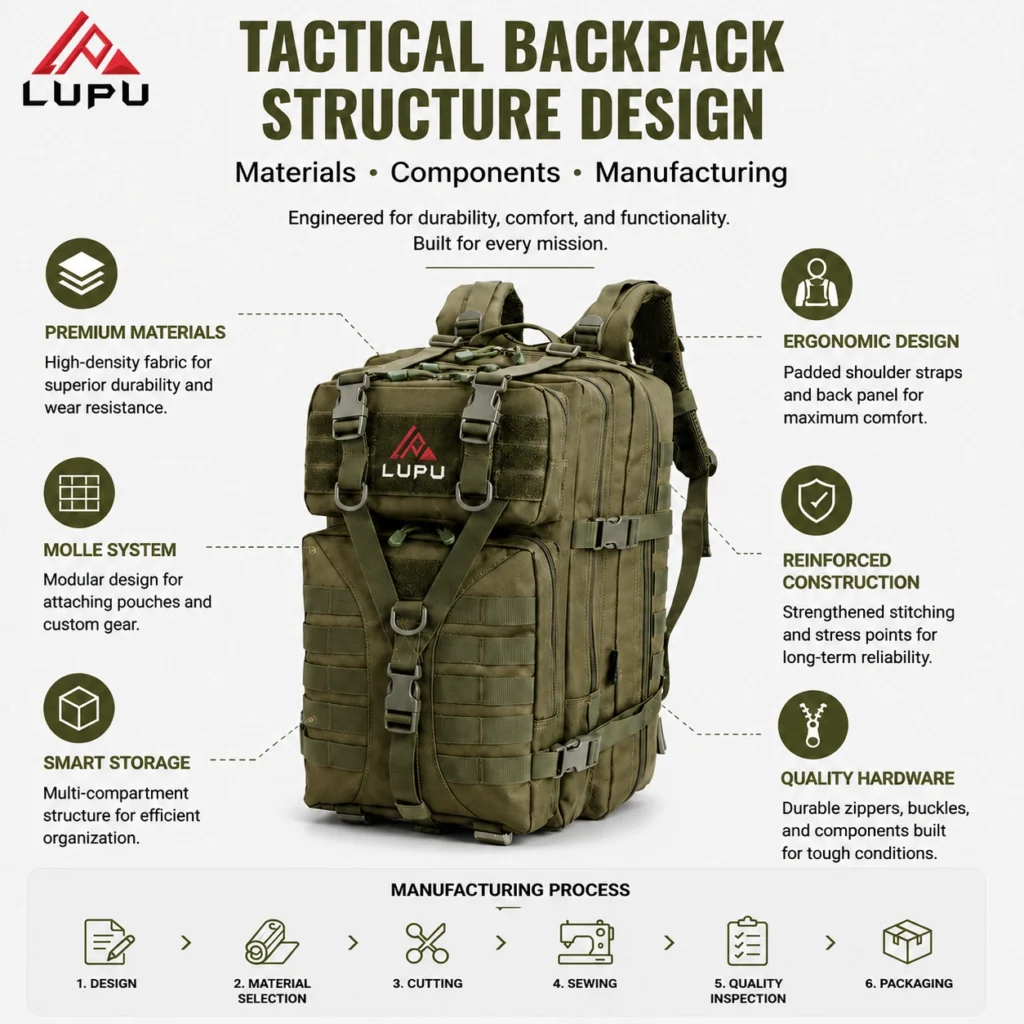
The structure of a tactical backpack is a combination of multiple engineered elements working together. Unlike conventional backpacks designed mainly for basic storage, tactical backpacks focus on performance, flexibility, and long-term durability.
A professional tactical backpack typically includes:
- Reinforced main body construction
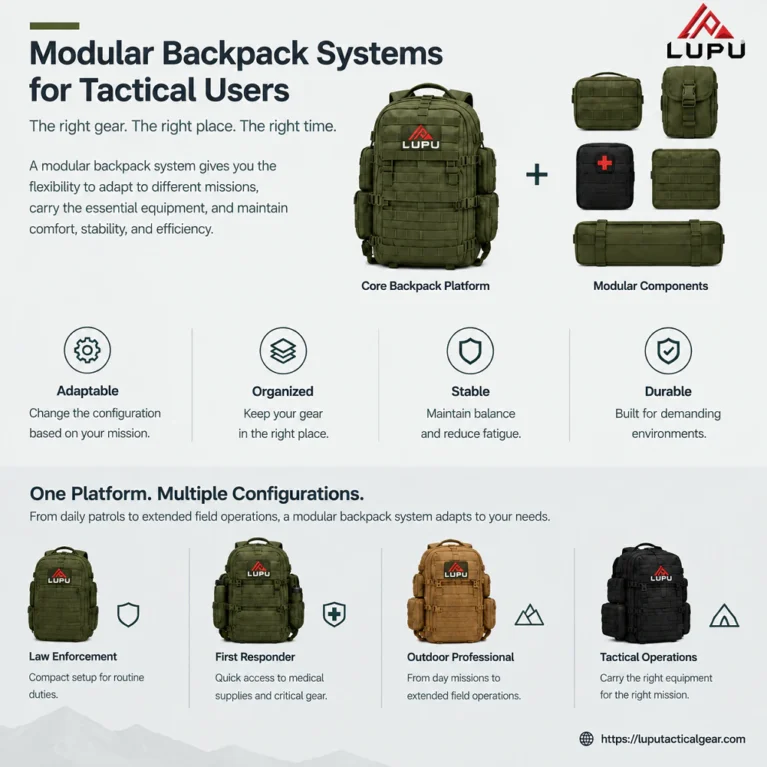
- Modular attachment systems
- Multiple organizational compartments
- Adjustable carrying systems
- High-strength hardware components
- Reinforced stress points
The purpose of these features is not simply to increase capacity, but to improve usability and reliability.
For example, a well-designed compartment layout allows users to quickly locate equipment without unnecessary searching. A reinforced bottom panel protects the backpack when placed on rough surfaces. A properly engineered shoulder strap system reduces fatigue when carrying heavier loads.
Every structural decision contributes to the overall user experience.
1.2 Core Principles of Tactical Backpack Design
Functionality-Oriented Design
A successful tactical backpack begins with understanding the user’s needs.
Designers must consider:
- What equipment will be carried?
- How frequently will items be accessed?
- What environments will the backpack be used in?
- What level of protection is required?
Each pocket, zipper, webbing panel, and attachment point should have a clear purpose.
A professional design avoids unnecessary complexity while maximizing practical functionality.
Durability and Reliability
Tactical backpacks are expected to perform under challenging conditions. Therefore, structural durability is one of the most important design considerations.
Key durability factors include:
- Fabric strength
- Stitching reinforcement
- Seam construction
- Hardware quality
- Load-bearing capability
A high-quality tactical backpack must maintain structural integrity after repeated use, exposure to outdoor conditions, and frequent loading cycles.
Ergonomic Performance
A tactical backpack may contain advanced materials and multiple features, but without ergonomic design, user comfort will be compromised.
Effective ergonomic design focuses on:
- Balanced weight distribution
- Reduced pressure points
- Improved ventilation
- Adjustable fitting systems
The best tactical backpack structure is one that allows users to carry equipment comfortably for extended periods.
2. Material Selection: The Foundation of Tactical Backpack Performance
2.1 Common Fabrics Used in Tactical Backpack Manufacturing
Material selection directly affects durability, weight, appearance, and overall performance.
500D Nylon
500D nylon is widely used in lightweight tactical backpack applications.
Advantages include:
- Excellent abrasion resistance
- Reduced overall weight
- Good balance between durability and mobility
It is suitable for:
- Outdoor backpacks
- Lightweight tactical packs
- Everyday carry products
1000D Nylon
1000D nylon is considered a heavy-duty tactical material.
Key characteristics:
- Superior abrasion resistance
- High tensile strength
- Long service life
It is commonly selected for professional applications requiring maximum durability.
900D Oxford Fabric
900D Oxford fabric provides an excellent balance between durability and cost efficiency.
Benefits include:
- Strong fabric structure
- Good wear resistance
- Practical waterproof performance
- Suitable weight-to-strength ratio
It is frequently used in:
- Urban tactical backpacks
- EDC backpacks
- Travel-oriented tactical products
The choice between nylon and Oxford fabric depends on the product positioning, target market, and intended usage environment.
2.2 Fabric Coatings and Finishing Technologies
Beyond the base fabric, additional treatments improve tactical backpack performance.
Common finishing technologies include:
PU Coating
Polyurethane coating improves:
- Water resistance
- Fabric durability
- Surface protection
DWR Treatment
Durable Water Repellent (DWR) finishing helps water form droplets and roll away from the fabric surface.
Benefits include:
- Improved weather resistance
- Easier cleaning
- Better outdoor performance
Anti-Abrasion Finishing
Additional protective treatments help reduce surface damage caused by friction and repeated use.
For professional tactical backpack manufacturing, material selection is always a balance between durability, weight, appearance, and production requirements.
3. Essential Components of Tactical Backpack Structure
3.1 Main Body Construction
The main body forms the foundation of the backpack structure.
Important components include:
Front Panel
The front panel often integrates:
- MOLLE webbing
- Hook-and-loop areas
- Additional storage pockets
It provides customization options and improves external functionality.
Back Panel
The back panel directly affects carrying comfort.
Professional designs often use:
- EVA foam padding
- 3D air mesh
- Ventilation channels
These features improve airflow and reduce heat accumulation.
Bottom Reinforcement
The bottom area experiences significant wear during daily use.
Reinforced construction improves:
- Abrasion resistance
- Load support
- Product lifespan
3.2 Compartment Architecture and Storage Design
A tactical backpack must provide efficient organization.
Main Compartment
The main compartment is designed for larger equipment storage.
Common features include:
- Wide opening design
- Internal dividers
- Elastic organizers
- Mesh zipper pockets
A well-designed main compartment allows users to separate equipment efficiently.
Administrative Compartment
This compartment is designed for smaller accessories:
- Documents
- Electronics
- Tools
- Daily essentials
It improves accessibility and prevents small items from becoming difficult to locate.
Side Storage Pockets
Side pockets provide quick access storage for:
- Water bottles
- Umbrellas
- Compact equipment
Adjustable straps help secure items during movement.
3.3 MOLLE System Design
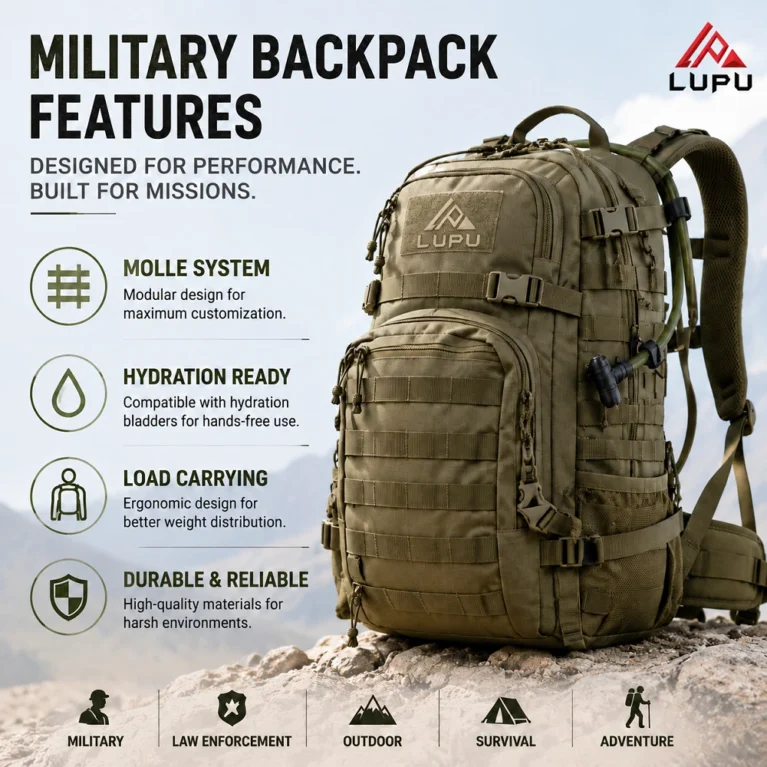
The MOLLE system is one of the most recognizable features of tactical backpacks.
A properly designed MOLLE system requires attention to:
- Webbing spacing
- Stitching strength
- Attachment compatibility
- Load distribution
MOLLE allows users to customize their backpack configuration by attaching additional pouches and accessories.
For manufacturers, MOLLE integration requires precise sewing techniques to ensure durability and consistent appearance.
3.4 Hook-and-Loop Customization Panels
Hook-and-loop panels provide additional personalization options.
Applications include:
- Identification patches
- Brand logos
- Custom markings
Important design considerations include:
- Panel placement
- Stitch reinforcement
- Surface durability
These details create additional value for both end users and brands.
4. Ergonomic Design: Balancing Comfort and Performance
4.1 Shoulder Strap Engineering
Shoulder straps are critical components in tactical backpack structure design.
Professional shoulder straps consider:
- Padding thickness
- Strap width
- Adjustment range
- Load distribution
High-quality designs reduce pressure concentration and improve carrying stability.
4.2 Ventilated Back Panel Technology
A modern tactical backpack requires effective ventilation.
Common solutions include:
- 3D breathable mesh
- High-density foam
- Airflow channels
These technologies help:
- Improve airflow
- Reduce sweating
- Increase carrying comfort
Ventilation becomes especially important during outdoor activities and extended carrying periods.
4.3 Chest Strap and Stability Systems
Adjustable chest straps improve backpack stability.
Benefits include:
- Better weight control
- Reduced shoulder movement
- Improved comfort during walking or travel
For larger backpacks, additional support systems may be integrated to improve load management.
5. Tactical Backpack Manufacturing Process
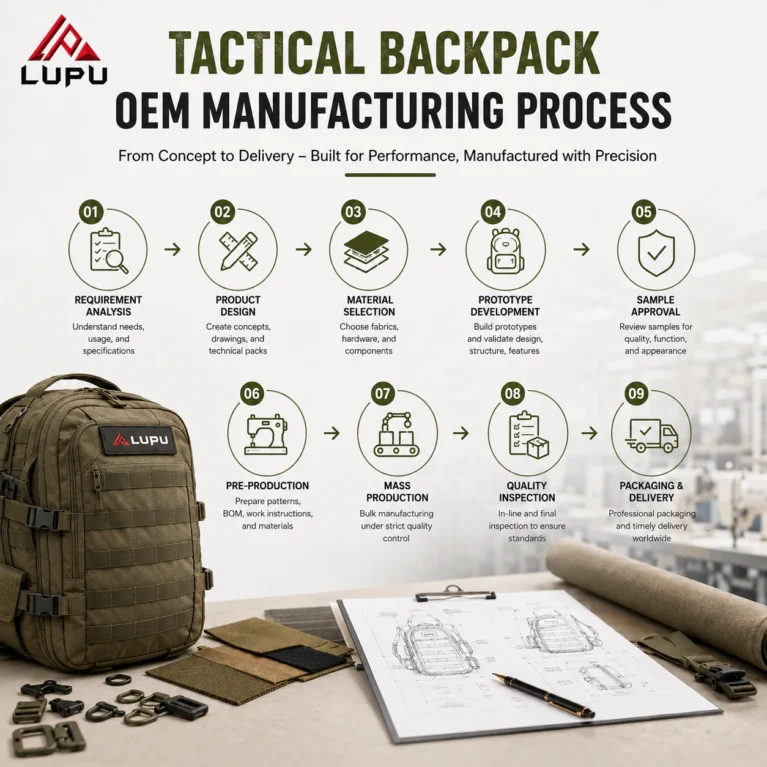
5.1 Product Development and Prototyping
A professional manufacturing process begins with product development.
Typical steps include:
- Market research
- Structural design
- Material selection
- Prototype production
- Functional testing
- Production optimization
Prototypes allow manufacturers to evaluate:
- Carrying comfort
- Storage efficiency
- Structural strength
- Manufacturing feasibility
5.2 Cutting and Sewing Manufacturing Technology
Precision manufacturing directly influences product quality.
Important processes include:
- Accurate fabric cutting
- Reinforced stitching
- Bartack reinforcement
- Seam inspection
High-stress areas such as:
- Shoulder strap connections
- Handle attachments
- MOLLE sections
require additional reinforcement.
5.3 Hardware Assembly
Hardware components include:
- Zippers
- Buckles
- Webbing
- Adjustment systems
Reliable hardware improves:
- Product durability
- User experience
- Long-term performance
6. Quality Control in Tactical Backpack Production
6.1 Material Inspection
Before production begins, manufacturers evaluate:
- Fabric quality
- Color consistency
- Coating performance
6.2 Structural Testing
Professional testing may include:
- Load testing
- Strap strength testing
- Stitch inspection
- Abrasion evaluation
These tests ensure the backpack performs consistently.
6.3 Real-World Performance Evaluation
Field testing provides valuable feedback about:
- Comfort
- Functionality
- Dauerhaftigkeit
Combining laboratory inspection with practical evaluation creates a more reliable final product.
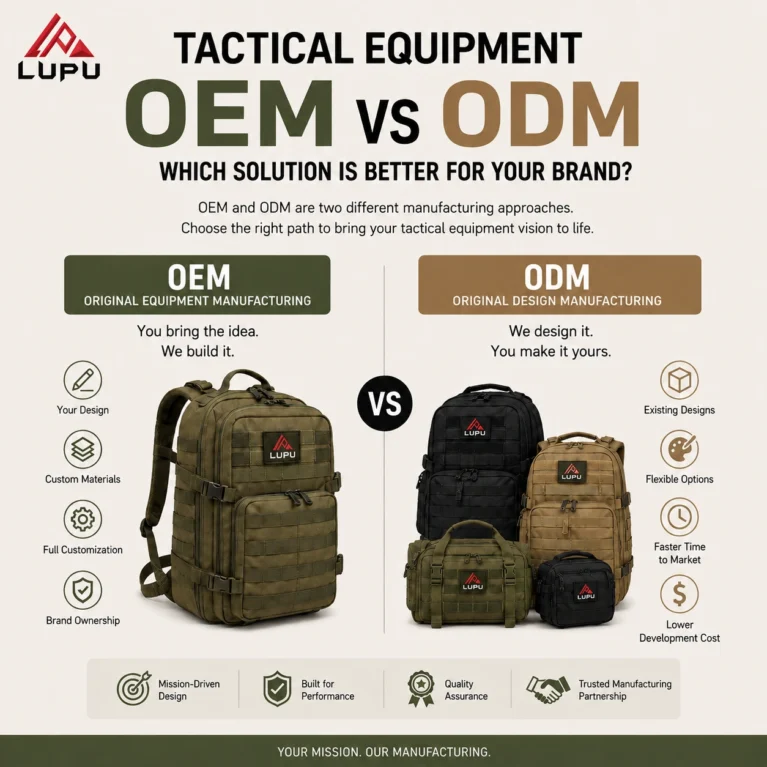
7. Custom Tactical Backpack Development: OEM & ODM Solutions
For brands seeking unique tactical backpack products, customization capability is essential.
A professional tactical backpack manufacturer can support:
- Product concept development
- Material selection
- Structural customization
- Prototype creation
- Mass production
7.1 Customization Options
Brands can customize:
- Fabric materials
- Colors
- Logo applications
- MOLLE layouts
- Pocket structures
- Hardware selections
This flexibility allows businesses to create products aligned with their market positioning.
7.2 Choosing the Right Manufacturing Partner
When selecting a tactical backpack supplier, companies should evaluate:
- Manufacturing experience
- Product development capability
- Quality control systems
- Customization support
- Production capacity
A reliable manufacturing partner helps transform product concepts into commercially successful solutions.
Conclusion: The Future of Tactical Backpack Structure Design
A professional tactical backpack represents the combination of engineering knowledge, material science, ergonomic research, and manufacturing expertise.
Tactical Backpack Structure Design is not only about adding more compartments or stronger materials. It is about creating a complete system where every component works together to deliver durability, comfort, organization, and adaptability.
As demand continues growing for outdoor equipment, EDC products, travel solutions, and professional gear, tactical backpack development will continue evolving through advanced materials, innovative structures, and smarter manufacturing processes.
For tactical brands seeking high-performance custom solutions, partnering with an experienced tactical backpack manufacturer is the key to developing reliable products that meet modern market expectations.
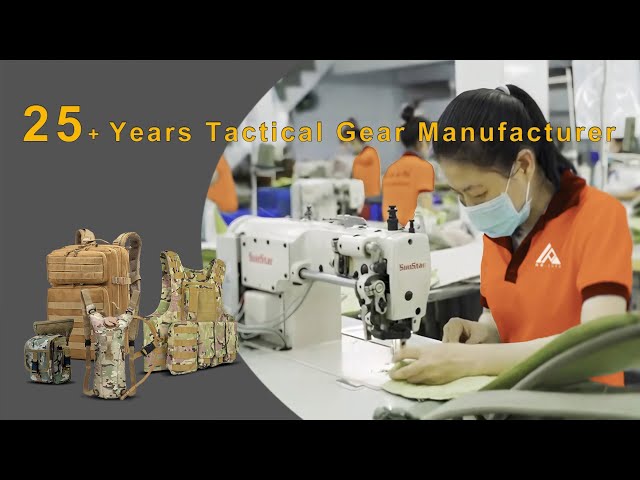
Looking for custom tactical backpack development? Partner with LUPU for professional OEM and ODM tactical gear manufacturing solutions.
Frequently Asked Questions (FAQ)
1. What is Tactical Backpack Structure Design?
Tactical Backpack Structure Design refers to the engineering process of developing a tactical backpack’s overall framework, including material selection, compartment layout, carrying system, reinforcement methods, and modular features. A well-designed structure improves durability, comfort, organization, and performance for different applications such as outdoor activities, EDC, travel, and professional use.
2. What materials are commonly used in tactical backpack manufacturing?
Common materials used in tactical backpack manufacturing include 500D nylon, 1000D nylon, and 900D Oxford fabric. These materials are selected based on durability, abrasion resistance, weight requirements, and application needs. Additional treatments such as PU coating and DWR finishing can further improve water resistance and long-term performance.
3. What are the key components of a professional tactical backpack?
A professional tactical backpack typically consists of several essential components, including:
- Durable outer fabric construction
- Reinforced stitching areas
- MOLLE webbing system
- Multiple storage compartments
- Ergonomic shoulder straps
- Ventilated back panel
- High-quality zippers and buckles
Each component plays an important role in improving functionality, reliability, and user comfort.
4. How does MOLLE system improve tactical backpack functionality?
The MOLLE system allows users to attach additional pouches and accessories to the backpack exterior. This modular design provides greater flexibility, enabling users to customize storage configurations according to different needs while improving equipment organization and accessibility.
5. Can manufacturers provide custom tactical backpack OEM and ODM services?
Yes. Professional tactical backpack manufacturers can provide OEM and ODM solutions, including custom designs, material selection, logo customization, pocket configuration, MOLLE layout, color options, and prototype development. These services help brands create unique tactical backpacks that match their target markets and product requirements.