When it comes to OEM tactical backpacks, selecting the right material—such as 1000D Nylon vs. 500D Cordura—is one of the most critical decisions Hersteller taktischer Ausrüstung must make. The fabric is not merely a component; it serves as the backbone of the product, determining its structural integrity. Factors such as durability, weight, and overall performance directly impact the quality, longevity, and end-user satisfaction of the finished backpack. For OEM buyers and brand owners, choosing the appropriate fabric density, measured in Denier, is a pivotal step in the product development process. A misstep here can result in a backpack that is either unnecessarily heavy for modern operators or, conversely, vulnerable to failure under demanding conditions.
Among the most commonly used materials, 1000D Nylon and 500D Cordura are frequently compared in tactical gear manufacturing. In this article, we will analyze their differences and provide insights to help OEMs make an informed, strategic choice.
Understanding the Materials
What is Denier?
Before diving into the comparison, it is essential to define the terms. Denier (D) is a unit of measure for the linear mass density of fiber. Specifically, it is the weight in grams of 9,000 meters of the fiber.
What is 1000D Nylon?
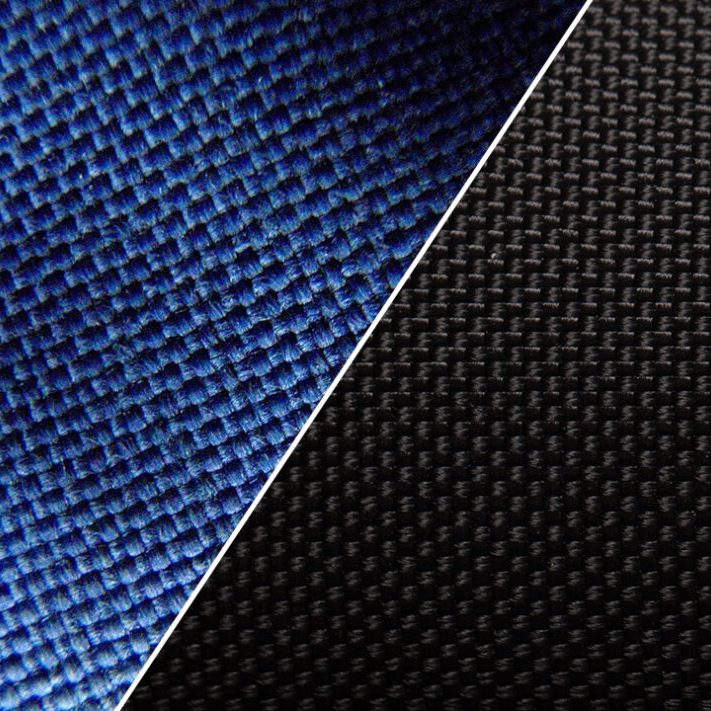
1000D Nylon is a high-denier synthetic polyamide known for its exceptional strength and durability. The “1000D” refers to the denier of the yarn, indicating thick, heavy-duty threads. This makes the fabric extremely resistant to abrasions, tears, and heavy loads. 1000D Nylon is commonly used in military backpacks, tactical gear, and other equipment designed to withstand rough conditions. Its high tensile strength ensures that backpacks retain their shape and integrity even under demanding use.
What is 500D Cordura?
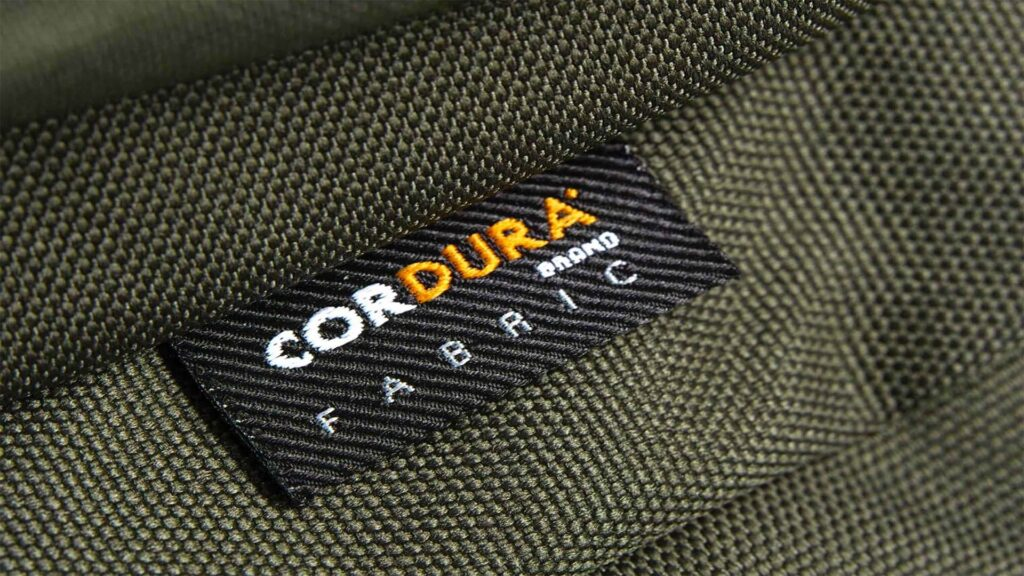
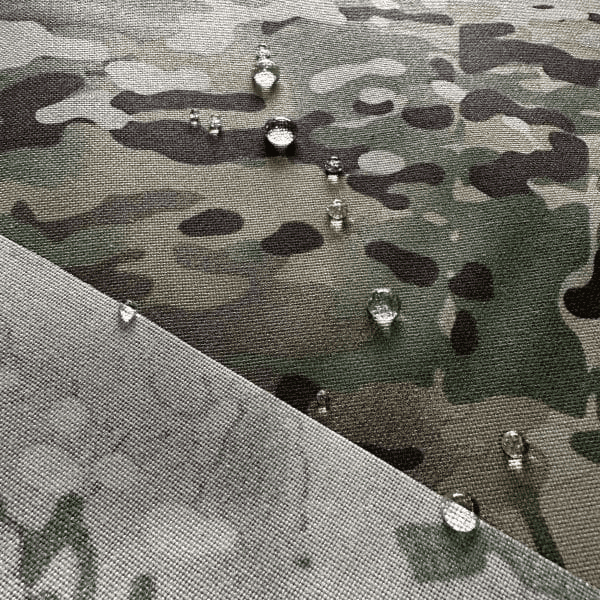
Cordura is a branded fabric often made from nylon or polyester, designed for durability and abrasion resistance. The “500D” indicates a moderate denier, making it lighter than 1000D Nylon. 500D Cordura is soft, flexible, and comfortable to handle while still offering good resistance to wear and tear. Many OEM tactical backpacks, travel packs, and outdoor gear use 500D Cordura because it balances durability with reduced weight, making backpacks easier to carry over long distances.
“Nylon” and “Cordura” Misconception
The Cordura Factor: It is a common misconception that “Nylon” and “Cordura” are different materials. Cordura is a brand of high-tenacity nylon 6,6 filaments. The key difference lies in the air-jet texturizing process used by Cordura, which creates a “fuzzy” surface texture. This texture is what gives Cordura its world-class abrasion resistance compared to standard, smooth-filament nylon.
1000D Nylon vs. 500D Cordura: Side-by-Side Comparison
|
Merkmal |
1000D Nylon |
500D Cordura |
|
Durability & Abrasion Resistance |
Excellent; ideal for extreme conditions |
Good; suitable for moderate tactical use |
|
Gewicht |
Heavier; adds bulk |
Lighter; improves mobility |
|
Tear Strength |
Very high; withstands heavy loads |
Moderate; may wear under extreme stress |
|
Water Resistance |
Moderate; often needs coating |
Pre-coated for water repellency |
|
Flexibility & Comfort |
Stiffer; may require break-in |
Softer; more comfortable for daily use |
|
Kosten |
Higher; premium durability |
Moderate; cost-effective option |
|
OEM Suitability |
Heavy-duty tactical backpacks |
Lightweight or modular tactical packs |
This table highlights the main differences between 1000D Nylon vs. 500D Cordura, making it easier for OEM manufacturers to decide based on specific product requirements.
Key Considerations for OEM Tactical Backpacks
Target User
Military personnel, law enforcement, and outdoor enthusiasts all have different requirements. Heavy-duty operations require maximum durability, while lightweight packs may prioritize mobility.
Load Capacity
Backpacks designed to carry full tactical loads or heavy equipment benefit from 1000D Nylon. Lighter, everyday tactical packs often perform well with 500D Cordura.
Cost vs. Durability
While 1000D Nylon offers unmatched durability, it comes at a higher cost. 500D Cordura is more budget-friendly and still provides good performance for moderately demanding applications.
Ease of Manufacturing
Both fabrics are widely used in OEM production, but 1000D Nylon can be stiffer and more difficult to sew, whereas 500D Cordura is easier to handle.
Aesthetics & Branding
Texture, color options, and perceived quality influence buyer preferences. 1000D Nylon often conveys a premium, rugged appearance, while 500D Cordura feels lighter and more flexible.
1000D Nylon vs. 500D Cordura: The Strengths and The OEM Trade-offs
1000D Nylon: The Traditional “Bomb-Proof” Heavyweight
For decades, 1000D Nylon was the gold standard for military-issue rucksacks. It was built for an era where gear was expected to survive being dragged across gravel and through dense jungle for years.
The Strengths:
- Extreme Tear Strength: It is nearly impossible to tear 1000D by hand, even with a pre-existing cut.
- Market Perception: Many “Old School” tactical enthusiasts associate weight with quality. A 1000D pack feels “indestructible” in a showroom.
- Puncture Resistance: Excellent for specialized bags carrying sharp tools or hardware.
The OEM Trade-offs:
- Weight Penalty: 1000D is roughly 40% heavier than 500D. In modern tactical doctrine, where “ounces equal pounds,” this is a significant disadvantage.
- Stiffness: The rigidity of 1000D makes it harder for factory workers to sew complex ergonomic curves, which can slightly increase labor costs.
- Landed Cost: Heavier products mean higher international air and sea freight costs.
500D Cordura®: The Modern Professional’s Choice
If you look at the gear used by modern Special Operations Forces (SOF), you will see a massive shift toward 500D. The philosophy has changed from “indestructible” to “mission-efficient.”
The Strengths:
- Superior Weight-to-Strength Ratio: 500D Cordura® offers approximately 90% of the abrasion resistance of 1000D but at roughly half the weight.
- Pliability: The fabric “drapes” better, allowing our designers to create more comfortable, body-contoured shoulder straps and back panels.
- Water Management: Because the weave is less bulky, it absorbs less water when wet and dries much faster than 1000D.
The OEM Trade-offs:
- Lower Tensile Strength: Under extreme laboratory stress tests, 500D will fail before 1000D. However, in 95% of real-world tactical applications, 500D exceeds the required safety margins.
Practical Applications and Use Cases
- Heavy Tactical Backpacks: 1000D Nylon is ideal for backpacks expected to carry full combat loads or endure extreme environments.
- Lightweight Recon Packs: 500D Cordura provides sufficient durability while keeping weight low for mobility.
- Hybrid Designs: Many OEM backpacks combine materials, reinforcing stress points with 1000D Nylon while using 500D Cordura for body panels, balancing durability, weight, and cost.
Expert Recommendations
For OEM tactical backpacks, the choice between 1000D Nylon vs. 500D Cordura depends on intended use. Heavy-duty backpacks designed for rigorous military or law enforcement applications benefit from the superior strength of 1000D Nylon. For lightweight, everyday tactical packs, 500D Cordura provides a balance of flexibility, durability, and affordability. Hybrid designs are also highly effective, offering the best of both worlds.
Additionally, manufacturers should consider coatings for water resistance, reinforced stitching for stress points, and ergonomic design to maximize comfort without compromising durability.
Schlussfolgerung
Choosing between 1000D Nylon vs. 500D Cordura is not about which material is “better” overall, but which is better suited for the specific OEM tactical backpack design. 1000D Nylon excels in extreme durability and load-bearing, while 500D Cordura provides lightweight flexibility and comfort. Evaluating factors such as load requirements, user expectations, manufacturing capabilities, and cost will ensure the right material choice. For OEM manufacturers, testing both materials under real-world conditions remains the key step before full-scale production.
Verwandt:
Top 50: Globale Liste taktischer Ausrüstungsmarken
Top 12 Militärische Kampfstiefel Hersteller In Der Welt