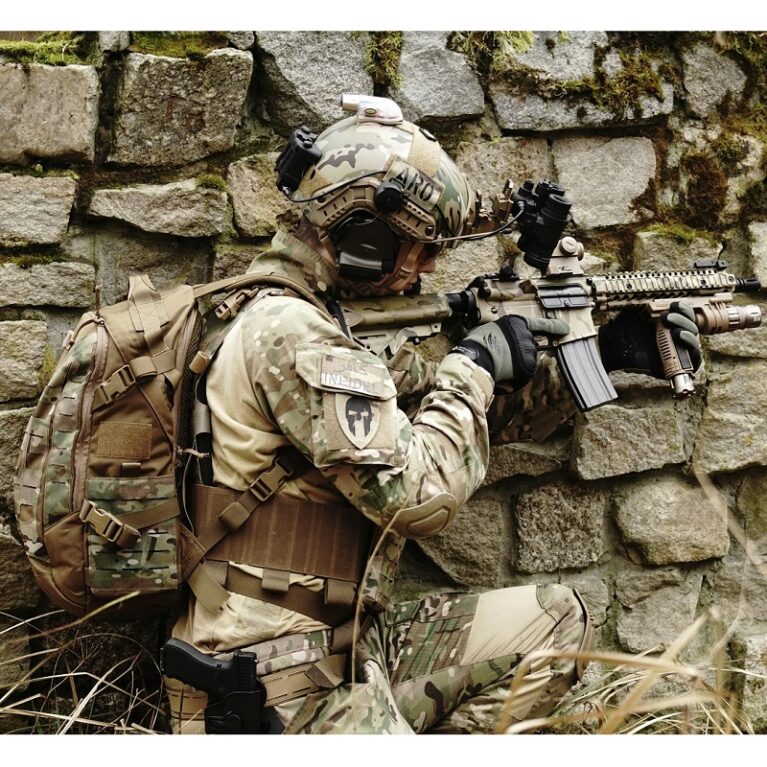
Hydration backpacks have become an essential piece of gear for outdoor enthusiasts, athletes, and professionals who require hands-free hydration during long periods of physical activity. From hiking and mountain biking to running marathons and military operations, these backpacks provide a convenient and efficient way to carry water and stay hydrated. But the evolution of hydration backpacks is more intricate than it might first appear. The development of hydration systems dates back decades, evolving with the needs of various industries, from military applications to recreational activities.
This article will take you through the history of hydration backpacks, from their early roots to the high-tech, custom hydration backpacks we see today. Along the way, we'll explore how different hydration backpacks manufacturers and hydration backpacks suppliers have shaped the market, as well as the innovations that have turned these backpacks into indispensable tools for adventurers, athletes, and military personnel.
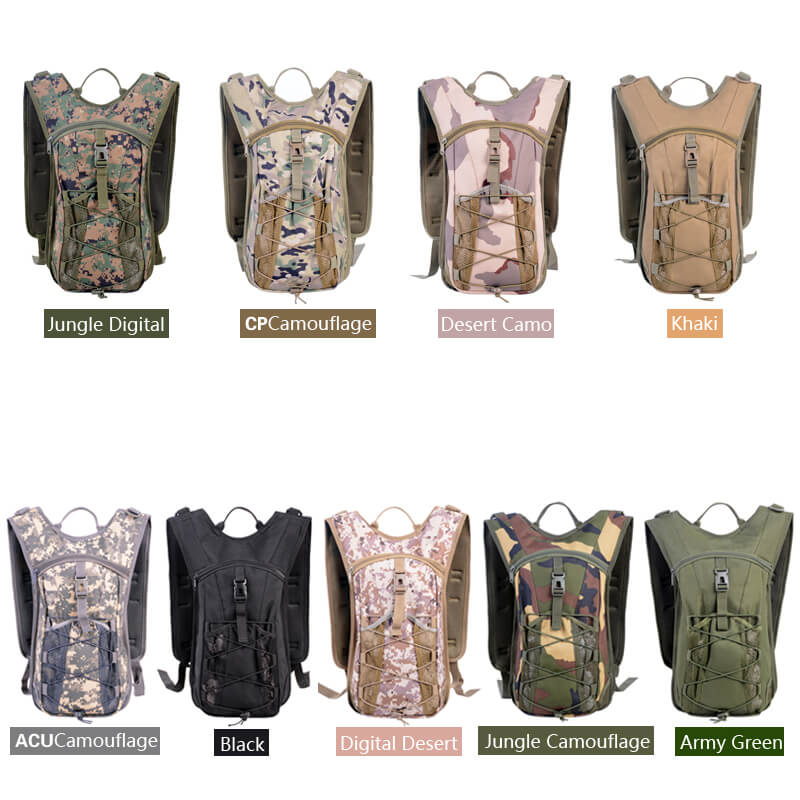
Early Beginnings: The Need for Hydration on the Go
The concept of portable hydration goes back much further than modern hydration backpacks. Historically, people carried water in canteens, bottles, and even animal skins, but the need for more efficient and practical hydration systems emerged in the mid-20th century. However, it wasn't until the late 1980s that the modern hydration backpack, as we know it, began to take shape.
1. Pre-Hydration Backpack Era: Canteens and Bottles
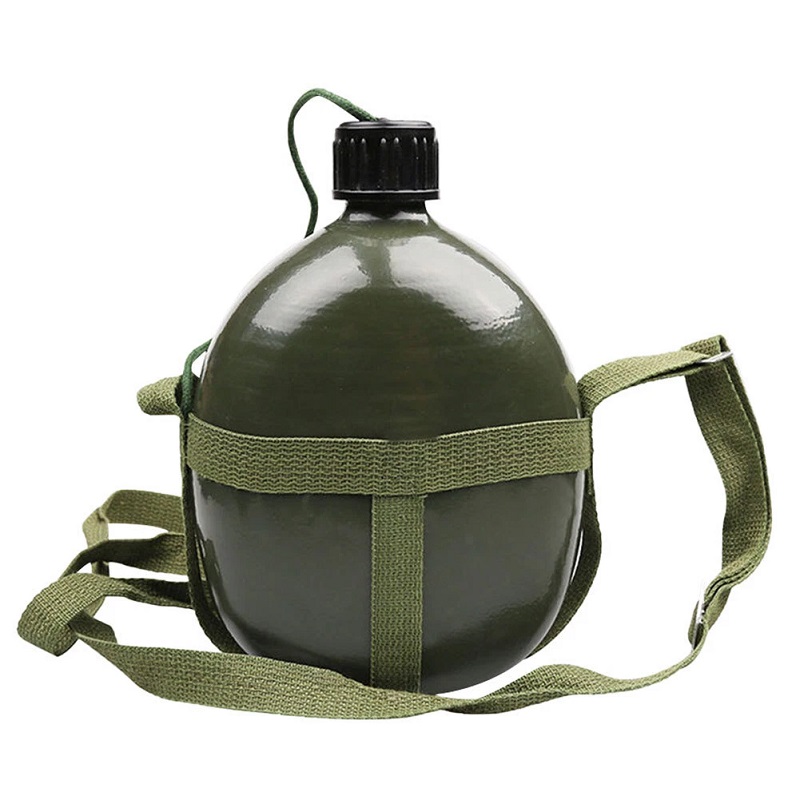
Before the advent of hydration backpacks, water carriers were basic and cumbersome. Military personnel and outdoor enthusiasts would rely on canteens or bottles, often carrying them in hand or strapping them to their gear. The problem with these systems was that they required users to stop what they were doing to take a drink. This was a particular challenge for soldiers, hikers, or athletes who needed continuous access to water while engaging in physically demanding activities.
Canteens: Commonly used by soldiers and outdoor adventurers, canteens were made of metal or plastic and were often attached to belts or carried in hand. While they were effective for short periods, they didn't allow for easy drinking during activities.
Water Bottles: Water bottles, especially plastic ones, were used by civilians and athletes. These bottles were often bulky and required frequent pauses to drink, which wasn't ideal during long-duration activities like hiking or running.
2. The Birth of Hydration Systems: The 1980s
The major breakthrough in portable hydration came in the 1980s, thanks to the development of the hydration reservoir, a flexible water bladder that could be carried in a backpack and featured a hose for drinking on the move. The primary goal was to allow users to hydrate without stopping or using their hands, making it perfect for active pursuits like hiking, running, and cycling.
2.1. The First Hydration Reservoirs
The first version of the hydration system was created by HydraPak, a company that pioneered the development of water bladders. The design was simple but effective: a flexible plastic bag (the bladder) was filled with water and connected to a hose. The hose had a bite valve that could be used to sip water hands-free. This invention immediately caught the attention of military personnel and outdoor enthusiasts, as it solved the problem of stopping for water during strenuous activities.
2.2. The Rise of Hydration Backpacks
With the invention of hydration reservoirs, it was only natural that hydration backpacks manufacturers would begin to create packs designed specifically to carry these bladders. These backpacks were lightweight and compact, making them an attractive solution for hikers, cyclists, and runners who wanted to stay hydrated on the go.
Early Hydration Packs: Early hydration packs were typically designed for specific sports or activities. For example, mountain bikers could use these packs to hydrate during rides without having to stop to drink. These packs were often made from lightweight, durable materials like nylon or polyester, and the water reservoir could be easily inserted into the pack's main compartment.
Military Use: During the same time period, the military began adopting hydration systems for soldiers in the field. The ability to drink water while carrying out missions without having to stop for a canteen break was crucial for maintaining performance and reducing dehydration, especially in hot and arid environments.
3. The 1990s: Commercial Expansion and Innovation
By the 1990s, hydration backpacks had become widely available to the public, and a growing demand for these products fueled innovation in design and function. During this time, many hydration backpacks suppliers emerged, expanding the market and creating a variety of options for different types of users.
3.1. Specialized Hydration Packs
In the 1990s, hydration backpacks manufacturers began producing more specialized designs, offering different sizes, features, and fits to cater to specific activities like trail running, ultramarathons, cycling, and military operations.
- Trail Running Packs: As long-distance runners sought better hydration options, manufacturers created lightweight, minimalist hydration packs specifically designed for runners. These packs featured smaller bladders and streamlined designs to minimize weight and maximize comfort during long runs.
- Cycling Packs: Mountain biking and road cycling also benefited from the development of hydration packs. These packs were designed to fit snugly on the rider's back, with lightweight and aerodynamic features to ensure that the water reservoir didn't interfere with the rider's movement. Many packs also included small pockets for essentials like snacks, tools, and phones.
- Military Hydration Systems: The military's demand for hydration systems led to further refinements, with backpacks being tailored for use in extreme conditions. Military-grade hydration packs became more robust, with features like reinforced seams, extra compartments for gear, and camouflage patterns to blend into the environment.
3.2. The Role of Technology in Hydration Systems
As the market for hydration backpacks expanded, manufacturers began introducing technological advancements to improve user experience.
- Insulated Hydration Systems: To address the issue of water temperature, many packs began incorporating insulated reservoirs and hoses. This helped keep the water cool, especially during hot weather conditions, making it more refreshing for the user.
- Improved Bite Valves: Bite valves, which allow users to sip water without using their hands, were refined to provide better flow control and prevent leakage. The development of one-way valves also improved the overall functionality of these hydration systems.
4. The 2000s and Beyond: The Customization Era
As the market for hydration backpacks grew, so did the demand for customized designs. This led to the rise of custom hydration backpacks, where users could personalize their gear to fit their specific needs.
4.1. The Rise of Customization
During the 2000s, many hydration backpacks suppliers began offering customizable options, allowing customers to choose features like color, logo placement, hydration reservoir size, and additional compartments. Customization became particularly popular in corporate settings, where companies wanted to brand their hydration packs with their logos or colors for giveaways, team events, or promotional purposes.
Branding: Custom hydration backpacks with company logos became popular in the corporate world. Companies could provide their employees or clients with functional gear while promoting their brand.
Sports Teams and Organizations: Sports teams, both professional and amateur, also embraced custom hydration backpacks for their members. These packs were not only practical but also served as a form of team identity.
4.2. The Growth of Wholesale Hydration Backpacks
The demand for hydration packs in bulk grew, especially among outdoor retailers, corporate event organizers, and military contractors. As a result, many hydration backpacks manufacturers began offering wholesale hydration backpacks to meet the needs of large orders. This created an entirely new market segment, catering to organizations that needed large quantities of hydration packs for their members, teams, or clients.
Bulk Orders: Wholesale options made it easier for companies and organizations to supply hydration packs to large groups of people, ensuring that they all had access to hydration during long events or missions.
4.3. Technological Advancements
Hydration backpacks continued to evolve with the advent of new technologies:
- Advanced Materials: The use of more durable and lightweight materials, such as carbon fiber, and eco-friendly materials like BPA-free plastics, became common in the construction of hydration packs.
- Smart Hydration Systems: Some hydration packs began incorporating smart features, such as sensors that monitored hydration levels, or integrated technology that connected to mobile apps to track water intake.
5. The Present and Future: Sustainable and High-Performance Hydration Solutions
In recent years, the focus on sustainability and performance has shaped the evolution of hydration backpacks. Manufacturers are now prioritizing eco-friendly materials and long-lasting designs that stand up to both extreme conditions and environmental concerns.
5.1. Eco-Friendly Hydration Packs
As sustainability becomes a key consideration for consumers, many hydration backpacks manufacturers have shifted to using recycled materials and designing products that are both durable and environmentally responsible. For example, many modern hydration packs are made from recycled polyester or other eco-conscious fabrics.
5.2. Future Innovations
Looking ahead, the future of hydration backpacks seems to be driven by further innovations in both design and technology. From better insulation for maintaining the temperature of fluids to integrated hydration-monitoring systems, the evolution of hydration backpacks is far from over. We may also see continued advancements in customization options, allowing users to fully tailor their gear to their needs.
Conclusion
The evolution of hydration backpacks has been a remarkable journey, from simple canteens and bottles to the high-performance, customizable systems available today. Whether for military, recreational, or professional use, hydration backpacks have revolutionized the way we stay hydrated during long activities. By working with a trusted hydration backpacks manufacturer or hydration backpacks supplier, you can ensure that you get the best possible gear for your needs, whether you're looking for custom hydration backpacks for branding purposes or need wholesale hydration backpacks for large groups. As the market continues to innovate, the future of hydration backpacks looks more efficient, sustainable, and user-friendly than ever before.
Related:
Top 15 Tactical Gear Trade Shows And Exhibitions
The Best 12 Backpack Manufacturers In UK
Top 50:Global Tactical Gear Brands List