Introdução
Military bags have played a crucial role in the functionality and success of soldiers throughout history. These bags have been essential for carrying everything from personal belongings to ammunition, medical supplies, and even weapons. Over the centuries, as military tactics, technologies, and operational needs have changed, so too have the designs and uses of military bags. From ancient times when soldiers used simple pouches and sacks to carry food and tools, to the modern era where tactical bags are engineered for specific missions, military bags have undergone a remarkable transformation. This evolution has been heavily influenced by advancements in warfare technologies, as well as the unique needs of different nations and their military strategies.
In this blog post, we will delve into the evolution of military bags across various historical periods, exploring how the designs have adapted to meet the ever-changing demands of warfare. We’ll look at iconic military bags used by different countries, including the Roman legionary's "sarcina" and the modern MOLLE systems used by U.S. forces. Additionally, we will discuss the growing trend of custom military bags, which allow for tailored solutions based on individual or unit requirements. With the increasing complexity of modern military operations, the role of military bags manufacturers has become more critical than ever, as they design high-performance gear to meet the diverse needs of today’s military forces around the world.
1. Early Military Bags: Pre-Modern Periods
Ancient and Medieval Periods
In ancient times, soldiers carried their supplies in rudimentary containers, often fashioned from animal skins, cloth, or woven materials. These early bags were typically used to hold rations, weapons, and tools necessary for combat.
- Ancient Roman Soldier Packs:Roman soldiers, or legionaries, used a bag known as a "sarcina" to carry their essential gear. This included their weapons, food, and tools needed for the march. The "sarcina" was a large bundle or pack that could be carried by the soldier's back or slung over the shoulder.
- Medieval Military Pouches:During the medieval period, soldiers would use smaller bags or pouches to carry their personal belongings, weapons, and sometimes armor pieces. These pouches were often attached to the soldier's belt, making them easily accessible during battle.
2. The 17th and 18th Centuries: The Age of Exploration and Warfare
As firearms and more advanced military equipment began to emerge, military bags had to adapt. The 17th and 18th centuries were marked by the development of more structured military uniforms and gear, leading to the introduction of more specialized military bags.
- The Cartridge Box:In the 17th century, the introduction of gunpowder-based firearms necessitated the creation of specific pouches to carry ammunition. These were often referred to as "cartridge boxes" or "cartridge pouches." These boxes were made of leather or metal and were typically worn on the soldier's belt or across the shoulder.
- Military Satchels:As armies grew larger and more organized, soldiers began using larger satchel-like bags. These bags could hold more than just ammunition and were designed to carry tools, maps, provisions, and other essentials for military expeditions.
3. The 19th Century: Industrialization and the Birth of Modern Military Packs
With the rise of industrialization in the 19th century, military logistics and equipment became more sophisticated. Soldiers were now carrying more advanced firearms, ammunition, and other supplies, leading to the creation of more durable and compartmentalized military bags.
- The Knapsack:The knapsack became a standard issue in many military forces during the 19th century. It was designed to carry the soldier's essentials, such as food, personal belongings, and extra clothing. The knapsack was often made of durable canvas or leather and could be carried on the back for hands-free convenience.
- The Cartridge Box (Revisited):With the further advancement of firearms during the Napoleonic Wars, the cartridge box was refined to accommodate the new types of ammunition, such as the minié ball. These were more advanced than their predecessors, often made of wood or metal, and included compartments for organizing ammunition.
4. The 20th Century: The World Wars and the Rise of Modern Military Gear

The two World Wars represented a massive leap forward in military technology and tactics. As armies engaged in longer campaigns, soldiers needed more efficient ways to carry their gear. This led to the development of more specialized, ergonomic, and functional military bags.
- The WWI and WWII Rucksack:The introduction of the rucksack, also known as a backpack, revolutionized the way soldiers carried their equipment. In World War I, the British Army introduced the M1910 backpack with external frame construction, which allowed soldiers to carry a larger load with less strain. During World War II, the US military adopted the M1936 and M1941 rucksacks, which were more comfortable and included better weight distribution.
- The Gas Mask Bag:The use of chemical warfare in World War I brought about the creation of the gas mask bag, a smaller, portable bag designed specifically to hold a soldier's gas mask. These bags were made of durable, waterproof materials and were essential in protecting soldiers from chemical attacks.
- The Combat Assault Pack:By the time of World War II, military forces began using more specialized bags designed for specific roles, like the assault pack used by airborne troops. These bags were compact, lightweight, and designed to carry essential gear during short-term operations.
5. Post-War Developments: Cold War and Beyond
The Cold War and subsequent conflicts in the second half of the 20th century saw further advancements in military technology, as well as the growing importance of logistics and rapid mobility in modern warfare.
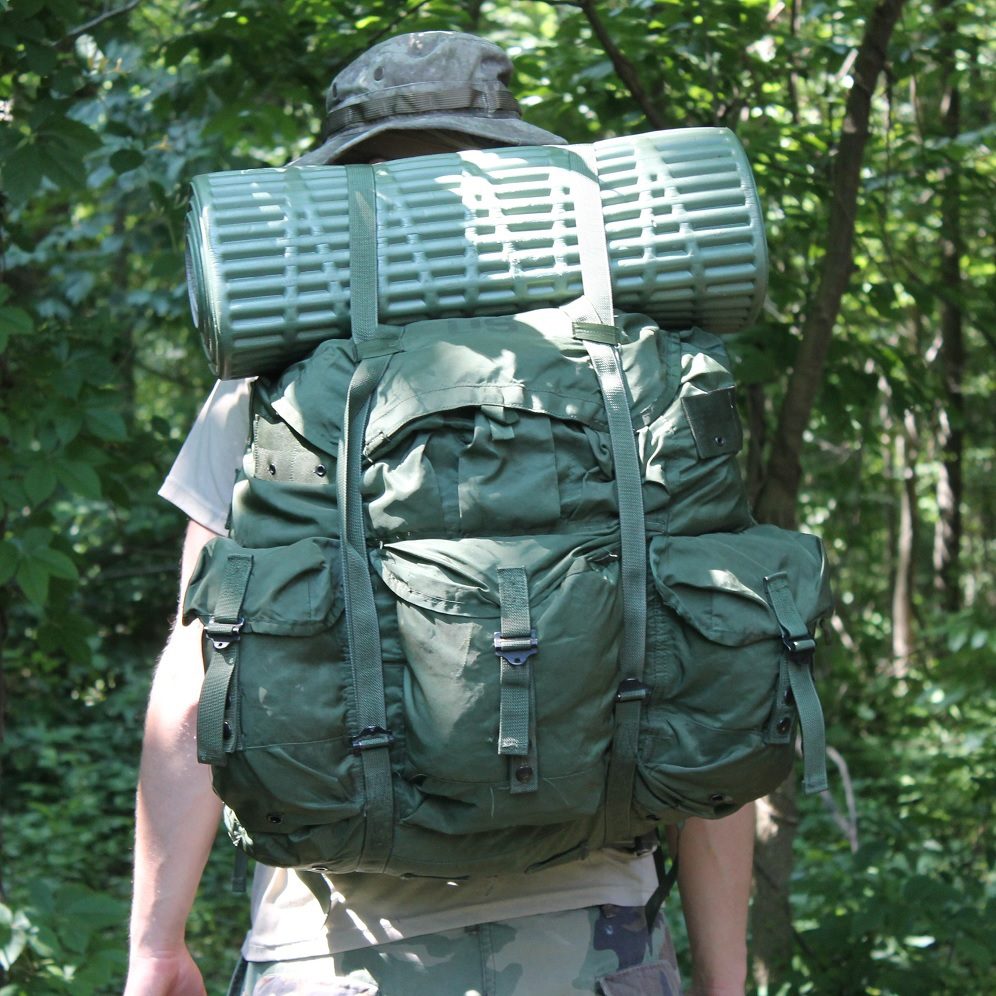
- The ALICE Pack: The All-Purpose Lightweight Individual Carrying Equipment (ALICE) pack was introduced in the 1970s by the U.S. Army. This system featured a modular design, allowing soldiers to customize their loadout with various pouches and attachments. It was highly popular for its versatility and durability, and it continued to serve in various capacities until the late 1990s.
- The MOLLE System:The Modular Lightweight Load-carrying Equipment (MOLLE) system, introduced in the 1990s, marked a significant shift in how soldiers carried their gear. Unlike the ALICE system, the MOLLE system allowed soldiers to attach various pouches, bags, and accessories to a basic frame. This system became standard issue in the U.S. military and is still used today.
6. 21st Century: The Modern Era of Military Bags
With advancements in materials, technology, and design, military bags today are more efficient, lightweight, and customizable than ever before. Modern military bags are built to meet the needs of soldiers in various environments and operational conditions.
- Tactical Backpacks:Modern tactical backpacks are highly specialized for different military units. They feature lightweight, durable materials such as nylon, and include multiple compartments for storing gear, water bottles, tools, ammunition, and other essentials. These backpacks often have features like hydration bladder pockets, adjustable straps, and reinforced areas for heavy loads.
- Custom Military Bags:With the increasing demand for personalized military gear, many military bags are now custom-made to fit the specific needs of individual soldiers or units. Custom military bags are designed to be versatile, durable, and tailored to meet the mission requirements, whether for combat, survival, or tactical operations.
- Combat Assault Packs:These bags are specifically designed for soldiers in combat roles. They are lightweight and compact, allowing soldiers to move quickly while still having their essential gear readily accessible. These packs are often designed for specific missions, with additional pouches and compartments for ammunition, medical kits, and communication equipment.
7. The Role of Military Bags Manufacturers in Modern Warfare
As the demands of modern military forces continue to evolve, military bags manufacturers play a crucial role in ensuring that soldiers have the best equipment for the job. These manufacturers use cutting-edge materials, advanced design techniques, and extensive testing to create military bags that can withstand harsh environments, heavy use, and extreme conditions.
- Customization and Innovation:Modern military bags manufacturers offer a range of customizable options to meet the unique needs of soldiers. Whether it's a special pocket configuration, a particular material for durability, or a specific carrying system, manufacturers are constantly innovating to improve military gear.
- Quality and Durability:High-quality military bags are built to last. Manufacturers use tough materials like Cordura nylon, Kevlar, and ripstop fabric to ensure that military bags can handle the demands of the battlefield. Durability and functionality are paramount, and these bags are designed to perform in a wide range of climates and environments.
8. Tactical Innovation and Future Trends in Military Bags
As technology continues to evolve, military bags have become more specialized, integrating new materials, design principles, and user-centric features that focus on improving performance, safety, and mobility. The future of military bags will likely see even greater customization, efficiency, and integration with other military technologies.
Integration with Wearable Technology
Modern military bags are increasingly incorporating features that allow integration with other wearable technologies, such as GPS units, communication devices, and even advanced medical monitoring systems. These systems are embedded into the bags themselves, turning them into mobile hubs for real-time data collection, tactical planning, and situational awareness.
- Smart Backpacks and Smart Fabrics:Future military bags may feature smart textiles capable of monitoring vital signs or detecting environmental conditions like temperature and humidity. Such bags would automatically adjust internal compartments to optimize storage or protect sensitive equipment from extreme conditions.
- Battery Packs and Solar Panels:Many modern military backpacks now come equipped with integrated solar panels or battery packs to charge electronic devices, radios, and GPS units during field operations. These are crucial for extended deployments where access to power sources is limited.
3D-Printed Military Bags
3D printing technology is revolutionizing how military equipment is made, and military bags are no exception. In the near future, military bags manufacturers might use 3D printing to create bags with complex, customized structures that traditional manufacturing methods cannot easily achieve.
- Personalização:3D printing allows for highly customized, individualistic designs. Soldiers may soon be able to customize the compartments, straps, or even the bag's structure based on their specific mission requirements.
- Lightweight, Strong Materials:3D printing enables manufacturers to use new materials that are both lightweight and highly durable. This can reduce the weight of the bags while enhancing their strength to handle heavier loads.
9. Specialized Military Bags by Country and Military Branch
While military bags serve the same fundamental purpose, different countries and military branches design their bags based on their specific needs, operational environments, and combat strategies. Here's a breakdown of notable military bags from different periods and countries:
United States Military Bags

The United States military has long been at the forefront of developing innovative, versatile military bags. Some key examples include:
- MOLLE System:The Modular Lightweight Load-carrying Equipment (MOLLE) system, introduced in the 1990s, remains one of the most widely used military bag systems today. It features a modular design, allowing soldiers to attach a variety of pouches, backpacks, and other accessories depending on mission needs.
- MOLLE II:A prominent version used by the U.S. Army during the Iraq and Afghanistan wars. This system includes a main rucksack, a waist pack, and hydration pouches, providing soldiers with the flexibility to carry essential gear in an organized manner.
- ALICE Pack:The All-Purpose Lightweight Individual Carrying Equipment (ALICE) system was one of the most widely used military bags in the U.S. from the 1970s to the early 2000s. It is highly durable, with adjustable straps that allow soldiers to carry heavy loads for long periods.
- The U.S. Army Assault Pack:Specifically designed for special forces and combat troops, this compact bag is lightweight, with minimal compartments for only the most essential gear. It allows soldiers to move quickly in hostile environments.
British Military Bags
The British military has a long tradition of creating highly practical and functional military bags, often based on their unique operational needs:
- The Bergen Rucksack:A staple of the British Army during the 1980s and 1990s, the Bergen Rucksack is a robust, high-capacity pack designed for extended operations in the field. It is particularly well-suited for carrying heavy gear in harsh environments. It uses a frame-based design that allows soldiers to distribute the weight evenly across their backs.
- Osprey Assault Pack:Developed by British Special Forces, the Osprey Assault Pack is designed to be lightweight, with a compact layout ideal for quick-moving units. The bag is often seen in use by counter-terrorism and reconnaissance units.
German Military Bags
The German military, known for its engineering excellence, has developed highly efficient and ergonomic military bags:
- The Bundeswehr Rucksack:A versatile, medium-sized rucksack used by the German Bundeswehr. The bag is designed for a range of combat and field applications, offering durability and ample storage space while ensuring comfort during extended periods of use.
- Feldwebel Backpack:A highly specialized design used in more recent German army deployments in peacekeeping missions. The bag is modular, featuring a hydration system, external frame, and various attachment points for customization.
Russian Military Bags
The Russian military uses a range of specialized bags, designed to withstand the rugged conditions of the Russian countryside and extreme cold temperatures:
- Ratnik Combat System:The Ratnik combat system includes a modernized rucksack designed for Russian soldiers. It's built for extreme durability and includes a hydration system, external attachment points, and multiple compartments for tools, weapons, and ammunition.
- Sling Packs and Fanny Packs:Often used by Russian special forces and paratroopers, these compact bags allow for quick access to essential gear during combat operations.
10. The Role of Military Bags Manufacturers in Global Defense
In the modern military landscape, military bags manufacturers play a vital role in ensuring that soldiers have the best equipment available for operational success. From design and materials to manufacturing and testing, these manufacturers are tasked with creating high-performance military bags that meet the demanding standards of military forces worldwide.
Custom Military Bags for Specialized Units
With different military branches and specialized units (such as Navy SEALs, paratroopers, and Special Forces), custom military bags have become increasingly essential. Manufacturers tailor bags to suit the specific needs of these units, ensuring that the bags are not only functional but also provide comfort during extended operations.
- Custom Design Features:For elite forces, bags may be designed with specialized features like ballistic-resistant compartments, emergency medical kits, or enhanced hydration systems. Manufacturers work closely with these units to ensure the bags meet specific requirements for each mission.
Collaboration Between Manufacturers and Military Forces
Leading manufacturers of military bags collaborate with military forces to test and improve the gear they provide. The feedback loop between soldiers and manufacturers is critical in ensuring that military bags evolve to meet changing operational needs and the latest technological advancements.
- Feedback from Frontline Operations:Soldiers often provide direct feedback on how military bags perform in field conditions. This allows manufacturers to adjust the design, materials, and overall construction to enhance functionality, durability, and comfort.
Conclusion: The Evolution of Military Bags and Future Innovations
Military bags have come a long way from their humble beginnings. From the simple pouches of ancient civilizations to the highly advanced custom military bags of today, these bags have played a critical role in ensuring the success of military operations worldwide. The evolution of military bags reflects the changing nature of warfare, the advancements in technology, and the growing importance of soldier mobility and comfort.
Today, military bags are more than just containers for supplies; they are integral to a soldier's performance, providing everything from hydration to medical supplies, to tactical gear. As technology continues to advance, we can expect to see even more specialized, custom-designed military bags that cater to the specific needs of modern soldiers. Whether it's through the use of 3D printing, smart fabrics, or modular systems, the future of military bags promises to be as dynamic and innovative as the forces that rely on them.
Manufacturers will continue to innovate, pushing the boundaries of what's possible in terms of functionality, durability, and performance. This ongoing evolution will ensure that soldiers have the best possible equipment to meet the challenges of modern warfare.
Recommend Articles:
Top 50: Lista global de marcas de equipamento tático
Os 12 principais fabricantes de botas de combate militares do mundo