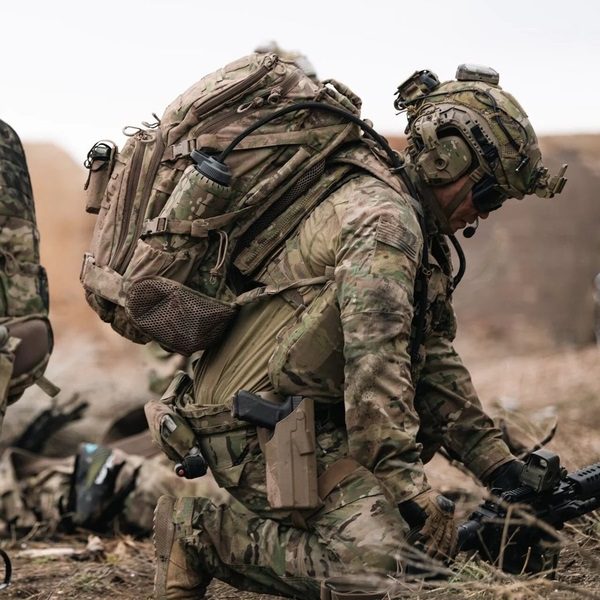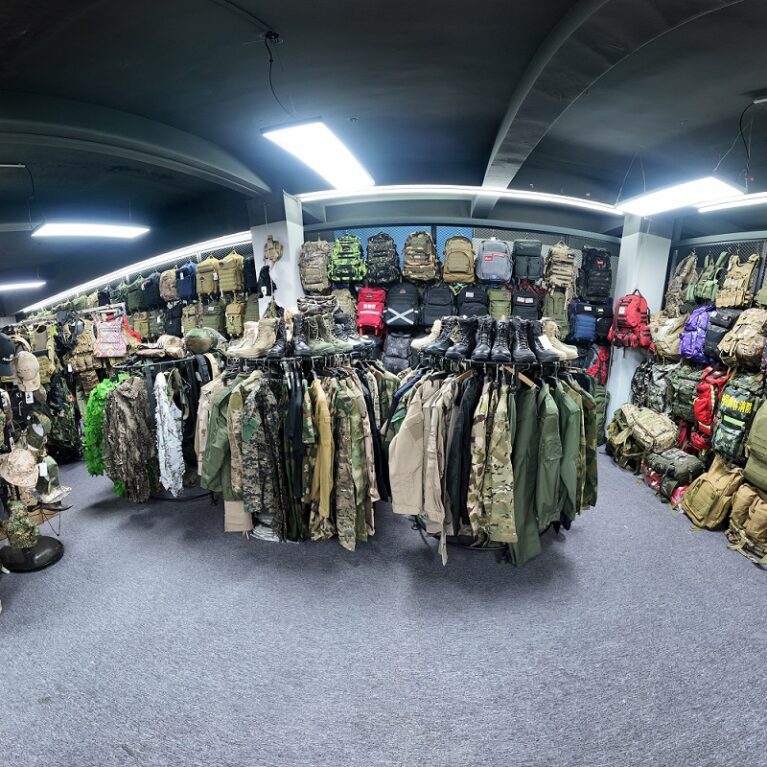
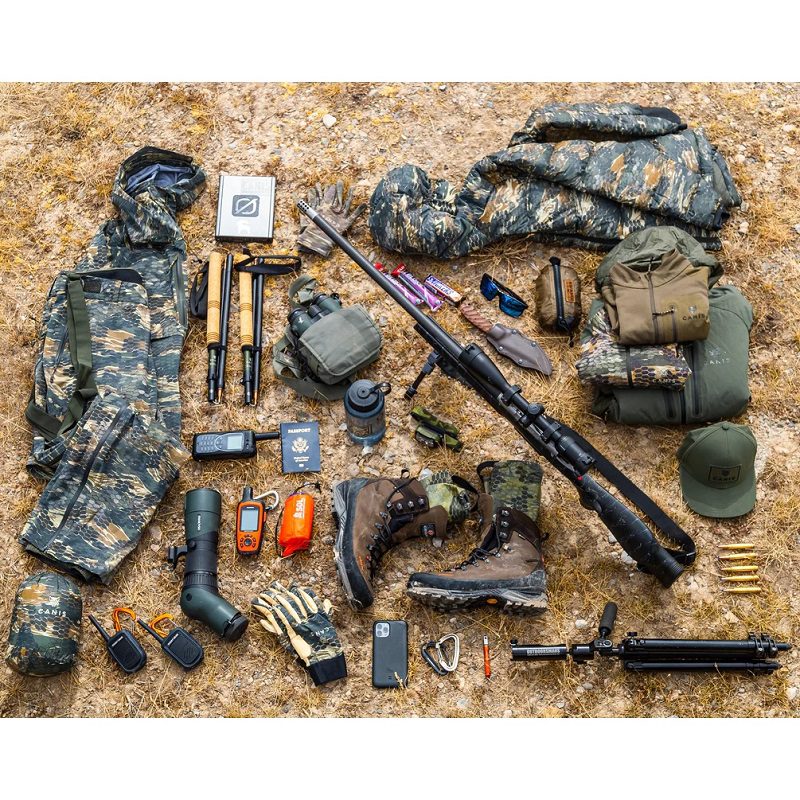
Hunting is more than just a sport or outdoor activity—it requires careful preparation, a deep understanding of the environment, and the right equipment to ensure safety, effectiveness, and success. It demands not only physical skill but also knowledge of animal behavior, weather patterns, and terrain. Whether you are a beginner taking your first steps into the wilderness or an experienced hunter pursuing challenging hunts, having the right hunting gear can make a significant difference in your experience, your safety, and your ability to ethically harvest game. Proper gear can enhance comfort, improve efficiency, and allow you to adapt to unexpected situations in the field.
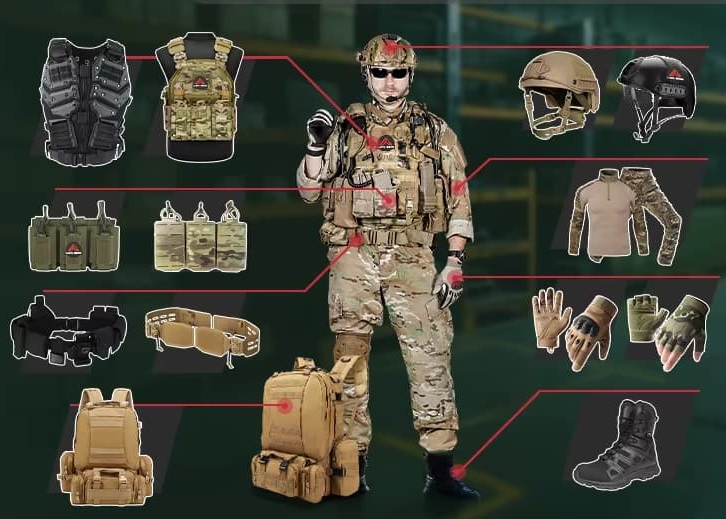
This extended guide will cover 20 essential hunting gear list items in great detail. Each section includes insights on materials, design, environmental considerations, and practical tips, ensuring hunters are prepared for any situation. From clothing that balances warmth, breathability, and camouflage to backpacks designed for long treks with specialized compartments, this guide offers actionable advice for all skill levels. We will also explore accessories such as navigation tools, hydration systems, and safety equipment, emphasizing how each piece contributes to a successful and responsible hunting experience.
Your complete hunting gear list: 20 items for hunting and outdoor survival
I. Clothing & Apparel
1. Camouflage Clothing

Camouflage Clothing is specialized apparel designed to help hunters blend into their surroundings, reducing visibility to game and increasing the likelihood of a successful hunt. It's an essential part of hunting gear, as it enhances stealth, protects against environmental elements, and improves comfort during long hours in the field.
Camouflage clothing is arguably the most important aspect of a hunter's wardrobe. Its purpose is to blend the hunter into the environment and reduce the risk of being detected by wildlife.
Types of Camouflage Patterns:
- Forest Patterns: Ideal for wooded areas. Combines shades of green, brown, and black to match trees, leaves, and shadows.
- Desert Patterns: Utilizes tans and light browns to blend into arid, sandy terrain.
- Snow/Arctic Patterns: White and gray tones for winter hunting in snowy regions.
Material Considerations:
- Breathable fabrics like polyester blends prevent overheating.
- Water-resistant or softshell outer layers protect against rain and dew.
- Layering:Moisture-wicking base layer, insulating mid-layer, and outer camouflage shell.
Practical Tips:
- Avoid shiny materials; even a small reflection can alert game.
- Camouflage gloves, hats, and face masks further reduce visibility.
Famous brands of hunting clothing: Sitka, KUIU, First Lite
2.Hunting Boots
Hunting Boots are specialized footwear designed to provide comfort, protection, and support for hunters navigating rough, wet, or uneven terrain. They are a critical part of hunting gear, as the right boots reduce fatigue, prevent injury, and help hunters remain stealthy and effective in the field.
Boots protect your feet and affect your overall mobility. Investing in high-quality boots can prevent injuries and fatigue.
Key Features:
- Waterproof or water-resistant construction for wet conditions.
- Insulation for cold-weather hunts; consider Thinsulate or wool linings.
- Outsoles with deep lugs for mud, rocks, and snow traction.
- Lightweight options are ideal for long treks but may sacrifice insulation.
Pro Tips:
- Break in boots before the season starts to avoid blisters.
- Use moisture-wicking socks to prevent fungal infections.
Famous brands of hunting boots: Crispi, Kenetrek, Zamberlan, and Schnee's
3.Hats and Gloves

Hats and Gloves are essential hunting apparel that provide protection, comfort, and functionality in various outdoor conditions. They are not only used for warmth but also for camouflage, safety, and performance, making them critical components of a hunter's gear.
Protecting extremities is critical. Exposure to cold, sun, and branches can be dangerous or uncomfortable.
- Hats:Provide protection from sun, help manage body temperature, and maintain camouflage.
- Gloves:Protect hands from scratches, maintain warmth, and can reduce scent. Look for breathable yet insulating materials.
Famous brands of hunting hats and gloves: Sitka, KUIU, and Stone Glacier
4. Socks & Gaiters
Socks & Gaiters are essential pieces of hunting apparel designed to protect the feet and lower legs, enhance comfort, and improve overall performance in rugged outdoor environments. They help hunters stay dry, warm, and safe while trekking through forests, wetlands, mountains, or snowy terrain.
- Socks:High-quality wool or synthetic blends wick moisture and prevent blisters.
- Gaiters:Cover the lower leg and boot top, preventing debris, mud, snow, or insects from entering boots.
- Tip: Always match gaiter height to your hunting terrain; taller gaiters are essential for bushy or snowy environments.
II. Hunting Equipment
5. Hunting Rifle or Bow
A Hunting Rifle or Bow is a primary weapon used by hunters to ethically and effectively harvest game. These tools are designed to provide accuracy, power, and control, enabling hunters to make clean, precise shots at various distances. Choosing the right rifle or bow depends on the type of game, terrain, and hunting style.
Choosing your primary hunting weapon is critical. The right tool affects accuracy, ethical shot placement, and success.
Rifles:
- Choose a caliber appropriate for your game.
- Bolt-action rifles are reliable and accurate for long-range hunts.
- Semi-automatic rifles are better for quick follow-up shots in dense terrain.
Bows:
- Compound bows offer mechanical advantage and consistent draw weight.
- Recurve bows are lighter and simpler but require skill for accuracy.
- Crossbows allow precision shots with minimal draw effort but are heavier.
Safety Tip: Always follow firearm safety rules and verify local hunting regulations for allowed calibers and bows.
Famous brands of hunting rifle brands: Browning, Tikka, Ruger, Christensen Arms
Famous brands of Bow brands: Mathews, Hoyt, PSE, Bear
6. Ammunition / Arrows
Ammunition / Arrows are the projectiles used in hunting weapons to ethically and effectively harvest game. They are essential components of hunting gear because the right choice of ammunition or arrows directly impacts accuracy, penetration, and overall hunting success.
- Match ammunition or arrows to the type of game and your hunting weapon.
- Use premium broadheads or bullets for effective, humane harvest.
- Always carry extra ammunition in waterproof cases or protective containers.
- Check expiration dates and inspect for damage before hunting.
7. Scopes and Optics
Scopes and Optics are precision tools that enhance a hunter's ability to see, identify, and accurately target game from varying distances. They are essential for improving accuracy, safety, and overall hunting efficiency.
Good optics allow for better spotting, tracking, and shot placement.
- Binoculars:Essential for scouting game from a distance; look for waterproof and fog-proof models.
- Rifle scopes:Consider magnification, lens clarity, reticle type, and low-light performance.
- Rangefinders:Allow precise measurement of distance to improve shot accuracy.
- Tip:Learn to adjust optics for weather conditions, light levels, and terrain.
8. Hunting Knife
A Hunting Knife is a specialized cutting tool designed for field dressing, skinning, and processing game during hunting. It is one of the most essential pieces of hunting gear because it allows hunters to quickly and efficiently handle harvested animals, ensuring proper care of the meat and safety in the field.
A reliable knife is essential for field dressing, skinning, and survival tasks.
Features:
- Corrosion-resistant steel for durability.
- Ergonomic handle for comfort during prolonged use.
- Sheath with secure attachment options.
Practical Tip: Carry a portable sharpener to maintain blade effectiveness.
9. Game Calls
Game Calls are specialized hunting tools designed to mimic the sounds of animals in order to attract, locate, or communicate with game. They are a critical part of hunting strategy, especially for species that respond to vocalizations, such as deer, turkey, ducks, or elk. Using game calls effectively can increase the hunter's chances of getting close to their target.
Game calls help attract animals by imitating their sounds.
Types:
- Deer grunt calls, turkey calls, predator calls.
Usage Tips:
- Practice using calls to avoid alerting game.
- Learn seasonal patterns to optimize call effectiveness.
10. Tree Stands and Ground Blinds
Tree Stands and Ground Blinds are specialized hunting structures that provide concealment, safety, and strategic positioning for hunters in the field. They are essential for remaining undetected by game while improving visibility, shooting angles, and overall hunting efficiency.
- Tree Stands: Elevate your hunting position, improving visibility andscent control. Always use a safety harness.
- Ground Blinds:Conceal hunters at eye level; ideal for ambush-style hunting.
- Tip:Place blinds near game trails or feeding areas for maximum effectiveness.
III. Safety & Navigation Gear
11. Personal Protective Equipment (PPE)
Personal Protective Equipment (PPE) refers to specialized gear designed to protect hunters, outdoor workers, or anyone in hazardous environments from injuries or harmful exposure. In hunting, PPE ensures safety from environmental hazards, sharp tools, firearms, animals, and weather conditions.
Safety gear ensures hunters remain visible and secure.
- Blaze Orange Vests: Increase visibility to other hunters.
- Safety Harnesses: Essential for tree stand hunting.
- Eye Protection and Ear Protection: Reduce risk from recoil or environmental hazards.
12. GPS / Compass / Maps
GPS / Compass / Maps are essential navigation tools for hunters and outdoor enthusiasts, allowing them to find their way, plan routes, and stay safe in remote areas. Together, these tools help prevent getting lost, track locations, and navigate unfamiliar terrain efficiently.
Navigating remote locations is essential for safety and efficiency.
- GPS devices provide precise location tracking.
- Compass and topographic maps serve as critical backups.
- Tip: Familiarize yourself with the area, and always plan routes before entering the field.
13. First Aid Kit
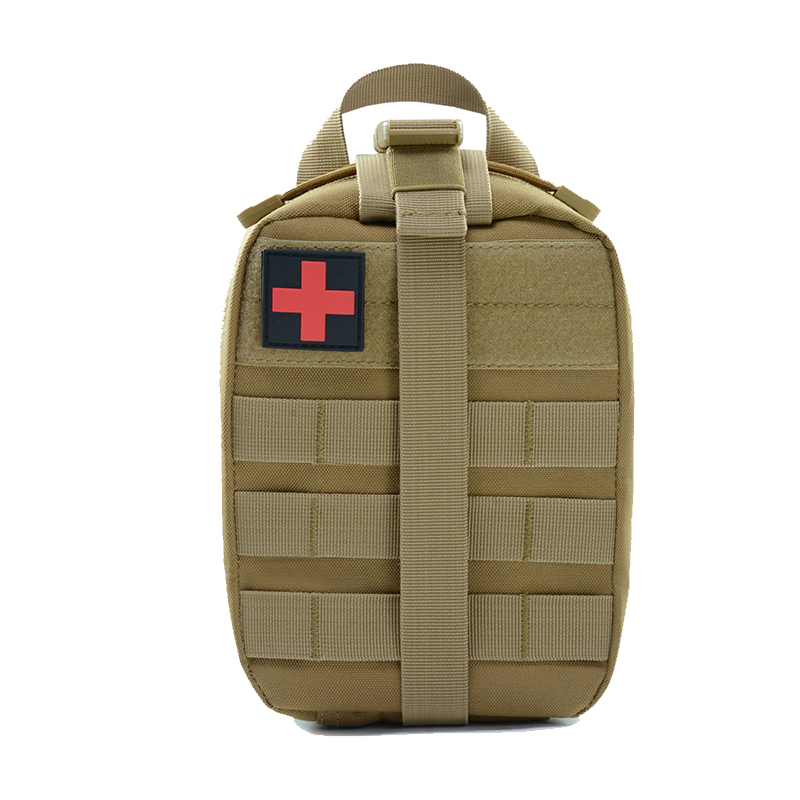
A First Aid Kit is a collection of medical supplies and equipment designed to provide immediate treatment for injuries or emergencies in the field. For hunters, a first aid kit is essential because outdoor environments often involve rough terrain, sharp tools, firearms, and unpredictable weather, all of which can lead to injuries ranging from minor cuts to serious trauma.
A fully stocked first aid kit can prevent minor injuries from becoming major emergencies.
- Bandages, antiseptic wipes, painkillers, tweezers, and emergency blankets are essential.
- Learn basic first aid skills for injuries, insect bites, and minor trauma.
14. Communication Devices
Communication devices are tools used by hunters and outdoor enthusiasts to stay in contact with others, coordinate activities, and ensure safety while in the field. Because hunting often takes place in remote areas with limited cell service, reliable communication tools are crucial for emergencies, navigation, and teamwork.
Communication is key for emergencies and coordination.
- Two-way radios or satellite phones are preferable in areas without mobile coverage.
- Ensure devices are waterproof and carry spare batteries.
15. Headlamp / Flashlight
A Headlamp or Flashlight is a portable lighting device that provides illumination in low-light or dark conditions, which is essential for hunters, hikers, campers, and outdoor enthusiasts. For hunters specifically, these tools are critical for early morning or evening hunts, night tracking, and safety in the field.
- Headlamps allow hands-free lighting during dawn, dusk, or night hunts.
- Carry a backup flashlight with extra batteries.
- Consider LED headlamps for long battery life and brightness.
IV. Storage & Carrying Gear
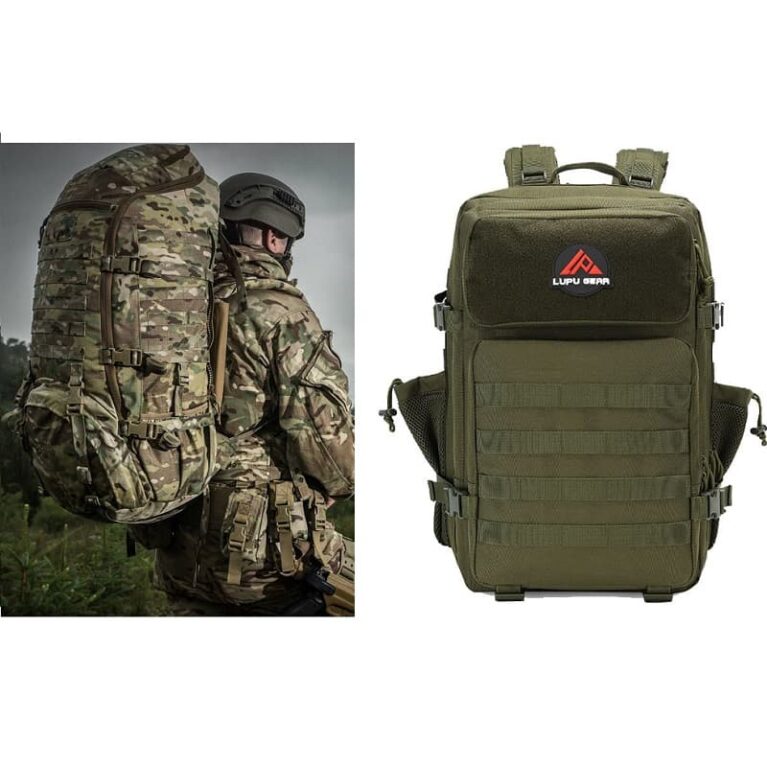
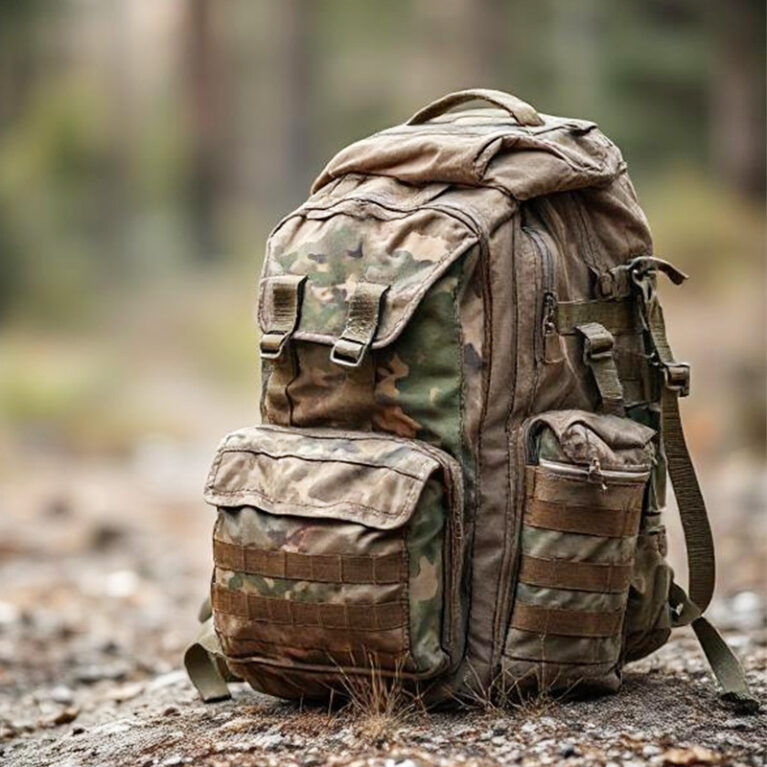
16. Backpack / Hunting Pack
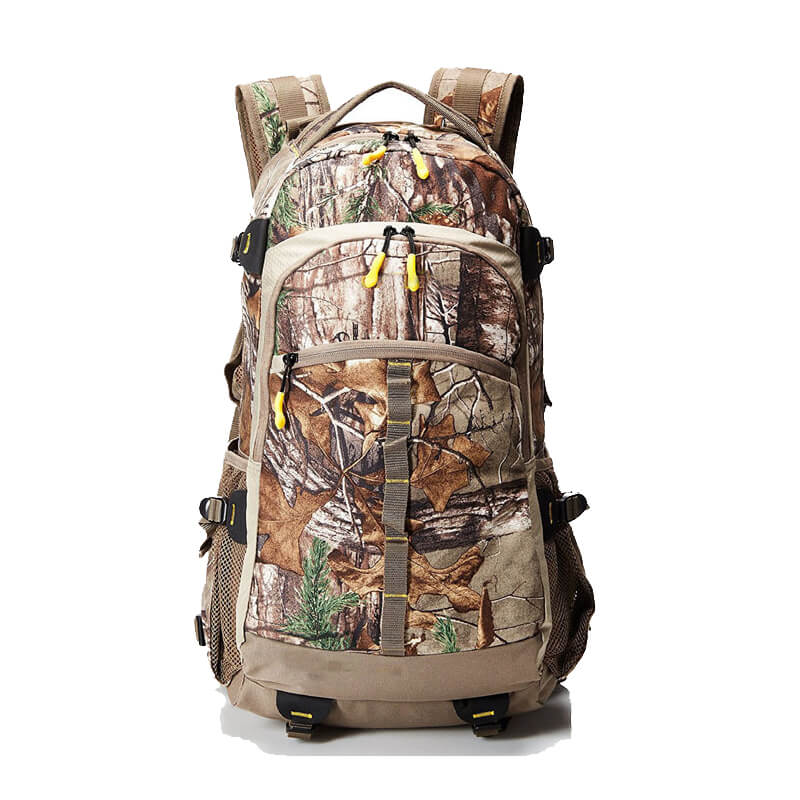
A backpack or Hunting Pack is a specialized bag designed for carrying essential gear, supplies, and harvested game while hunting. It allows hunters to move efficiently in the field, stay organized, and keep hands free for weapons and navigation.
- Adjustable, padded straps improve comfort.
- Water-resistant materials protect gear from rain.
- Packs with hydration system compatibility are ideal for long hunts.
Key Features:
- Durable Materials: Made from tough, water-resistant fabrics to withstand rough terrain, brush, and variable weather. Often reinforced at stress points to carry heavy loads, including harvested game.
- Ergonomic Design: Padded shoulder straps, waist belts, and back panels for comfort during long treks. Adjustable harness systems to balance weight and reduce fatigue.
- Game Carry Options: Some packs include game hauls, drag straps, or internal frames to help carry deer, elk, or smaller animals.
- Organized Storage: Multiple compartments, pockets, and attachment points for ammunition, water, hunting tools, and other essentials. Hydration bladder compatible for easy access to water.
- Stealth & Camouflage: Often made in camo patterns that blend with the hunting environment. Quiet fabrics to reduce noise while moving through brush.
- Specialized Accessories: Bow/rifle carry systems, knife holders, and sometimes built-in seat pads for long waits in the field.
17. Game Bags / Meat Bags
A Game Bag or Meat Bag is a specialized bag used by hunters to safely and hygienically transport harvested game from the field to processing or storage. These bags are designed to protect the meat from dirt, insects, and environmental contamination while keeping it organized and manageable.
- Use breathable materials for transporting harvested game.
- Keep meat separated from other gear to maintain hygiene.
- Consider bags with straps or loops for carrying over the shoulder.
18. Waterproof Containers / Dry Bags
A Waterproof Container or Dry Bag is a type of storage designed to keep your gear, electronics, documents, and other essentials dry and protected from water, moisture, and dust—especially important for hunters, hikers, boaters, and outdoor enthusiasts. In hunting, these protect critical items from rain, river crossings, mud, snow, and dew in the field.
- Protect sensitive items like electronics, maps, and clothing from water exposure.
- Compact and lightweight dry bags are versatile for different gear.
V. Accessories & Miscellaneous Essentials
19. Rangefinder / GPS Watch
A Rangefinder / GPS Watch is a specialized piece of gear used by hunters, hikers, and outdoor enthusiasts to measure distances, navigate, and track locations accurately in the field. In hunting, it is particularly useful for determining shot distances, planning movement, and ensuring safety in unfamiliar terrain.
- Rangefindersprovide precise distance measurements for accuracy.
- GPS-enabled watches help track location, routes, and timing.
20. Survival Kit
A survival kit is a specialized version of a survival kit, tailored specifically for hunters in the field. Its purpose is to help a hunter stay safe, handle emergencies, and survive unexpected situations while hunting in remote or rugged environments. Unlike general survival kits, it focuses on the challenges hunters face—long treks, wildlife encounters, adverse weather, and the need to transport harvested game.
Even experienced hunters benefit from carrying a compact survival kit.
- Include fire starter, multi-tool, signaling mirror, emergency shelter, water purification tablets, and high-energy snacks.
- Prepare for unexpected weather or terrain changes.
VI. Environmental Considerations
- Match gear to terrain and climate: forest, desert, snow, mountain, or wetland.
- Choose camouflage, boots, and outerwear accordingly.
- Plan gear for temperature ranges, humidity, and potential rain or snow.
VII. Ethical & Legal Hunting Practices
- Always follow local hunting laws, bag limits, and seasonal restrictions.
- Practice ethical hunting: accurate shot placement, respect for wildlife, and minimal environmental impact.
- Carry all necessary licenses and identification.
VIII. Conclusion
A well-prepared hunter maximizes safety, comfort, and success in the field. This comprehensive 20-item hunting gear list ensures you are ready for all conditions, environments, and situations.
By investing in the right equipment, practicing ethical hunting, and paying attention to environmental and safety considerations, hunters can enjoy a rewarding, responsible, and professional hunting experience.
If you are interested in hunting gear and are looking for a hunting gear manufacturer, you can contact LUPU Tactical Gear, a leading tactical gear manufacturer with 25 years of production experience in China, offer OEM and ODM customization services for hunting backpacks, hunting clothing, first aid kits, and more.
Articles Recommend:
Top 50:Global Tactical Gear Brands List
Top 12 Military Combat Boots Manufacturers In The World