Introduction
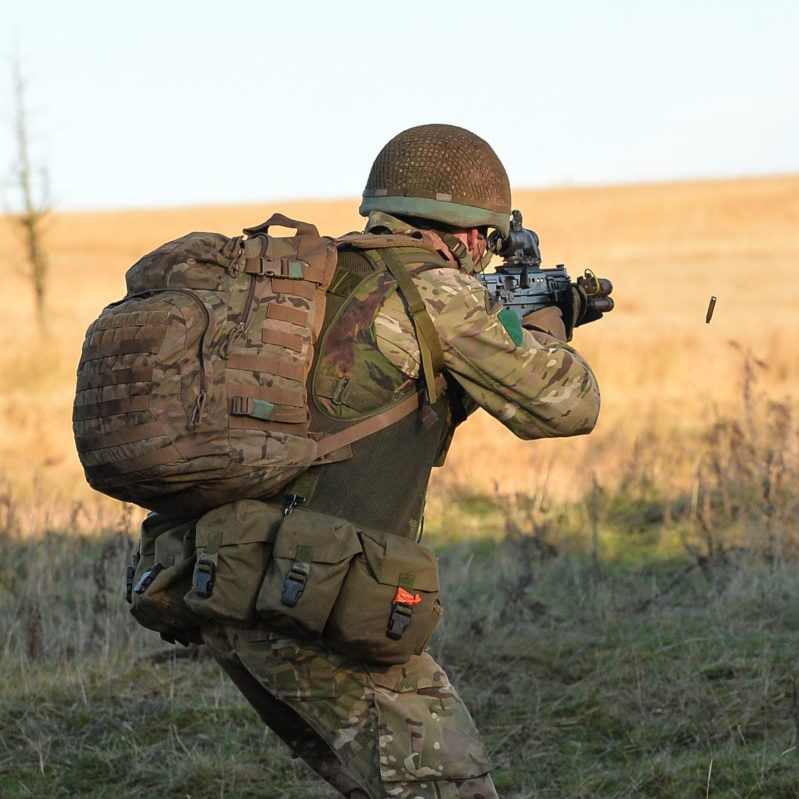
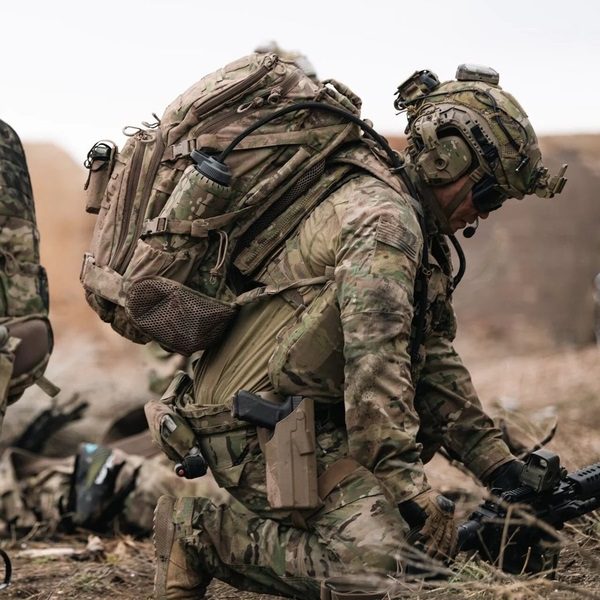
Military backpacks play a critical role in the overall functionality of a soldier's gear. For the British Army, backpacks are more than just a means to carry supplies—they are integral to tactical operations, combat effectiveness, and a soldier's comfort. The design and utility of military backpacks directly influence a soldier's ability to perform in high-stress, demanding environments. As modern warfare increasingly involves diverse and challenging terrains, the British Army has continually evolved its approach to british military backpack design to enhance operational efficiency and soldier well-being.
Military backpacks must combine rugged durability, efficient load distribution, and adaptability to various combat situations. The innovative design and advanced features in modern military backpacks have made them essential tools in ensuring that soldiers are well-equipped, mobile, and ready for action.
This article will explore the history and evolution of British military backpacks, from early designs during the Crimean War to modern modular tactical backpacks. It will examine how the British Army evaluates backpacks based on functionality, durability, and comfort, and how it assesses military backpack manufacturers in terms of quality, customization capabilities, and innovation.
What is a British Military Backpack?
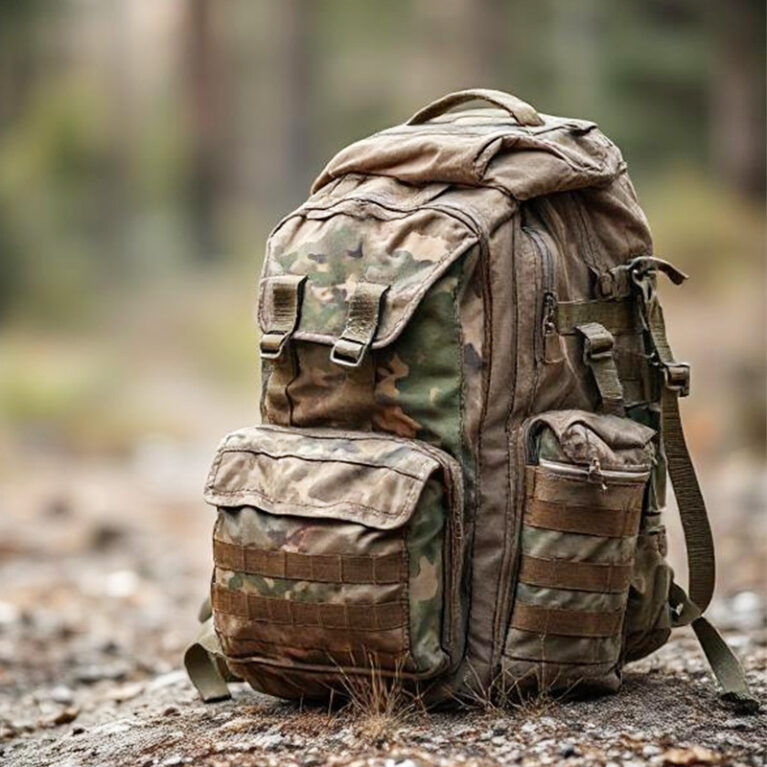
A British military backpack is specifically designed to meet the demanding requirements of soldiers in various operational environments. These british military backpacks are designed with several key considerations: durability, comfort, storage capacity, weight distribution, and ease of access. They are typically used to carry essential items such as food, water, ammunition, medical supplies, and tactical gear.
British military backpacks are designed to withstand harsh conditions, including extreme weather and rugged terrain. They also emphasize comfort, as soldiers may need to carry significant loads for extended periods. Over time, the British Army has worked closely with british military backpack manufacturers to develop highly functional and customizable packs that cater to the needs of modern soldiers.
Who Invented the First British Military Backpack? What Are Its Features and Functions?
The first recognizable british military backpacks used by the British Army were developed in the mid-19th century, especially during the Crimean War (1853-1856). These early packs were often basic in design, made of durable fabric like canvas or burlap, and served to carry essential supplies for long marches and battles.
However, William Heinrich Hall, a British military officer, is credited with designing the first formal british military backpack, known as Hall's Backpack, around 1856. The Hall's Backpack was an essential step forward in british military backpack design due to its structural improvements over previous models.
Key Features and Functions of Hall's Backpack:
- Matériau :Strong canvas and leather reinforcements provided durability for the harsh conditions of war.
- Design:It was designed to allow soldiers to carry both food and equipment, while providing better load distribution across the back, offering more comfort during long marches.
- Modular Storage:The design included compartments for different types of supplies, making it easier for soldiers to access essentials.
- Confort :Improved straps and a more ergonomic design helped alleviate the discomfort caused by previous backpacks.
While Hall's Backpack was a significant development in its time, it laid the foundation for the many innovations that would come in future military pack designs.
When Did the British Army Begin to Use Military Backpacks on a Large Scale?
The large-scale use of british military backpacks by the British Army began to take off during the early 20th century, particularly during the First World War (1914-1918). Before then, soldiers had to rely on basic bags or containers to carry their gear, but the demand for more efficient and practical solutions during the war led to the adoption of standardized british military backpacks.
By 1914, the British Army officially introduced the Greatcoat Pack, which was designed for the First World War. It was the first "modern" british military backpack that could carry an entire soldier's kit, including clothing, rations, and ammunition. Over the next decades, the design evolved further, with significant improvements in load-bearing capacity and comfort.
What Military Backpacks Have the British Army Used and What Are Their Features and Functions?
Over the years, the British Army has used various backpacks, each designed to meet the needs of soldiers in different combat situations. Here are some notable models:
1. Crimean War Era Backpack (1850s)
Features and Functions:
- Matériau :Typically made of coarse linen or canvas, simple and durable.
- Design:The backpack design was quite basic, lacking a sophisticated carrying system. It usually featured shoulder straps and was suitable for carrying lightweight items such as food, ammunition, and personal belongings.
- Function:Primarily used to store soldiers' daily necessities, such as food and water, during long marches.
- Usage:This type of british military backpack was an early design widely used by the British army, adapted to the demands of long marches during the Crimean War.
2. Hall's Backpack (1856)
Features and Functions:
- Designer: Designed by William Heinrich Hall, specifically for the carrying needs during the Crimean War.
- Matériau :Made of sturdy canvas, making it durable and suitable for long marches in the field.
- Carrying System:Equipped with simple shoulder straps, improving weight distribution and suitable for prolonged marches.
- Functionality:Capable of holding a soldier's essentials, with a backpack design that prioritizes balanced weight distribution.
- Usage:Widely used in the Crimean War and subsequent military operations, becoming a standard british military backpack.
3. 1903 Pattern Backpack
- Design:A compact, efficient pack suited for carrying basic gear and rations.
- Functionality:Easier to carry than previous models, but still lacked the level of comfort found in modern backpacks.
- Usage:Used in the early 20th century, particularly during the First World War.
4. The 1908 Pattern Webbing Backpack
Features and Functions:
- Design:This backpack is based on the British 1908 military equipment standard (Webbing). It is constructed from a combination of canvas and leather, and features multiple compartments for storing different types of equipment, such as ammunition, food, and water.
- Materials:Made from durable materials such as canvas and leather, the backpack has a more robust structure and a strong load-bearing capacity.
- Functionality:The design focuses on organizing soldiers' equipment, making it easy to carry various essential items. The backpack can accommodate more equipment and features comfortable shoulder straps and a waist belt system.
- Usage:This british military backpack became standard equipment for the British Army during World War I, and was particularly widely used by infantry units.
5. 1914 Pattern Greatcoat Pack (1914-1918)
Features and Functions:
- Design:The backpack features a simpler design but can accommodate more items. It includes additional straps for attaching other equipment (such as greatcoats, tents, etc.).
- Matériau :Primarily made of canvas with leather components, making it highly durable.
- Functionality:Capable of carrying a large amount of supplies, such as greatcoats, mattresses, food, and ammunition, making it suitable for long marches.
- Usage:Widely used during World War I, especially as standard carrying equipment for British infantry and other branches of the military.
6. World War II Era Backpack (1944 Pattern)
Features and Functions:
- Design:The backpack prioritizes lightness and weight distribution, utilizing modern materials such as canvas and nylon. Its structure is more ergonomically designed for greater carrying comfort.
- Functionality:Suitable for carrying more essential supplies, including food, water, ammunition, and personal protective equipment.
- Details:Multiple internal and external pockets allow for organized storage of equipment. Some backpack designs allow for the attachment of additional equipment (such as water bottles and helmets).
- Usage:During World War II, this british military backpack became standard issue equipment for the British Army, suitable for use in extreme environments, and was widely used in operations such as the Normandy landings and the North African campaign.
7. 1960 Pattern Backpack
Features and Functions:
- Design:The backpack features a more modern design, utilizing lighter and more durable materials such as nylon. The shoulder straps and waist belt system are also more ergonomically designed.
- Functionality:Capable of carrying relatively complex tactical equipment, it features multiple compartments and adjustable straps, allowing for load adjustment according to mission requirements.
- Usage:This british military backpack was widely used in many conflicts during the Cold War, such as the Falklands War.
8. 1965 Pattern Backpack
Features and Functions:
- Design:Features a more modern design, a modular backpack system, and uses a combination of nylon and canvas materials, making it durable and lightweight. It has multiple additional pouches and pockets to adapt to different combat and marching needs.
- Functionality:The backpack's design allows soldiers to distribute different equipment into multiple compartments and pockets as needed, and it features adjustable straps to accommodate soldiers of different body types.
- Usage:Widely used by the British Army during the Cold War, including in military operations in many regions. This british military backpack was also used during the Falklands War.
9.Modern Tactical Backpacks (MOD Issue Packs)
Features and Functions:
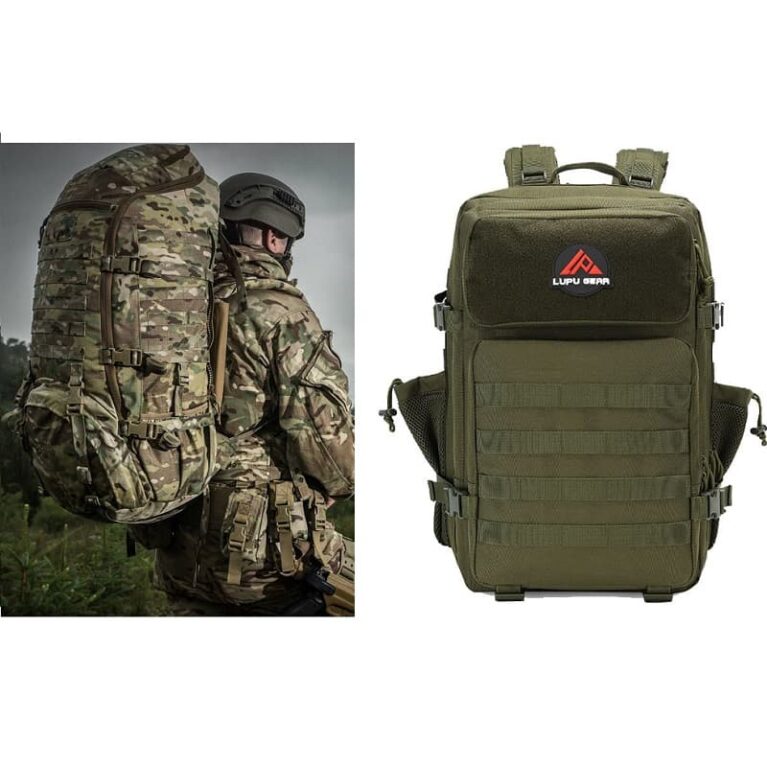
- Design:Modern tactical backpacks utilize a modular design (similar to the US military's MOLLE system), allowing for the attachment or removal of various modules such as extra pouches, hydration packs, and first-aid kits, depending on mission requirements.
- Matériau :Made from high-strength nylon, they are waterproof, fire-resistant, and highly durable.
- Functionality:Modern backpack designs prioritize soldier mobility, comfort, and efficient weight distribution. Shoulder straps, waist belts, and back panels are adjustable to suit different mission requirements.
- Usage:These british military backpacks are used in various modern military operations, such as the wars in Afghanistan and Iraq.
10. MOLLE System Backpack
Features and Functions:
- Design:The backpack features a modular design, allowing for the attachment of various additional units, such as pouches for carrying supplies and equipment racks. The backpack itself is lightweight, suitable for rapid movement.
- Functionality:Highly flexible, capable of meeting the needs of special forces or infantry units in different environments. Each module can be added or removed according to mission requirements, and the backpack's design can be customized based on the type of load and the mission.
- Usage:This design has been popular in the British Army since the late 1990s, and has been widely used, particularly in global counter-terrorism operations.
Which British Military Backpacks Are Famous Worldwide? What Are Their Functions and Features?
Some British military backpacks have earned worldwide recognition for their functionality and rugged design. Among the most famous are the 65 Pattern Backpack and the MOD Issue Pack.
- 65 Pattern Backpack:Famous for its durability and versatility, it is still used by various military and paramilitary forces around the world.
- MOD Issue Pack:Known for its ergonomic design, modularity, and the ability to withstand extreme conditions, this pack is widely respected in military circles globally.
These backpacks are often made by trusted british military backpack manufacturers who specialize in custom british military backpack designs to ensure that the backpacks meet the unique needs of soldiers.
Tactical Functionality and Innovative Design
The evolution of the British Army backpack has led to significant improvements in tactical functionality and soldier comfort. Key innovations include:
- Load Distribution:Modern backpacks use advanced ergonomic design techniques to distribute weight evenly across the body, reducing strain on the back and shoulders.
- Durabilité :The use of waterproof and wear-resistant materials ensures backpacks can endure harsh weather conditions, preventing gear from becoming damaged.
- Additional Features:Features such as hydration systems, quick-access pockets, and integrated pouches allow soldiers to efficiently access essential gear while on the move.
Multipurpose Use of Military Backpacks
Military backpacks are not just limited to combat operations. They are also integral to training exercises, humanitarian missions, and even disaster response operations. The British Army often uses standard backpacks for non-combat situations such as:
- Training exercises:Soldiers use their backpacks to carry training equipment, water, and other essential gear.
- Humanitarian missions:During peacekeeping operations, British forces carry medical supplies, food, and water in their packs.
- Search and rescue operations:Specialized backpacks help carry rescue gear, life-saving equipment, and communication tools.
These backpacks are versatile and can be adapted to a wide range of scenarios beyond the battlefield, proving their value across various military and civilian operations.
Procurement and Supply Chain for Military Backpacks
The procurement of military backpacks in the British Army is a highly organized process. The Ministry of Defence (MoD) typically works with british military backpack manufacturers to ensure that soldiers receive high-quality gear. Procurement is based on the specific needs of the Army, and backpacks are tested in various environments before being officially issued.
Additionally, supply chain management ensures that backpacks are regularly updated and replaced as needed, ensuring soldiers have access to the most advanced gear available. This ongoing relationship between the Army and its suppliers ensures that British forces always have reliable, cutting-edge equipment.
How to Evaluate Military Backpacks?
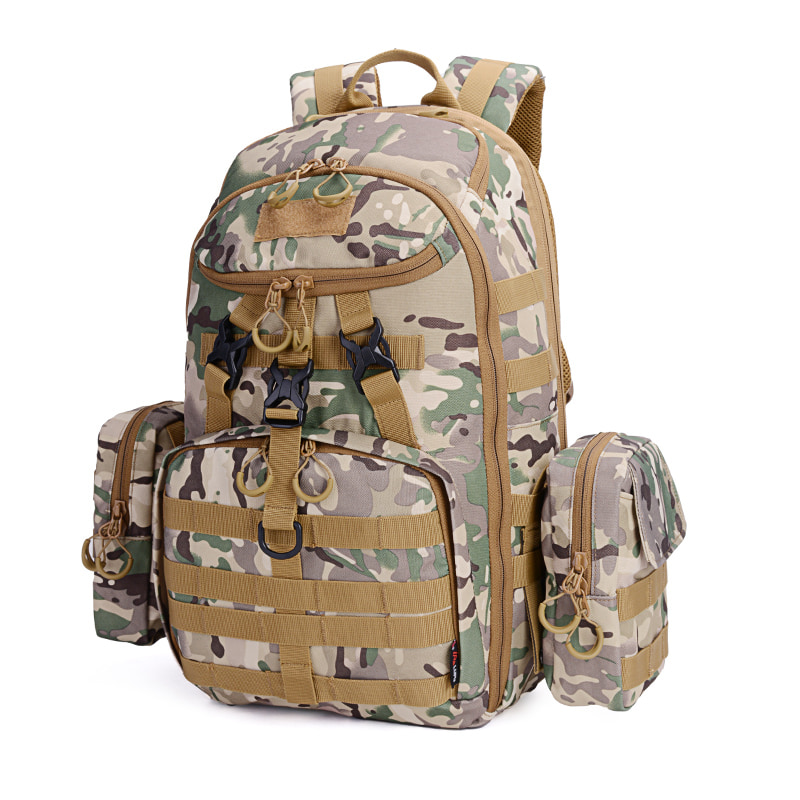
The British Army employs a series of standards and procedures when selecting and evaluating british military backpacks. These backpacks are not only for carrying equipment but also crucial for soldiers' mobility, comfort, and mission effectiveness. Therefore, the evaluation process must consider multiple factors. Here are some key criteria for evaluating military backpacks:
- Functionality
- Capacité de charge :The primary function of a backpack is to carry a soldier's equipment; therefore, load-bearing capacity is one of the most fundamental evaluation criteria. When evaluating a backpack, it must be ensured that it can carry sufficient weight and remain comfortable even under prolonged load.
- Capacity and compartment design:Does the backpack's design meet mission requirements and allow for the organized storage of various equipment (such as weapons, food, water, ammunition, communication equipment, etc.)? For example, some backpacks may be specifically designed for medical emergencies, special operations, or long marches.
- Ease of use:Are the backpack's opening design, zippers, pockets, and attachments configured to allow soldiers to quickly and easily access equipment? This is especially important for special forces and missions requiring rapid response.
- Multifunctionality:Modern backpacks often include additional features such as hydration systems, solar panels (for charging devices), or integrated communication systems.
- Durability and Materials
- Environmental resistance:The backpack must be usable in extreme weather conditions, including extreme cold, high temperatures, and humid environments. Therefore, the backpack's materials and manufacturing process must ensure that it is waterproof, windproof, UV-resistant, and maintains performance in harsh conditions.
- Abrasion and tear resistance:The backpack's fabric must have high abrasion resistance to withstand physical friction during wilderness travel or combat. Modern backpacks often use high-strength materials such as Cordura®, which offers exceptional durability.
- Reinforced areas:The bottom, shoulder straps, and other areas prone to stress need to use stronger materials or reinforced designs to prevent wear and damage after prolonged use.
- Ergonomics and Comfort
- Carrying system design:The evaluation considers whether the backpack's shoulder straps, waist belt, and chest strap are ergonomically designed to distribute weight evenly and reduce fatigue and pressure on the wearer. The comfort of the shoulder straps and waist belt is particularly crucial to prevent discomfort or pressure after prolonged wear.
- Breathability:Modern backpack designs are increasingly focusing on breathability, especially in hot or humid environments. Mesh designs and breathable materials on the back of the backpack help reduce sweating and enhance comfort.
- Tactical Adaptability
- Conception modulaire :Many backpacks feature a modular design, allowing for the attachment of additional pockets or equipment depending on mission requirements. For example, special forces may require backpacks that can accommodate complex communication equipment or night vision devices, while infantry units may prioritize protection and load-carrying capacity.
- Tactical Functionality:Is the backpack compatible with other tactical equipment (such as weapons, vests, first-aid kits) and does it support rapid deployment and combat operations?
- Repair and Maintenance
- Repairability:Is the backpack designed for easy repair in the field or at logistics bases? Backpacks that are easy to replace or repair are usually preferred.
- Ease of Cleaning:Especially in combat environments, backpacks may become soiled with mud, dust, or blood, so the design should consider ease of cleaning or quick drying.
- Safety
- Protective Design:Does the backpack consider safety, especially in dangerous or combat environments? For example, does the backpack have special designs such as bulletproof layers, reflective strips, or hidden pockets to increase the soldier's concealment and safety?
- Testing and Field Trials
- Field Testing: Backpacks typically undergo a series of tests to simulate actual battlefield conditions. Tests include weighted marches, use in harsh weather conditions, and nighttime operations to ensure the backpack performs well in various environments.
- Soldier Feedback:Feedback from soldiers in actual use is a crucial part of the evaluation process. Soldiers provide feedback on the backpack's comfort, durability, and how well it meets tactical needs, ensuring the backpack performs well in real-world situations.
Evaluation Criteria for British Military Backpacks by the British Army Table
|
Evaluation Criteria |
Description |
|
Functionality |
1. Load-Bearing Capacity: Ensures the backpack can carry sufficient weight comfortably. 2. Storage and Compartment Design: Adequately organizes equipment and supplies. 3. Usability: Allows for quick access to critical gear. 4. Multi-functionality: Integrates features like hydration systems and quick-access pockets. |
|
Durability and Materials |
1. Environmental Resistance: Ability to withstand extreme weather conditions (waterproof, UV-resistant, etc.). 2. Wear and Tear Resistance: Made from high-durability materials like Cordura® fabric to resist abrasion. 3. Reinforced Areas: Durable materials used in high-stress areas like the bottom and straps. |
|
Ergonomics and Comfort |
1. Load Distribution: Proper shoulder and waist straps to evenly distribute weight and reduce fatigue. 2. Breathability: Mesh back panels and ventilated straps for comfort in hot climates. |
|
Tactical Suitability |
1. Modular Design: Ability to add pouches and other tactical gear. 2. Tactical Features: Compatibility with other equipment (body armor, weapon systems). |
|
Maintenance and Repair |
1. Repairability: Easy to repair and replace damaged parts. 2. Cleanability: Easy to wash and maintain. |
|
Safety Features |
1. Protective Design: Incorporates features such as reflective strips or ballistic panels for safety. |
|
Testing and Field Trials |
1. Field Testing: Practical evaluations through simulated missions or combat scenarios. 2. Soldier Feedback: Feedback from soldiers on comfort, usability, and performance in the field. |
How to Evaluate Military Manufacturers?
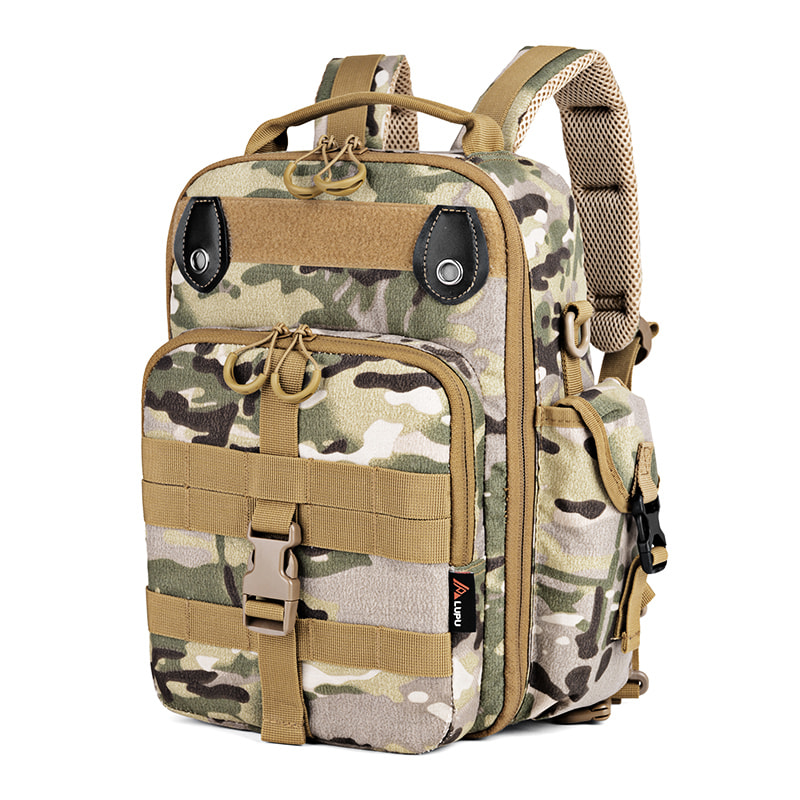
When selecting a fabricant de sacs à dos militaires, the British Army uses a strict set of evaluation criteria to ensure its partners can provide high-quality, compliant military equipment. The following key factors are typically considered when evaluating british military backpack manufacturers:
- Manufacturer's Qualifications and Reputation
- Experience and History:The manufacturer must have extensive experience and be able to provide proof of past successes. Military backpack manufacturers with many years of experience, especially those who have provided services to other armies or international organizations, usually have an advantage.
- Certifications and Standards:The manufacturer needs to comply with relevant international or national quality and safety standards. For example, compliance with quality management system certifications such as ISO 9001 is an important indicator of manufacturing capabilities.
- Quality Control and Production Capacity
- Production Process:The manufacturer's production process must guarantee high-quality backpacks. The assessment will focus on quality control measures in their production process, including raw material selection, processing techniques, and production equipment.
- Consistency and Stability:Can the manufacturer consistently and reliably deliver large-volume orders, especially ensuring on-time delivery in urgent situations?
- Quality Inspection:Does the manufacturer have a complete quality inspection process to ensure that every batch of products undergoes rigorous testing? This includes various tests on the british military backpacks, such as load-bearing tests, material durability, compression and tear resistance.
- Customization Capabilities
- Custom Design:Does the manufacturer have the capability to produce custom military backpacks, designing backpacks tailored to the specific needs of particular missions or units? This is especially important for special forces, reconnaissance units, and other military branches requiring specialized equipment.
- Adaptability:Can the design be adjusted to meet different customer requirements, such as adding extra pockets, attachments, or carrying systems?
- Research and Development and Innovation
- R&D Capabilities:Does the manufacturer have a dedicated R&D team committed to innovation and technological advancement? Through continuous technological development, the manufacturer can provide backpacks that better meet modern tactical needs.
- Technological Adaptability:As the tactical environment changes, can the manufacturer respond promptly to emerging needs, such as high-tech features like smart backpacks and built-in sensors?
- Supply Chain and Logistics
- Reliable Supply Chain:Does the manufacturer have an efficient and reliable supply chain management system to ensure timely supply of necessary raw materials and on-time delivery?
- Logistical Support and Maintenance:Does the manufacturer provide comprehensive after-sales service, including repairs, replacement parts, and regular inspections?
- Sustainable Development and Environmental Protection
- Environmentally Friendly Materials:Does the manufacturer focus on sustainable development, using environmentally friendly materials, complying with green production standards, and reducing environmental pollution?
- Social Responsibility:Does it comply with ethical production standards, respect labor rights, and adhere to international human rights and labor standards?
- Cost-Effectiveness
- Balance of Price and Quality:While cost is an important factor, the British Army typically seeks a balance between price and quality. The manufacturer's backpack price must be within budget while providing sufficiently high quality and durability to ensure long-term use.
Evaluation Criteria for British Military Backpack Manufacturers Table
|
Evaluation Criteria |
Description |
|
Manufacturer Credentials and Reputation |
1. Experience and History: Track record of providing military-grade backpacks to armed forces. 2. Certifications and Standards: Compliance with industry standards such as ISO 9001. |
|
Quality Control and Production Capacity |
1. Production Process: Robust quality control throughout the manufacturing stages. 2. Consistency and Stability: Ability to meet large-scale production demands. 3. Inspection and Testing: Routine testing of materials and final products. |
|
Customization Capabilities |
1. Custom Design: Ability to design backpacks tailored to specific mission needs. 2. Adaptability: Capacity to modify designs for different operational requirements. |
|
Research and Development |
1. R&D Capacity: Investment in ongoing research to innovate and improve backpack design. 2. Technology Integration: Ability to integrate advanced materials and technologies, such as smart fabrics. |
|
Supply Chain and Logistics |
1. Reliable Supply Chain: Efficient sourcing of materials and dependable delivery timelines. 2. Logistics Support: Ability to provide ongoing maintenance, repairs, and spare parts. |
|
Sustainability and Environmental Responsibility |
1. Eco-friendly Materials: Use of sustainable materials and practices. 2. Social Responsibility: Adherence to ethical labor and manufacturing standards. |
|
Cost-Effectiveness |
1. Price vs. Quality: Balance between cost and the quality of products, ensuring good value for money. |
Conclusion
The Importance of British Military Backpacks in Modern Combat
British military backpacks are essential components of a soldier's gear, ensuring that they are adequately prepared to carry the necessary tools for survival, communication, and operational success in various combat scenarios. The ongoing evolution of these british military backpacks reflects the British Army's commitment to improving soldier welfare, operational effectiveness, and overall combat readiness. With the introduction of modern innovations in material technology, ergonomic design, and modular functionality, the modern British military backpack is not just a tool for carrying supplies—it is a tactical asset that enhances the mobility and efficiency of troops on the battlefield.
Future Innovations and Evolving Military Needs
Looking toward the future, the military backpack manufacturer industry is expected to continue innovating in response to emerging technologies, changing combat environments, and evolving soldier needs. Future backpacks may incorporate even more advanced materials such as lightweight, flexible armor, integrated electronics, and smart fabrics that can monitor a soldier's health or provide real-time data on environmental conditions. The British Army's commitment to innovation will likely result in british military backpacks that further enhance soldier mobility, reduce fatigue, and provide greater mission flexibility.
As modern warfare becomes increasingly diverse—ranging from counterinsurgency operations in urban environments to high-intensity combat in extreme climates—the role of the custom british military backpack will become even more critical. Military backpacks will not only need to carry supplies but also accommodate increasingly sophisticated technologies and adapt to highly variable environments. This will require even more precise customization by both military backpack manufacturers and specialized teams that work directly with soldiers to design packs tailored to specific mission needs.
The Global Influence of British Military Backpacks
Over the years, the British military's approach to backpack design has influenced armed forces across the world. The durability, modularity, and functionality of British-designed packs have set the standard for british military backpacks globally. Custom british military backpacks designed by British manufacturers have been adopted by other military forces, and their features have inspired similar designs in civilian and tactical markets. The British Army's innovation in british military backpack design not only strengthens its own forces but also contributes to global advancements in military gear, ensuring that soldiers around the world are equipped with the best possible tools to perform their duties efficiently and safely.
As military backpack technology continues to evolve, the British Army will remain at the forefront of these innovations, pushing the boundaries of what is possible in soldier support and operational readiness. Whether in the face of conventional warfare or modern-day hybrid conflicts, the right military backpack is indispensable to the success and survival of soldiers, offering them the functional, ergonomic, and tactical advantages they need to stay one step ahead in increasingly complex and dynamic combat environments.
Recommend Articles:
Top 50:Liste des marques mondiales d'équipement tactique
Les 12 premiers fabricants mondiaux de bottes de combat militaires