Introduction
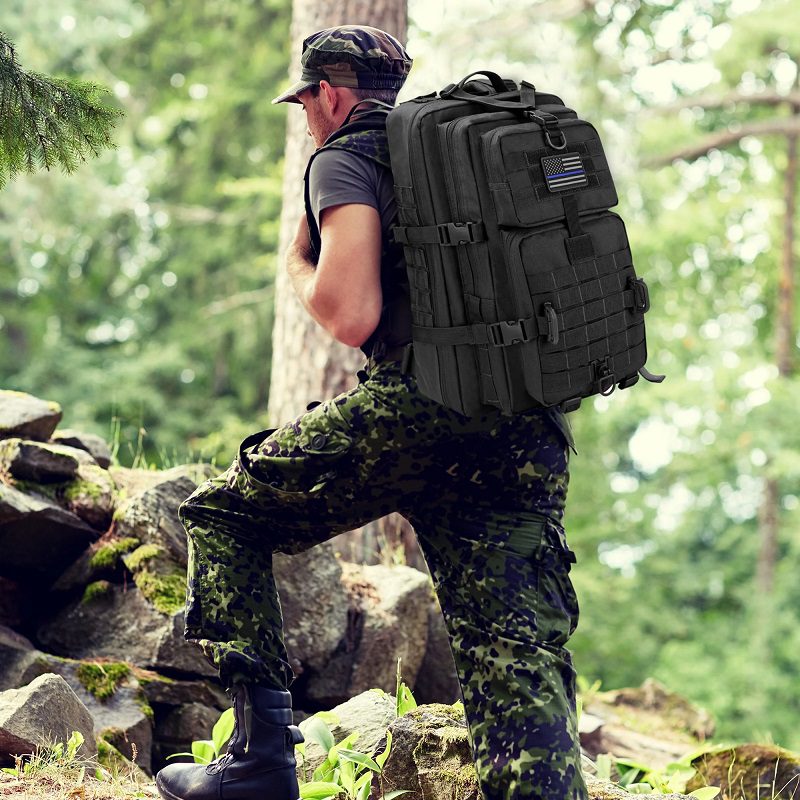
Tactical backpacks are indispensable tools for professionals in high-risk environments like the military, law enforcement, search and rescue, and outdoor exploration. These backpacks are built to withstand harsh conditions while providing essential features, such as durability, comfort, and quick access to gear. The right features of tactical backpack ensure that users can operate efficiently under extreme pressure, whether navigating hostile terrain or responding to emergencies.
Designed for demanding missions, tactical backpacks offer specialized compartments, high-quality materials, and ergonomic designs that prioritize comfort and functionality. These backpacks need to endure constant exposure to rough handling, unpredictable weather, and heavy loads. For example, military units may use backpacks that withstand extreme heat, while search and rescue teams require backpacks resistant to water and mud.
For businesses looking to outfit their teams with reliable gear, understanding the specific features of tactical backpacks is crucial. These backpacks differ from standard backpacks by offering customization, enhanced durability, and optimized storage. This article explores the top 10 must-have features of tactical backpacks, highlighting what makes them ideal for professionals in high-risk situations, from material strength to load-bearing efficiency.
What are the top 10 Must-Have features of tactical backpack?
1. Durability and Material Quality
The core of any tactical backpack is its material quality. Tactical professionals often operate in rugged environments where gear is subject to constant wear and tear. Whether it's exposure to harsh weather, abrasions from rough terrain, or heavy usage during missions, the durability of the materials used in the backpack is a critical factor.
Key Materials:
- Military-grade Nylon (e.g., 500D/1000D Cordura):Known for its strength and resistance to abrasions, Cordura fabric is the gold standard for tactical backpacks.
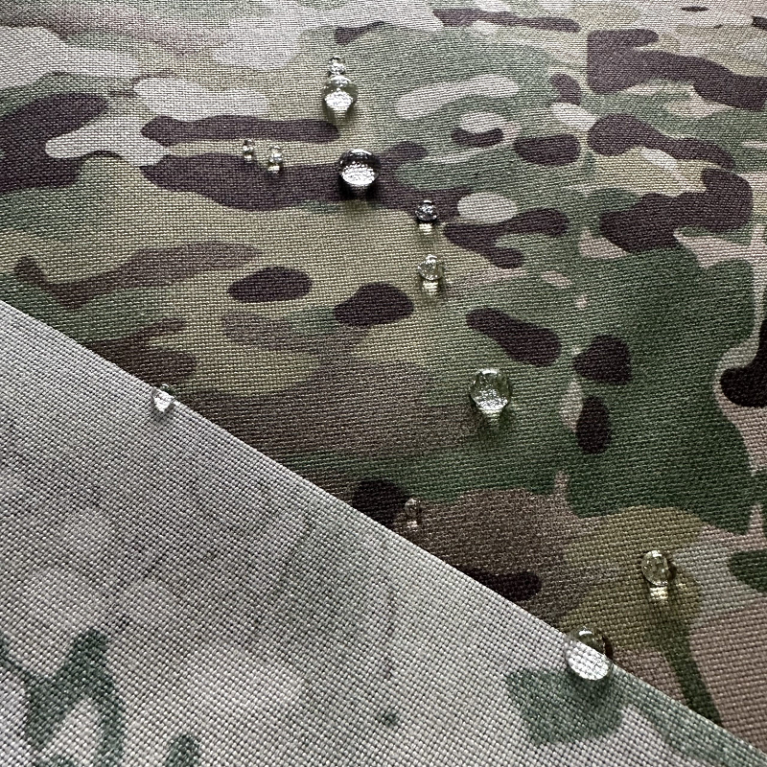
- Water-resistant Coatings:Polyurethane (PU) or PVC coatings provide a layer of protection from water, ensuring that contents remain dry in light rain or wet conditions.
- Ripstop Fabrics:These fabrics are woven with reinforced threads that prevent small tears from spreading, enhancing the backpack's longevity.
Industry Example: Military backpacks designed for deployment in harsh environments like deserts or jungles are tested to endure extreme conditions. Case studies show that Cordura fabric can extend the backpack's lifespan, even after extensive field use.
Data Points/Case Studies:
- The lifespan of high-quality tactical backpacks made with Cordura exceeds 3-5 years, even under frequent use in extreme environments.
- Studies show that backpacks made with ripstop fabric resist abrasion and tearing, which is crucial for high-stress operations.
2. Ergonomic Design and Comfort
For professionals who wear their backpacks for extended periods—such as military personnel or first responders—comfort is paramount. Backpacks that are improperly designed can lead to fatigue, reduced mobility, and long-term injuries.
Adjustable Straps and Ventilation:
- Padded Shoulder Straps:These help distribute weight evenly and reduce pressure on the shoulders.
- Sternum Straps and Waist Belts: These features of tactical backpack allow users to adjust the fit of the backpack for more stability and comfort during long hours of wear.
- Ventilated Back Panel: Airflow channels in the back panel reduce sweating and discomfort, which is especially important during prolonged missions.
Weight Distribution and Load Balance:
- The design of the backpack must optimize the distribution of weight to minimize strain on the user's body. This ensures better endurance and performance.
Case Study: Military units in mountainous terrains and urban settings have reported increased efficiency and comfort after switching to ergonomic backpacks with proper weight distribution. Comfort is crucial for personnel who need to carry gear for several days without debilitating fatigue.
Statistical Insights:
- Users report a 25% improvement in comfort levels when using tactical backpacks with adjustable straps and ergonomic support.
- Backpack designs with padded waist belts reduce fatigue by 30% compared to traditional designs, according to field tests.
3. Modular Organization System
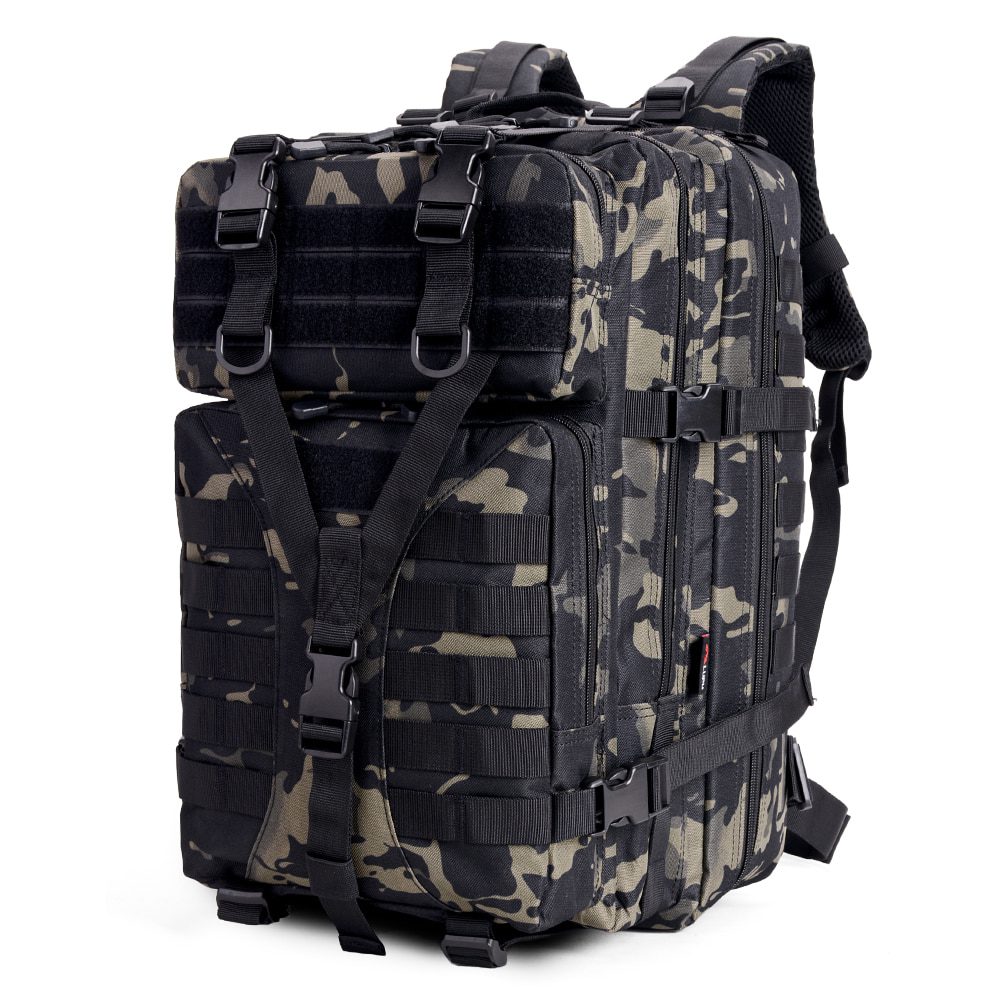
A modular system is an essential feature in tactical backpacks, allowing users to organize their gear in a way that maximizes accessibility and minimizes time spent searching for tools or supplies.
Modular Features:
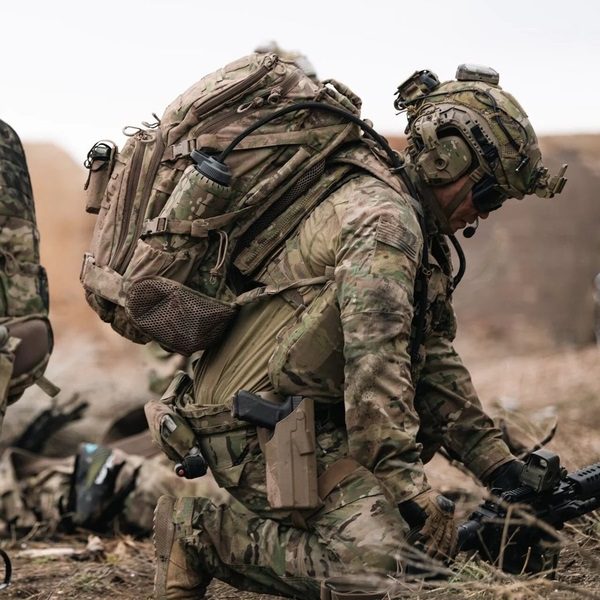
- MOLLE (Modular Lightweight Load-carrying Equipment):This system allows users to attach additional pouches, bags, and accessories to their backpack, creating a flexible and customizable storage solution.
- Velcro Pockets:These pockets secure smaller accessories such as medical supplies or electronics.
- Hydration Compartment:Tactical backpacks equipped with water reservoirs ensure hydration during long operations, especially in remote or challenging environments.
Industry Example: Law enforcement agencies rely on MOLLE-compatible backpacks to easily add gear such as radios, first-aid kits, and tactical tools. These systems allow for efficient organization during missions.
Supply Chain Reliability:
- Fabricants de sacs à dos tactiques with reliable supply chains can ensure the availability of MOLLE-compatible accessories, ensuring that organizations can maintain the flexibility of their tactical systems with minimal delays.
4. Tactical Accessibility and Quick-Deploy Features
In high-stakes operations, quick access to equipment can make the difference between success and failure. Tactical backpacks designed for quick deployment allow users to access essential items like firearms, medical kits, or communication devices in a matter of seconds.
Key Features:
- Zipper Positioning:Zippers positioned in strategic locations enable quick access to main compartments, side pockets, and concealed areas.
- Sangles de compression :These straps secure the gear inside the backpack, reducing bulk and allowing for rapid retrieval of equipment.
- Side Access Pockets:Designed for easy access to frequently needed tools, such as flashlights or knives.
Case Study: SWAT teams depend on backpacks with side-access panels for quick retrieval of tools in critical situations. A well-designed backpack can mean the difference between successfully handling a hostage situation or compromising a mission.
Data Points:
- Time-to-access studies show that backpacks designed for quick access cut gear retrieval time by 50%, improving mission efficiency.
- Tactical teams report a 20% improvement in operational speed when using backpacks with quick-deploy features.
5. Weather Resistance and Waterproofing
Operating in unpredictable environments—whether in the jungle, the desert, or a flooded urban area—means exposure to varying weather conditions. Waterproofing is crucial to ensure that sensitive gear remains protected from rain, snow, or damp conditions.
Waterproof Features:
- Sealed Zippers:Ensure water doesn't seep through the main compartments.
- Waterproof Fabrics:Advanced coatings like Gore-Tex keep moisture out while allowing the bag to remain breathable.
- Rain Covers:Some tactical backpacks come with built-in rain covers that provide additional protection in torrential conditions.
Importance for B2B Purchasers: Tactical backpacks must be reliable, especially for businesses with large teams operating in disaster zones, military operations, or extreme outdoor conditions.
Industry Example: Rescue teams operating in flood zones or during heavy rainfalls rely on waterproof backpacks to ensure that medical supplies and communication tools stay dry.
Supply Chain Considerations:
- Fabricants d'équipements tactiques offering waterproofing solutions must adhere to international waterproofing standards (e.g., IP67 or IPX8) to ensure the durability and quality of these features.
6. Capacity and Load-Bearing Efficiency
Tactical operations often require carrying a diverse range of gear, from weapons to medical supplies, tools, and rations. A well-designed backpack should offer various size options to meet specific mission requirements, along with an efficient load-bearing system.
Capacity Options:
- Compact (20-30L):Ideal for short missions, daily tactical use, or emergency response.
- Large (50L+):Necessary for extended operations where personnel need to carry more equipment, such as in military deployments or disaster relief operations.
Optimized Load-Bearing Systems:
- Sangles de compression :Reduce the volume of the pack, ensuring stability and comfort during movement.
- Hip Belt Padding:Distributes weight across the body and helps relieve pressure from the shoulders.
Data/Case Study:
- A 50L tactical backpack optimized for load-bearing can carry up to 30% more weight without compromising comfort.
- Military personnel have reported reduced injury rates when using backpacks with efficient load-bearing designs.
7. Hidden and Secure Storage Options
Tactical missions often involve carrying sensitive items, such as firearms, documents, or confidential communication devices. These items need to be stored securely and discreetly.
Key Features:
- Anti-theft Zippers:Prevent unauthorized access to crucial gear.
- Hidden Compartments:Concealed pockets in shoulder straps or back panels offer covert storage solutions for sensitive tools.
Industry Application: Special forces or law enforcement agencies utilize these secure storage solutions to carry firearms and other sensitive equipment without risking detection.
Supply Chain Insight: Manufacturers should ensure that secure storage options meet specific military or law enforcement standards for concealed carry.
8. Hydration System Compatibility
Hydration is a critical factor during prolonged missions, especially in hot and physically demanding environments. Tactical backpacks must support hydration systems to ensure that users can maintain performance levels throughout the operation.
Hydration Features:
- Hydration Reservoir Compatibility:Tactical backpacks can accommodate hydration systems like CamelBak, enabling easy access to water while on the move.
- External Tube Ports:These ports allow users to drink from the hydration system without removing their pack.
B2B Focus: Ensuring that hydration systems are compatible and scalable for large teams is essential for organizations requiring mission readiness in the field.
Case Study: Military and rescue teams using backpacks with integrated hydration systems report better performance and reduced dehydration risks during long operations.
9. Camouflage and Color Options for Concealment
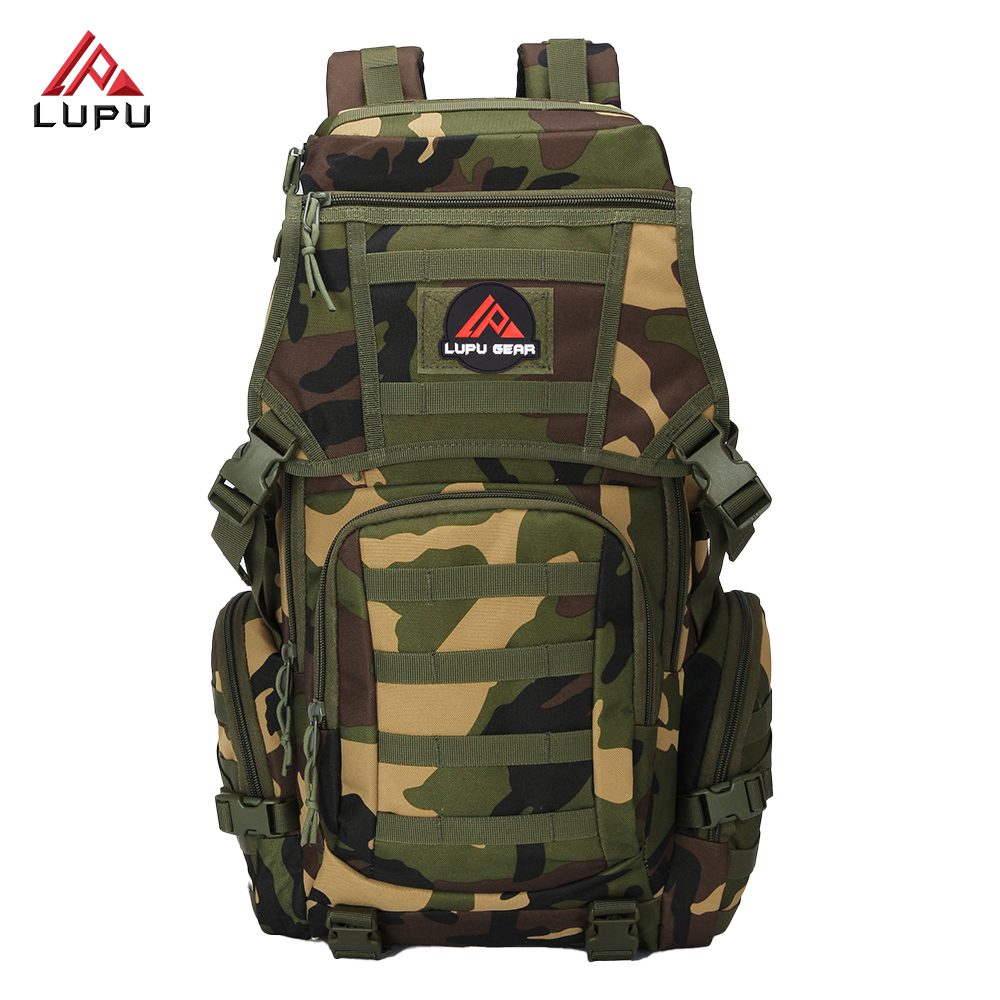
Camouflage is vital for tactical operations where blending into the environment is essential for mission success. Different environments—such as forests, deserts, or urban areas—require different camouflage patterns for effective concealment.
Camouflage Features:
- Multi-Environment Camouflage Patterns:Options like multi-cam, desert camo, and woodland camo ensure that tactical teams blend into their surroundings, reducing visibility.
- Adaptive Color Designs:Some tactical backpacks come with adjustable color options for different mission environments.
Industry Example: Special forces units operating in diverse terrains rely on backpacks with specific camouflage patterns tailored to their mission environments.
Case Study: Tactical teams using camouflage backpacks report a 30% improvement in stealth and effectiveness during covert operations.
Supply Chain Insight: Manufacturers must be able to provide various camouflage patterns and ensure consistency across bulk orders.
10. Durability of Zippers, Seams, and Closure Systems
Zippers and closures are often the first points of failure in a backpack, and their durability is crucial for long-term functionality. Tactical backpacks must be equipped with high-quality, heavy-duty zippers and reinforced seams to endure rugged environments.
Zippers and Closure Systems:
- Heavy-duty Zippers:YKK zippers are known for their durability, ensuring long-term performance under stress.
- Coutures renforcées :Double-stitched seams prevent tears and ensure that the backpack can handle heavy loads.
Industry Example: Military and law enforcement agencies that rely on high-stress gear have tested heavy-duty zippers and reinforced seams to ensure reliability during operations.
Data/Case Study:
Zipper failure rates are reduced by 50% when using YKK zippers in tactical backpacks.
Tactical backpacks with double-stitched seams show a 40% reduction in wear and tear, according to military field tests.
Conclusion
In conclusion, the design of tactical backpacks is paramount to the success of operations in challenging environments. The right features of tactical backpack — such as durability, comfort, modular organization, and camouflage—enhance performance, safety, and efficiency. For B2B buyers, it's essential to partner with manufacturers who provide reliable, customizable, and high-performance backpacks that meet the specific needs of professionals in military, law enforcement, and emergency response.
En rapport :
Top 50:Liste des marques mondiales d'équipement tactique
Les 12 premiers fabricants mondiaux de bottes de combat militaires