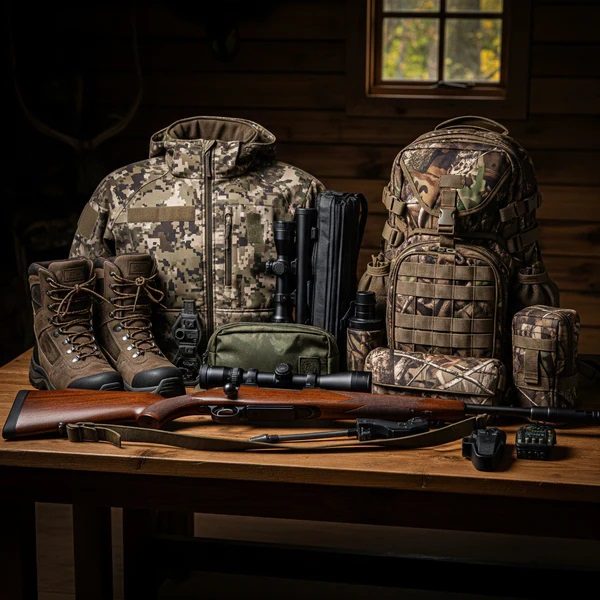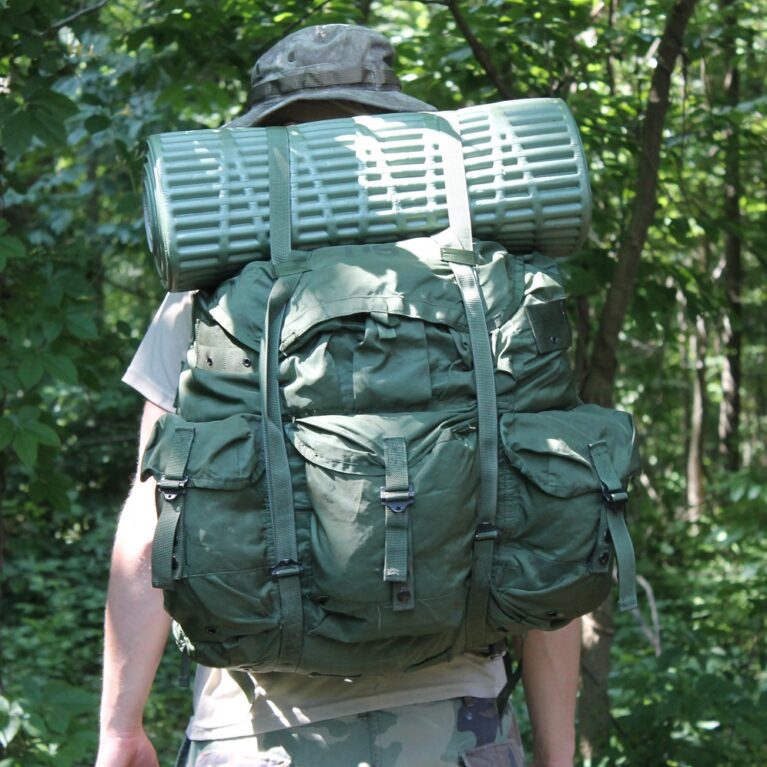
In the ever-changing landscape of tactical gear, few innovations have had as significant an impact as the Sac à dos d'hydratation tactique. Whether for military operations, outdoor adventures, or high-endurance sports, hydration is key to performance and safety. But staying hydrated while on the move has always posed a challenge—until the advent of tactical hydration backpacks, which allow users to carry and consume water hands-free during intense activity. This article explores the evolution of the Tactical Hydration Backpack, from its early military roots to its current widespread use, and looks at the role of Tactical Hydration Backpack manufacturers and suppliers in its development.
The Beginnings: The Military Origins of Tactical Hydration Backpacks

The concept of hydration backpacks can be traced back to the 1980s, during a period when the U.S. military began to recognize the importance of maintaining proper hydration for soldiers in the field. Before the introduction of hydration backpacks, soldiers had to rely on canteens and water bottles, which were bulky and inconvenient to carry. Soldiers would often have to stop what they were doing to drink water, interrupting their movements and potentially risking their safety.
A key turning point came in 1989, when Michael Eidson, the founder of CamelBak, created the first hydration pack. His design featured a flexible water reservoir combined with a drinking tube, allowing the user to drink without needing to stop or take off their pack. The Tactical Hydration Backpack was born.
This early prototype was specifically designed with military applications in mind. The goal was simple: create a compact, hands-free solution for soldiers to stay hydrated without slowing down. As a result, the first tactical hydration systems were embraced by the military, and soon other sectors—like outdoor enthusiasts and athletes—sought similar solutions.
The Rise of Tactical Hydration Backpacks in the 1990s
By the 1990s, CamelBak and other companies began refining the hydration pack design. The packs were made more durable, ergonomic, and compatible with a wider variety of gear. As demand increased, Tactical Hydration Backpack manufacturers saw an opportunity to diversify their offerings to cater to other sectors such as law enforcement, hiking, cycling, and marathon running.
During this period, the introduction of custom Tactical Hydration Backpacks began to take off. Tactical units, such as SWAT teams and military special forces, started to order hydration packs tailored to their specific needs. These packs featured high-capacity reservoirs, insulated tubing to keep water cool, and specialized compartments for additional tactical gear. Customization was important to ensure that soldiers and law enforcement officers could carry both water and essential gear efficiently.
The Role of Tactical Hydration Backpack Suppliers
As demand grew for more specialized hydration packs, a rise in Tactical Hydration Backpack suppliers followed. These suppliers not only provided pre-designed models but also offered wholesale Tactical Hydration Backpacks for large organizations like military units, police forces, and outdoor retailers. Suppliers started to work closely with manufacturers to create packs that were both highly functional and durable, able to withstand extreme conditions while maintaining a lightweight profile.
For example, a typical wholesale Tactical Hydration Backpack offered to military units could include features like:
- Multiple storage compartmentsfor tools and weapons
- Quick-release valvesfor rapid hydration
- Adjustable strapsto fit different body types and operational needs
- Durable, waterproof fabricsfor challenging climates
At the same time, some Tactical Hydration Backpack factories began creating packs specifically geared toward outdoor athletes and recreational users. These packs were lighter, more streamlined, and designed with comfort in mind for long hikes, bike rides, or trail running.
2000s and Beyond: Tactical Hydration Backpacks for All
By the early 2000s, hydration backpacks were no longer just a military or specialized piece of equipment—they were becoming mainstream. Companies such as Osprey, Platypus, and Hydrapak started offering versions designed for outdoor enthusiasts. The integration of hydration systems into consumer products like hiking packs, running vests, and mountain biking backpacks became common.
The evolution of the Tactical Hydration Backpack in the 2000s also saw improvements in technology and design. For example:
- Insulated reservoirswere developed to keep water cool for longer periods of time, which was especially beneficial for outdoor activities in hot climates.
- Antimicrobial-treated bladders and tubesemerged to prevent bacteria and mold growth, an important feature for hygiene during extended trips.
- Modular designsallowed users to attach additional pouches and accessories, making the hydration pack more adaptable to different activities.
The Influence of Customization and Niche Markets
As the demand for custom Tactical Hydration Backpacks grew, manufacturers began offering more personalized options. Outdoor enthusiasts could now order custom packs tailored to their specific needs, such as hydration packs designed for ultramarathons, trail running, or mountain biking. These specialized backpacks offered lightweight designs, ergonomically positioned water reservoirs, and advanced features like quick-access compartments and helmet attachments.
This shift toward customization also extended to military and law enforcement sectors, where Tactical Hydration Backpack manufacturers worked closely with end-users to create bespoke solutions. For example, military units operating in extreme environments required hydration systems that could withstand sub-zero temperatures or desert heat, so manufacturers began offering options with insulation or UV-resistant coatings.
Today: The Tactical Hydration Backpacks Market
In recent years, the Tactical Hydration Backpack market has continued to evolve with the advancement of materials science and user preferences. Today‘s packs are lightweight yet highly durable, often made from ripstop nylon or Cordura fabrics, known for their strength and abrasion resistance. Modern packs also feature:

- Breathable mesh back panelsto reduce sweating and increase ventilation
- Sangles de compressionfor better load distribution and stability
- Hydration reservoirsmade from BPA-free materials to ensure water quality
- Advanced ergonomic designsfor maximum comfort during extended use
As the demand for high-quality, performance-oriented packs grows, more Tactical Hydration Backpack factories are focusing on producing high-end models for both military and civilian markets. These factories are committed to maintaining strict quality control while meeting the needs of a diverse customer base, including tactical units, athletes, and outdoor explorers.
Furthermore, wholesale Tactical Hydration Backpacks have become a popular product for retailers and distributors who want to offer a range of hydration solutions to their customers. Companies that specialize in wholesale supply of tactical gear now offer hydration systems in bulk for large orders, catering to sectors such as law enforcement, security companies, and sports organizations.
The Future of Tactical Hydration Backpacks
Looking ahead, the future of Tactical Hydration Backpacks will likely be shaped by continued advancements in technology and materials. Future innovations could include:
- Smart hydration systems, featuring built-in sensors that monitor water intake and remind users to hydrate.
- Solar-powered hydration packs, where small solar panels are used to keep water cool or charge devices.
- Sustainable and eco-friendly materials, as more manufacturers focus on reducing environmental impact by using biodegradable or recycled fabrics.
The demand for custom Tactical Hydration Backpacks will likely continue to grow, with users seeking highly personalized solutions for specific needs. This could lead to more partnerships between Tactical Hydration Backpack manufacturers and niche outdoor brands, military contractors, and sports professionals.
Conclusion
The evolution of the Tactical Hydration Backpack has been driven by the need for efficiency, convenience, and hydration in extreme conditions. From its humble beginnings in the military to its current status as a ubiquitous tool for athletes, outdoor adventurers, and tactical professionals, the hydration backpack has come a long way. As the industry continues to innovate, Tactical Hydration Backpack manufacturers, suppliers, and factories will continue to play a crucial role in developing the next generation of hydration solutions.
En rapport :
Les 8 premiers fabricants de packs d'hydratation au monde