Introducción
Tactical bags are no longer just a functional piece of gear designed for soldiers; they have evolved into a critical component for military personnel, law enforcement, emergency responders, and outdoor enthusiasts alike. Over the years, the history and evolution of tactical bags has shaped these bags into highly functional, durable, and versatile tools that serve specific needs across various industries. From humble beginnings in warfare to the modern tactical bags used for everyday carry (EDC) or survival purposes, these bags have undergone substantial transformations, driven by technological advances, material innovations, and the ever-changing needs of users.
This blog post delves deep into the history and evolution of tactical bags, exploring how these bags emerged from simple pouches and satchels to the highly specialized, modular systems in use today. We will examine the factors that influenced their design, the materials used in their construction, and the role of tactical bags in military operations, law enforcement, and civilian life.
Early Beginnings: Pre-Modern Era
Military Satchels and Leather Bags (Pre-1900s)
Before the widespread use of modern materials like nylon and synthetic fibers, soldiers and explorers relied on basic bags for storing ammunition, food, and personal items. These early bags were often made from leather and canvas, and were rudimentary compared to today's standards but served essential purposes. The military satchel, used primarily by soldiers during ancient and medieval wars, is one of the first iterations of what we would now consider a tactical bag.
Early tactical bags were designed for functionality rather than durability or comfort. Leather satchels were durable but heavy, and could carry a limited load of supplies like ammunition, maps, and basic survival items. The design of these bags was largely dictated by the materials available at the time. For instance, soldiers in the Napoleonic Wars and the American Civil War used simple leather pouches or canvas bags for daily supplies. These bags were not intended for long-term comfort but were necessary to ensure that soldiers could carry their essential gear while on the move.
Materials: Leather was abundant, but not as durable in the long term as modern synthetic materials. It was, however, water-resistant to some extent and provided moderate protection for the contents inside.
Limited Technology and Materials
At this stage, there were no specialized compartments for tools, weapons, or electronics. The bags were basic, with a single main compartment and rudimentary fastening systems (leather straps, buckles). The tactical considerations at the time did not require the advanced designs we see today, as military engagements were often close-range, and combatants did not carry as much gear as modern soldiers.
Though primitive by today's standards, these early bags served an essential purpose in the broader context of military logistics. As weaponry and ammunition became more complex over time, the need for a more organized approach to carrying gear became apparent. Early bags laid the foundation for the more sophisticated and modular tactical gear of the future.
World Wars and the Birth of Modern Tactical Gear
The two World Wars (World War I and World War II) were pivotal in the development of modern military and tactical gear, including backpacks and field bags. The scale and scope of these conflicts demanded better-organized logistics, more durable materials, and specialized gear to accommodate a range of new technologies and equipment.
World War I & II (1914-1945)
During World War I, soldiers were required to carry more than just their weapons. With the advent of modern warfare, soldiers carried radios, gas masks, medical supplies, and rations. This period saw the first true military backpacks made from canvas and leather. The design of these bags was functional but limited in its capacity to carry specialized gear.
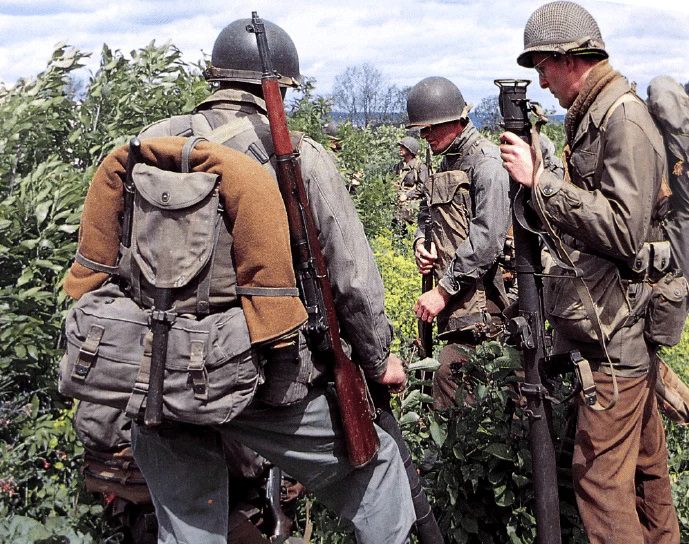
World War II accelerated this process. The war required soldiers to carry more equipment for extended periods. Early versions of the rucksack were introduced, which allowed soldiers to carry food, ammunition, medical supplies, and other essentials. These rucksacks were still relatively simple, consisting of a large compartment and sometimes a secondary compartment for smaller items.
Materials: The introduction of canvas and nylon fabrics allowed these bags to be more durable and weather-resistant compared to earlier leather designs. Nylon proved to be a far lighter and stronger alternative, and its use in military gear became standard during World War II.
Post-War Innovation
Following World War II, many of the materials and designs developed for military use found their way into the civilian sector. The increasing demand for more functional and comfortable gear during extended operations led to the development of larger, more modular designs. The advent of nylon fabric wasa game-changer. It was lighter, more durable, and water-resistant, making it ideal for military applications.
One significant development in the immediate post-WWII era was the introduction of specialized pouches and pouches systems. Soldiers began to carry pouches for ammunition, medical kits, and tools, integrated into their gear. This marked the beginning of what would later become the MOLLE system, allowing soldiers to customize their loadouts.
The 1960s-1980s: The Rise of Tactical Innovation
Vietnam War (1960s-1975)
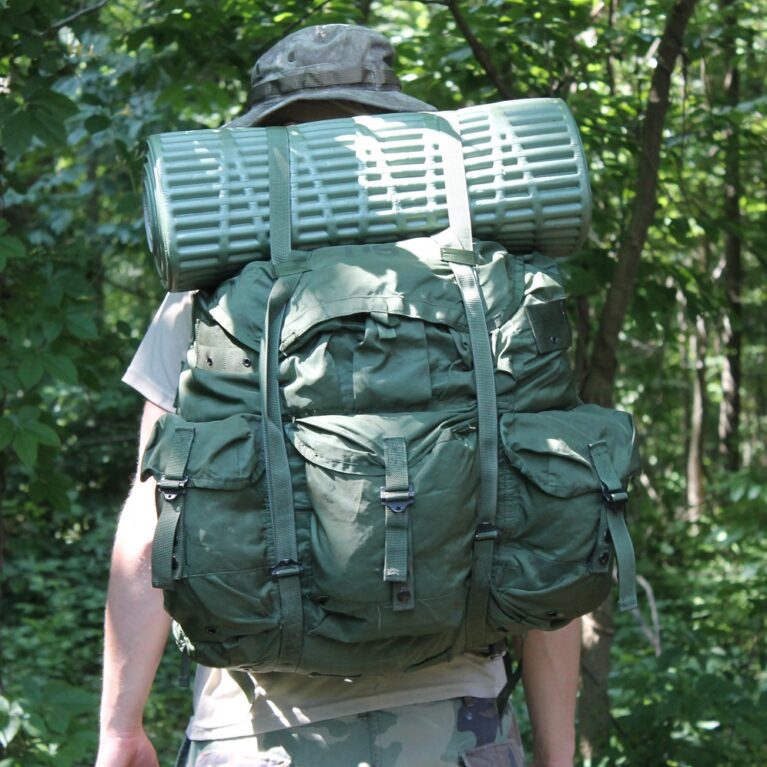
The Vietnam War was a critical period in the evolution of tactical bags. The dense jungles of Southeast Asia required soldiers to carry a wide array of equipment, including radios, survival tools, medical kits, and ammunition. The bags used during this time needed to be durable, modular, and comfortable enough for long-term use.
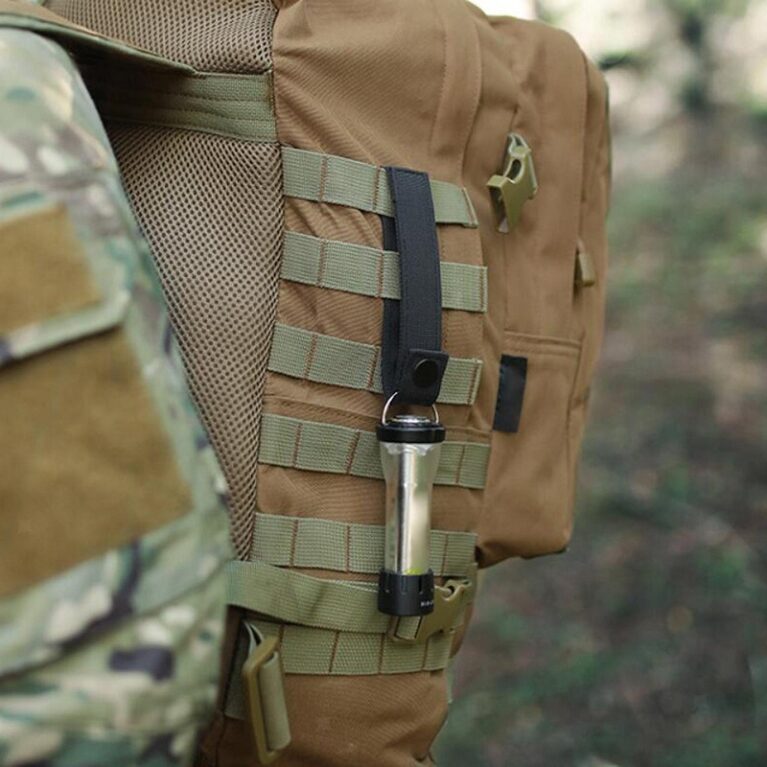
The MOLLE (Modular Lightweight Load-carrying Equipment) system, which would become a hallmark of modern tactical gear, began to take shape during this era. This system allowed soldiers to add or remove pouches based on their mission needs, enabling them to customize their gear. This modular approach revolutionized how military gear, including backpacks, was designed.
Materials: The introduction of ripstop nylon during the Vietnam War was a breakthrough. This material provided increased durability and tear resistance, which was essential for carrying heavy loads through the rough terrain of the war zone.
Cold War Era
The Cold War period marked a shift towards specialization in military gear. As the need for tactical operations in diverse environments grew, tactical bags evolved to meet the demands of both the military and law enforcement.
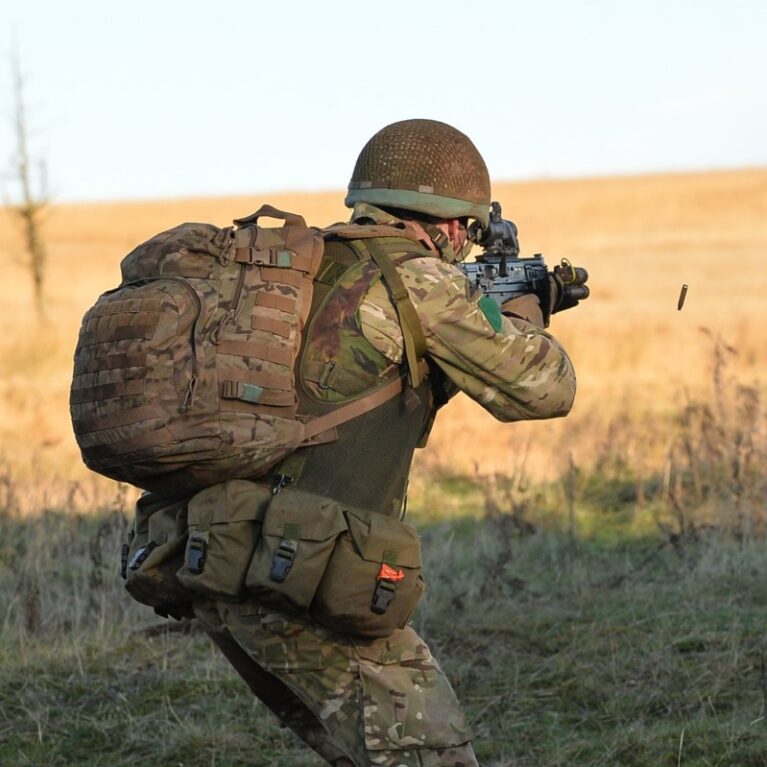
The 1980s saw the rise of the tactical backpack, which became standard issue for military units worldwide. These backpacks often featured multiple compartments, reinforced straps, and the ability to carry a larger load. The addition of more robust attachment systems, such as webbing and straps, allowed soldiers to secure additional pouches or equipment to their bags.
MOLLE system refinement: During the Cold War, the MOLLE system was refined, and fabricantes de equipos tácticos began to produce more specialized gear, allowing soldiers to customize their packs for different missions, whether urban warfare, desert operations, or jungle combat.
1990s: Tactical Bags Enter the Consumer Market
By the 1990s, tactical bags began transitioning into civilian markets. The need for rugged, durable, and organized bags was no longer limited to military or law enforcement agencies.
Tactical Gear for Law Enforcement
Law enforcement agencies, particularly SWAT teams, saw the value in the modular and functional designs of military bags. Tactical vests and backpacks began to be used to carry specialized gear, including radios, medical kits, flashlights, and protective equipment. These bags were designed for quick access, and their modular nature allowed officers to adapt their gear for specific situations.
Material advancements in the 1990s further improved the performance of tactical bags. Cordura fabric, a lightweight and highly durable material, began to see wider adoption. Cordura is abrasion-resistant, tear-resistant, and water-resistant, making it perfect for heavy-duty tactical use.
Development of Specialized Tactical Bags
By the late 1990s, tactical bag manufacturers started to produce tactical bags specifically for outdoor enthusiasts and survivalists. These bags featured a balance of rugged durability and civilian-friendly features such as hydration packs, additional compartments, and compression straps for managing gear. Tactical bags designed for outdoor adventures were often more compact than military models, but still offered the same level of durability and functionality.
The Everyday Carry (EDC) movement also took off in the 1990s, and tactical bags became a popular choice for people looking for high-performance bags for daily use. These bags were designed to carry tools, gadgets, and survival gear but in a way that was practical and aesthetically appealing for everyday urban environments.
2000s: The Digital Age and Tactical Gear Evolution
With the turn of the millennium, the design of tactical bags continued to evolve, integrating new materials and technologies to meet the changing needs of military, law enforcement, and civilian users.
War on Terror and Iraq/Afghanistan (2001-2010)
The War on Terror and the conflicts in Iraq and Afghanistan saw the introduction of highly specialized tactical bags to accommodate modern technology. Soldiers now had to carry advanced electronics such as GPS devices, satellite radios, and night-vision goggles. Tactical bags had to evolve not just in terms of capacity but also to safely house these electronic devices.
Material advancements during this period included the widespread adoption of waterproof coatings, carbon fiber, and high-strength synthetics to ensure that bags could withstand extreme conditions, such as intense heat and moisture.
Introduction of Tactical Urban Bags
During the early 2000s, tactical bags began to enter the urban market. These bags were designed to blend military functionality with a more discreet appearance, making them suitable for everyday commuters. Brands like 5.11 Tactical and Maxpedition became well-known for creating urban-inspired tactical backpacks, messenger bags, and duffel bags that offered the same rugged durability of military-grade gear.
The appeal of these bags was not limited to just military or law enforcement professionals. Outdoor enthusiasts, hikers, preppers, and even tech professionals sought bags that were versatile enough to handle multiple roles — from outdoor adventures to carrying tech gadgets and tools.
2010s to Present: Innovation and Customization
Advancements in Materials and Technologies
The 2010s have seen the integration of smart technology into tactical bags. Solar charging panels, USB charging ports, and Bluetooth connectivity have been incorporated into tactical bags to meet the needs of modern users. These innovations reflect the increased importance of staying connected in both military operations and civilian life.
The materials used in tactical bags also continue to evolve. Dyneema and Cordura X-Pac are two of the most cutting-edge fabrics used today. These materials are incredibly strong, lightweight, and resistant to wear, making them ideal for military and tactical bags.
Rise of Tactical Bag Brands
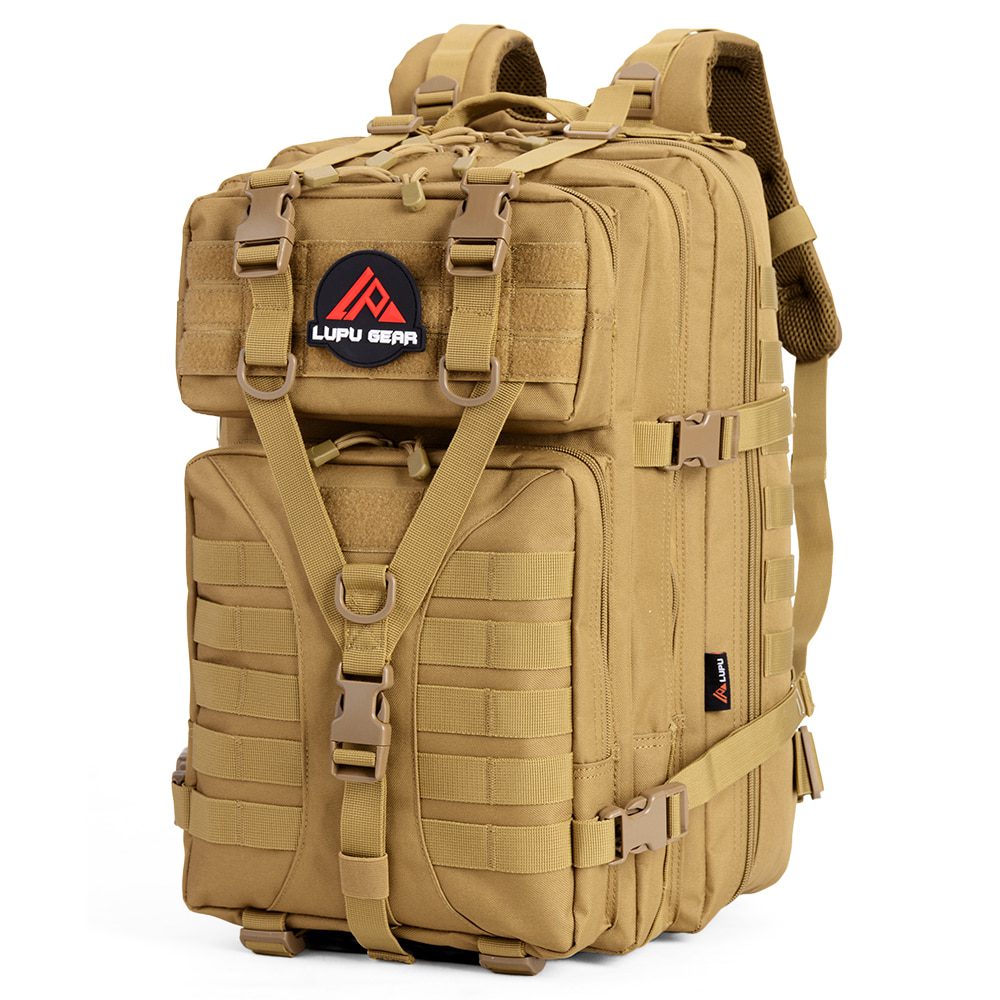
The 2010s also witnessed the rise of specialized tactical bag brands such as 5.11 Tactical, Maxpedition, Mystery Ranch, Sastre táctico, and LUPU. These companies offer a wide range of products designed to meet the needs of both military personnel and civilians. The demand for durable, high-quality bags has driven these brands to continuously innovate, offering bags with custom compartments, attachment points, and ergonomic features.
Future of Tactical Bags
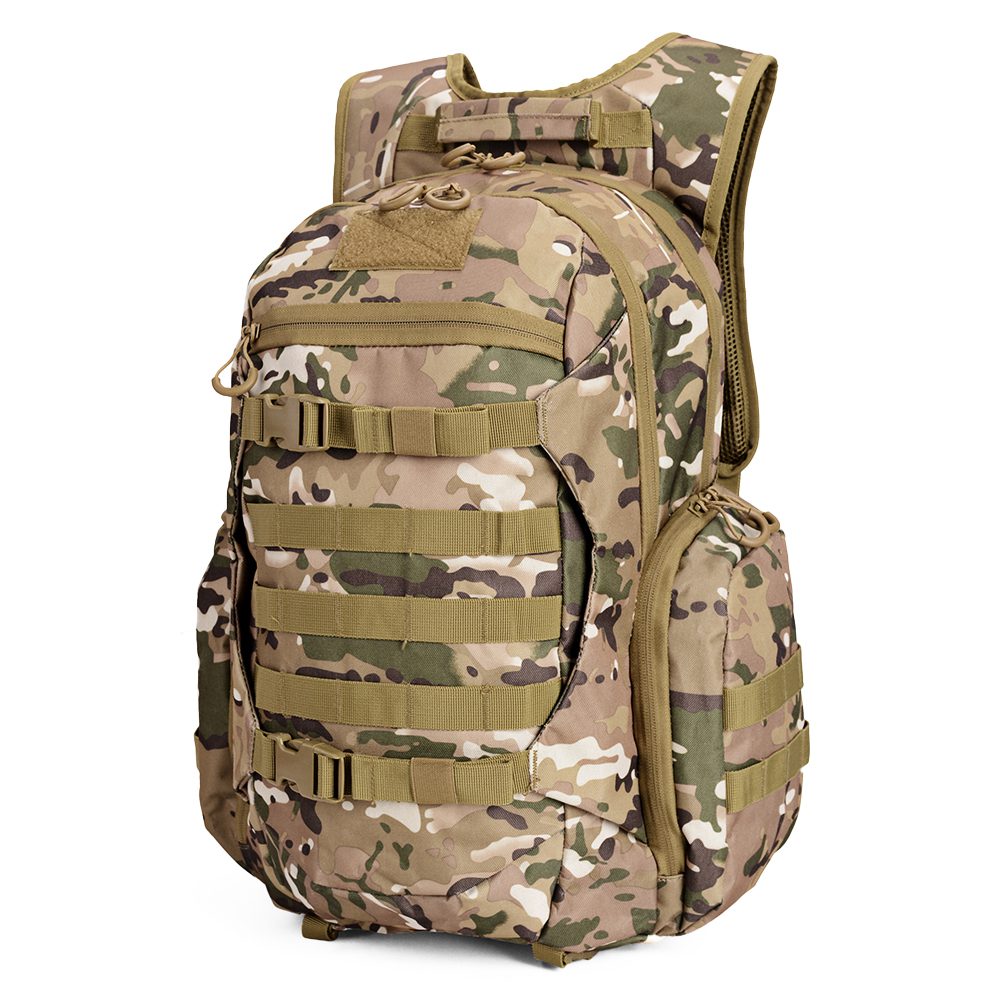
Smart Tactical Bags
As the Internet of Things (IoT) continues to grow, smart tactical bags are expected to become more common. These bags may include features such as built-in GPS, integrated lighting systems, and solar-powered charging capabilities to keep users connected, regardless of the environment they find themselves in.
Sustainability in Tactical Gear
With growing awareness around sustainability, manufacturers are now looking for ways to reduce the environmental impact of their gear. This includes using recycled fabrics, biodegradable coatings, and eco-friendly manufacturing processes.
Continued Evolution of Modular Design
The modular nature of tactical bags will continue to be a central theme. The future will likely bring more refined versions of the MOLLE system and other customizable features, allowing users to create fully personalized gear setups.
Conclusión
The history and evolution of tactical bags have been driven by the increasing complexity of military, law enforcement, and civilian needs. From simple leather satchels to highly sophisticated modular backpacks, tactical bags have evolved into essential tools used for a variety of purposes. With advancements in materials, technology, and design, the future of tactical bags promises even more innovation, ensuring these tools continue to serve the ever-changing needs of users around the world.
Articles Recommend:
Top 50:Lista mundial de marcas de equipamiento táctico
Los 12 mejores fabricantes de botas militares de combate del mundo