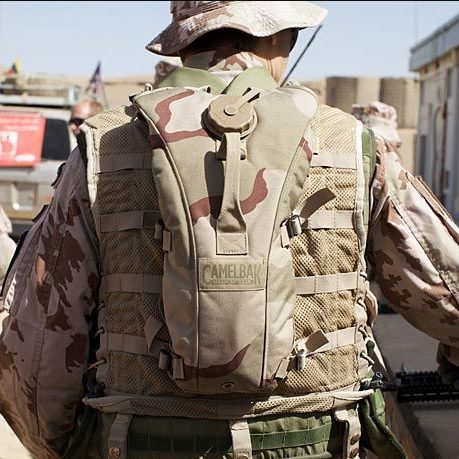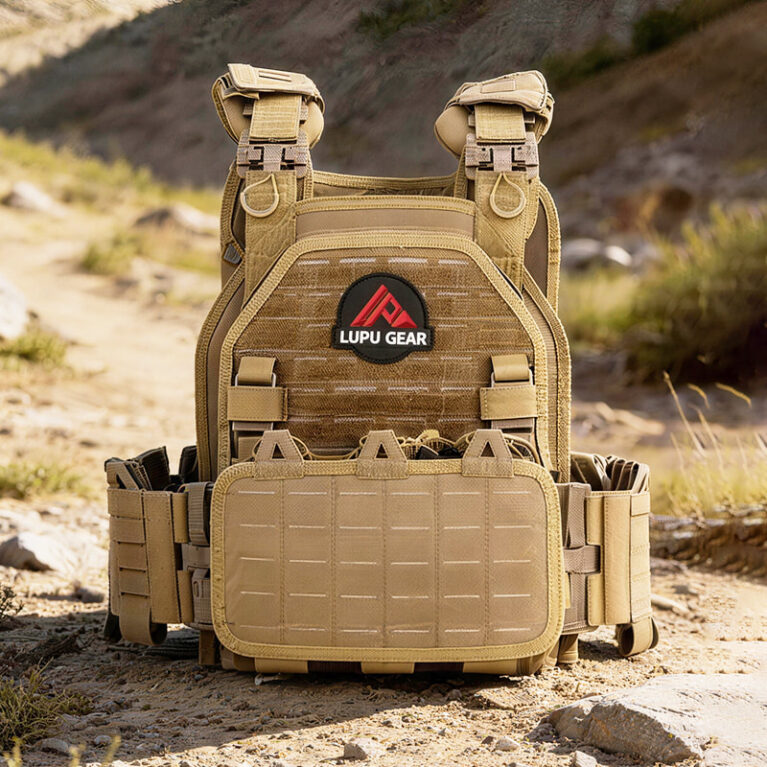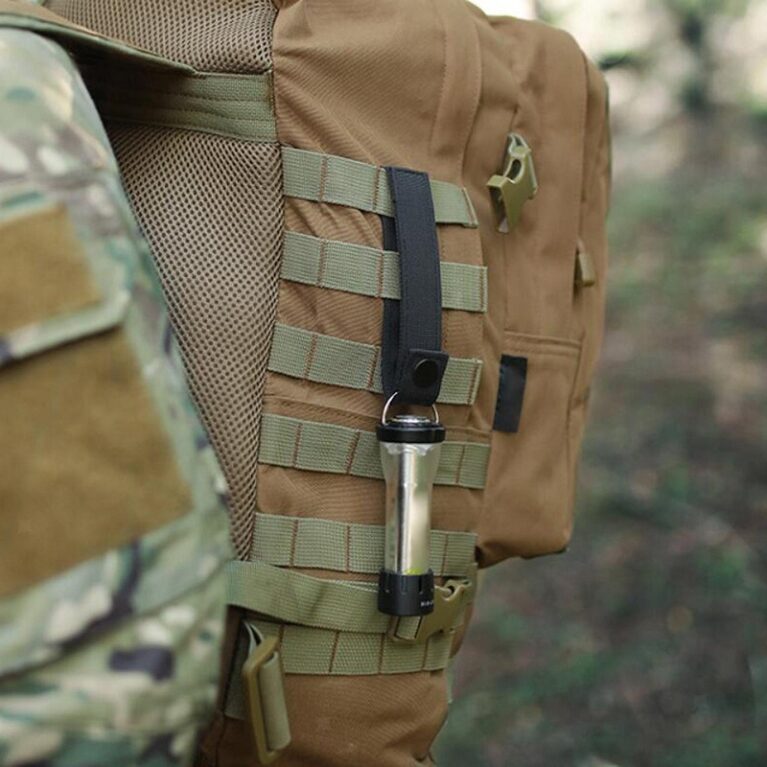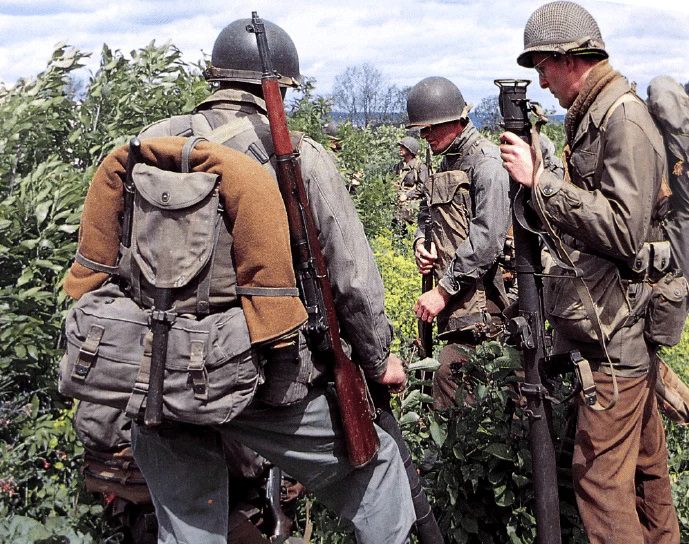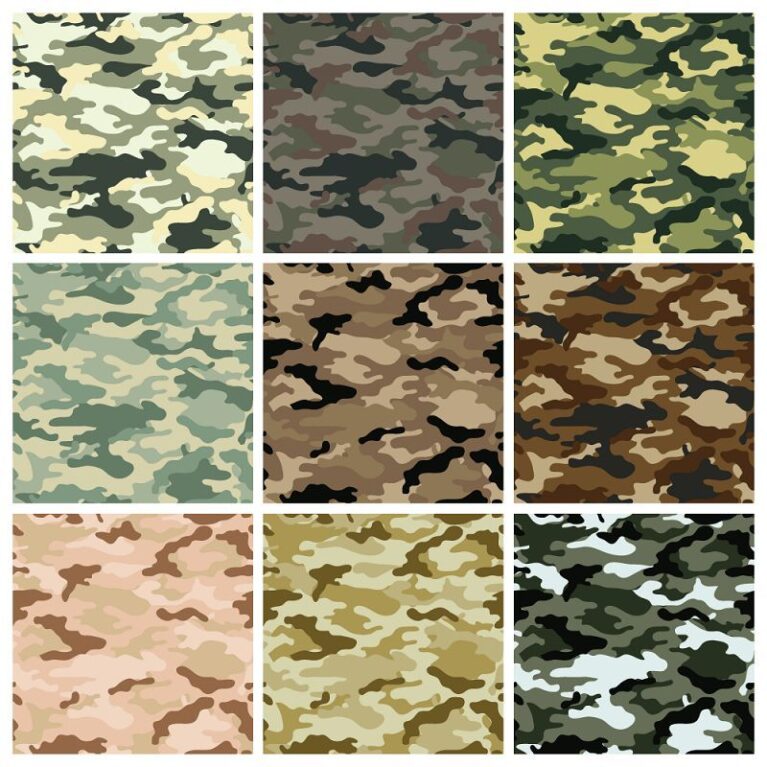
Military backpacks are essential pieces of gear for soldiers, tactical professionals, and outdoor enthusiasts. With their rugged construction and practical design, they serve to carry vital supplies, tools, and personal items in the most demanding environments. However, beyond their durability and functionality, the military backpack colors play a crucial role in both its tactical use and its overall performance. Understanding military backpack colors, the factors that affect their selection, and how to choose the right color is key to making an informed decision for both tactical operations and custom military gear creation.
1. What is a Military Backpack?
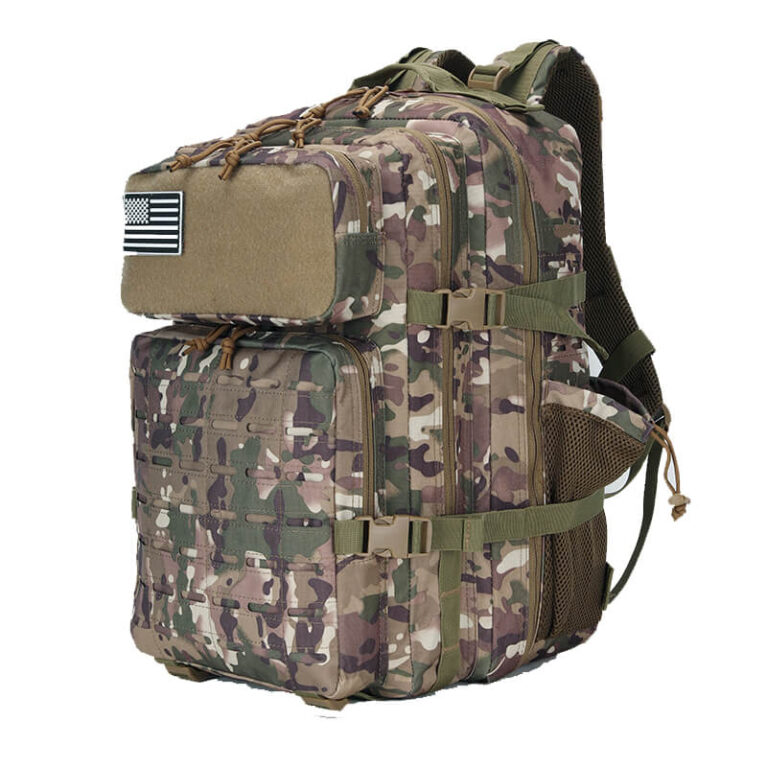
A military backpack is a specialized bag designed to meet the demanding needs of soldiers, tactical operatives, or outdoor enthusiasts who require a durable, functional, and efficient means of carrying essential gear. Military backpacks are typically made from high-strength materials such as Cordura fabric, Nylon, or Polyester, which provide resistance to wear and tear, moisture, and harsh weather conditions.
They are designed with multiple compartments and storage solutions, offering a mix of functionality, comfort, and durability. Features commonly found in military backpacks include:
- MOLLE (Equipo Modular Ligero de Transporte de Carga)webbing for modular attachment of additional pouches and accessories
- Hydration systemsfor carrying water supplies
- Correas de compresiónto secure items and reduce bag volume
- Reinforced zippers and handlesfor ease of use and durability
- Ergonomically designed shoulder straps and padded hip beltsfor comfort during long treks
The design and features of military backpacks are often tailored to specific missions or activities, such as urban operations, wilderness exploration, or survival scenarios.
2. What is Military Backpack Colors Definition?
In the context of military backpacks, color refers to the hue and pattern applied to the bag's surface. Military backpack colors are more than aesthetic choices; they are often based on functional and strategic considerations. Military forces choose specific colors for their gear to optimize the backpack's effectiveness in various environments. Color can impact the backpack's ability to blend into the surroundings (for camouflage), its visibility, and its overall purpose.
Common Military Color Definitions:
- Camouflage (Camo):Used for blending into specific environments like forests, deserts, or urban settings. Camouflage patterns combine various shades and designs to confuse or disguise the wearer from enemies.
- Solid Colors:These include colors like black, gray, olive drab, or tan. They may be chosen for tactical operations or operational stealth, where camouflage is not a concern.
- High-Visibility Colors:Bright colors like neon yellow or orange are typically used for search-and-rescue or emergency response situations, where visibility is crucial for safety.
In military terms, colors are typically chosen to reflect the tactical needs of the unit or the operational environment they will be working in.
3. How Many Military Backpack Colors?
When it comes to military backpacks, there is a wide range of colors and camouflage patterns. These colors are chosen based on mission requirements, geographical location, and operational needs. Below is an extensive list of the most popular military backpack colors, including their historical origins, tactical applications, and when they should be used.
1. Olive Drab (OD Green)
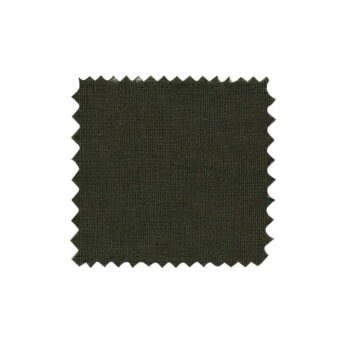
- Description:Olive Drab is one of the most iconic and classic colors used in military backpacks. It has been a staple in military gear for decades, providing a solid, neutral tone that offers excellent camouflage in forested and woodland environments.
- Historical Use:Olive Drab was originally adopted by the U.S. military in the mid-20th century for its versatility and blending ability in a variety of settings.
- Tactical Use:Ideal for wooded, jungle, and mixed-terrain operations. Its muted green color helps soldiers remain inconspicuous in environments dominated by vegetation and trees.
2. Woodland Camouflage
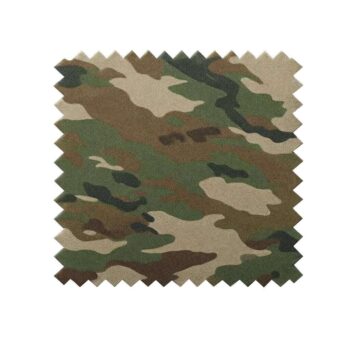
- Description:This camouflage pattern is a blend of green, brown, black, and tan hues, designed to offer effective concealment in forested environments.
- Historical Use:Developed during the Cold War and extensively used by NATO forces, particularly the U.S. Army and Marines.
- Tactical Use:Woodland camo is particularly effective in dense forests, jungles, and areas with heavy foliage. It's also used in situations where multi-environment camouflage is needed.
3. Desert Camouflage (DCU)
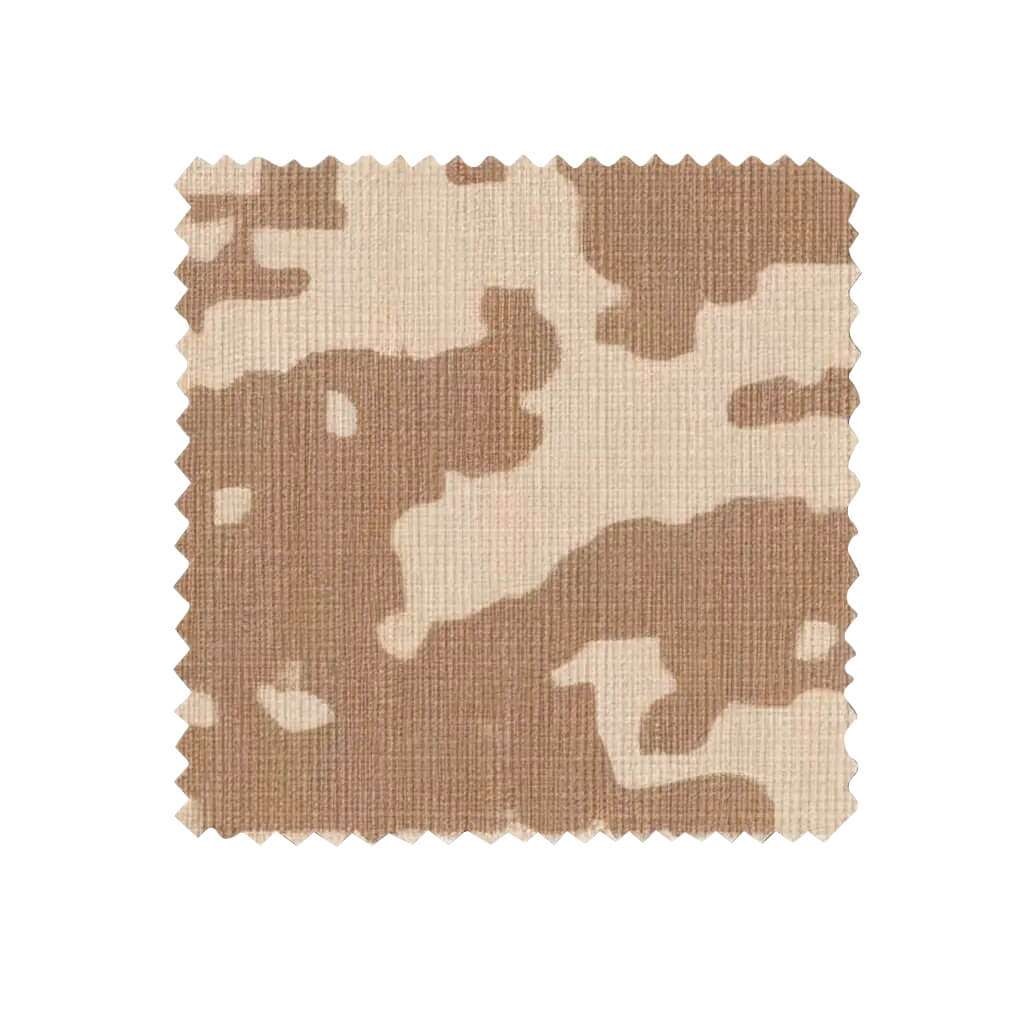
- Description:This camouflage pattern incorporates light, tan, and brown hues, optimized for desert and arid environments.
- Historical Use:The Desert Camouflage Uniform (DCU) was primarily used during the Gulf War (1990-1991) by the U.S. military.
- Tactical Use:Perfect for desert warfare, the pattern blends with the sandy terrain and prevents soldiers from standing out in dry, barren landscapes. It works best in arid and rocky regions.
4. Digital Camouflage
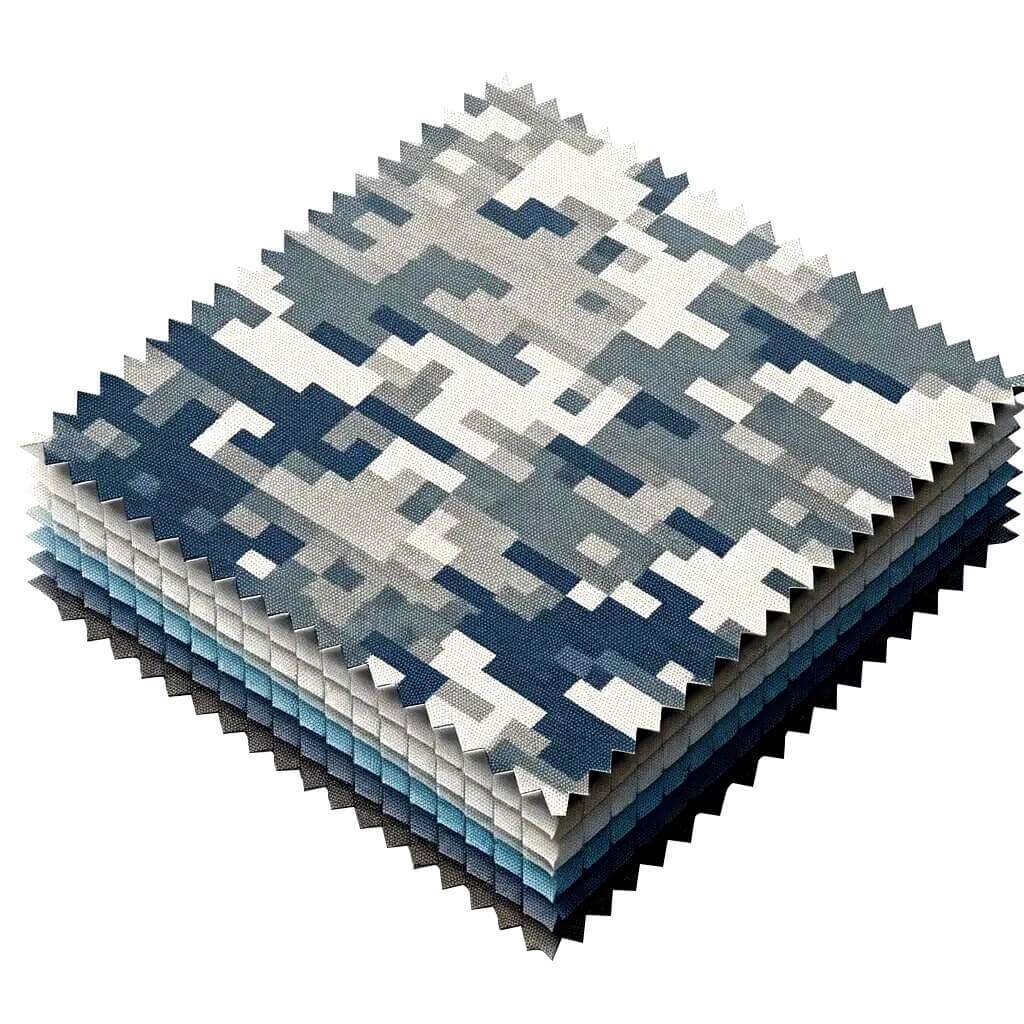
- Description:A modern, pixelated camouflage pattern made up of small squares, designed to confuse the eye and disrupt the shape of the wearer.
- Historical Use:The U.S. military introduced digital camo (also known as Universal Camouflage Pattern, or UCP) during the early 2000s, replacing traditional patterns like woodland.
- Tactical Use:Effective in multiple environments (urban, forest, desert) by creating visual “noise” that makes it harder for the enemy to target the wearer.
5. Coyote Brown
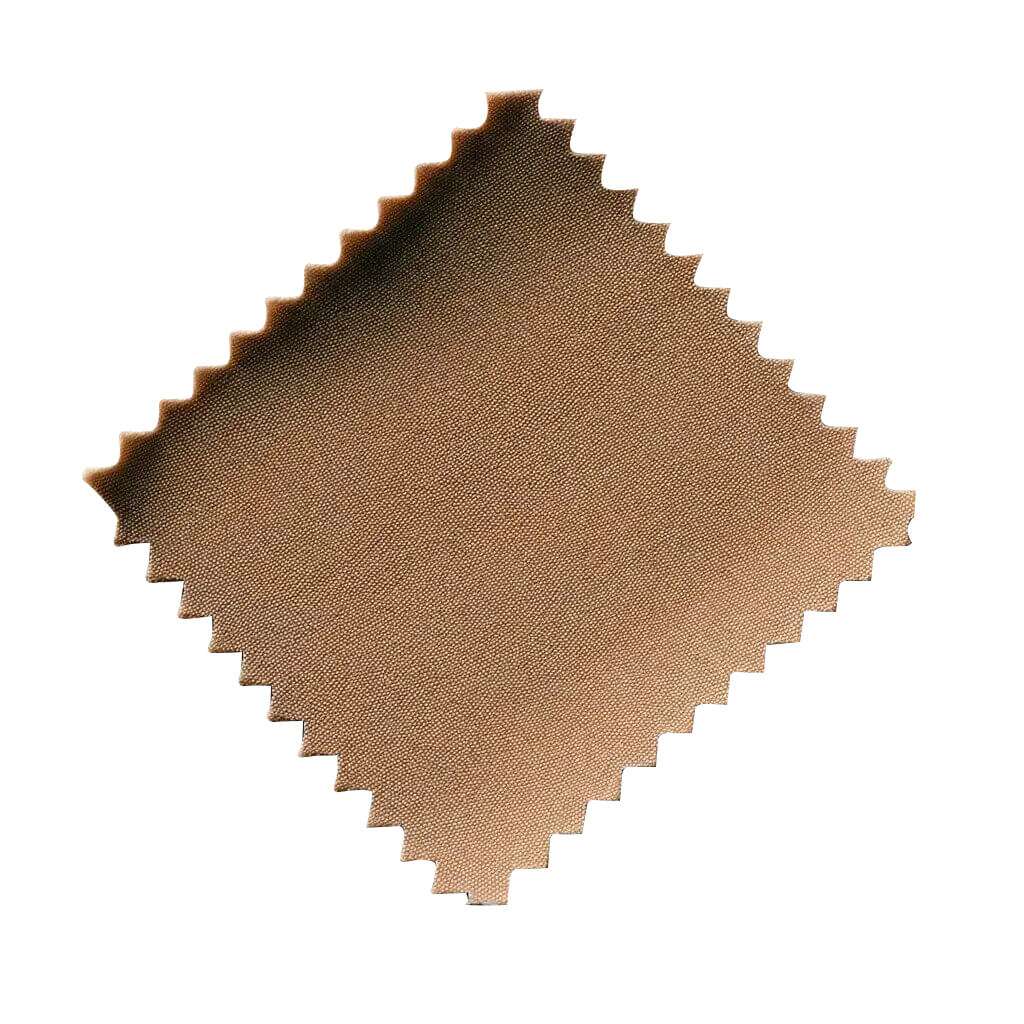
- Description:A brownish-tan color that blends well with both sandy and rocky environments.
- Historical Use:Coyote Brown was officially adopted by the U.S. military in the early 2000s, particularly for tactical vehicles and military gear.
- Tactical Use:This color is often seen in desert environments but is also versatile for urban and mixed-terrain operations. Its neutral brown tone allows it to blend well in both tactical and civilian contexts.
6. Foliage Green
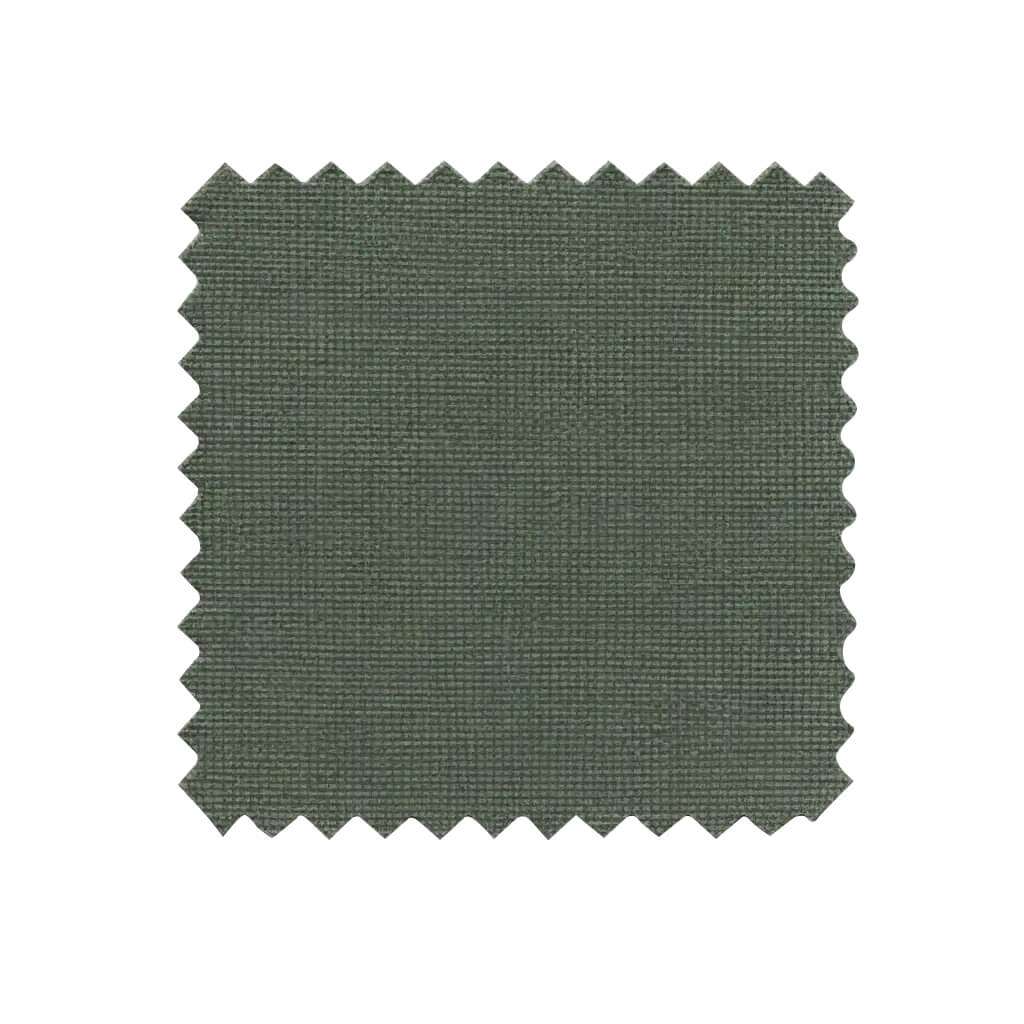
- Description:A muted green color often used in the U.S. Army's ACU (Army Combat Uniform).
- Historical Use:Foliage Green became popular during the early 2000s as the ACU pattern, used by the U.S. Army.
- Tactical Use:Foliage Green is ideal for operations in wooded, tropical, or green environments. The color is lighter than olive drab but still offers effective camouflage in similar settings.
7. Black
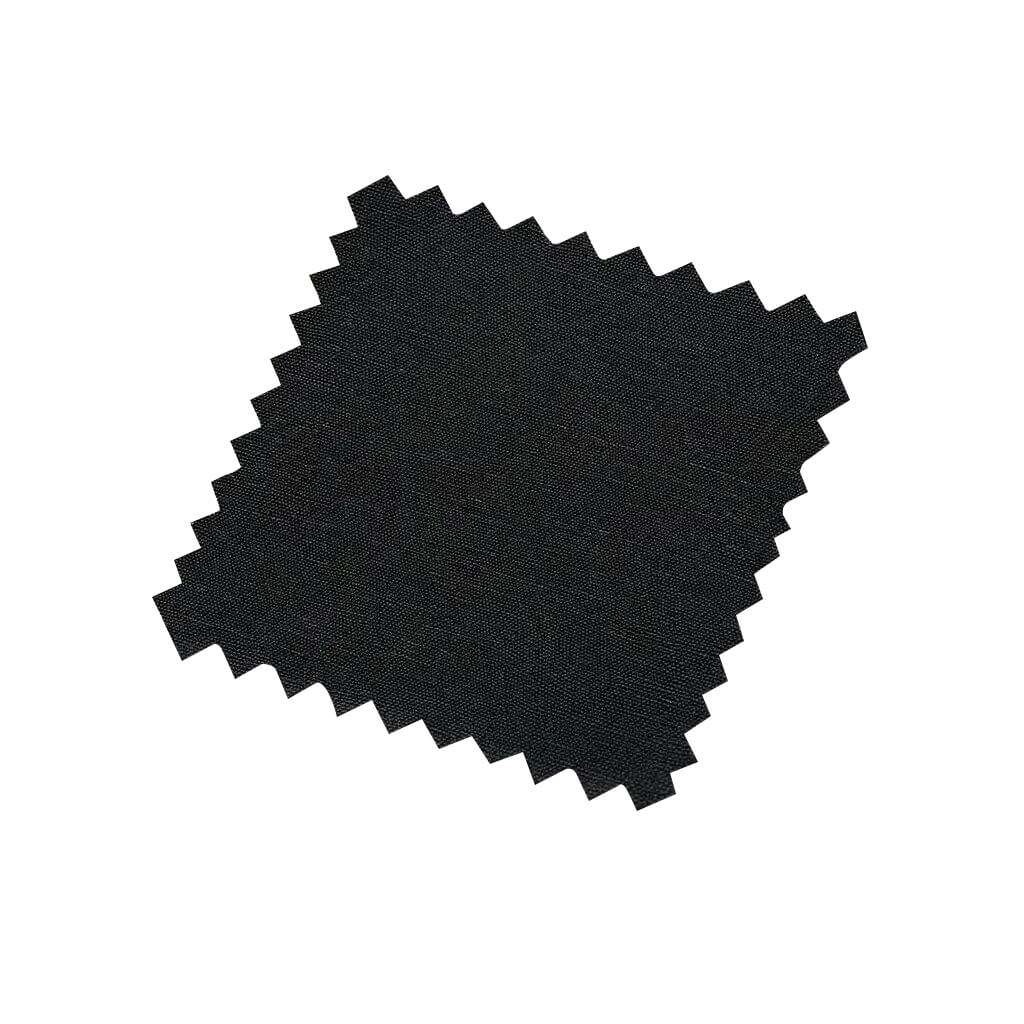
- Description:Black is a sleek, non-camouflage color often used for tactical operations, urban settings, or stealth missions.
- Historical Use:Black is often used in covert operations and special forces due to its ability to blend into darkness.
- Tactical Use:Commonly used for night operations, black backpacks are favored for urban warfare or tactical police operations, where blending into shadows or dimly lit environments is key.
8. Tan/Khaki
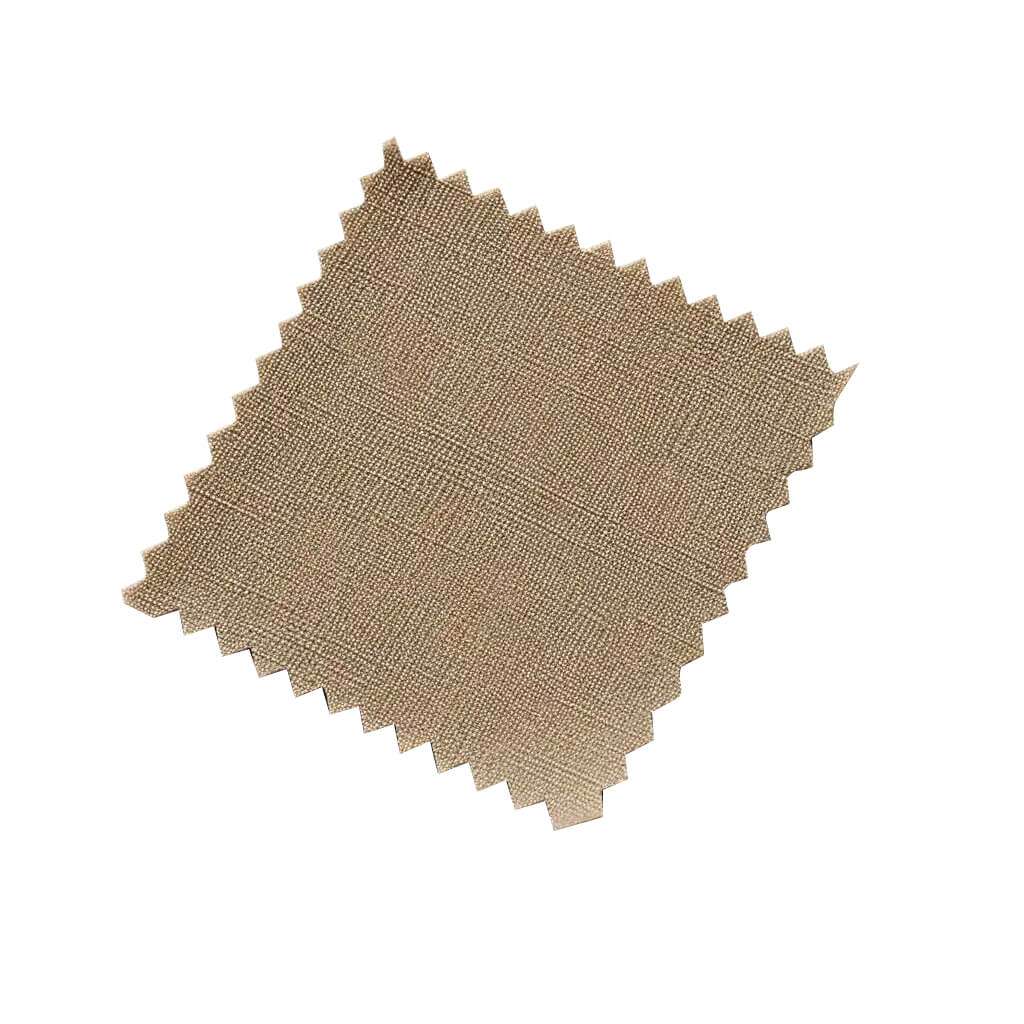
- Description:A light brown or beige color used in both tactical gear and civilian clothing.
- Historical Use:Adopted for desert and arid environments, tan was used by the U.S. Marine Corps and U.S. Army in the early 2000s.
- Tactical Use:Tan and khaki are ideal for desert, sand, and arid terrains, offering good visibility for tactical teams while providing effective camouflage in dry climates.
9. Multicam
- Description:A multi-terrain camouflage pattern that adapts to different environments by utilizing a variety of greens, browns, and tans.
- Historical Use:Developed in the early 2000s by Crye Precision, Multicam was widely adopted by the U.S. Army for various military applications.
- Tactical Use:Multicam's adaptability makes it perfect for operations in diverse environments such as forests, deserts, and urban settings. The pattern is designed to effectively blend with different terrains.
10. ACU (Army Combat Uniform) Digital Camouflage
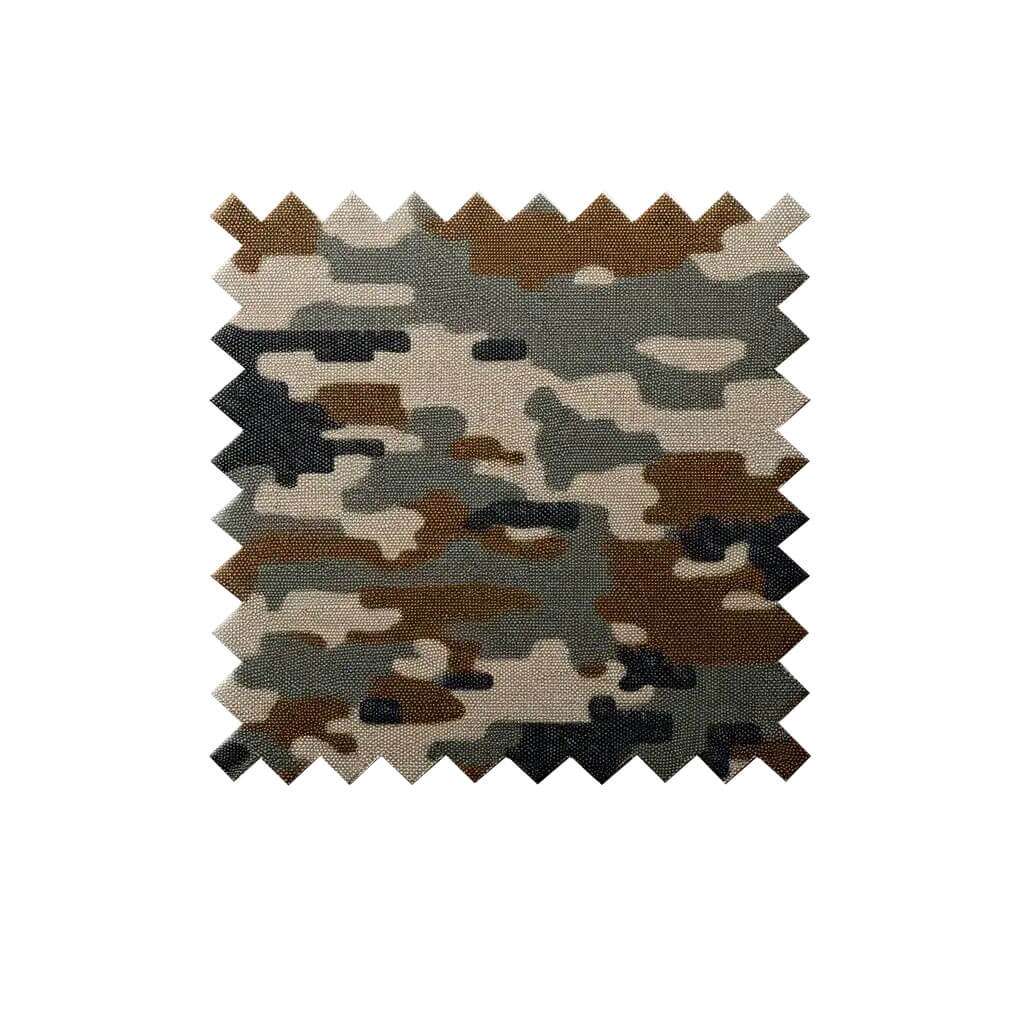
- Description:This camo pattern combines shades of gray, green, and brown, making it ideal for neutral, mixed terrain environments.
- Historical Use:The U.S. Army introduced the ACU digital camo during the mid-2000s toreplace the standard woodland camouflage.
- Tactical Use:The ACU pattern works well in urban and mixed environments, offering versatility for different operational needs, although it has been criticized for being less effective than traditional patterns in some environments.
11. Ranger Green
- Description:A rich, deep green often used in military gear and tactical equipment.
- Historical Use:Ranger Green is frequently used for backpacks, pouches, and tactical vests, particularly by U.S. Army Rangers.
- Tactical Use:Ideal for forest and urban operations, Ranger Green provides a good balance between camouflage and professional, non-flashy appearance.
12. Urban Grey
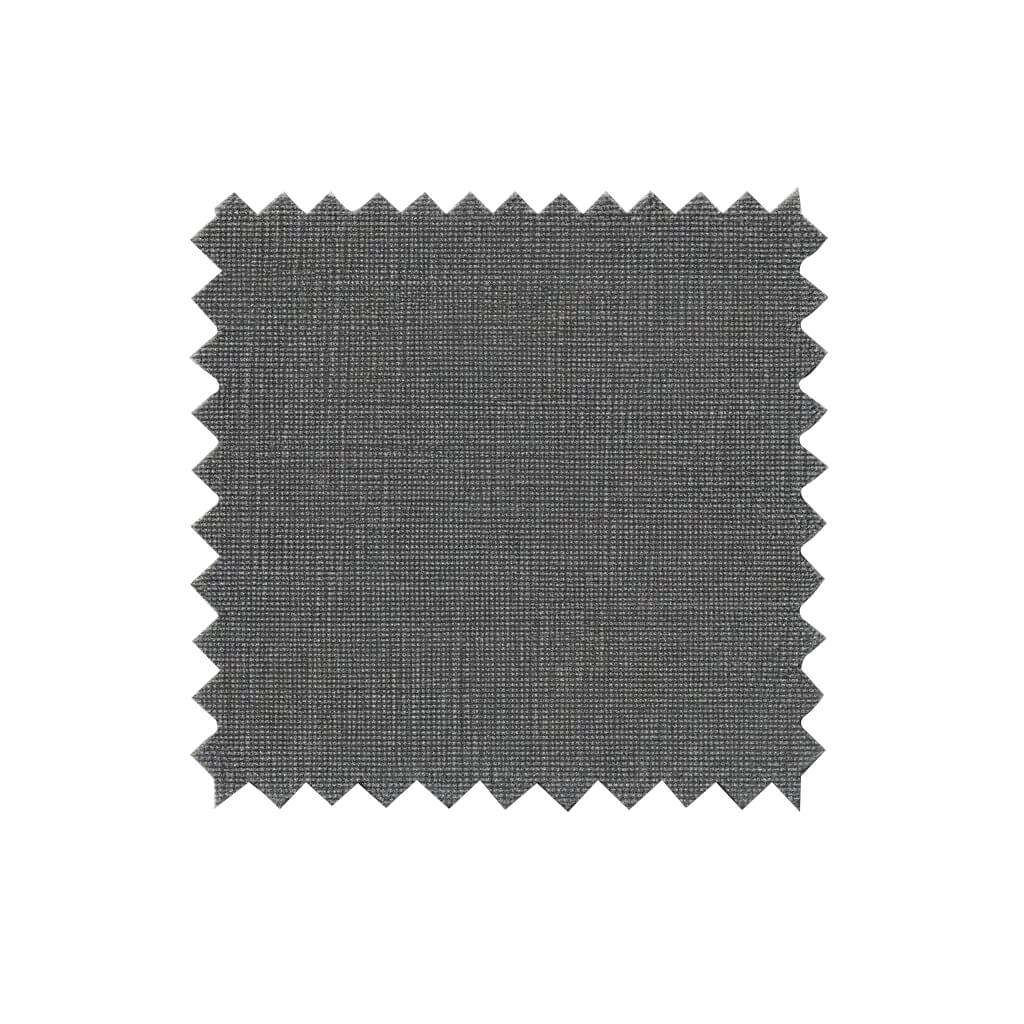
- Description:A versatile gray color designed for blending into urban environments.
- Historical Use:This color is used primarily by special forces, SWAT teams, and law enforcement personnel during urban operations.
- Tactical Use:Ideal for city operations, urban grey offers a low-profile, stealthy look in urban settings. It is also a neutral color that avoids attracting attention in non-combat settings.
13. Marpat (Marine Pattern)
- Description:A digital camouflage pattern specifically developed for the U.S. Marine Corps, available in both woodland and desert variants.
- Historical Use:First introduced in the early 2000s, Marpat was designed to be more effective in forests and deserts.
- Tactical Use:Marpat's digital pattern provides advanced camouflage in forested areas, while the desert variant is optimized for sandy, dry environments.
14. High-Visibility Colors (Neon Yellow, Orange, Green)
- Description:Bright neon colors used primarily in search-and-rescue and emergency response operations.
- Historical Use:High-visibility colors are often used in emergency response gear and rescue operations.
- Tactical Use:These colors ensure personnel remain visible, even in low-light conditions, making them essential for search-and-rescue missions, disaster relief operations, and high-risk environments.
15. Arctic Camouflage
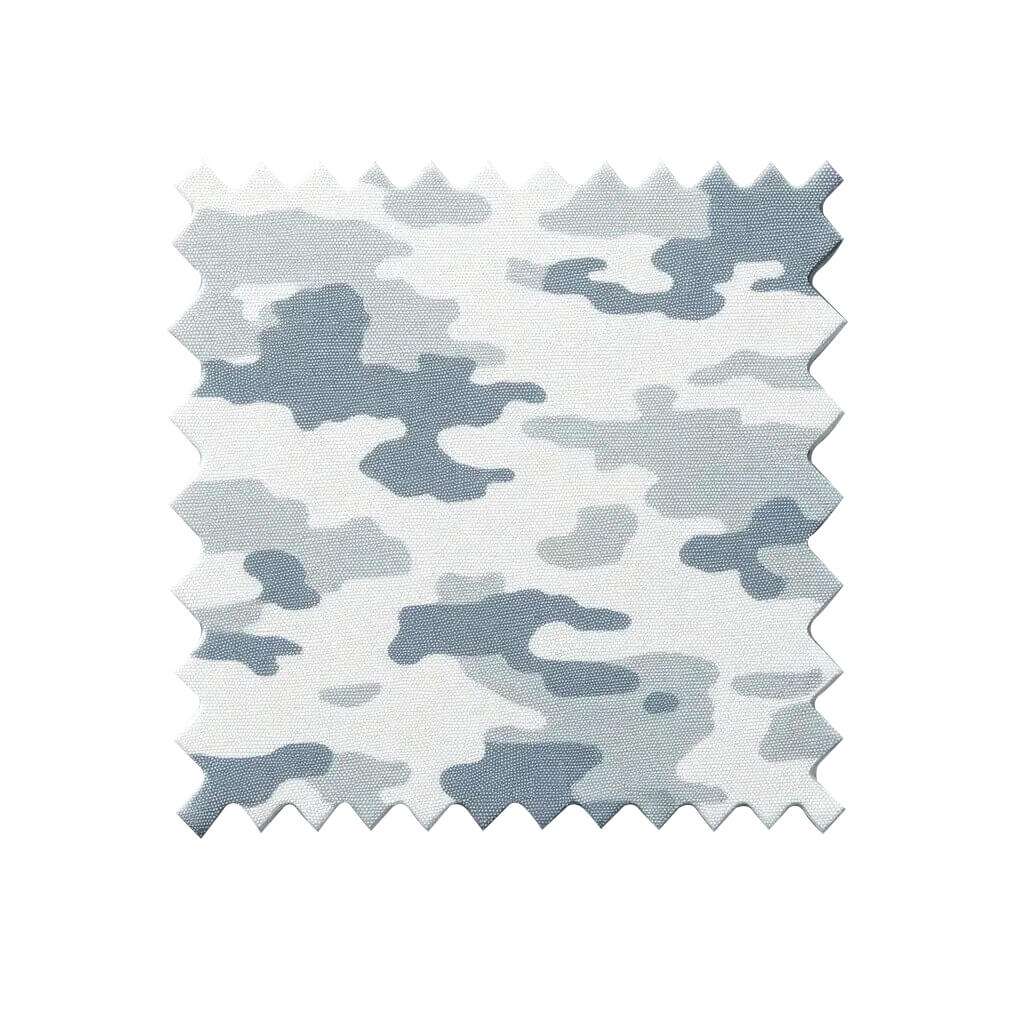
- Description:Arctic Camouflage is designed to provide effective concealment in snowy, icy, and cold environments. It typically features a mix of white, light gray, and pale blue tones to mimic snow-covered terrain.
- Historical Use:Developed for cold-weather operations, Arctic Camouflage has been utilized by various military forces in northern latitudes, especially in the Arctic Circle and regions with similar snow-covered terrain. It has been notably used by Russian and Scandinavian forces.
- Tactical Use:This pattern is ideal for winter and snow-covered environments, ensuring soldiers blend seamlessly into the snowy landscape. It's primarily used in cold-weather combat, search-and-rescue missions in icy regions, and in specialized military units operating in polar climates.
16. ATACS (Advanced Tactical Concealment System)
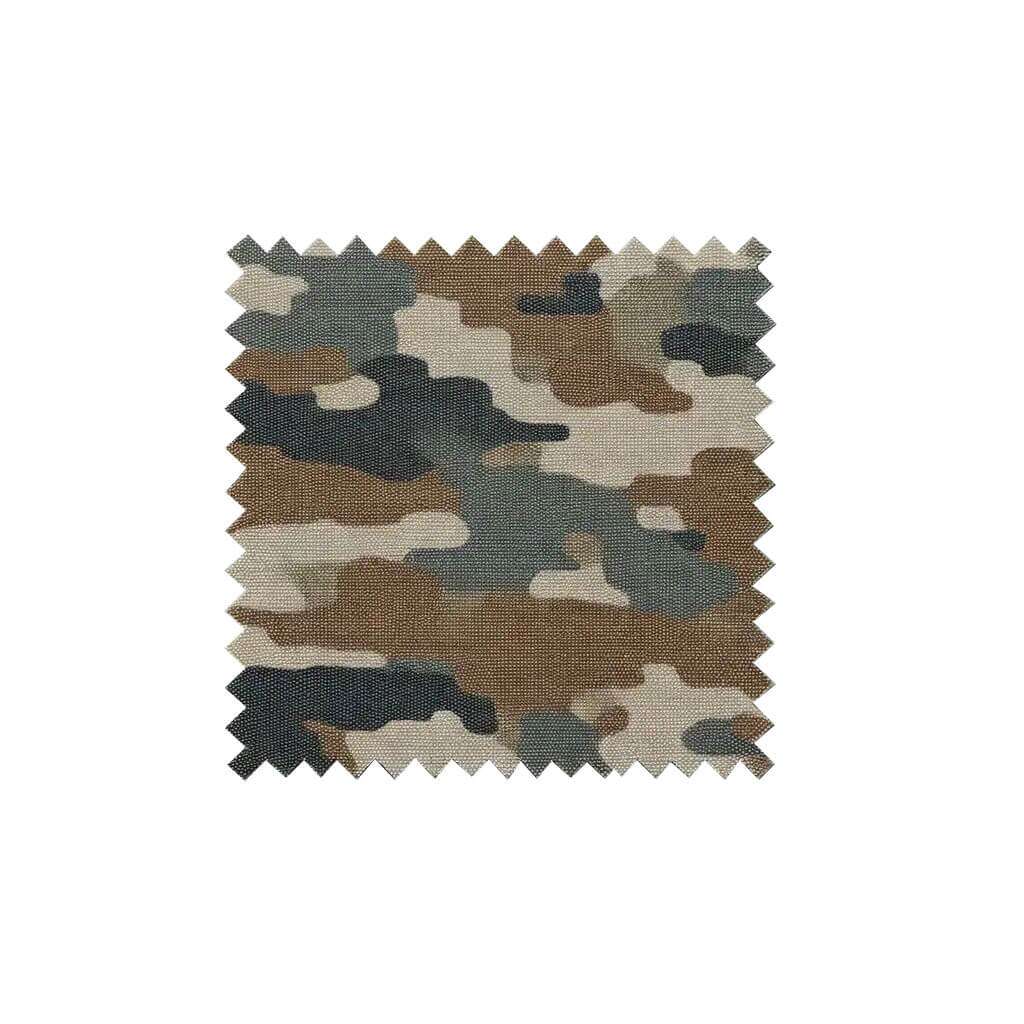
- Description:ATACS is a digital camouflage pattern known for its blend of natural earth tones, featuring a mix of dark greens, browns, and grays. The digital pattern is designed to break up the outline of the wearer in diverse terrains.
- Historical Use:Introduced in the early 2010s by HyperStealth Biotechnology, ATACS has been used by U.S. special forces, law enforcement agencies, and tactical units worldwide. The pattern evolved to offer better multi-terrain effectiveness than previous camouflage systems.
- Tactical Use:ATACS is highly effective in woodland, urban, and arid environments. The digital pattern is designed for versatility, offering concealment in forests, grasslands, and cities. It's widely adopted by tactical military units and special forces.
17. Badlands
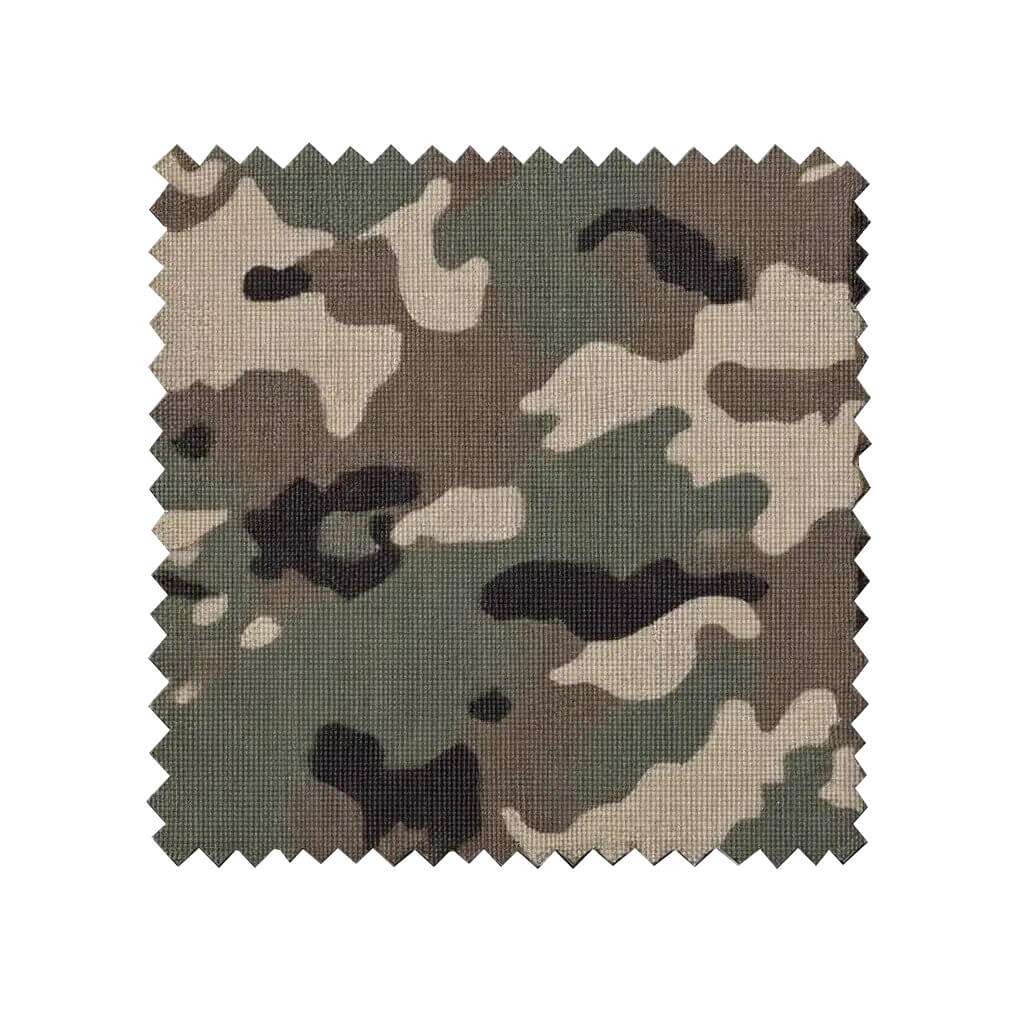
- Description:Badlands camouflage features a combination of earthy browns, tans, and muted greens, mimicking the rugged, barren terrain often found in dry, rocky, and scrubby environments.
- Historical Use:Used by military forces and hunters, especially in North America, Badlands was developed as a versatile pattern for blending into rocky, arid, and semi-desert terrains.
- Tactical Use:This pattern is best suited for desert, mountainous, and arid terrain. It helps soldiers remain concealed in rugged environments and is also popular among hunters for fieldcraft in challenging landscapes.
18.Flecktarn
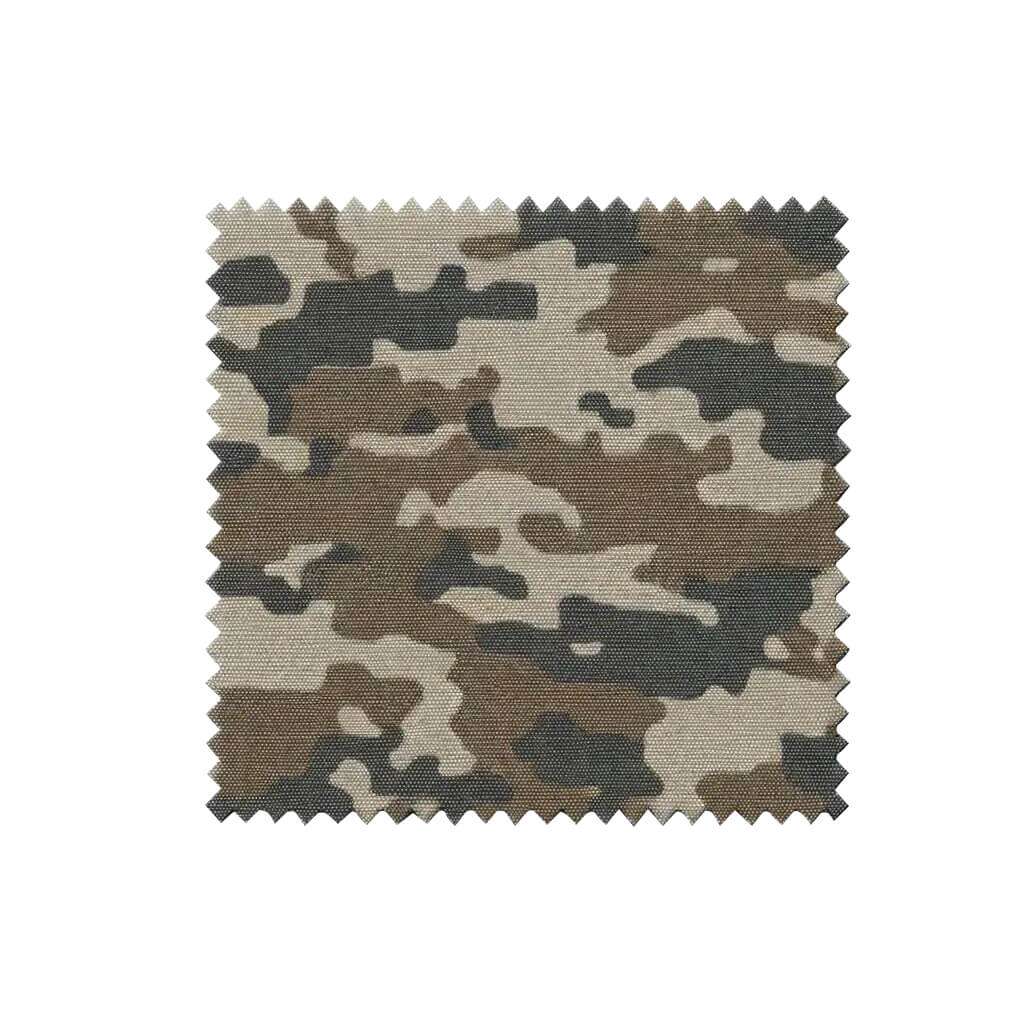
- Description:Flecktarn is a German camouflage pattern made up of small, irregular patches of green, brown, and black, designed to mimic the appearance of a forest floor during different seasons.
- Historical Use:Introduced in the late 1970s by the German Bundeswehr, Flecktarn became one of the most iconic camouflage patterns used in Europe. It is widely recognized in military and tactical circles.
- Tactical Use:Flecktarn excels in temperate forests, woodlands, and areas with dense foliage. Its patchy design helps break up the silhouette of the wearer, offering concealment in mid-to-heavy vegetation environments.
19. Green Zone
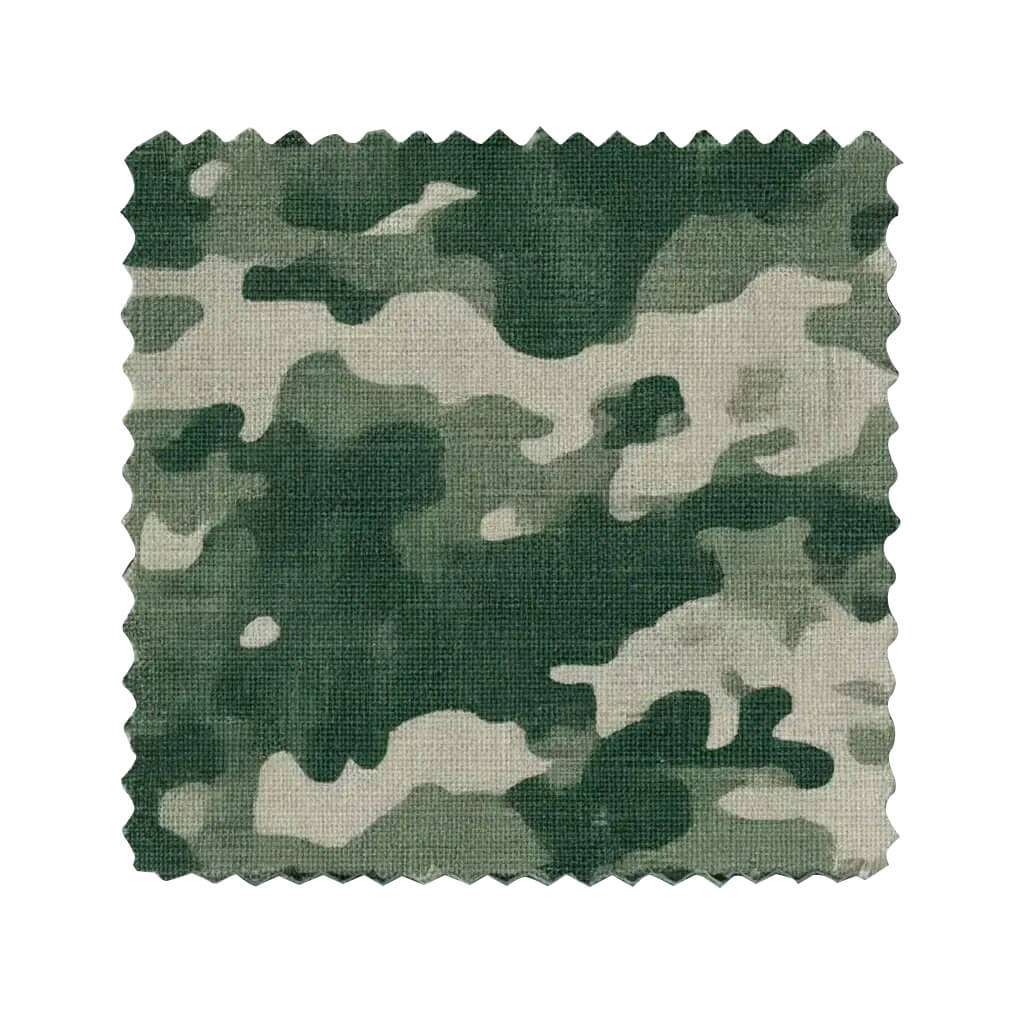
- Description:Green Zone camouflage is designed to blend into tropical and temperate forest environments, using various shades of green, brown, and muted yellow to mimic the diverse colors of dense foliage.
- Historical Use:Developed for jungle warfare and tropical environments, Green Zone has been used by various military and paramilitary forces operating in Southeast Asia and similar regions.
- Tactical Use:Ideal for jungle, rainforest, and dense vegetation, this camouflage allows soldiers to blend into green, tropical ecosystems. It is highly effective in operations where concealment in thick, leafy environments is paramount.
20. Highlander
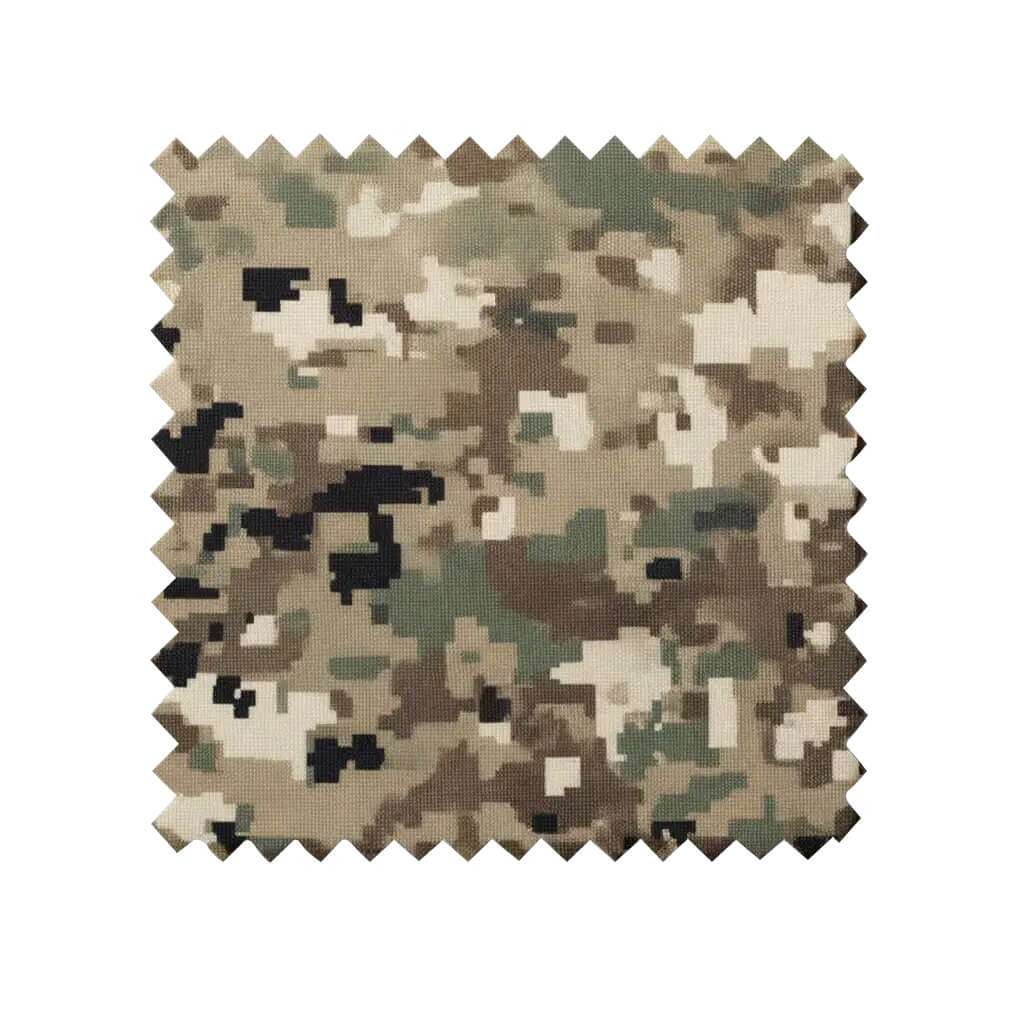
- Description:Highlander camouflage is a digital pattern that blends light and dark greens, browns, and blacks to mimic the appearance of rugged, hilly terrain, including both rocky and forested landscapes.
- Historical Use:This camouflage pattern was developed for the British Army and is commonly used by military forces operating in hilly and mountainous terrains, particularly in regions of Europe and the Middle East.
- Tactical Use:Highlander is most effective in highland, mountainous, and hilly regions. The digital design helps break up the soldier's outline, especially in varied environments where natural camouflage may be limited.
21. Hyper Stealth
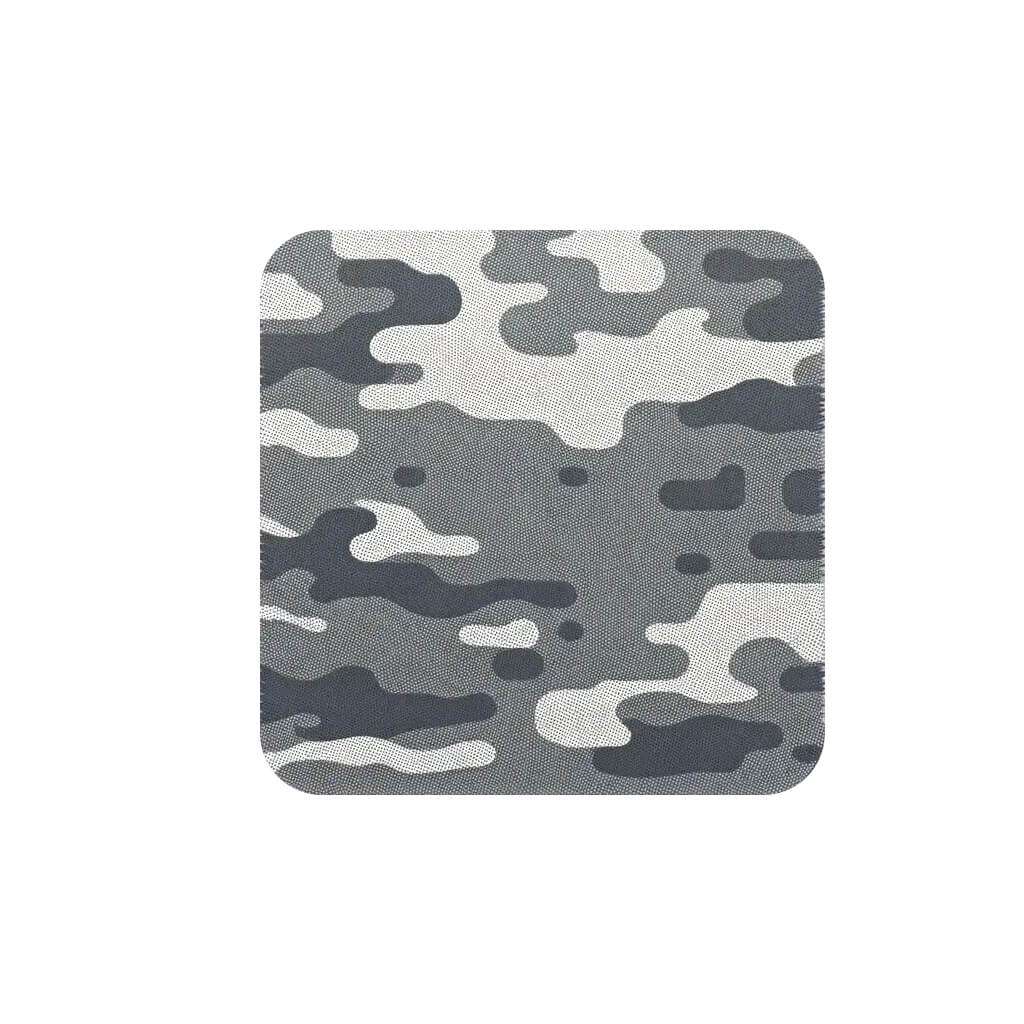
- Description:Hyper Stealth is a multi-environment camouflage pattern designed with advanced technology to improve the ability to blend in across different types of terrain, featuring both organic shapes and digital elements.
- Historical Use:Developed by HyperStealth Biotechnology, this pattern is used by various military forces, special operations units, and law enforcement agencies. Its versatility allows for use across diverse environments.
- Tactical Use:Hyper Stealth provides optimal concealment in woodlands, urban environments, and desert areas. The pattern is known for being adaptable, allowing forces to maintain a low profile in nearly every type of terrain.
22. Kryptek
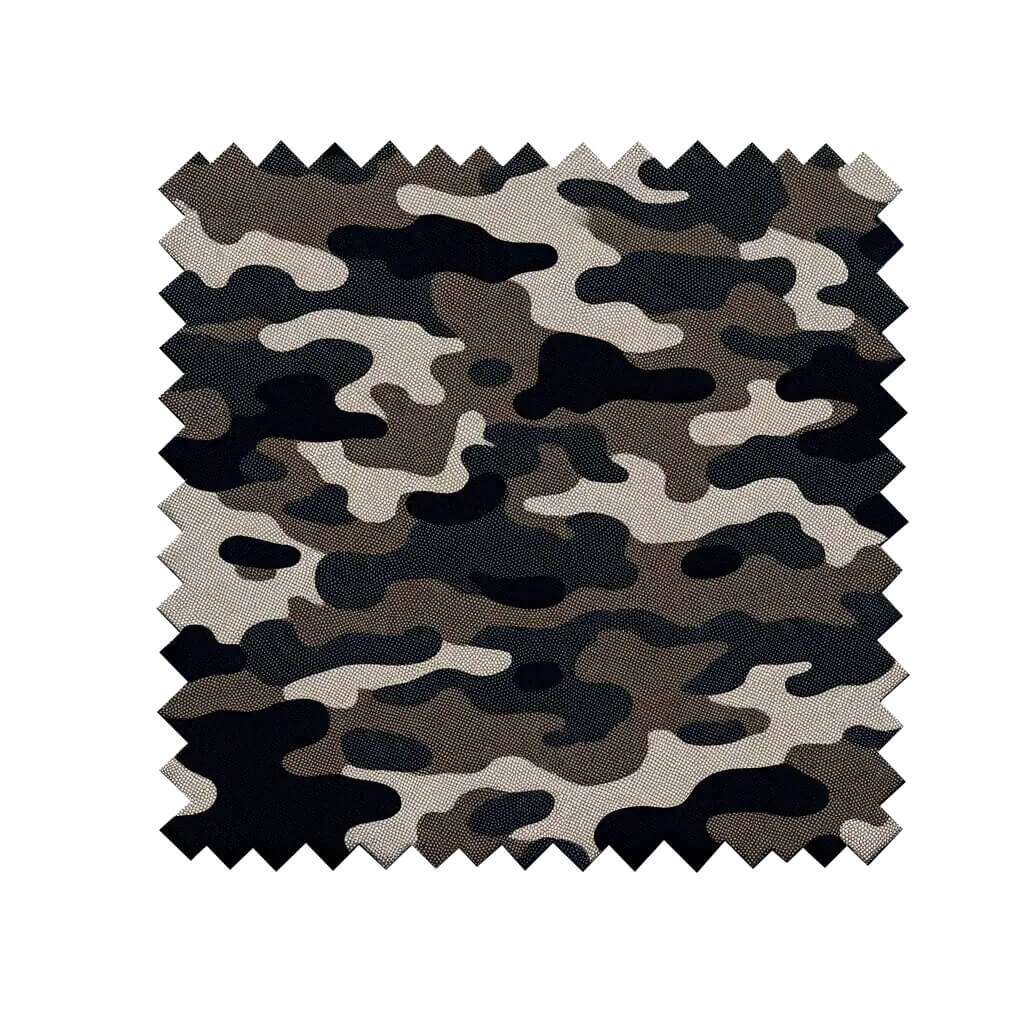
- Description:Kryptek is a camouflage system that uses multi-layered digital patterns with a unique hybrid of organic and geometric designs. It comes in different variants, including Highlander, Mandrake, and Typhon.
- Historical Use:Originally created for hunters, Kryptek has gained popularity in military applications, particularly in special operations units and law enforcement agencies. The pattern is designed to be effective in multiple environments, from forests to deserts.
- Tactical Use:Kryptek is highly adaptable, with specific patterns designed for mountain, desert, urban, and woodland environments. The unique disruptive visual texture provides excellent concealment in varied terrains, especially in mid-range distances.
23. Mandrake
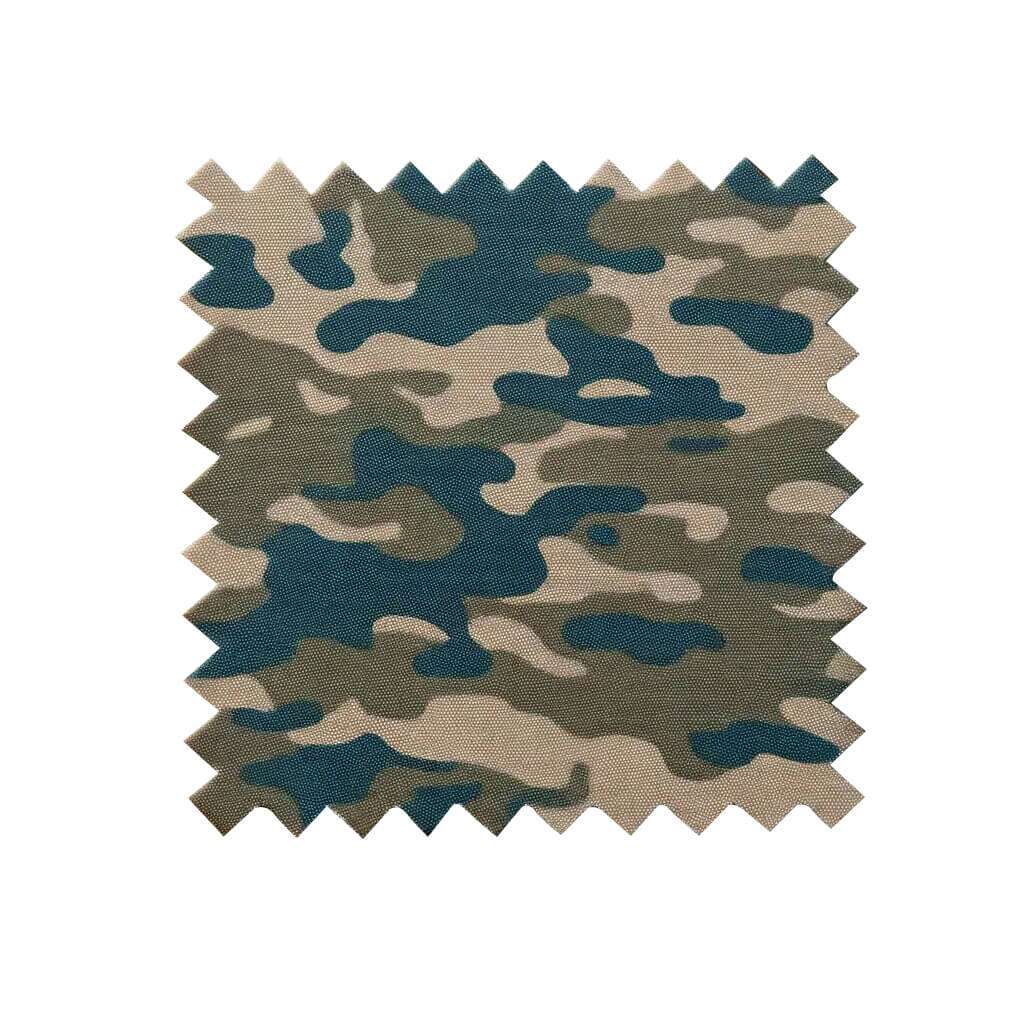
- Description:Mandrake is a specific variant of the Kryptek camouflage system, characterized by a mix of light brown, green, and gray tones. Its organic shapes are designed to resemble the leaves, rocks, and shadows of a forest environment.
- Historical Use:Mandrake has been used by military and tactical units in North America and Europe. It is also popular among hunters who require highly effective camouflage in forested or mixed-terrain regions.
- Tactical Use:Mandrake is ideal for forests, woodlands, and tropical areas where dense vegetation provides both cover and concealment. Its pattern is effective at breaking up the wearer’s shape in low-light or shadowed conditions.
24. Mossy Oak
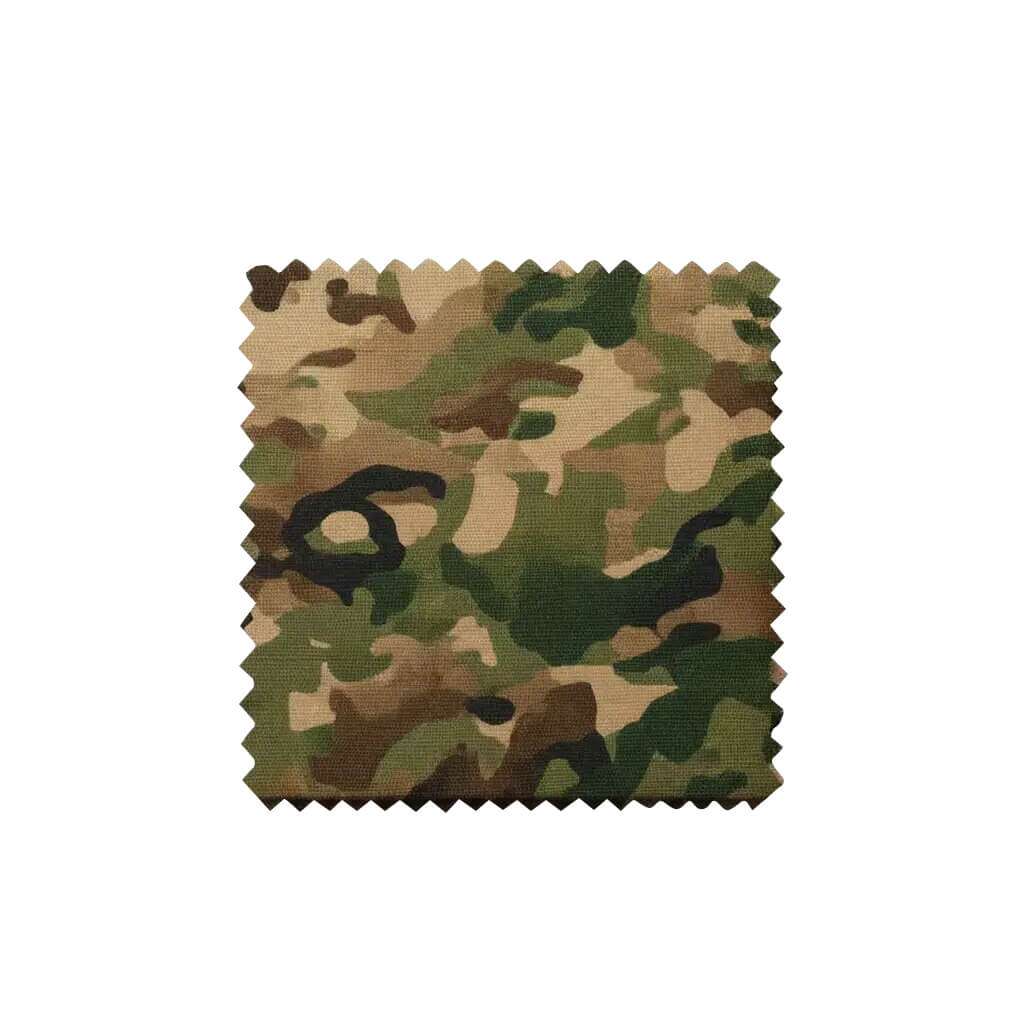
- Description:Mossy Oak is a famous camouflage brand used widely by hunters, featuring a blend of earthy browns, greens, and blacks designed to mimic the appearance of a forest floor with leaves, twigs, and branches.
- Historical Use:Originally designed for hunting in North America, Mossy Oak patterns are now used in military and tactical operations, particularly in North America where dense forest environments are common.
- Tactical Use:Mossy Oak is optimal for use in forested, wooded, and vegetated environments. Its leaf and bark-like designs allow for effective concealment in wooded regions, making it a popular choice for both military and civilian tactical applications.
25. Navy Blue
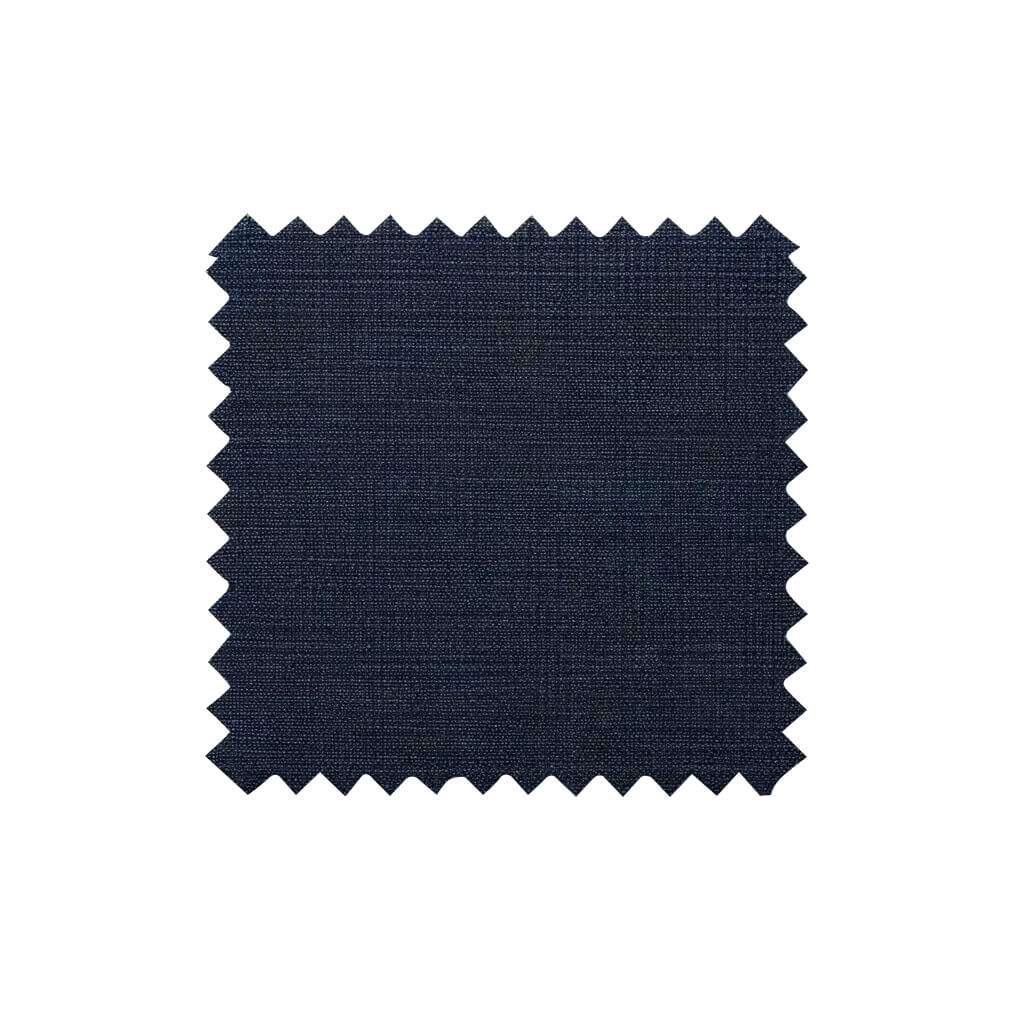
- Description:Navy Blue is a solid color used primarily in maritime or naval operations. It is a deep, dark shade of blue designed to blend into the water and sky during naval deployments.
- Historical Use:Used extensively by the Navy and coastal forces, Navy Blue is often incorporated into naval uniforms and gear, offering a low-profile appearance at sea.
- Tactical Use:Navy Blue is especially suited for maritime operations and coastal defense. Its use is effective in naval and amphibious missions, as it provides concealment in open water and seagoing conditions.
26. Nomad
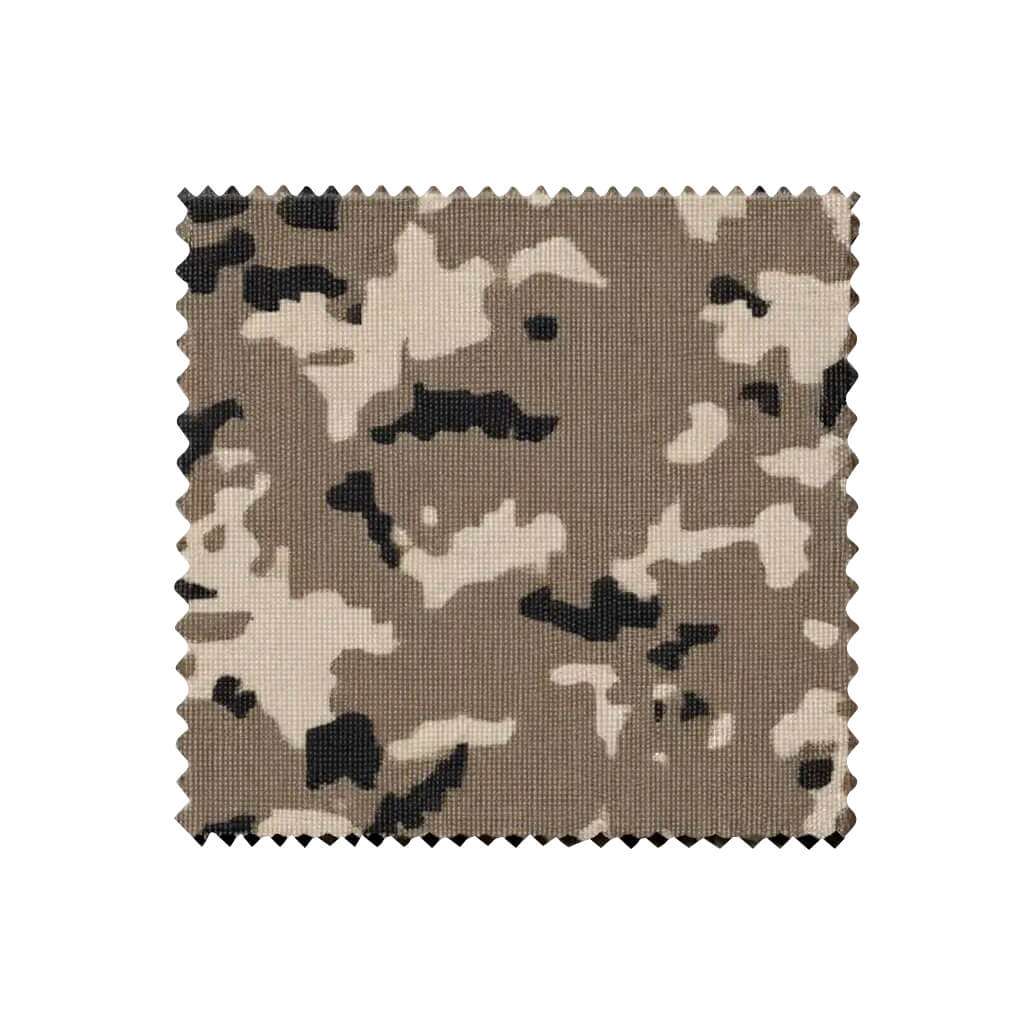
- Description:Nomad camouflage is a pattern designed for use in desert and dry, arid regions, combining shades of tan, brown, and muted greens. Its irregular shapes make it highly adaptable to barren and rocky terrains.
- Historical Use:This camouflage system was developed for forces operating in the Middle East and other arid regions where desert camouflage is necessary.
- Tactical Use:Nomad is used for desert operations, providing excellent concealment in arid, rocky, and sandy environments. It is particularly favored by military units operating in Middle Eastern or desert terrains.
27. PenCott
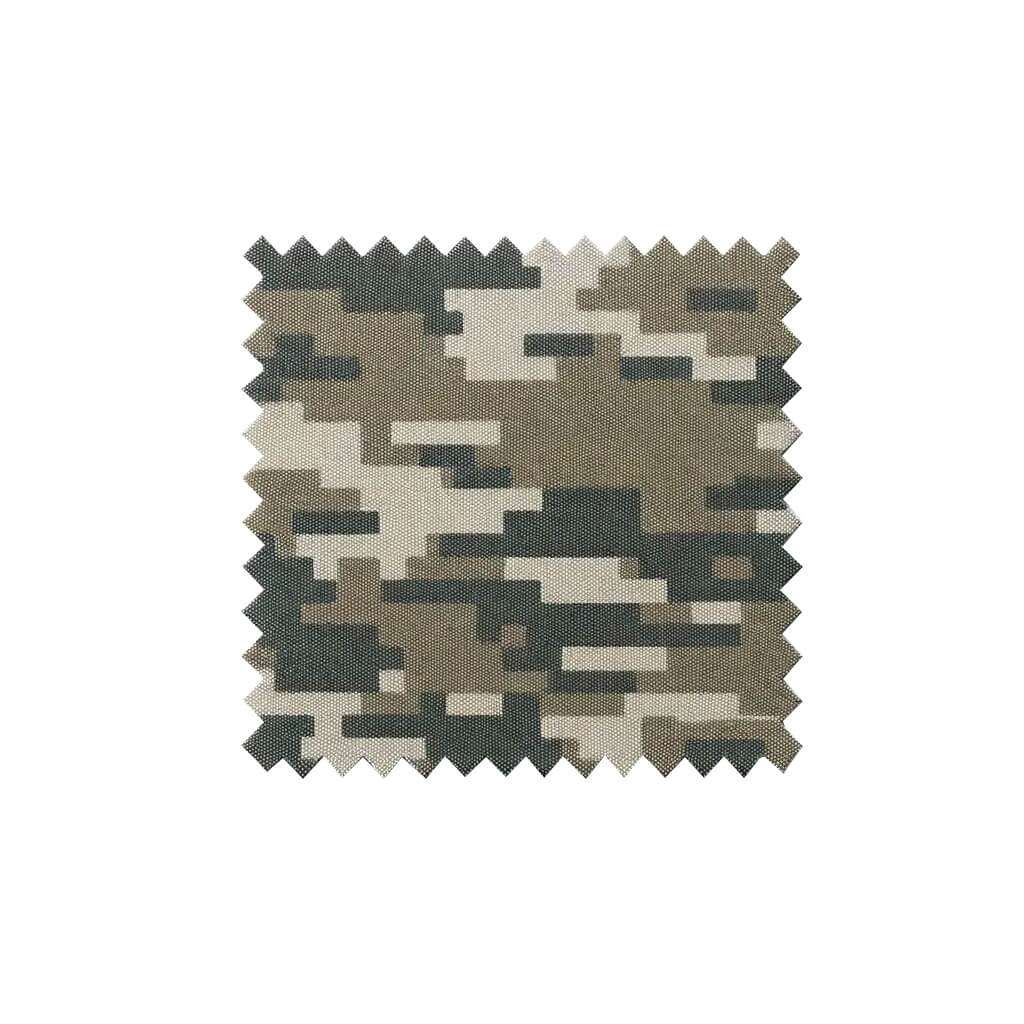
- Description:PenCott is a family of camouflage patterns featuring digitized organic shapes and colors that are specifically designed to mimic natural environments like forests, jungles, and deserts. There are several variants, such as GreenZone, Badlands, and SandStorm.
- Historical Use:Developed by HyperStealth Biotechnology, PenCott patterns are used by military and special forces around the world, offering improved concealment in both tropical and desert regions.
- Tactical Use:PenCott patterns are highly versatile and effective in a variety of environments, including woodlands, deserts, and urban areas. They are especially
28. Realtree
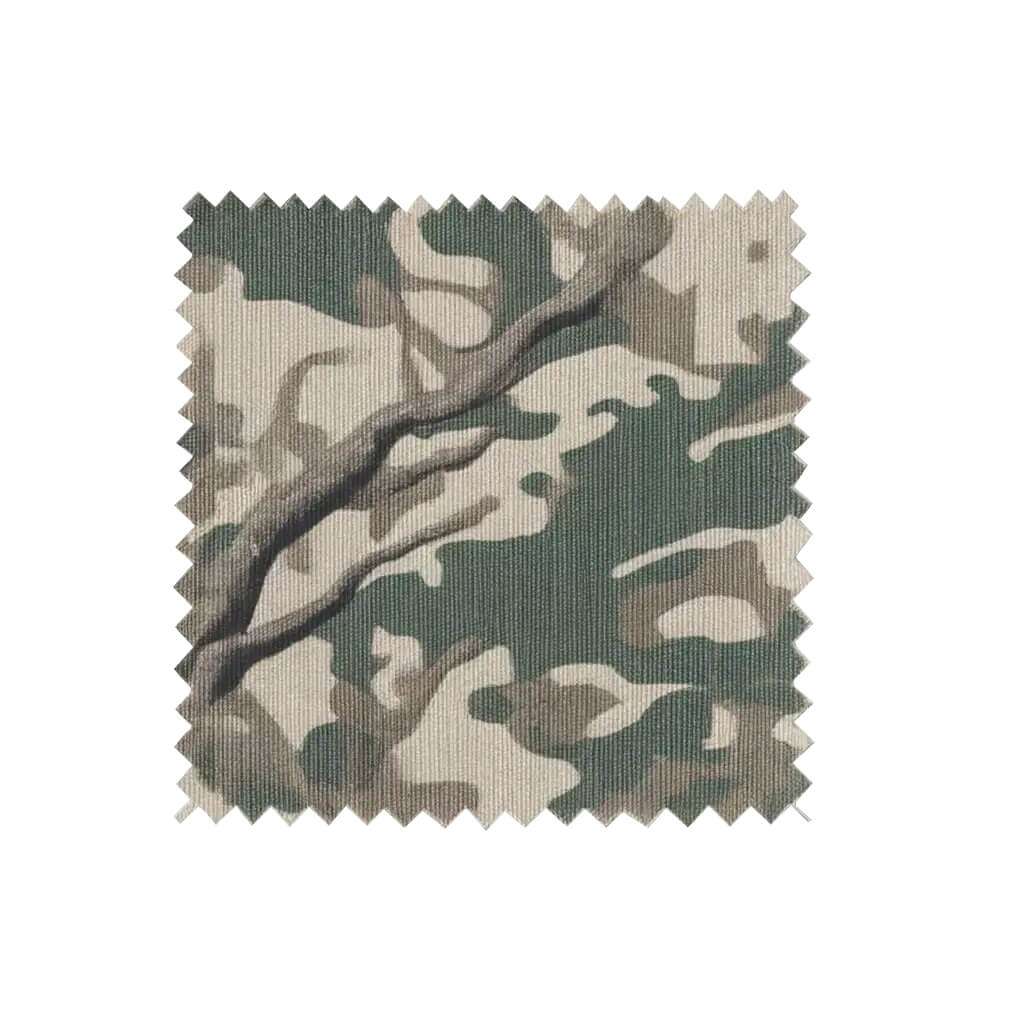
- Description:Realtree is a camouflage pattern that replicates the appearance of natural environments, primarily focusing on woodlands and forests. It uses a combination of leafy patterns, branches, and shadows in earth tones like browns, greens, and blacks to create an environment-specific design.
- Historical Use:Developed in the 1980s by Bill Jordan for hunting applications, Realtree has become one of the most recognized camouflage patterns in the world. While it was originally designed for hunters, it has gained traction in military and tactical use, particularly among forces operating in North American woodlands.
- Tactical Use:Realtree is most effective in forested or wooded environments where the goal is to blend with natural foliage. It is highly favored by military units, law enforcement, and hunters working in dense, leafy regions, especially during the fall and spring seasons when trees are in full bloom or leaf.
29. Snow Camouflage
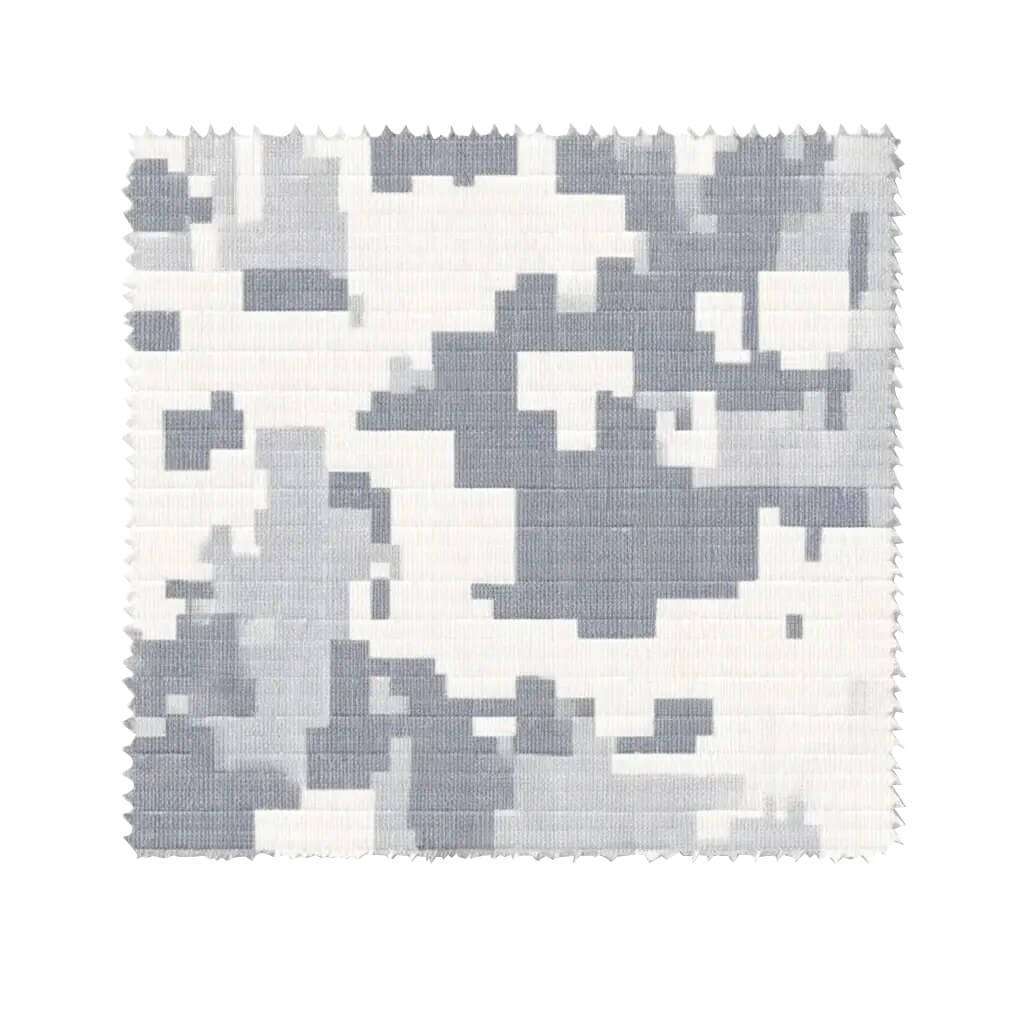
- Description:Snow Camouflage is specifically designed for snowy and icy environments. It typically consists of a base of white, with shades of gray, light blue, or pale brown to mimic the reflection of snow and ice on the surface of snow-covered terrain.
- Historical Use:Snow Camouflage is used by military forces in polar regions or places with extreme winter climates, including Russia and Nordic countries. It is used for both winter warfare and arctic missions.
- Tactical Use:This camouflage pattern excels in environments dominated by snow, glaciers, and icy landscapes, where conventional camouflage would fail to blend in. It is ideal for cold-weather operations, especially for forces deployed in high-altitude areas, or during winter combat operations.
30. Tiger Stripe
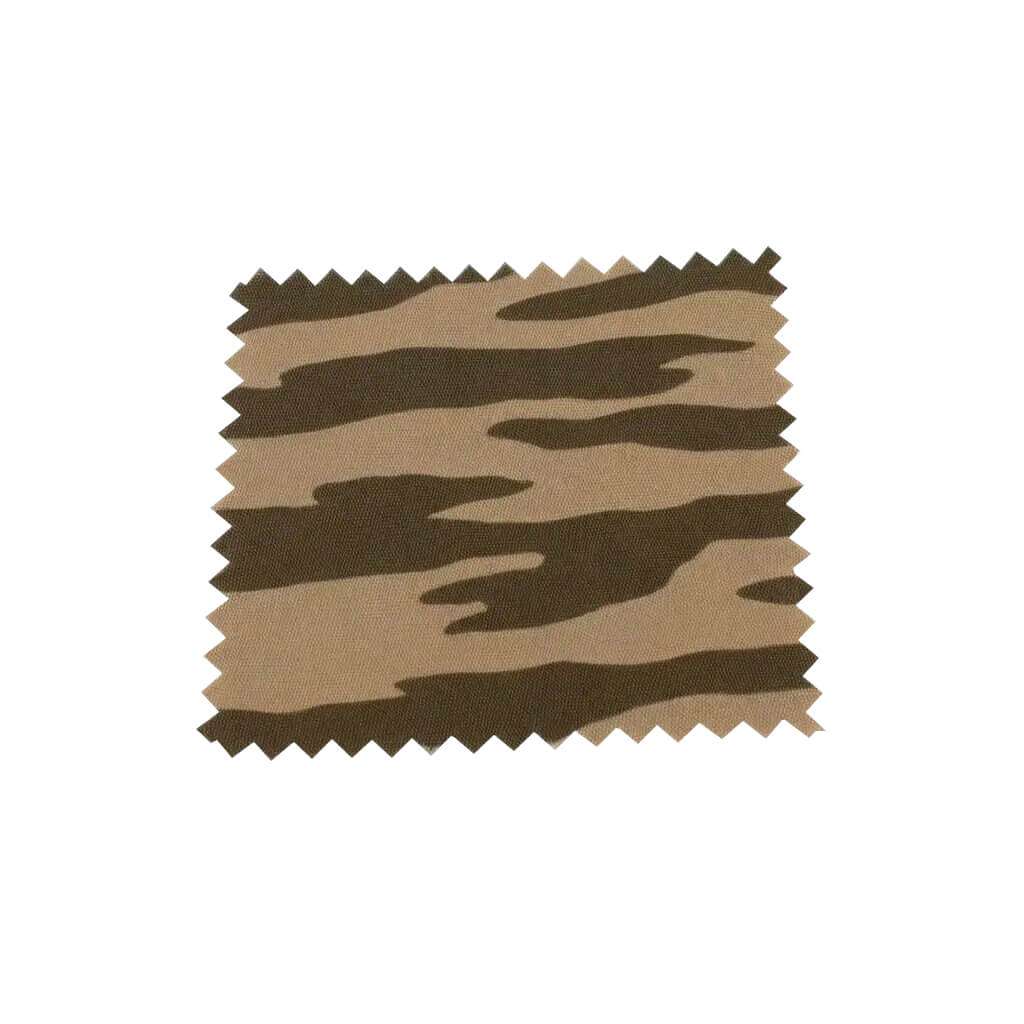
- Description:Tiger Stripe is a camouflage pattern that uses angular, irregular stripes in a mixture of black, green, brown, and tan. The stripes resemble the stripes of a tiger, with their unique, jagged edges designed to break up the wearer’s silhouette in tropical and jungle environments.
- Historical Use:Originally developed by the South Vietnamese Army during the Vietnam War, Tiger Stripe was designed for combat in the dense, tropical jungles of Southeast Asia. Over the years, it has been adopted by various forces, including the U.S. Army, Special Forces, and militias around the world.
- Tactical Use:Tiger Stripe is best used in tropical, jungle, and rainforest environments. Its bold, angular lines are designed to break up the human shape, making it easier to blend into dense vegetation. It remains a popular choice for units operating in humid, tropical jungles or high-density foliage areas.
31. Typhon
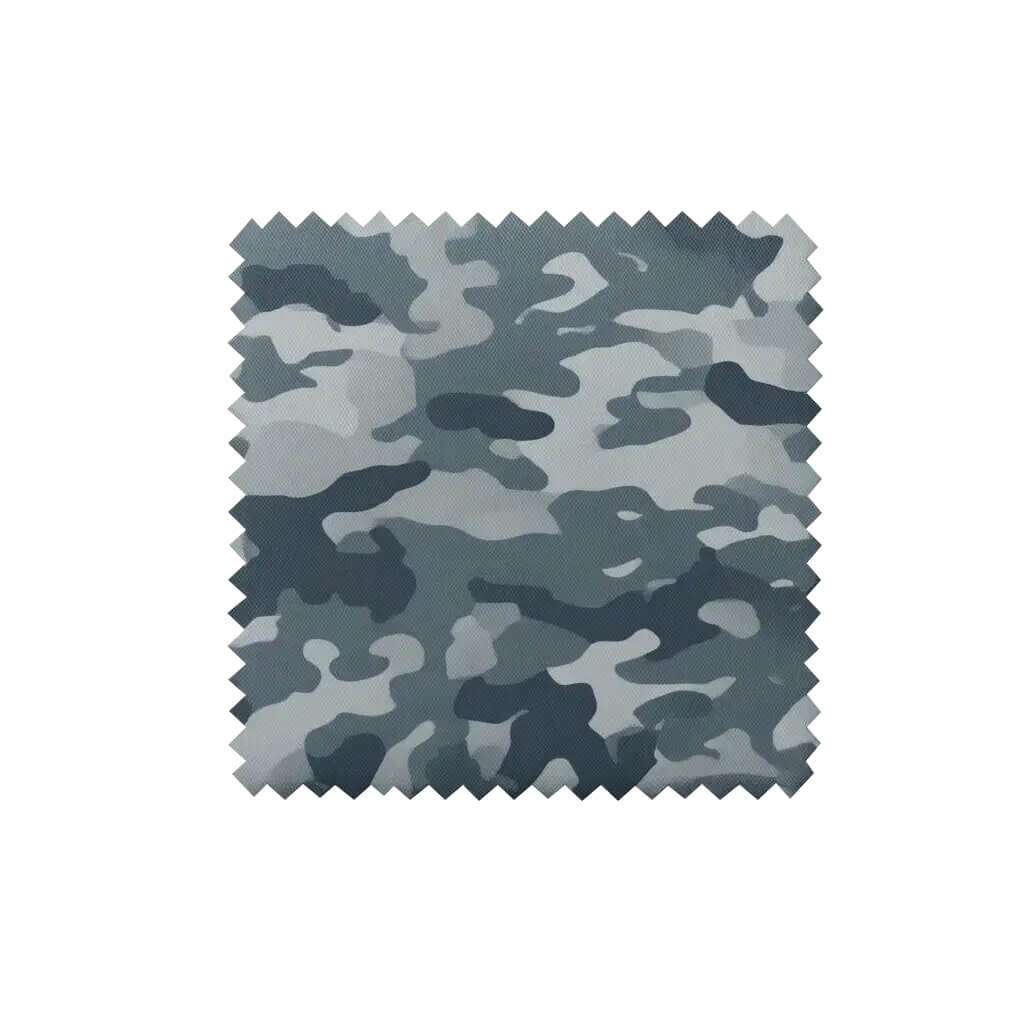
- Description:Typhon is a camouflage pattern that utilizes a black-and-gray design, focusing on disruptive, organic shapes that appear like distorted urban shadows. The contrast of dark shades makes Typhon highly effective in dimly lit or low-light environments.
- Historical Use:Typhon was developed by Kryptek, a company known for its advanced camouflage systems. This pattern is relatively new and was created to provide effective concealment in low-light and urban combat environments. It has been adopted by tactical units that require stealth and night operations.
- Tactical Use:Typhon is designed for urban combat and night operations, where blending into shadows or low-light settings is crucial. It is ideal for special forces and counter-terrorism units operating in urban environments or during nighttime operations, providing effective concealment in poor visibility situations.
32. Urban Camouflage
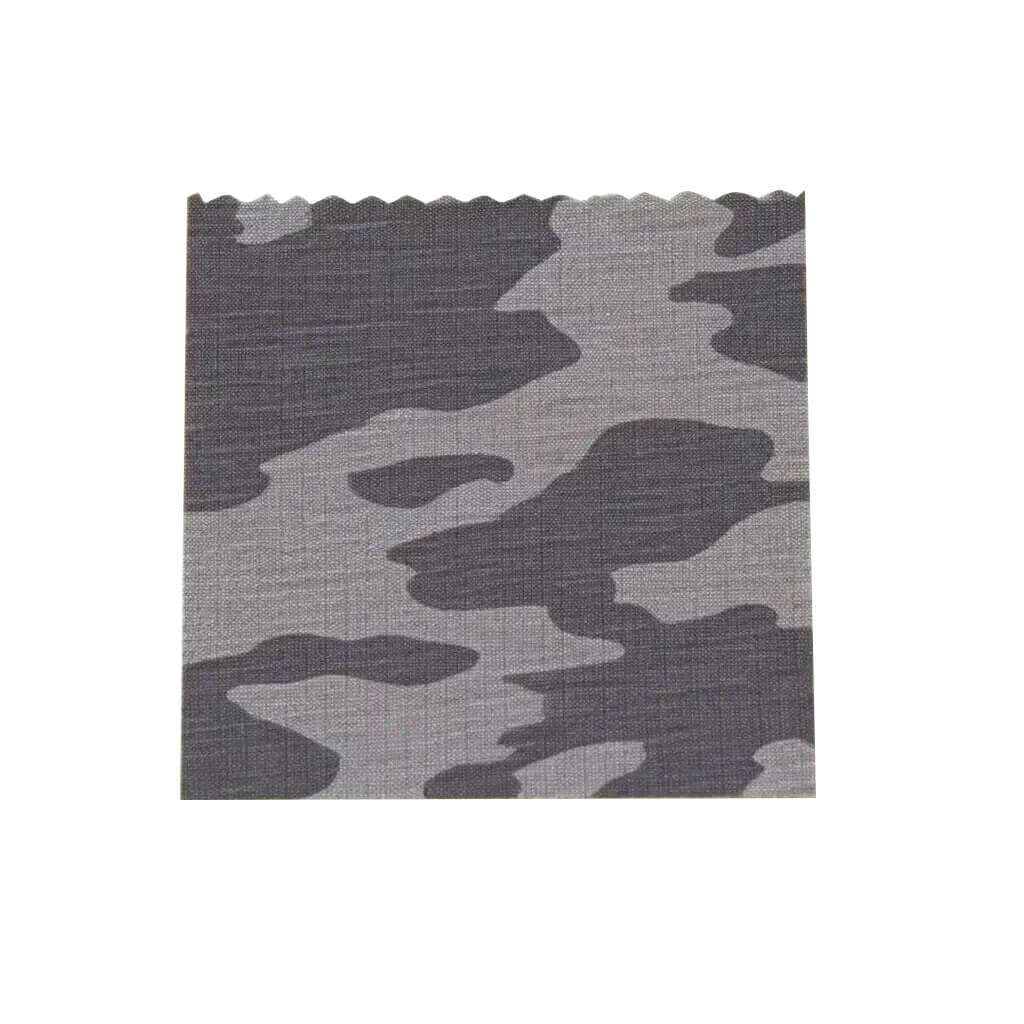
- Description:Urban Camouflage is a pattern designed to blend in with city environments. It typically includes a mix of grays, black, and charcoal tones, with the aim of mimicking urban landscapes, such as concrete, asphalt, and steel structures.
- Historical Use:Developed for urban warfare and counter-terrorism, Urban Camouflage has been utilized by military forces, special operations units, and law enforcement working in city-based environments. This pattern is particularly useful in operations in modern, concrete-heavy areas.
- Tactical Use:Urban Camouflage excels in city environments, industrial zones, and urban operations. It allows operatives to blend into the urban jungle of concrete, steel, and urban decay, making it ideal for covert operations, SWAT missions, and tactical policing in highly populated areas.
33. Yeti
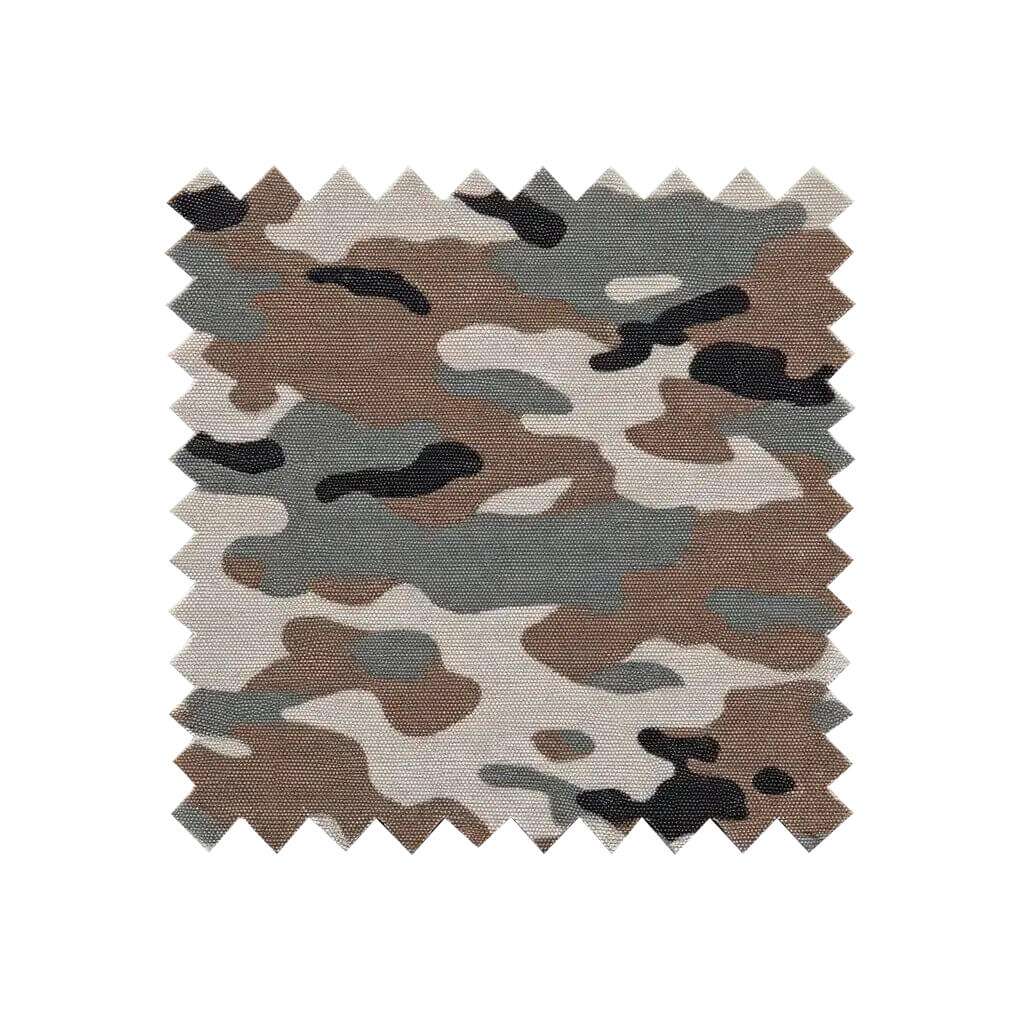
- Description:Yeti camouflage is designed for extreme cold-weather environments, often mimicking the appearance of snowy landscapes mixed with ice and snowdrifts. It incorporates a mix of white, gray, and blue tones that match the harsh conditions of mountainous and polar regions.
- Historical Use:The Yeti camouflage pattern is relatively new and was created to meet the need for specialized camouflage in polar regions or snow-covered areas. It is used by special forces in Arctic regions and by those operating in the North Pole or high-altitude snow terrains.
- Tactical Use:Yeti is specifically tailored for cold-weather, snow, and ice environments. It provides invisibility in extreme winter conditions, offering tactical forces a way to blend into snow-covered landscapes, particularly in polar missions or operations in sub-zero environments.
4. Why Does Color Matter for Military Backpacks?
The military backpack colors play a critical role in the overall effectiveness of the gear. It impacts both tactical operations and personal safety. Below are some key reasons why color matters:
Camouflage and Concealment:
- Military operations often take place in environments where concealment is crucial. The right color or camouflage pattern can help soldiers blend into their surroundings, making them less visible to enemies. Whether in the jungle, desert, or urban terrain, the right color can be the difference between detection and successful stealth.
Safety and Visibility:
- In non-combat situations, particularly search-and-rescue operations or missions requiring quick visibility, high-visibility colors (such as neon yellow or orange) are chosen for safety reasons. These colors make personnel highly visible to rescuers, helicopters, or other team members, reducing the risk of accidents.
Tactical Advantage:
- Certain colors, such as black or dark green, can provide a tactical advantage in urban settings where blending into shadows or maintaining a low profile is essential. In contrast, lighter colors or camouflage patterns are more suited for outdoor operations.
Durability and Maintenance:
- Some colors, like dark greens or tans, show dirt and wear less easily, which is important for the longevity of the backpack in harsh environments. Light-colored backpacks, on the other hand, may require more frequent cleaning.
5. What Factors Affect Military Backpack Colors?
Several factors influence the selection of military backpack colors. These include:
Operational Environment:
- The environment where the backpack will be used is the most significant factor. For example, in jungle or forest operations, green and brown camouflage colors are ideal, while in desert environments, tan and beige tones are preferred.
Mission Type:
- Whether the mission is covert or emergency-related, the mission's purpose directly affects the color choice. For covert missions, darker, more neutral colors (like black or ranger green) are often selected, while for rescue missions, brighter colors (such as neon) may be preferred for better visibility.
Season and Terrain:
- The time of year and the specific terrain type play a role in color selection. For winter operations, white camouflage or lighter shades are often used, while for summer or dry conditions, earth-toned colors like coyote brown are more appropriate.
Military Branch and Regulations:
- Different military branches or regions may have specific regulations for the color and pattern of backpacks. Some units may have a standard color code based on their specific needs.
Durability and Fade Resistance:
- Exposure to the sun and weather conditions can cause colors to fade over time. Military backpacks are designed with color-fast fabrics that resist fading, ensuring the pack maintains its camouflage or aesthetic integrity over long periods of use.
6. How to Choose the Right Military Backpack Colors?

When choosing the right military backpack colors, consider the following steps:
Understand the Environment:
- Forest or Jungle:Opt for shades of green, foliage, or woodland camouflage.
- Desert or Arid Areas:Go for tan, beige, or coyote brown.
- Urban Settings:Consider black, gray, or digital camo for urban operations.
Assess Mission Requirements:
- For covert or tactical missions, darker tones like black, ranger green, or Multicam provide low visibility.
- For safety-focused operations (search-and-rescue), high-visibility colors are best.
Long-Term Durability:
- Choose colors that won't show dirt and wear too easily, especially in rugged environments. Neutral tones like olive drab and coyote brown are more durable.
Branding and Customization:
- If you're creating custom military backpacks for a unit or team, consider the need for color uniformity, identification, and customization.
7. How to Choose the Colors When Customizing Military Backpacks?
Customizing the military backpack colors requires careful consideration of both tactical functionality and aesthetic preferences. Here's how to approach it:
Mission and Environment Focused Design:
- Identify where and how the backpack will be used—choose the right camo pattern or solid color based on terrain and visibility needs.
Unit and Team Identification:
- Color can also play a role in unit cohesion and identification. Military teams may opt for a specific color or patch to distinguish their gear.
Brand and Aesthetic Choices:
- For customized gear, consider the organization's branding. If the backpack is for a tactical company, they may want to incorporate logo colors or company-specific schemes.
8. What Are the New Trends in Military Backpack Colors?
The military and tactical industries are continually evolving, and so are the trends in military backpack colors. Some of the new trends include:
Adaptive Camouflage:
- New developments in adaptive camouflage technology allow military backpacks to change colors or patterns based on the environment. This is an exciting area of innovation in tactical gear.
Urban Tactical Colors:
- With urban warfare becoming more prevalent, there is a shift towards using urban gray, dark matte tones, and digital camouflage for modern tactical operations.
Sustainability and Eco-Friendly Colors:
- As the military focuses more on sustainability, eco-friendly materials with natural pigments are being explored for military backpacks. These colors tend to blend better with natural environments and are often biodegradable.
Conclusión:
Military backpack colors are more than just a design choice—they have a significant impact on functionality, camouflage, and operational efficiency. Whether you're selecting a color for a tactical mission, customizing a backpack for a specific team, or simply choosing the right shade for outdoor use, understanding the role of color in military gear is crucial. By considering the environment, mission, and specific needs, you can choose the best color to optimize your military backpack's performance.
Recommend Articles:
Top 50:Lista mundial de marcas de equipamiento táctico
Los 12 mejores fabricantes de mochilas del Reino Unido
Los 12 mejores fabricantes de botas militares de combate del mundo