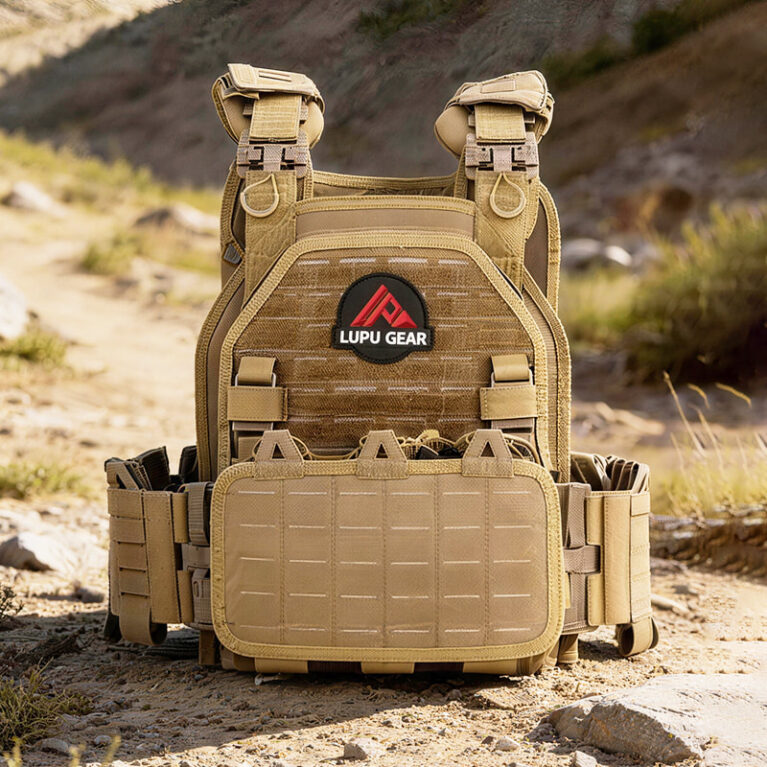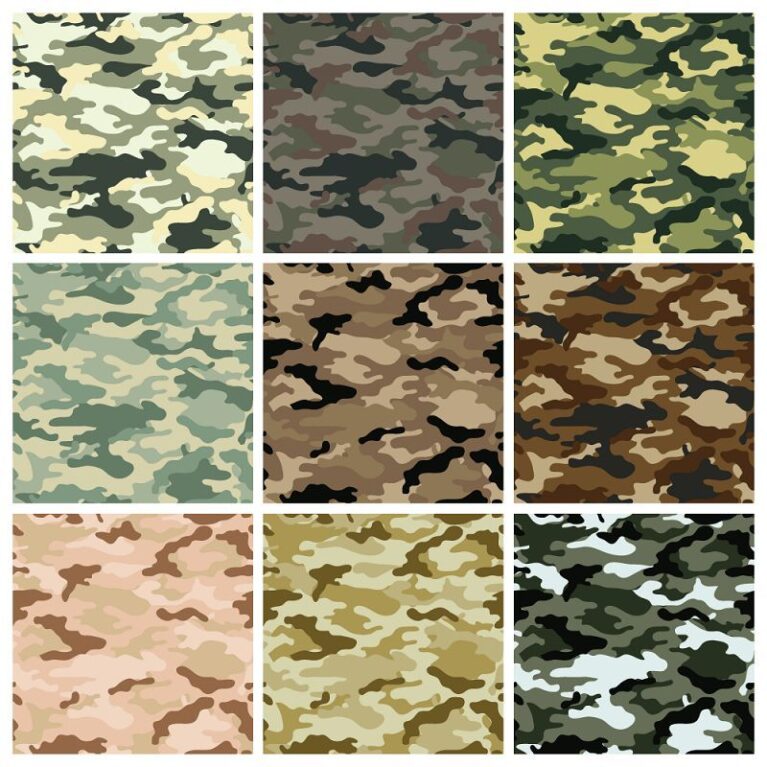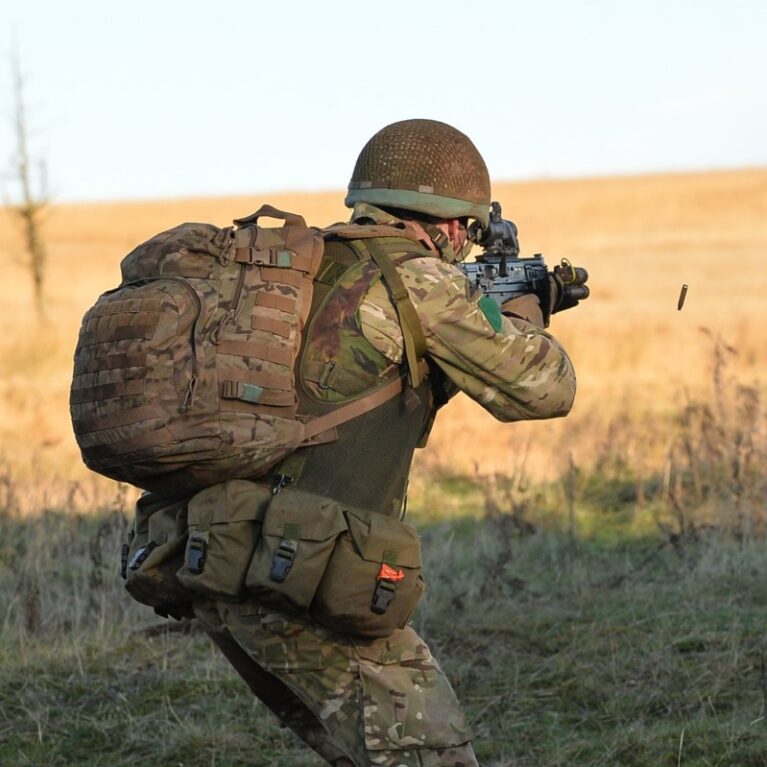
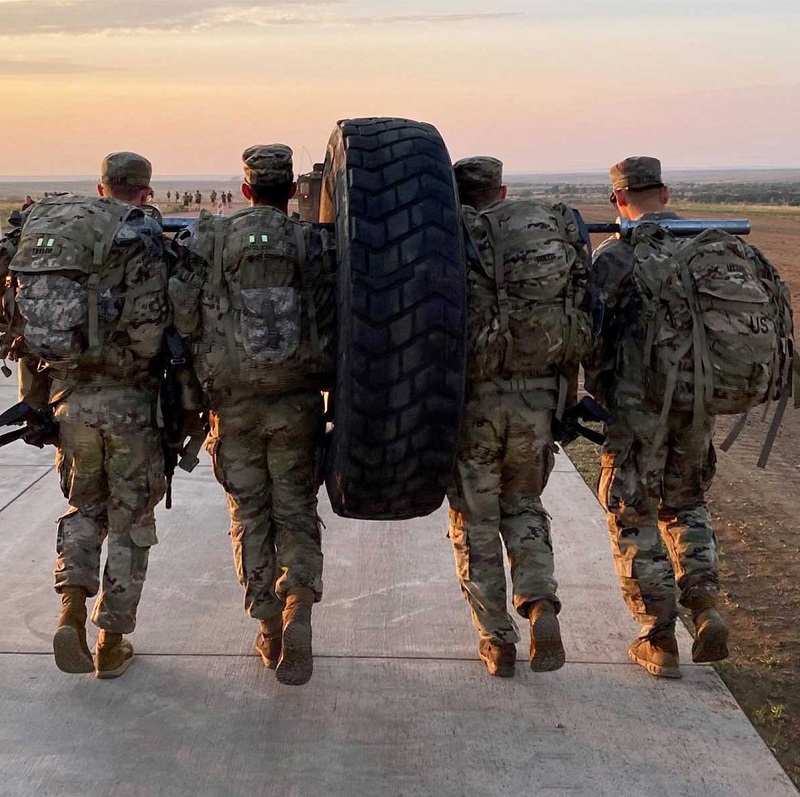
The military has long been a source of fascination for many, with its advanced gear and precise operations capturing the public's imagination. So, most people are very curious about the military, military gear, and what types of military backpacks the military uses. One of the most crucial yet often overlooked pieces of equipment is the military backpack.
These packs combine rugged materials, ergonomic designs, and modular systems that are engineered to carry everything from ammunition and rations to radios and first aid kits. However, these backpacks are more than just durable—they represent decades of refinement in load-carrying technology. They expertly balance weight distribution, quick-access compartments, and weatherproofing, ensuring that soldiers and outdoor enthusiasts alike can depend on their gear in extreme environments.
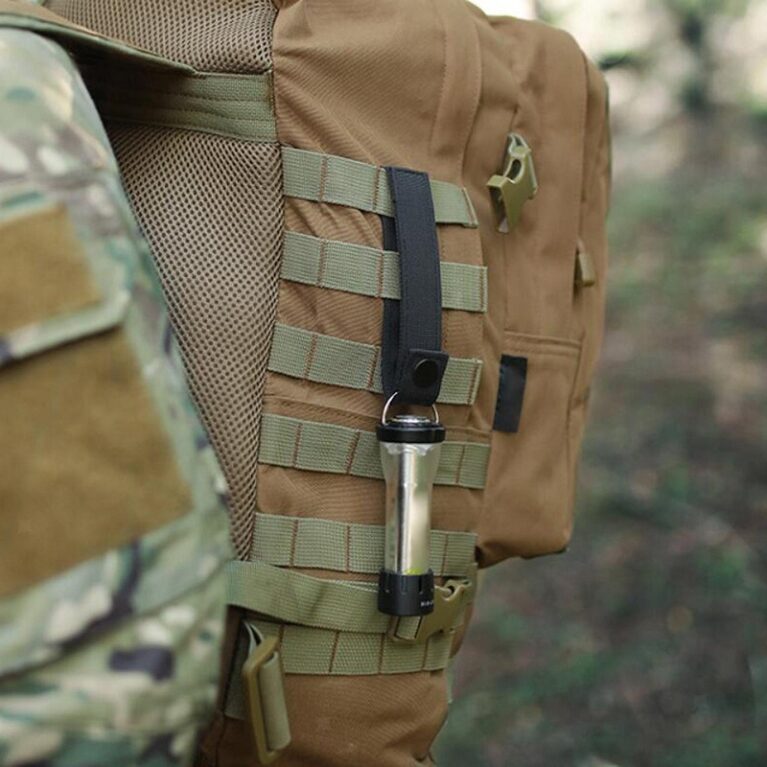
Military backpacks come in various forms, including assault backpacks (20–35L), combat backpacks (45–65L), and large rucksacks (65L+). They are designed with either internal or external frames, often constructed from high-durability materials like Cordura nylon. A key feature of these packs is the MOLLE (Modular Lightweight Load-carrying Equipment) webbing, which allows for customizable storage options, making them adaptable to various tactical needs.
Prominent systems in use by U.S. forces include the ALICE pack, the ILBE/FILBE system, and the MRAP packs by Osprey. NATO allies rely on models such as the Bergen and PLCE systems. Each of these designs is tailored to specific mission requirements, considering factors like operational range, weight capacity, and the type of gear being carried. This ensures soldiers are equipped to stay mobile, organized, and ready for any mission in diverse and challenging environments.
Key Features of Standard-Issue Military Backpacks
A standard-issue military backpack is meticulously designed for functionality, durability, and comfort under extreme conditions. These military backpacks are engineered with features that support efficient load transfer, modular customization, and maximum survivability in harsh environments. Built from decades of military feedback and biomechanical research, these military backpacks are purpose-built to carry heavy loads across varied terrains—whether in deserts, jungles, or arctic tundras. The primary goal is to ensure soldiers remain mobile, organized, and prepared for extended operations.
Military backpacks typically feature a range of high-performance components, such as internal or external frame systems for optimal weight distribution, adjustable suspension systems, and MOLLE webbing for modular gear attachment. With materials like 500D–1000D Cordura® nylon and weatherproof coatings, these military backpacks are designed to endure tough conditions, keeping equipment secure and accessible. Below, we explore the five core features that distinguish a standard-issue military pack.
A. Frame Systems: Internal Frames vs. External Frames
Internal Frames:
- Constructed with aluminum stays or carbon-composite rods sewn into the pack's back or side panels.
- Benefit:Low-profile design for better maneuverability in confined spaces (e.g., vehicles or buildings). The closer fit to the torso enhances stability and agility.
- Examples: S. Marine Corps FILBE pack, British PLCE assault pack.
External Frames:
- Comprised of exposed metal frames, usually 7075-T6 aluminum, attached to the pack body.
- Benefit:Superior ventilation due to the air gap between the pack and the body, making them ideal for carrying very heavy loads (40 kg and above). Easy attachment of non-standard gear, such as sleeping rolls or extra supplies.
- Examples: S. ALICE rucksack (legacy design), some NATO reconnaissance kits.
B. Adjustable Suspension & Load Transfer
Torso Length Adjustability:
- Shoulder yokes slide vertically on webbing channels, secured by cam buckles or reinforced Velcro.
- Benefits:Adjustable to accommodate a wide range of soldier heights (from 5′ 4″ to 6′ 4″), ensuring the pack fits securely and the load is evenly distributed.
Load-Lifter Straps & Stabilizers:
- Straps attach to the pack's top, angling the load to shift the weight onto the hips for better comfort and stability.
- Hip Belt Design:Wide, contoured, foam-padded belts are designed to transfer 60–80% of the pack's weight to the pelvis, reducing spinal stress during extended marches.
C. Modular Webbing: MOLLE/PALS Integration
Pouch Attachment Ladder System (PALS):
- A standardized grid system with 25mm horizontal webbing stitched at 25mm intervals, forming a grid for MOLLE-compatible pouches.
- Interoperability:NATO STANAG 2339 ensures compatibility across different forces, allowing U.S., UK, German, and French pouches to interlock seamlessly.
Quick-Release Pouches & Panels:
- The front and side panels of the military backpacks are designed to accommodate various mission-specific pouches, such as hydration systems, medical kits, ammunition, and admin gear.
- Advantages:Allows for rapid reconfiguration of the pack in the field, enabling soldiers to tailor their gear to specific mission requirements.
D. Rugged Materials & Weatherproofing
High-Denier Fabrics:
- Typically constructed from 500–1000D Cordura® nylon, treated with Teflon® or PU coatings to provide water resistance and enhanced durability.
- Benefits:These fabrics offer high tear resistance (greater than 20 N) and abrasion endurance (more than 20,000 Martindale cycles), making them ideal for rough handling in rugged environments.
Ripstop Variants:
- Some military backpacks feature ripstop fabrics, woven in a crosshatch pattern to prevent tears from spreading, adding an extra layer of protection against damage.
Seam Sealing & Coatings:
- Stress points such as shoulder straps and yoke junctions are reinforced with bar-tacks to prevent seam failure.
- Weatherproofing:Taped or welded seams with PU-coated tape prevent water ingress, providing reliable waterproofing with a hydrostatic head rating of 1,000–3,000 mm.
E. Accessibility & Rapid-Release Features
Zipper & Buckle Systems:
- YKK® MIL-SPEC zipperswith storm flaps and drain ports are used to manage water, debris, and moisture, keeping contents safe and dry.
- Duraflex® Quick-Release Buckles:These buckles allow for rapid removal of the pack, whether under fire or in an emergency evacuation scenario (e.g., waterborne missions, helicopter extractions).
Compartment Layout:
- Main Compartment:Typically offers 45–65L of storage for essential gear like rations, clothing, and sleeping systems.
- Assault/Day Backpack:A smaller 20–35L pack is nested inside the main body, which can be deployed quickly via a quick-detach harness.
- Hydration Integration:A dedicated sleeve in the rear of the pack accommodates a 2–3L hydration bladder, with routing clips on the shoulder straps for easy access to the drinking tube.
Balancing Design Trade-Offs in Tactical Gear
- Durability vs. Weight:While heavier frames and thicker fabrics provide enhanced protection, they also contribute to fatigue, limiting endurance during long missions.
- Complexity vs. Modularity:Offering numerous pouch options can result in additional weight and clutter. Effective mission planning ensures only the essential gear is carried, optimizing load without excess.
- Carry Capacity vs. Ventilation:External frames improve airflow and comfort, but their larger profile may snag in dense brush or restrict maneuverability, impacting mission efficiency.
Modular Load-Carrying Systems in Modern Military Backpacks
In modern military operations, modular load-carrying systems are fundamental for ensuring soldiers remain flexible and prepared for a variety of mission types. At the heart of these systems is the MOLLE/PALS (Modular Lightweight Load-carrying Equipment / Pouch Attachment Ladder System), a standard designed to facilitate quick adaptation and custom configuration of gear. This system uses rows of 25mm nylon webbing sewn at 25mm intervals, allowing soldiers to attach pouches, holsters, medical kits, ammunition carriers, and more. MOLLE replaced older attachment systems like ALICE (All-Purpose Lightweight Individual Carrying Equipment) in the late 1990s, bringing with it unparalleled flexibility, ease of reconfiguration, and interoperability between NATO forces.
Since its introduction, the MOLLE/PALS system has become the cornerstone of military load-carrying philosophy, enabling soldiers to tailor their equipment based on mission-specific needs without altering the core structure of their military backpacks. Whether on patrol, during assaults, for medical evacuations, or reconnaissance missions, military units can rapidly adjust their loadouts. The ability to customize load configurations ensures soldiers carry only what is necessary for the task at hand, optimizing both mobility and effectiveness.
Evolution from ALICE to MOLLE
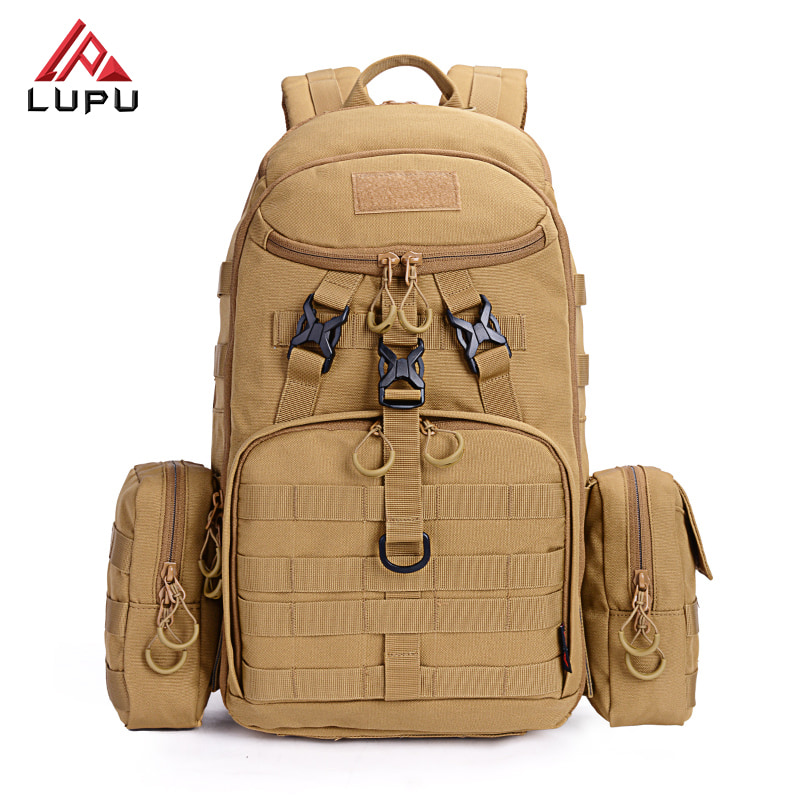
ALICE System (1980s–1990s):
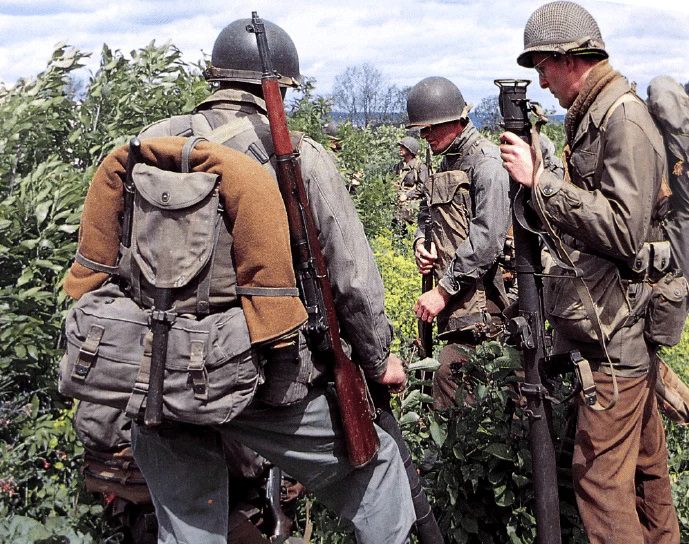
The ALICE system, used from the 1980s until the late '90s, was a key part of U.S. military gear. It relied on snap-on pouches that attached to the rucksack using metal bars, which limited pouch types and reconfiguration options. While durable, the ALICE system had its drawbacks. The snap-on mechanism was bulkier and slower to swap out compared to modern systems. Additionally, the pouch types were limited, and the high wear on snaps made them prone to failure under rugged conditions.
MOLLE System (Late 1990s and Beyond):
The MOLLE system, developed by the U.S. Special Operations Command, represented a major leap forward in military load-carrying technology. Designed to increase adaptability, it allows soldiers to quickly weave pouch straps through the PALS webbing on the military backpacks. This feature greatly enhanced flexibility, enabling rapid reconfiguration of gear during missions. Unlike ALICE, the MOLLE system supports a vast range of pouches and accessories, offering more flexibility and faster gear changes during operations. This adaptability is critical in combat and operational environments where rapid gear modifications are often necessary to meet changing mission needs.
The PALS webbing (Pouch Attachment Ladder System) is standardized under NATO STANAG 2339, ensuring compatibility across military units within NATO. This standardization allows U.S., UK, Canadian, and many other NATO forces to seamlessly integrate their gear, creating a cohesive and interoperable system. As a result, soldiers from different allied nations can equip their military backpacks with the same types of pouches, holsters, and accessories, ensuring that each unit can tailor their loadout to fit mission-specific requirements.
Key Technical Specifications of MOLLE/PALS
The MOLLE/PALS system is structured around 25mm horizontal webbing spaced 25mm apart vertically, creating a grid for attaching various mission-specific pouches and gear. This modular system allows for a nearly infinite combination of equipment arrangements, providing ultimate flexibility in field operations. Here are some key features:
- Interoperability:MOLLE/PALS is used by multiple NATO countries, ensuring that different units can easily share or swap pouches and gear.
- Durability:The webbing is typically made of high-strength nylon, resistant to wear and tear, ensuring it remains functional even under heavy use and harsh environments.
- Versatility:The design supports a wide array of attachments, from hydration systems and medical kits to ammunition carriers, utility pouches, and more.
- Quick-Release Capability:Many MOLLE-compatible pouches are designed to be quickly detached, allowing soldiers to adjust their loadout rapidly without having to remove the entire pack.
Technical Specifications of PALS Webbing
|
Specification |
Detail |
|
Webbing Width |
25 mm (1 inch) |
|
Spacing Between Rows |
25 mm center-to-center |
|
Stitch Pattern |
Triple-stitch at edges; bartack at load points |
|
Material |
High-tenacity nylon (500–1000 D) |
|
Breaking Strength |
≥ 500 kg tear force |
Allied & National Variants of Modular Tactical Systems
- NATO STANAG 2339:This standard ensures uniform PALS (Pouch Attachment Ladder System) dimensions across NATO member nations, guaranteeing that pouches designed for U.S. carriers are compatible with British, German, or Canadian packs.
- UK PLCE Mk. IV:One of the first adopters of PALS, the UK's Bergen rucksacks feature laser-cut webbing for enhanced durability and lighter weight.
- German Bw-Lig System:This system incorporates larger "ALPHA" strips designed for rapid attachment of pouches, optimized for ease of use, even while wearing cold-weather gloves.
- French FÉLIN Packs:Featuring a hybrid PALS-MOLLE webbing system, French FÉLIN packs are equipped with quick-release capabilities and Coyote Brown "couvre caps" for tactical flexibility.
Advantages of Modular Systems
- Tailored Fit:Soldiers can position frequently used items—such as IFAKs (Individual First Aid Kits) and ammunition—where they are easily accessible, ensuring rapid retrieval during high-stress situations.
- Scalability:The modular nature allows for seamless addition, removal, or repositioning of pouches, adapting to the mission's requirements and reducing unnecessary bulk.
- Interoperability:Modular systems facilitate joint operations by ensuring allied forces can share and exchange common gear, improving operational coordination and efficiency.
Trade-Offs and Limitations of Modular Systems
- Weight Penalty:Adding PALS panels increases weight, with each panel contributing around 50–80g of additional webbing. A full harness with 10 rows can result in an added weight of 500–800g, impacting overall load management.
- Wear and Tear:Frequent attachment and detachment of pouches put stress on stitching, leading to wear at key points. Over time, this can necessitate reinforcement or even complete pouch replacement to maintain durability.
- Komplexität:Improperly weaving straps or configuring pouches can compromise the security of the load, especially among less-experienced personnel. This can lead to instability during operations, potentially affecting mission success.
Innovations and Future Directions in Tactical Gear
- Laser-Cut Solids:Emerging technologies are replacing traditional sewn webbing with laser-cut holes in single-piece fabrics. This innovation reduces weight by up to 200g per pack and minimizes snag risks, enhancing both performance and durability.
- Quick-Detach Systems:New systems, such as H-Style or QASM straps, enable rapid pouch detachment without the need for full unweaving. These quick-release mechanisms allow for faster reconfiguration, especially in high-pressure situations or under fire.
- Integrated Electronics:The future of PALS panels may see the integration of data conduits or power cables woven directly into the fabric. This will support seamless sensor and communication system integration, enhancing operational efficiency and real-time data transmission.
How Mission Profiles Shape Backpack Capacity and Layout?

A backpack's design must align with the specific demands of its mission, ensuring both functionality and mobility. Different operational needs require distinct sizes and internal configurations:
- Militär Assault BackPacks (20–35 L):Designed for quick, high-intensity operations such as raids, these packs prioritize essential items like ammo pouches and minimal survival gear for rapid deployment.
- MilitärCombat BackPacks (45–65 L): Intended for extended, multi-day missions, these packs feature compartments for hydration bladders, sleeping systems, and ration storage, ensuring soldiers remain self-sufficient over longer durations.
- Long-Range Rucksacks (65 L+):Built for prolonged operations, these large rucksacks can carry heavy loads such as extra clothing, advanced communication equipment, and specialized tools for complex missions.
To further optimize functionality, layouts often include removable day-packs, internal dividers for specific gear (like med kits or radios), and dedicated hydration sleeves, ensuring soldiers stay organized, mission-ready, and adaptable in the field.
Military operations range from swift vehicle assaults to extended dismounted patrols, and as such, backpacks must be customized to fit the task. An improperly fitted pack not only reduces performance but also increases the risk of injury. Below, we examine how varying mission profiles influence key factors like capacity, pocket placement, and overall design.
1. Military Assault BackPacks: Speed and Accessibility (20–35 L)
Purpose & Duration:
Assault packs, also known as "fighting" packs, are designed for high-speed, short-duration operations lasting 24–48 hours. These missions often involve rapid vehicle insertions or fast-moving foot operations under pressure, where agility and quick access to essential gear are critical.
Key Features:
- Compact Main Compartment:Designed to carry essentials such as spare magazines, an Individual First Aid Kit (IFAK), and a hydration bladder.
- External Pouches:Admin pouches and pistol magazine holders mounted on MOLLE panels for quick and easy access.
- Low Profile:With a slim depth (20–25 cm), this pack minimizes the risk of snagging in tight or confined spaces.
- Integrated Hydration Sleeve:A compartment specifically designed to house a 1–2 L hydration bladder, equipped with a quick-disconnect tube for fast drinking access.
2. Military Combat/Patrol BackPacks: Endurance and Modularity (45–65 L)
Purpose & Duration:
These packs are built for multi-day operations, such as 72-hour patrols, where soldiers need to carry additional supplies (sleeping bags, extra clothing, and food rations) while still having immediate access to combat gear. The focus is on endurance, comfort, and flexibility.
Key Features:
- Removable Day-Pack:A smaller, detachable pack that nests within the larger rucksack, allowing soldiers to leave the full pack behind during quick movements.
- Main Compartment Dividers:Hook-and-loop or zip-out panels to keep clothing separate from electronics or medical gear, promoting organization.
- Compression Straps:Used to stabilize and compress the load, ensuring it doesn't shift or cause discomfort while moving.
- External Attachment Points:Daisy chains and straps for securing external gear like sleeping pads, ponchos, or additional ammunition.
3. Long-Range Rucksacks: Heavy Loads and Load Carriage (65 L+)
Purpose & Duration:
Long-range recon or logistics missions often require carrying bulky, heavy equipment such as communication systems, extensive food supplies, and specialized tools. These operations typically take place in austere environments with limited resupply options, necessitating a high-capacity, durable pack.
Key Features:
- External or Heavy-Duty Internal Frame:Designed to carry loads exceeding 40 kg, these packs distribute the weight from the shoulders to the hips through robust hip belts, easing the burden on the upper body.
- Vented Back Panels:Mesh suspension helps alleviate sweat buildup, keeping the soldier cool and dry during long treks.
- Oversized Main Compartment:The spacious design (75–85 cm height) allows for packing larger items like sleeping systems and shelters.
- Multiple Access Points:A top-loading design, complemented by side and bottom zippers, ensures quick access to gear without needing to unpack everything.
4. Specialized BackPacks: Role-Specific Layouts
Medical (“Medic”) BackPacks:
- Color-Coded Compartments:Red-trimmed panels help organize critical items such as bandages, tourniquets, and IV kits for rapid triage.
- MOLLE-Mounted Trauma Pouches:Strategically placed for one-handed access during emergencies.
Communications BackPacks:
- RF-Shielded Linings:Protect sensitive electronics from electromagnetic interference.
- Cable Grommets and Organization Loops:Manage power and antenna cables externally, preventing tangles and ensuring efficient use.
Sniper/Recon BackPacks:
- Weapon Scabbard Attachments:Integrated loops or clips secure rifles externally for fast deployment.
- Tripod/Monopod Pockets:Specially designed external pockets allow quick access to tripods or monopods.
5. Ergonomic and Injury Prevention Considerations
- Center-of-Gravity Management:Proper placement of heavy gear close to the back minimizes torque, reducing strain on the body during movement.
- Load Distribution Testing:Comprehensive gait analysis is conducted to assess pack strap angles and hip-belt curvatures, ensuring optimal load distribution.
- User-Feedback Iterations:Soldiers' input on discomfort and "hotspots" helps designers adjust foam densities and padding placement to improve comfort and reduce the risk of injury during extended use.
What materials and construction methods are used to ensure durability on the battlefield?

Military backpacks are engineered using high-performance materials like 500–1000D Cordura® nylon, which is treated with PU coatings or Teflon® for enhanced water resistance and abrasion durability. The construction incorporates high-tensile bonded nylon thread, employed in triple-stitched seams and reinforced with bar-tacks at critical stress points. Frames are typically constructed from 6061-T6 aluminum or carbon-composite rods to provide superior load-bearing support. To ensure waterproofing, seams are sealed using taped or RF-welding techniques, achieving hydrostatic ratings between 1,000 and 3,000 mm. Additionally, MIL-SPEC YKK® zippers and Duraflex® buckles are utilized for secure fastening. This combination of advanced materials and construction techniques delivers backpacks capable of withstanding the harshest environmental conditions, including abrasion, moisture, and heavy loads.
Ensuring battlefield durability is not solely reliant on raw strength—it's a meticulous balance of premium materials, precision engineering, and rigorous testing. In the following, we'll delve into the specialized fabrics, reinforced threads, durable hardware, and exacting assembly practices that military backpacks incorporate to perform reliably in the most extreme and demanding environments.
High-Denier Cordura® Nylon and Ripstop Fabrics
Denier Ratings & Weave Configurations:
- 500D Cordura®:This lighter-grade fabric weighs approximately 200 g/m², offering an optimal balance between durability and weight. It is commonly used in areas where strength is needed without significantly increasing the overall weight of the pack.
- 1000D Cordura®:With a heavier weight of 300–350 g/m², this grade is ideal for high-stress components such as base panels, hip belts, and other areas that experience consistent wear and tear. Its robust construction provides enhanced durability in rugged environments.
- Ripstop Variants (200–300D):Featuring thicker yarns woven in a crosshatch pattern, these fabrics are engineered to limit the spread of tears, ensuring that small punctures or abrasions do not compromise the integrity of the material. These fabrics add a layer of resilience, especially in areas subject to extreme conditions.
Performance Characteristics:
|
Fabric Type |
Weight (g/m²) |
Tear Strength (N) |
Abrasion (Martindale) |
Water Resistance (PU) |
|
1000D Cordura® |
350 |
35 |
30 000 cycles |
1 500 mm column |
|
500D Cordura® |
200 |
25 |
20 000 cycles |
1 000 mm column |
|
300D Ripstop Nylon |
150 |
20 |
15 000 cycles |
1 000 mm column |
Teflon® and PU Coatings:
The exterior of military backpacks is treated with Teflon® durable water repellent (DWR), which effectively repels water and prevents liquids from soaking into the fabric. This advanced coating creates a protective shield on the surface, enabling the material to shed rain, moisture, and other environmental elements, keeping the contents of the pack dry in wet conditions.
On the interior, PU (Polyurethane) coatings are applied to further enhance waterproofing. These coatings provide an additional barrier against water ingress, ensuring that the fabric remains impermeable to moisture. With hydrostatic head ratings ranging from 1,000 to 3,000 mm, the coated fabric is rigorously tested for its ability to withstand water pressure, making it ideal for extended exposure to rain and damp environments.
Together, these coatings deliver a highly effective combination of water resistance and waterproofing, ensuring that military backpacks maintain their performance and protect valuable gear under even the most challenging weather conditions.
Reinforced Stitching and Seam Sealing
Thread Selection:
- Bonded Nylon Thread (0.6–0 mm):This thread is chosen for its exceptional tensile strength (≥ 200 MPa) and minimal elongation, ensuring a strong, reliable stitch under heavy loads. It is also UV-resistant, maintaining its integrity even under prolonged exposure to sunlight, which is crucial for outdoor gear subjected to harsh environments.
Stitch Patterns:
- Triple-Stitch Seams:These seams are reinforced with three parallel lock-stitches, effectively distributing stress across three times the area of a standard seam. This design significantly enhances the overall durability of the pack, ensuring that high-stress areas can endure heavy use without failure.
- Bar-Tacks:These dense stitching patterns (20–30 stitches per cm) are applied at key stress points such as strap anchors, zipper ends, and webbing junctions. The compact, reinforced stitching creates a strong, localized reinforcement, preventing these critical areas from fraying or coming apart under pressure.
Seam Sealing:
- PU-Coated Tape:To further bolster the pack's water resistance, heat-applied PU-coated tape is used to seal the needle perforations from stitching. This prevents water from infiltrating through the seams, ensuring the contents remain dry even in rainy conditions.
- RF (Radio-Frequency) Welding:For areas where traditional stitching is impractical, RF welding offers an advanced bonding technique that uses ultrasonic heat to fuse materials together. This method is particularly effective for creating seamless, waterproof joins on critical panels, providing enhanced strength and protection against the elements without compromising flexibility.
Frame Materials: Aluminum vs. Composite
6061-T6 Aircraft-Grade Aluminum:
- Yield Strength:276 MPa; offers an excellent combination of strength and lightness, making it ideal for robust yet lightweight frame construction. Often anodized to improve its corrosion resistance, this material is well-suited for harsh environments.
- Applications:Typically used for internal stays or external frame systems that provide support for loads exceeding 40 kg. Its rigidity and durability make it an excellent choice for military backpacks intended for heavy-duty operations, ensuring load distribution and structural stability over extended use.
Carbon-Fiber Composite Rods:
- Tensile Strength:Approximately 500 MPa, significantly stronger than most traditional materials and offering 50% less weight than aluminum. This allows for greater mobility without sacrificing strength.
- Applications:Ideal for high-performance, ultralight combat packs where weight reduction is paramount. The flexible nature of carbon-composite rods also means they retain their shape even after repeated flexing, making them perfect for tactical gear that requires both strength and adaptability.
MIL-SPEC Hardware
YKK® MIL-SPEC Zippers:
- Corrosion Resistance:These zippers undergo salt-spray testing for more than 96 hours to ensure they maintain their functionality in highly corrosive environments. The self-lubricating slider mechanism also minimizes wear, ensuring smooth operation over time.
- Load Capacity:Capable of withstanding pull forces in excess of 500 N, these zippers are built to resist strain and ensure a reliable, long-lasting closure under high-stress conditions.
Duraflex® & ITW Nexus® Buckles:
- Tensile Strength:Side-release buckles feature an impressive 1,000 N+ tensile rating, ensuring secure fastening even under heavy loads. Additionally, reinforced ladderlocks allow for precise adjustment of webbing, ensuring a tight and secure fit under tension.
- Impact Resistance:Designed to endure extreme environmental conditions, these buckles can withstand temperatures from -40 °C to 70 °C without cracking or losing their integrity, ensuring reliable performance across a wide range of climates.
Rigorous Testing Protocols
- Abrasion Resistance Testing:Utilizing the Martindale method, fabrics are subjected to 20,000+ cycles to ensure their resistance to abrasion in high-wear zones. This ensures that even under intense friction, the material will not experience ply-through, offering long-lasting durability.
- Hydrostatic Head Tests:According to ISO 811, these tests measure the water resistance of fabrics post-seam sealing. Military backpacks are rigorously tested to withstand 1,000–3,000 mm of water column pressure, confirming that they can endure heavy rain and wet conditions without compromising the internal contents.
- Frame Load Testing:To verify their structural integrity, military backpacks undergo static load drop tests, where the pack must support its rated capacity plus a 20% safety margin. This ensures that even under maximum load, the frame will maintain its shape and provide reliable support.
Environmental Stress Tests:
- Salt-Spray Exposure:All hardware and coatings are subjected to over 96 hours of salt-spray testing to simulate the corrosive effects of prolonged exposure to marine and salty environments.
- Temperature Cycling:Fabrics and adhesives undergo extreme temperature cycling tests, ranging from -30 °C to 60 °C, to confirm their ability to withstand rapid temperature changes without degrading in performance.
How do various military branches and country determine the selection of specific models?
Military branches select military backpacks through comprehensive evaluation processes that assess factors such as load capacity, comfort, modularity, and resilience to environmental conditions. These selections are typically made after extensive trials, which help ensure that the packs meet operational demands in diverse and challenging environments. For example, the U.S. Army has transitioned from the ALICE system to the ILBE/FILBE, and more recently to the Osprey GCSC packs, with feedback gathered through Soldier Enhancement Programs. Similarly, the British Army adopted the PLCE Mk IV Bergen following rigorous live-fire trials, while the German Bundeswehr favors the BW-Rucksack, tested in cold-weather and field conditions. NATO nations align with STANAG interoperability standards to ensure seamless integration of load-carrying systems across allied forces.
America
- Procurement Framework:Managed by the Program Executive Office Soldier (PEO-Soldier), the U.S. Army follows a structured procurement process that involves issuing Requests for Proposals (RFPs), which are based on feedback from active soldiers and after-action reports from field operations.
- Key Evaluation Trials:Backpacks undergo Soldier Enhancement Program (SEP) testing, which includes assessments such as multi-terrain marches, obstacle courses, and extended wear tests to evaluate factors like spinal stress, comfort, and the presence of hot spots.
Evolution of Systems:
- ALICE (1980s–2000s):This external-frame design, with a 65L capacity, was phased out primarily due to its weight and rigid structure.
- ILBE (2000s):Featuring an internal frame and a 60L main pack with a 15L assault pack, it was designed for Marine Corps operations but was ultimately found to be too heavy for long-term use.
- FILBE/Osprey GCSC (2010s–present):Using lighter materials and incorporating Active-Fit suspension, integrated hydration systems, and quick-release features, these military backpacks are optimized for greater mobility and efficiency.
Germany (Bundeswehr)
- User-Focused Testing:The German Infantry School conducts extensive trials, which span six months and take place in diverse environments such as Arctic Finland and urban Berchtesgaden. These tests measure pack performance across several metrics, including drag resistance, tear propagation, and back ventilation.
- Standardized Gear:The BW-Rucksack (70L), featuring laser-cut webbing, is the standard-issue backpack for the German military. Hydration and radio routing are standardized across all branches, ensuring compatibility and efficiency in the field.
Britain
- Capability Definition:The Defence Equipment & Support (DE&S) division issues detailed Capability Needs Statements that outline essential requirements such as load capacity, climate adaptation, and the nature of missions. These specifications guide the selection of military backpacks that will best meet operational needs.
- Live-Fire Field Trials:The PLCE Mk IV Bergen (50L main, detachable daysac) was extensively tested during live-fire exercises at Salisbury Plain, as well as in extreme environments such as sandstorms in Oman and under CBRN suit conditions. These trials validated the pack's performance under combat and environmental stress.
- Rucksack Rationalization:The British Army conducts detailed assessments to ensure that specific packs—designed for different weapons or missions, such as sniper packs or assault packs—feature tailored pocket layouts and organizational features, a process validated through feedback from combat engineers.
France & NATO Allies
- French FÉLIN System:As part of the Scorpion modernization program, French forces evaluated military backpacks for integration with advanced technologies, including powered exoskeletons and electronic communication modules. These trials aimed to ensure the pack's ability to integrate seamlessly with cutting-edge military systems.
- NATO STANAG 4280:This Standardization Agreement (STANAG) outlines universal specifications for webbing dimensions, hydration compatibility, and interoperability, ensuring that pack components such as pouches and sub-packs are compatible across different NATO forces. This facilitates joint operations and enhances the operational flexibility of allied troops.
These rigorous, branch-specific selection processes ensure that military backpacks are tailored to meet the unique operational needs of each force, whether it's through specialized environmental testing, integration with advanced technologies, or strict adherence to interoperability standards across NATO.
Fundamental Selection Criteria Across Different Nations
|
Criterion |
Evaluation Method |
|
Load Capacity |
Gradual weight increments up to 40 kg |
|
Modularität |
Pouch swap tests; MOLLE tensile pull‐tests |
|
Dauerhaftigkeit |
Abrasion, tear, UV, and seam‐seal trials |
|
Comfort & Fit |
Pressure mapping & gait‐analysis on treadmill |
|
Climate Resilience |
Thermal‐shock & salt‐spray chambers |
|
Interoperability |
Cross‐mounting pouches from partner packs |
Which Commercial Backpacks Comply with Military Standards?
Leading commercial backpacks designed to meet military standards include the Mystery Ranch 3-Day Assault Pack, Crye Precision AVS Pack, and Arc'teryx LEAF Assault Pack. These civilian models are engineered to comply with critical military specifications such as MIL-STD-810 (which tests for drop impact, vibration resistance, and environmental conditions), MIL-C-5040 (governing zipper durability), and are constructed using high-tenacity fabrics and modular webbing systems. Priced between $250 and $450, these packs offer superior warranty support and are often lighter than their military-issued counterparts. However, they may not fully integrate with official government-issued frames or align precisely with the mounting geometry of military pouches, making them more suited for personal use or tactical enthusiasts rather than formal military procurement.
Commercial manufacturers have successfully translated military-grade design principles into civilian backpacks that meet or even exceed many of the official requirements. In the following section, we will explore five top-tier civilian packs, examining their adherence to military standards, key performance features, and their overall suitability for professional and tactical applications.
Mystery Ranch 3-Day Assault Pack
Specifications & Testing:
- Fabric:Constructed from 500D Cordura® nylon treated with a Teflon® finish for enhanced durability, with tear strength rated at ≥ 20 N and abrasion resistance surpassing 20,000 Martindale cycles.
- MIL-STD-810G Compliance:The pack has successfully passed drop, shock, and vibration tests, ensuring its resilience under rough handling and extreme field conditions.
Merkmale:
- 3-Zip Access:A unique three-sided zipper system enables the pack to open flat, providing rapid and easy access to gear, significantly improving organization and efficiency.
- Futura Yoke Suspension:This adjustable internal frame system optimizes load transfer, enhancing comfort and stability during prolonged use.
- Hydration Ready:Equipped with an integrated sleeve that accommodates a 3-liter hydration bladder, ensuring easy access to water during extended operations.
Use Case: The Mystery Ranch 3-Day Assault Pack is designed for 72-hour operations, making it an ideal choice for tactical operations, civilian contractors, and military personnel who require a compact, durable assault pack for extended missions.
Crye Precision AVS Pack
Specifications & Testing:
- Fabric:Made from 1000D Cordura® with a PU coating, the AVS Pack features waterproof taped seams, achieving a 3,000 mm water column for enhanced weather resistance.
- MODULAR AVS System:Specifically engineered to meet the demands of U.S. Special Operations Forces (SOF), it incorporates quick-release stabilizer straps and a modular design for superior adaptability in dynamic environments.
Merkmale:
- Capacity:With a 45-liter main compartment and a detachable day pack, the AVS Pack offers flexible storage options for various mission types.
- Comfort:The AirMesh™ back panel enhances ventilation, while padded lumbar support ensures comfort during extended wear.
- Pouch Integration:Crye's proprietary quick-detach sleeve system allows for easy attachment and removal of medical, admin, and other mission-specific pouches, ensuring rapid customization.
Use Case: The Crye Precision AVS Pack is favored by SOF enthusiasts, private military contractors, and tactical professionals who require high-performance, modular packs tailored for special operations and demanding environments.
Arc'teryx LEAF Assault Pack
Specifications & Testing:
- Fabric:Constructed from 700D polyester with a GORE-TEX® waterproof laminate and DWR finish, this pack offers superior moisture protection in harsh environments.
- Climate Trials:The pack has undergone rigorous testing in line with MIL-STD-810F, ensuring durability in extreme rain, snow, and humidity conditions.
Merkmale:
- Low Profile:With a 35-liter capacity, the LEAF Assault Pack is designed for close-quarters operations, offering a sleek, compact profile that is ideal for urban environments.
- Seamless Integration:Utilizing laser-cut MOLLE webbing, this design reduces weight by up to 200 grams, providing strength without the excess bulk typically associated with traditional webbing systems.
- Zippers:Equipped with YKK® AquaGuard® waterproof zippers throughout, ensuring water resistance and easy access to gear in wet conditions.
Use Case: The Arc'teryx LEAF Assault Pack is the preferred choice for urban operators and aircrew members who require a lightweight, low-profile pack with advanced moisture protection and seamless integration with tactical gear.
Eberlestock X2
Specifications & Testing:
- Frame:The external 6061-T6 aluminum frame provides structural support, while the cargo net back allows for improved airflow and rapid drying, reducing the buildup of moisture.
- Fabric:The pack utilizes 500D/1000D triple-laminated fabric, offering a hydrostatic head rating of ≥ 1,500 mm, ensuring reliable waterproof performance in adverse conditions.
Merkmale:
- Capacity:With a 65-liter main compartment that can be expanded to 80 liters using a tuck-away lid, the X2 is ideal for long-duration missions that require flexible storage space.
- Custom Fit:The Dual-side Adjust-O-Matic suspension system allows for precise torso length adjustments, ensuring a comfortable and ergonomic fit for a wide range of body types.
- Pouch System:The universal genera-lock™ webbing provides compatibility with any PALS-compatible pouches, offering versatile load-out options.
Use Case: The Eberlestock X2 is designed for long-range reconnaissance and expeditionary travel, making it the ideal choice for missions where heavy loads, ventilation, and adaptability are critical for success in the field.
5.11 Tactical Rush 72
Specifications & Testing:
- Fabric:Constructed from 1050D nylon with a PU coating, the Rush 72 provides excellent durability and water resistance. Additionally, it features flame-resistant thread stitching, adding an extra layer of safety in hazardous environments.
- Stress Tests:The pack has been rigorously tested, with zippers and seams rated for 225 kg pull forces, surpassing mil-spec standards for strength and reliability in high-stress conditions.
Merkmale:
- Capacity:With a 55-liter main compartment and an additional 14-liter daypack, the Rush 72 offers substantial storage space for extended operations or tactical gear.
- Organization:Designed for efficiency, the pack includes 37 internal pockets, providing ample storage options for gear, tools, and accessories. It also features a dedicated laptop sleeve for secure tech transport and a matted bottom panel to protect against abrasion.
- Warranty:The 5.11 Tactical Rush 72 comes with a limited lifetime warranty, covering defects in materials and workmanship, ensuring long-term performance.
Use Case: The Rush 72 is favored by law enforcement agencies and first responders who require a highly modular and spacious pack capable of accommodating a wide range of tools and equipment, making it ideal for emergency response, tactical operations, and high-volume storage needs.
The Comparative Table Of Commercial MIL-SPEC-Style BackPacks
|
Model |
Capacity (L) |
Fabric & Coating |
Frame Type |
Price (USD) |
Key Feature |
|
5.11 Tactical Rush 72 |
55 |
1050D nylon + PU |
Internal |
$220 |
37 internal pockets |
|
Arc’teryx LEAF Assault |
35 |
700D + GORE-TEX® laminate |
Internal |
$450 |
Laser-cut MOLLE (lightweight) |
|
Mystery Ranch 3-Day Assault |
40 |
500D Cordura® + Teflon® DWR |
Internal |
$330 |
3-zip flat access |
|
Crye Precision AVS |
45 |
1000D PU-coated Cordura® |
Internal |
$520 |
Quick-release AVS harness |
|
Eberlestock X2 |
65 |
500D/1000D triple laminate |
External |
$400 |
Cargo net back for airflow |
How Can Private Label and OEM/ODM Brands Tailor Military Backpacks for your needs?
Private-label and OEM/ODM brands can fully customize military-style backpacks by selecting specific materials, hardware, and design features that align with their brand identity and performance requirements. This customization includes choosing fabric denier, color schemes, and camouflage patterns; integrating unique MOLLE/PALS layouts for specialized pouch configurations; selecting the frame type (internal or external) and suspension system; and specifying hardware finishes, such as matte black, bronze, or custom colors. Additionally, brands can add their logos through embroidery, PVC patches, or laser engraving. Through low-minimum order (MOQ) sampling, rapid prototyping, and comprehensive in-house quality control testing, military backpacks manufacturers ensure that every design element—down to seam sealing and lining materials—meets rigorous tactical performance standards while fulfilling specific branding goals.
Creating a differentiated military-style backpack under a private label, or for a client's brand, involves a detailed, multi-phase process—from initial concept development and prototyping to mass production and quality assurance. Below is an in-depth look at how OEM/ODM partners, like LUPU, provide full customization capabilities, even for smaller order volumes.
1. Concept & Specification Development
- Mission Profile Alignment:Identify the backpack's intended use—whether for urban patrol, outdoor expeditions, or medical support. Based on this, define required storage capacity (e.g., 20–35L), load-bearing capacity, and compatibility with modular accessories.
- Brand Positioning:Define the aesthetic aspects of the backpack, such as the corporate color palette (RAL or Pantone), preferred camouflage patterns (Multicam, A-TACS, custom digital camo), and optimal logo placement for brand visibility.
- Performance Targets:Set specific performance benchmarks, including hydrostatic head ratings (1,000–3,000 mm), abrasion resistance (20,000+ Martindale rubs), frame load capacity (>40 kg), and suspension comfort metrics to ensure the pack meets the operational demands.
2. Fabric & Hardware Selection
- Textile Choices:Select from a range of high-performance fabrics such as 500D to 1000D Cordura® nylon, lightweight ripstop nylons, or advanced CORDURA® laminate blends. Decide between DWR or PU coatings, consider color-fast dye lots, and determine whether specialized treatments (e.g., IRR for low visibility operations) are needed for specific missions.
- Webbing & Pouch Interfaces:Customize the PALS panel layout, including row dimensions and orientation (e.g., 3x6 or 4x8 configurations), to support specific mission kits or accessory pouches. Ensure compatibility with proprietary systems or customer specifications.
- Hardware Options:Offer a wide variety of hardware finishes for side-release buckles, compression straps, sliders, and zippers. Options include anodized finishes (e.g., bronze, black oxide) or high-visibility colors (e.g., hi-vis orange) for contrast and functionality.
3. Prototyping & Sampling
- Low-MOQ Runs:Produce initial prototype runs of as few as 50–100 units to validate design specifications. Rapid prototyping timelines (typically 5–7 days) allow for quick adjustments to components such as strap geometry, pocket depths, and closure mechanisms.
- 3D Mock-Ups & CAD Reviews:Utilize digital pattern files and 3D renderings to visualize design elements, including MOLLE placements, overall pack shape, and functionality before cutting textiles or leather. This step ensures precise alignment with the desired end-product aesthetics.
- User Trials:Distribute prototypes to field testers, brand ambassadors, or focus groups for real-world evaluations. Gather feedback on critical performance factors like comfort, load distribution, and pouch accessibility, then fine-tune the final design to meet user needs.
4. Production & Quality Control
- Cutting & Stitching:Employ CNC cutting technology to maximize material yield and ensure uniformity across large-scale production runs. Automated industrial machines are programmed for high-precision stitching patterns (e.g., triple-stitch seams, bar-tacks), while hand-finishing adds a refined touch.
- Seam Sealing & Testing:Use advanced techniques like taped seams or RF-welding for waterproofing. Each production batch undergoes rigorous hydrostatic head testing, abrasion resistance trials, and UV-exposure tests to guarantee that military backpacks perform under extreme field conditions.
- Inspection Protocols:LUPU's in-house Quality Control (QC) team inspects every backpack to ensure it meets stringent specifications. QC checks cover dimensions, seam integrity, hardware functionality, and logo accuracy, ensuring consistent quality and compliance with the approved sample.
5. Packaging & Logistics
- Retail-Ready Packaging: Military Backpacks can be packaged in custom-printed polybags or hang-tagged boxes with barcodes, care instructions, and detailed spec sheets. This ensures a professional presentation for both direct-to-consumer sales and military contracts.
- Bulk Shipping & Labeling:Products are carefully consolidated onto pallets with appropriate country-of-origin labels, packing lists, and CRM documentation to facilitate streamlined distribution and warehouse processing.
6. Post-Launch Support & Iteration
- Warranty & Repairs:Brands offer comprehensive warranty support, including repair kits containing replacement buckles, webbing straps, and seam sealant to extend product life and maintain customer satisfaction.
- Design Iterations:Based on sales feedback and user reviews, future production runs can incorporate design improvements, such as adding new color options, adjusting pocket configurations, or upgrading suspension systems for enhanced comfort.
By following these structured steps, private-label and OEM/ODM brands can produce fully custom military backpacks that meet precise tactical, operational, and aesthetic requirements. From initial design to production and beyond, this end-to-end process ensures that each backpack delivers on both performance standards and branding objectives.
Conclusion & Inquiry
Military backpacks represent the culmination of years of research in load-bearing technology, seamlessly combining high-performance materials, advanced ergonomic frame systems, and modular design for unparalleled mission efficiency. Whether you are a supplier looking for low-MOQ customization options or a tactical enthusiast seeking military-grade functionality, partnering with LUPU ensures expert design execution, rapid prototyping, and comprehensive OEM/ODM production, all under rigorous quality control standards. This commitment to precision and excellence guarantees that every pack meets the highest tactical, operational, and aesthetic demands.
For further inquiries on how to bring your custom backpack design to life, or to explore partnership opportunities, LUPU offers a seamless path from concept to delivery.
Recommended Articles:
Die 12 besten Hersteller von Rucksäcken in Großbritannien
Top 12 Military Combat Boots Manufacturers In The World