Einführung
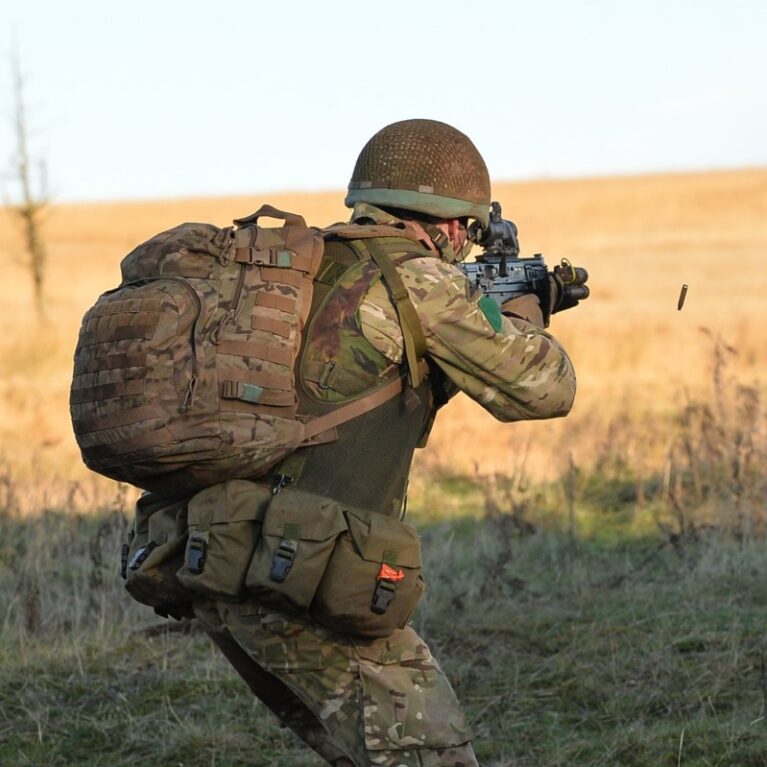
The MOLLE system (Modular Lightweight Load-carrying Equipment) is a versatile, modular design that allows users to customize their load-bearing gear by attaching pouches, backpacks, holsters, and various accessories to a standard webbing platform. Originally developed by the U.S. military, MOLLE has become the industry standard for tactical, military, law enforcement, and outdoor enthusiasts worldwide due to its modularity, customization, and durability. Whether you're carrying ammunition, hydration systems, medical supplies, or personal items, the MOLLE system enables users to build a personalized setup that meets their specific needs and missions.
The popularity of the MOLLE system is driven by its adaptability and ruggedness. Tactical professionals rely on MOLLE system gear to carry essential equipment during long operations, while outdoor adventurers and military personnel appreciate its ability to keep gear organized and accessible in dynamic environments. This ability to easily modify your gear based on the task at hand makes MOLLE an indispensable part of modern tactical loadouts.
Understanding the key factors that affect the quality, performance, and longevity of MOLLE system gear is essential, whether you're a buyer seeking personal equipment or a wholesaler sourcing bulk orders. The market offers a wide variety of MOLLE-compatible products, and making the right choice depends on material durability, compatibility, ease of use, and other critical considerations.
This article serves as a comprehensive guide that answers 25 essential questions every buyer and wholesaler should ask when selecting MOLLE system gear. From the durability and load-bearing capacity of materials to compatibility with other tactical gear and the cost-effectiveness of bulk orders, this guide will equip you with the knowledge needed to make an informed decision that meets your unique requirements. Whether you're purchasing gear for a military unit, outfitting a tactical team, or seeking the perfect loadout for your next hiking trip, these insights will help ensure you choose the right MOLLE products for the job.
Section 1: Durability and Quality of MOLLE System Gear
1. What is the durability and quality of the MOLLE system?
The MOLLE system is built to last, designed for extreme conditions and demanding environments. The durability and quality of MOLLE system gear are influenced primarily by the materials used in its construction. Two of the most common materials used in MOLLE system gear are 1000D nylon and Cordura fabric, both known for their exceptional strength and resistance to wear and tear.
- 1000D Nylon:This is a heavy-duty, high-strength material used in the construction of MOLLE system gear. Its durability is one of the primary reasons it's favored for military, tactical, and outdoor equipment. The "D" in "1000D" refers to the denier rating, which indicates the thickness of the fabric. The higher the denier rating, the thicker and more durable the material is. 1000D nylon is known for being abrasion-resistant, tear-resistant, and highly durable, making it ideal for high-stress applications where gear is subjected to constant wear and rugged environments.
- Cordura-Gewebe:Cordura is a brand of nylon fabric that has been treated with a special coating to enhance its abrasion resistance and water-repellent properties. Typically, Cordura fabrics are more robust than standard nylon and often used for higher-end MOLLE system gear. Cordura's fibers are thicker and more tightly woven, which contributes to its longer lifespan and resistance to punctures and abrasions.
Key factors affecting the durability of MOLLE system gear include:
- Abrasion Resistance:MOLLE system gear is designed to be used in harsh environments. The high-strength fibers of materials like 1000D nylon and Cordura are resistant to abrasions from rocks, debris, and rough terrain. This is crucial for ensuring that the gear holds up during activities like hiking, military operations, and tactical engagements.
- Water Resistance:Exposure to moisture can quickly degrade gear, especially when used in wet environments. MOLLE system gear made from Cordura fabric or nylon with water-resistant coatings offers a high degree of water resistance, preventing water from soaking into the fabric and damaging the contents inside. However, note that water resistance varies across different manufacturers, so checking for waterproof coatings is essential.
- UV Protection:Gear exposed to direct sunlight over long periods can suffer from UV degradation, which weakens the material and causes fading. MOLLE materials, especially Cordura, often have built-in UV resistance, ensuring the gear retains its integrity even in prolonged sun exposure.
- Extreme Environment Handling:MOLLE system gear is built for use in extreme environments, including extreme heat, cold, and humidity. High-quality MOLLE system gear made from 1000D nylon or Cordura can withstand significant temperature fluctuations without compromising its durability. In extreme cold, for example, nylon remains flexible and won't crack or become brittle. Similarly, the UV resistance of high-quality MOLLE system gear protects it from degrading in sunny environments or hot conditions.
- Manufacturer Quality Standards:When purchasing MOLLE system gear, it is important to consider the manufacturer's quality standards. Leading manufacturers adhere to stringent quality control processes, ensuring their products meet specific MIL-SPEC (military specifications) standards. These certifications ensure that the gear is tested for extreme performance, including resistance to temperature variations, physical stress, and environmental exposure.
2. Are the materials used in MOLLE gear resistant to wear, tear, and environmental damage like moisture, UV rays, and abrasion?
Yes, the materials used in MOLLE system gear are specifically chosen for their resilience to wear, tear, and environmental damage. A key part of MOLLE's appeal lies in the toughness of the materials, which are designed to handle rugged conditions.
Detailed Discussion on Material Types and Their Benefits
- Cordura:Cordura fabric is widely regarded as one of the most durable materials for tactical gear. Its abrasion resistance is superior to regular nylon, making it ideal for gear that will be subjected to rough environments, such as military operations or harsh outdoor expeditions. Cordura is also known for its water resistance and UV resistance, which ensures the gear stays in top shape even after extended exposure to the elements. This material is ideal for those looking for long-lasting performance under challenging conditions.
- 1000D Nylon:Although not as abrasion-resistant as Cordura, 1000D nylon is still a highly durable material used in many MOLLE systems. It offers excellent tear resistance and is designed to handle significant wear. One of its greatest advantages is its lightweight nature compared to Cordura, making it a preferred choice for gear that needs to balance durability with weight savings.
- Standard Nylon:In comparison to 1000D nylon and Cordura, standard nylon fabrics may have lower durability and are more susceptible to abrasion and UV damage. While standard nylon still offers moderate durability, it generally doesn't hold up as well in extreme environments. Some tactical products use standard nylon in less high-impact areas of the gear, such as internal compartments, where abrasion and UV exposure are less of a concern.
Comparison of Various MOLLE Fabric Materials
|
Material |
Abrasion Resistance |
Water Resistance |
UV Protection |
Dauerhaftigkeit |
Gewicht |
|
Cordura |
Hoch |
Hoch |
Hoch |
Sehr hoch |
Heavier |
|
1000D Nylon |
Moderate to High |
Moderate |
Moderate |
Hoch |
Lighter |
|
Standard Nylon |
Moderate |
Low to Moderate |
Niedrig |
Moderate |
Lighter |
- Corduraexcels in abrasion resistance, water resistance, and UV protection, but it is generally heavier compared to nylon. It's ideal for users who prioritize long-term durability and toughness over weight.
- 1000D nylonoffers a great balance of durability and light weight, making it suitable for a wide range of applications, from military gear to civilian outdoor use. It's also moderately resistant to water and UV exposure, though not to the same degree as Cordura.
- Standard nylonis less durable than Cordura and 1000D nylon, but it is still adequate for basic MOLLE system gear in low-to-moderate wear environments.
Industry Testing Standards to Assess Material Quality
MOLLE system gear undergoes rigorous testing to ensure the materials meet high industry standards. These tests assess factors such as:
- Tensile strength(how much force the material can withstand before breaking)
- Abrasion resistance(how well the material resists wear and tear)
- Water resistance(how well the material repels water or resists soaking)
- UV resistance(how well the material holds up under prolonged sun exposure)
Leading manufacturers typically adhere to MIL-SPEC standards, ensuring that MOLLE system gear performs well under military-grade stress, such as extreme temperatures, rough terrain, and long-term wear.
Expected Lifespan of Different MOLLE Materials
- Cordura:Expected lifespan can be 8 to 10 years under normal use, with high resilience to wear, UV degradation, and water exposure.
- 1000D Nylon:Expected lifespan is typically 5 to 8 years, with slightly less durability than Cordura but still very capable of handling heavy-duty use in demanding environments.
- Standard Nylon:With regular use, standard nylon gear typically lasts 3 to 5 years, depending on conditions. It's more prone to wear and damage, especially when exposed to moisture, UV rays, or abrasive surfaces.
Section 2: Compatibility with Other Tactical Gear
3. Is the MOLLE system compatible with other tactical gear?
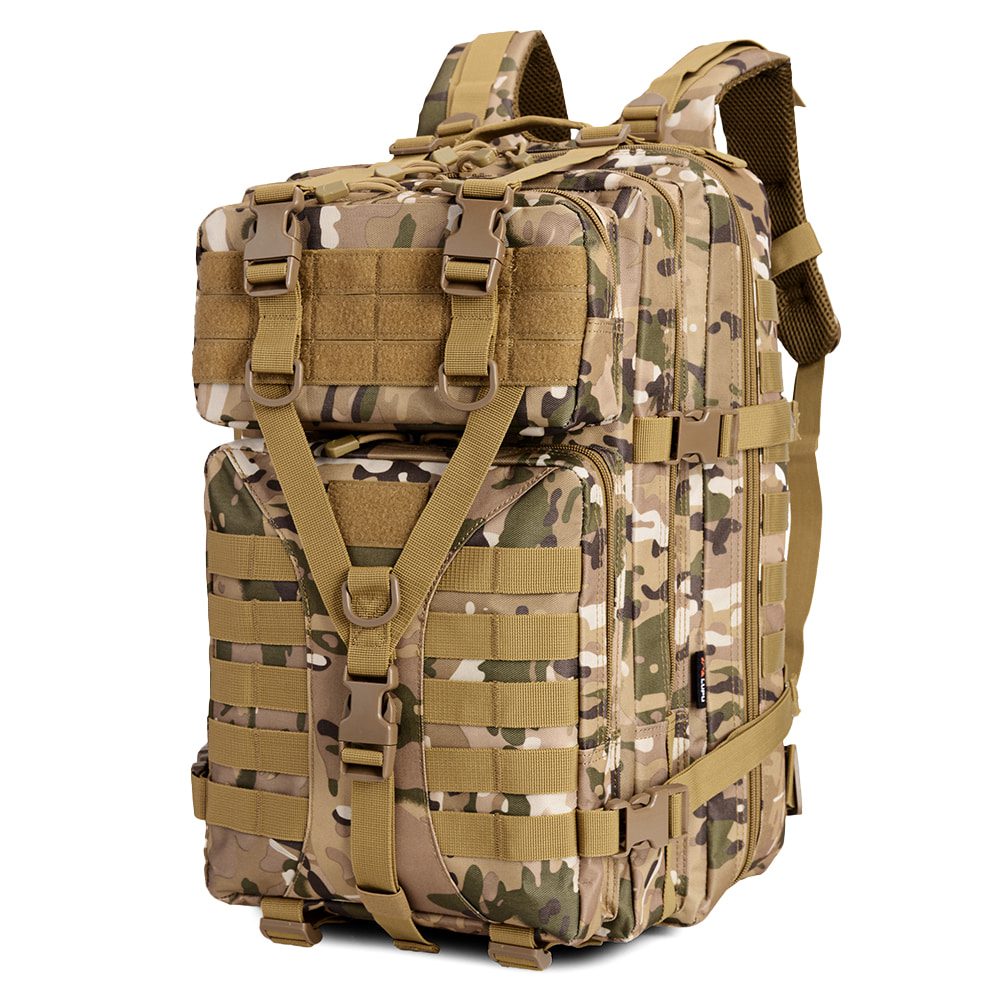
The MOLLE system is specifically designed to offer maximum modularity and customization, making it compatible with a wide range of other tactical gear. Its standardized webbing structure allows users to attach a variety of pouches, holsters, and accessories to backpacks, vests, belts, and other pieces of tactical equipment. This interoperability between different components of your loadout is one of the primary advantages of the MOLLE system.
MOLLE system compatibility can be assessed through several key factors:
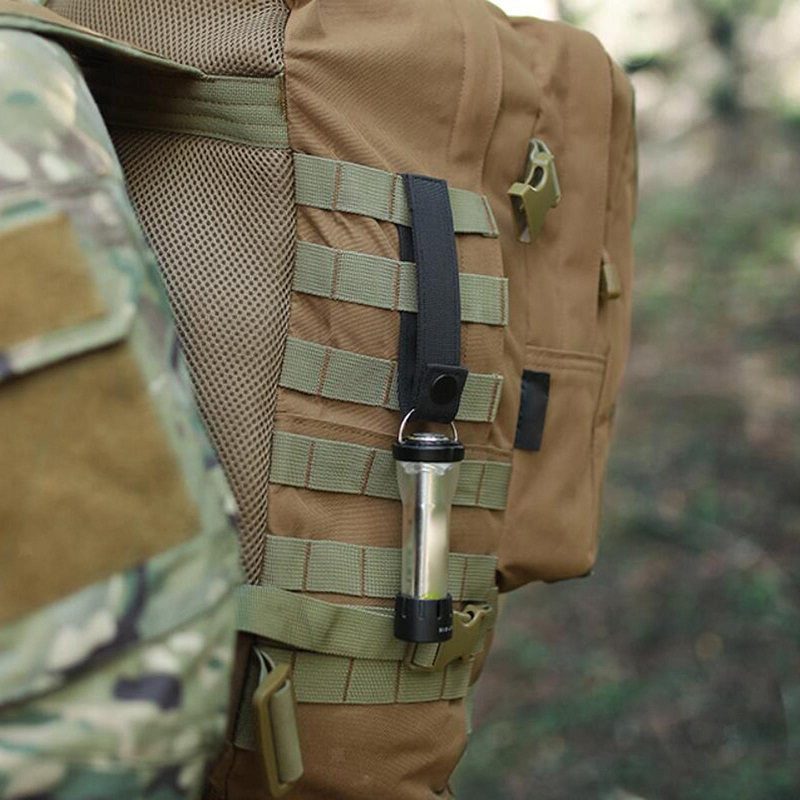
- Webbing Configuration:MOLLE system gear is based on a consistent webbing grid pattern, usually consisting of 1-inch webbing strips arranged in rows and columns. This allows any MOLLE-compatible accessory to attach securely to the webbing of a MOLLE vest, backpack, or belt using molle straps, clips, or hooks.
- Pouch and Accessory Fit:Most MOLLE-compatible accessories (e.g., pouches, holsters, mag carriers, hydration packs) are designed to fit within this standard webbing grid, ensuring that they can be securely attached and easily removed. When assessing compatibility, check that the molle loops on the accessories align with the webbing grid of the gear you're attaching them to.
- Backpack and Vest Integration:The MOLLE system is commonly integrated into backpacks, plate carriers, and tactical vests. These items often come with multiple rows of MOLLE webbing to support the attachment of modular components. For example, a MOLLE vest can accommodate pouches, hydration bladders, or communication devices, ensuring that gear can be organized and accessed quickly in a tactical situation.
- Types of Connections:MOLLE system gear can use different methods of attachment, such as straps, buckles, Velcro, or quick-release mechanisms. Straps and buckles are the most common and secure connection methods, but some manufacturers may offer quick-release MOLLE attachments for more dynamic or specialized environments. When checking for compatibility, ensure that the attachment method of the accessory is compatible with the webbing and attachment points on your gear.
How to Assess MOLLE Gear Compatibility with Vests, Backpacks, and Other Tactical Equipment
Check the Webbing Layout:
- Ensure that the MOLLE webbing on the gear (such as vests, backpacks, or belts) matches the standard grid spacing of the MOLLE accessories you're considering. The industry standard typically uses 1-inch horizontal webbing, with each row containing multiple loops. Look for gear with MOLLE webbing that supports this spacing for a secure fit.
Consider Load Distribution:
- When integrating MOLLE system gear, consider the distribution of weight. Overloading certain areas of your tactical vest or backpack could create an unbalanced load and cause strain on the attachment points. Ensure that the load-bearing components (such as pouches, hydration packs, and weapon holsters) are distributed evenly across your gear.
Attachment Mechanism Check:
- Assess the attachment mechanisms used in the MOLLE system. Some pouches or accessories may feature additional attachment features like Velcro strips for further security, especially in situations where quick access to gear is critical. Ensure that the attachment points on both your vest or pack and the accessory align, and that straps, buckles, or clips are securely fastened to avoid loosening during movement.
Modularity:
- MOLLE accessories are generally modular and designed to be flexible. Look for multi-functional pouches or components that can be attached not only to vests and backpacks but also to belt systems, hydration packs, or leg rigs. The system's modularity allows for custom configurations to meet specific mission needs or personal preferences.
4. Are there any size or design limitations that could affect compatibility with certain gear?
While the MOLLE system is widely regarded for its flexibility and versatility, there are a few size and design limitations that buyers and wholesalers should keep in mind when assessing compatibility.
Possible Size Constraints for Various MOLLE Gear Types
- Pouch Sizes:MOLLE system gear accessories come in a wide variety of sizes, but not all pouches or accessories are universally compatible with all gear. Small pouches designed for items like magazines, flashlights, or first aid kits will fit easily on most vests, but larger items such as hydration packs or heavy-duty utility pouches may require specific configurations of webbing space.
- Example:A large backpack with MOLLE webbing may have larger spacing between rows of webbing compared to a tactical vest with compact webbing. As such, a larger utility pouch that fits the backpack's wider spacing might not work well with the vest's tighter webbing.
- Attachment Space:The amount of webbing space available on your vest, belt, or backpack will impact how much MOLLE system gear you can attach. Larger items (e.g., radio pouches, hydration systems, or ammo carriers) may require more rows of webbing, so check the available attachment space before making your purchase.
- Weight and Load Capacity:Overloading a MOLLE system gear setup can cause issues with balance and stability. Vests and backpacks have a limited weight capacity based on the stitching and material used. Always ensure that the total weight of attached gear is manageable and does not exceed the recommended weight for your vest or pack.
Customization Options Available to Improve Compatibility
Many MOLLE system users seek to tailor their gear to meet specific needs by customizing the size and layout of their MOLLE system. Here are some options for improving compatibility:
- Modular Pouches:Some MOLLE pouches feature adjustable straps, allowing them to be secured tightly to a variety of gear. For example, pouches with Velcro or adjustable webbing straps can accommodate different thicknesses of webbing, enhancing compatibility across a broader range of gear.
- MOLLE Extenders:MOLLE webbing extenders can be used to add additional rows or columns of webbing to a tactical vest or backpack. This can provide more attachment points for larger accessories or additional pouches.
- Quick-release Straps:Some MOLLE gear systems offer quick-release straps or buckles for easy attachment and removal, allowing you to switch out accessories based on the environment or mission. These can enhance compatibility by offering flexibility in how and where items are mounted.
How Design Differences Can Impact the Modularity of MOLLE Gear
- Attachment Point Layout:The webbing layout on different tactical gear may vary slightly in spacing or orientation. For example, some backpacks or vests might have horizontal webbing, while others feature vertical webbing. This can impact how accessories like pouches, holsters, and hydration carriers attach to the gear.
- Proprietary MOLLE Systems:Some manufacturers develop proprietary MOLLE-compatible systems with unique webbing patterns or attachment methods. These systems are generally designed to work with that specific brand's gear but may not always be universally compatible with other MOLLE system gear. When buying accessories, it's important to confirm whether they are compatible with the specific brand or model you're using.
- Custom Tactical Gear Options:Some tactical gear manufacturers allow for customization of webbing patterns, attachment points, and size, which can lead to more tailored solutions for specific missions. This flexibility helps overcome design limitations and ensures that the MOLLE system can meet a wide variety of needs.
Section 3: Load-Bearing Capacity and Weight Management
5. What are the weight and load-bearing capabilities of MOLLE gear?
The MOLLE system is designed with modular functionality and load-bearing efficiency at its core. Whether you're carrying ammunition, medical supplies, or hydration systems, MOLLE system gear allows for the attachment of a variety of pouches and accessories, each contributing to the overall load. However, understanding the weight-bearing capabilities of MOLLE system gear is crucial to prevent overloading and to maintain comfort and performance during long periods of use.
Overview of MOLLE System Load-Bearing Features
The MOLLE system's modular design is primarily focused on distributing weight evenly across the body. Its key features include:
- Webbing Layout:MOLLE system gear uses horizontal webbing that spans across different components (such as backpacks, vests, and belts), allowing accessories to be securely attached in a balanced manner.
- Attachment Points:Each MOLLE webbing strip is designed to hold items such as pouches, holsters, and hydration systems. The strength of the webbing material—typically 1000D nylon or Cordura—ensures that the gear can handle heavy loads without tearing or breaking.
- Modularity:The modular nature of MOLLE allows users to customize the loadout based on their needs. Larger accessories like hydration packs or ammo carriers can be placed closer to the center of gravity (such as around the torso), while lighter items can be placed further from the body, optimizing load distribution.
How to Calculate the Weight Capacity of MOLLE Gear Based on Material Strength and Design
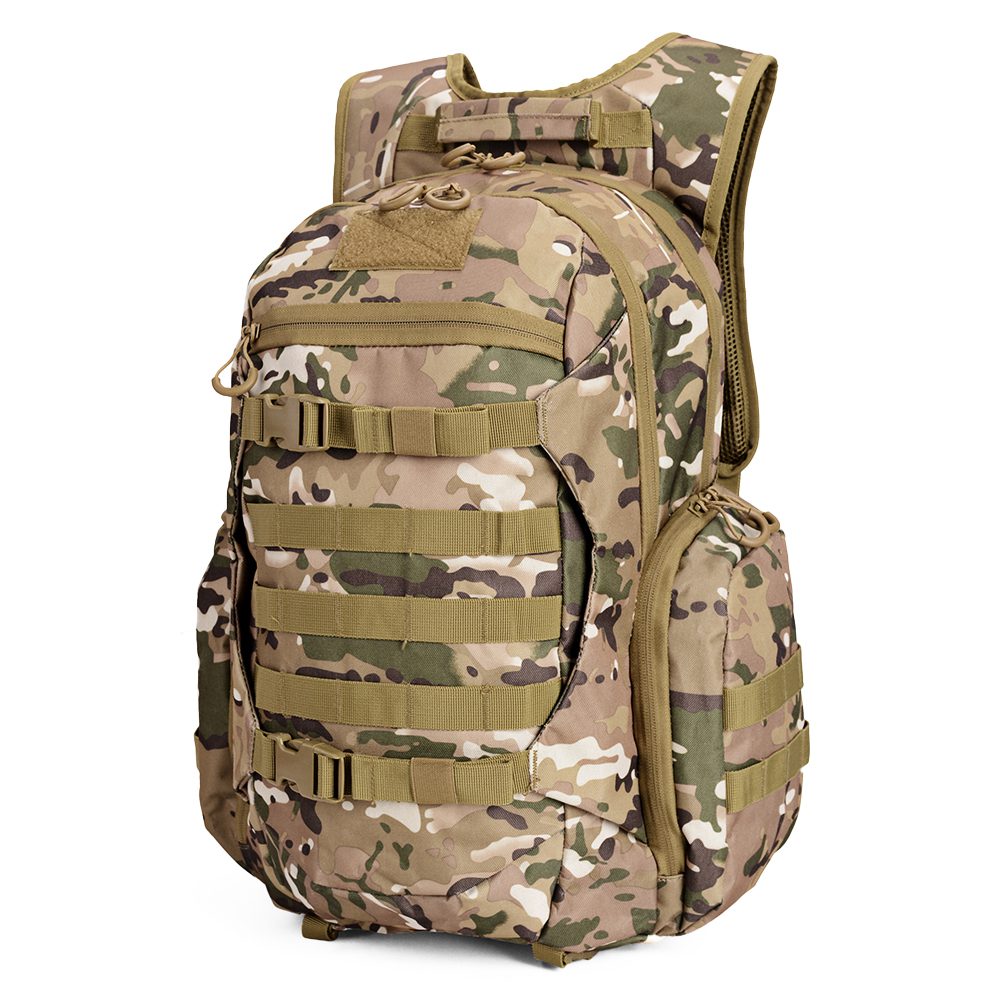
The weight capacity of MOLLE system gear depends on several factors, including the material and the construction of the gear itself:
- Material Strength:The strength of the webbing material—like 1000D nylon or Cordura—is crucial in determining how much weight MOLLE system gear can bear. Both materials are known for their high tensile strength, meaning they can withstand significant stress without breaking or tearing.
- 1000D Nylon:Typically, a MOLLE system made from 1000D nylon can handle moderate to heavy loads. The fabric can withstand high stress from heavier pouches, while remaining flexible enough for everyday use in military or tactical situations.
- Cordura-Gewebe:Cordura is even more durable, offering superior abrasion resistance and tear resistance. It's more suitable for extremely heavy loads or tactical environments where gear is subjected to constant movement or exposure to harsh conditions.
- Design and Reinforcement:The construction of MOLLE system gear often includes reinforced stitching, especially in the load-bearing areas where attachment points are located. Pouches and accessories designed for heavy-duty use (like weapon holsters or hydration packs) have reinforced stitching to prevent failure under load. Many high-end MOLLE vests and backpacks are also designed with extra webbing rows around critical areas to spread the load more evenly.
- Maximum Load Considerations:Although MOLLE system gear can typically carry between 10-40 pounds (4.5-18 kg) comfortably depending on the size and design, it is essential to account for the size of the gear, the number of attachments, and the type of material when determining the weight capacity. Always check the manufacturer's guidelines to avoid overloading.
Key Differences in Load-Bearing Between Different MOLLE Configurations
There are several different types of MOLLE configurations, each with unique load-bearing capacities:
- Backpacks:MOLLE backpacks are designed to carry larger loads and are typically rated for 30-40 pounds. The shoulder straps, hip belt, and back padding are usually designed to carry the majority of the weight, while the webbing allows you to add additional pouches or gear.
- Vests and Plate Carriers:MOLLE vests are designed for weight distribution around the torso. Typically, these systems are optimized for carrying up to 20-30 pounds of gear, including magazines, radios, and medical pouches. The suspension system (straps and waistbands) helps transfer the weight from the shoulders to the hips, ensuring comfort and stability.
- Belt Systems:MOLLE belts are designed to carry smaller, more concentrated loads such as handguns, knives, or grenade pouches. While they generally bear less weight (typically 10-15 pounds), they are effective at carrying essential gear in a more compact and accessible format.
- Hydration Systems and Accessories:Some MOLLE system gear includes integrated hydration systems that bear a significant load of water (typically 2-3 liters, or 5-7 pounds), but are designed with additional reinforcement to ensure stability during extended use.
6. How does the MOLLE system distribute weight across the body to ensure comfort during prolonged use?
One of the most significant advantages of the MOLLE system is its ergonomic design, which helps distribute weight efficiently across the body. This is particularly important during prolonged use in tactical environments or outdoor activities where the weight of the gear can cause fatigue and discomfort if not managed correctly.
The Ergonomics of MOLLE Gear: How It's Designed to Reduce Fatigue and Prevent Injury
The MOLLE system's ergonomics are engineered to optimize comfort while reducing fatigue and the risk of musculoskeletal injury during extended wear. Some key elements include:
- Weight Distribution:MOLLE vests, backpacks, and belts are designed with the idea that heavier loads should be concentrated near the center of the body (around the torso and hips), where the body's strength is greatest. Lighter items, such as small pouches or accessories, are typically carried further out to the sides or on the lower back, helping to maintain balance and stability during movement.
- Hip and Shoulder Support:MOLLE system gear typically includes adjustable straps on both the shoulders and hips to allow users to fine-tune the fit. This ensures that the weight is evenly distributed between the shoulders and hips. Vests with integrated waist belts transfer a portion of the weight from the shoulders to the hips, alleviating pressure on the upper body and helping to prevent shoulder strain.
- Padding and Ventilation:Many MOLLE gear systems are designed with padded shoulder straps and ventilated back panels to reduce pressure points and improve airflow. This helps prevent discomfort, especially during prolonged wear in hot or humid conditions.
- Sternum Straps and Load Lifters:Some MOLLE backpacks or plate carriers come with additional features like sternum straps (to stabilize the load on the chest) and load-lifter straps (to transfer weight from the shoulders to the back). These elements help keep the pack centered on the body, minimizing sway and chafing during movement.
Adjustable Straps and Padding for Optimized Weight Distribution
The key to MOLLE gear's comfort lies in the ability to adjust the load distribution. Most MOLLE setups include:
- Adjustable Shoulder Straps:These allow users to customize the height and fit of the vest or backpack, ensuring that the load sits at a comfortable position across the shoulders.
- Padded Waist and Hip Belts:For vests or packs that carry heavy loads, padded waist belts transfer a significant portion of the weight from the shoulders to the hips, providing greater stability and comfort.
- Chest and Sternum Straps:These straps provide additional support to prevent the load from shifting during movement. By securing the load across the chest, they also help reduce strain on the back.
Case Studies or Examples of How MOLLE Systems Are Used in Long-Duration Activities
- Militärische Operationen:In military environments, soldiers often carry upwards of 40 pounds of gear for extended periods, and MOLLE systems are designed to help distribute that weight efficiently. Soldiers rely on the MOLLE system to carry critical gear (weapons, ammo, medical kits) while maintaining mobility and comfort. The ergonomic design of MOLLE vests and backpacks helps prevent fatigue during long missions, especially in hot climates where sweating and dehydration can further complicate comfort.
- Hiking and Outdoor Expeditions:For hikers and outdoor enthusiasts, the MOLLE system can be customized to carry heavy gear, such as climbing equipment or camping supplies. The weight distribution of the MOLLE backpack system ensures that heavier items, such as water bladders or tents, are carried close to the center of gravity, reducing stress on the back and shoulders during long treks.
Section 4: Ease of Use: Attachment and Detachment
7. How easy is it to attach and detach MOLLE-compatible accessories?
One of the standout features of the MOLLE system is its flexibility and ease of use when it comes to attaching and detaching accessories. The system's primary purpose is to allow tactical professionals, military personnel, and outdoor enthusiasts to quickly and securely attach a variety of accessories to their gear, without the need for tools or complex procedures.
Overview of Attachment Methods: Traditional Webbing vs. Newer, Quicker-Release Systems
- Traditional Webbing:The original MOLLE attachment method is based on webbing strips that run horizontally across gear, typically in rows of 1-inch wide webbing. Accessories, such as pouches, hydration carriers, and medical kits, are attached by weaving their straps through the webbing and securing them with Velcro, clips, or buckles. This method is secure and stable, but can sometimes be more time-consuming when you need to add or remove gear quickly. In high-stress or dynamic environments, the traditional method can require more effort to adjust gear, especially when multiple layers of webbing are involved.
- Quicker-Release Systems:To address the need for faster access and attachment, some newer MOLLE system gear uses quicker-release systems. These systems typically utilize quick-release buckles, snap hooks, or Velcro flaps to allow users to detach accessories rapidly with a single motion. For instance, MOLLE-compatible pouches with quick-release buckles can be detached quickly without having to weave the straps through the webbing. This method is particularly useful in fast-moving tactical situations where users need to add or remove gear on the fly, or for individuals who need to transition between equipment quickly.
Key Features of High-Quality MOLLE Pouches
When evaluating MOLLE-compatible accessories, there are several features to look for in order to ensure ease of use and reliability:
- Secure Fastening:High-quality MOLLE pouches are equipped with secure fastening mechanisms, such as reinforced straps, heavy-duty buckles, or quick-release Velcro flaps. These fastenings ensure that gear stays firmly attached during movement, reducing the risk of items falling off or becoming unsecure.
- Quick-Release Buckles:Many MOLLE pouches now feature quick-release buckles that allow you to attach and detach gear rapidly. These buckles often have an integrated locking mechanism to prevent accidental detachment while still allowing for fast removal when necessary. Quick-release systems are often designed to be operated with one hand, making them ideal for tactical situations or environments where speed and efficiency are paramount.
- Modular Design:Many high-quality MOLLE accessories follow a modular design that enhances the flexibility of attachment and detachment. This allows you to customize the loadout, easily swapping out pouches for different operations or activities. The modular design is built to support both traditional webbing methods and quick-release systems, offering a hybrid approach to attachment.
User Feedback and Expert Reviews on Ease of Attachment/Detachment in Field Conditions
Feedback from military personnel and outdoor enthusiasts consistently highlights the ease of use that the MOLLE system provides. The modular design and secure attachment make it easy to reorganize and reconfigure gear on the move.
- Militärische Operationen:Experts note that the quick-release systems are especially useful in high-intensity environments, where soldiers may need to adjust their gear for mission-specific needs. In these situations, pouches and holsters need to be easily swapped out, and the MOLLE system's ease of detachment ensures that soldiers can do so without compromising the security of their equipment.
- Outdoor-Abenteuer:Hikers and adventurers often emphasize how the MOLLE system's user-friendly design allows them to expand or reduce their load based on the terrain or conditions. Quick-release MOLLE pouches for water bottles, tools, or first-aid kits enable quick adjustments, ensuring that essential gear is always within reach.
Overall, the combination of traditional webbing methods and quick-release systems offers significant advantages in terms of flexibility, efficiency, and user satisfaction.
8. How secure is the attachment, and is it likely to come loose during movement or in extreme conditions?
When it comes to the security of MOLLE attachments, the system is designed to be extremely reliable in all types of conditions, from high-speed tactical movements to extreme environmental stress.
Explanation of MOLLE Attachment Security Mechanisms
Several mechanisms within the MOLLE system ensure that gear stays firmly in place, even under intense physical conditions:
- Reinforced Stitching:The attachment points on high-quality MOLLE system gear often feature reinforced stitching. This ensures that the seams connecting the webbing to the main body of the gear are durable and can withstand repeated stress, such as pulling, pushing, or sudden movements. In high-quality MOLLE products, stitching is usually done with strong nylon thread to prevent failure under load.
- Bar-Tacking:This is a common technique used in MOLLE system gear manufacturing to ensure strength at critical stress points, such as where straps or webbing intersect. Bar-tacking involves sewing multiple stitches over a small section of the webbing to create a highly reinforced area. This is particularly important for areas that will bear the weight of attached accessories, such as holsters or mag pouches.
- Double-Layer Webbing:Many MOLLE accessories use double-layer webbing to enhance attachment strength. The two layers of fabric provide extra support, helping to prevent stretching or tearing under pressure. Double-layered webbing ensures that the attachment points remain intact, even during intensive movement or extreme weather conditions.
- Locking Clips and Velcro:Some MOLLE pouches utilize locking clips or Velcro straps to further secure items in place. Locking clips prevent accidental detachment, while Velcro flaps ensure that the pouch is tightly sealed and will not loosen, even when subjected to rough handling.
How MOLLE Systems Are Tested to Ensure Reliability in Various Tactical Conditions
MOLLE system gear undergoes rigorous testing to ensure its performance in various tactical and extreme conditions:
- Field Testing:Military and tactical manufacturers put MOLLE systems through field testing to assess their ability to handle dynamic movements, including running, climbing, and crawling. These tests often simulate real-world conditions, where gear is subjected to shock, friction, and abrasion.
- Environmental Testing:To assess how MOLLE system gear performs in harsh environments, manufacturers subject it to extreme heat, cold, and humidity. This ensures that the gear can withstand temperature fluctuations and the rigors of outdoor conditions, from desert environments to mountainous regions.
- Load-Bearing Tests:Testing also includes load-bearing capacity checks, where MOLLE system gear is subjected to weight stress tests to ensure that attachment points and stitching can handle the designated load without failing.
Real-World Examples of MOLLE Gear Failing or Succeeding in Harsh Environments
- Military Field Operations:MOLLE system gear has proven its reliability in combat zones and field operations. For example, soldiers in Iraq and Afghanistan report that their MOLLE-equipped vests and backpacks hold up well against the stresses of combat movement. The secure attachment of ammo pouches and medical kits ensures that soldiers have easy access to their essential equipment while under fire.
- Harsh Wilderness Conditions:In the outdoor world, hikers and climbers use MOLLE system gear in extreme wilderness conditions. Backpackers in Alaska's arctic have reported that their MOLLE packs and pouches maintain their integrity even in extreme cold, and the webbing and stitching hold up well despite prolonged exposure to moisture and abrasion from rough terrains.
Despite these examples of success, there are occasional reports of lesser-quality MOLLE system gear failing, particularly when exposed to poor stitching, low-quality materials, or improper usage (such as overloading pouches). However, these failures are often found in lower-end products, where manufacturing standards are not as stringent.
Section 5: Materials and Manufacturing Process
9. What is the manufacturing process and material quality of MOLLE gear?
The manufacturing process of MOLLE system gear is a highly detailed and precision-driven process that ensures each piece of equipment meets stringent performance and durability standards. Whether the MOLLE system gear is used in military, law enforcement, or outdoor environments, its materials and construction must be carefully considered to ensure maximum functionality and resilience.
Detailed Breakdown of the Production Process: Sourcing, Fabrication, and Assembly
- Sourcing:The first step in the production of MOLLE gear is the sourcing of raw materials. Leading manufacturers procure high-quality fabrics like 1000D nylon and Cordura, as well as heavy-duty zippers, fasteners, buckles, and straps. These materials are sourced from trusted suppliers who specialize in high-performance fabrics that meet the required specifications for durability, abrasion resistance, and environmental resilience.
- Fabrication:Once the materials are sourced, the next step is the fabrication of the various components. This involves cutting the raw fabric into precise patterns based on the design of the MOLLE system gear. Automated cutting machines are often used to ensure accuracy and consistency. Fabric pieces are then treated with specialized coatings to enhance properties like water resistance or UV protection. The fabrication also includes the creation of webbing strips and attachment points, which are an essential part of the MOLLE system.
- Assembly:After the individual components are fabricated, they are stitched, bonded, or welded together in an assembly process. This phase involves reinforced stitching, such as bar-tacking, to ensure that the MOLLE gear's attachment points can withstand significant strain. Quality manufacturers use industrial-strength sewing machines to stitch through multiple layers of fabric to ensure longevity and strength. In some cases, double-layered fabrics are used in high-stress areas for additional reinforcement. The final assembly step includes the attachment of accessories, straps, buckles, and zippers, and a final inspection for quality assurance before shipment.
The Impact of Material Selection on Overall Gear Performance
The materials chosen for MOLLE system gear significantly influence its performance in various conditions. The selection of fabric and components has a direct impact on durability, weight, comfort, and resistance to environmental factors like moisture, UV rays, and abrasion.
- Durability:Fabrics like 1000D nylon and Cordura are known for their toughness and long-lasting resilience. These fabrics can withstand extreme wear and tear, making them ideal for tactical gear that undergoes constant use. The choice of material also affects the tear resistance and abrasion resistance of the gear, especially in high-stress areas like straps, attachment points, and the base fabric.
- Gewicht:The weight of MOLLE system gear is often influenced by the type of material used. 1000D nylon, for example, is relatively light yet highly durable, making it an excellent choice for high-performance gear that needs to balance strength with carryability. On the other hand, Cordura can be slightly heavier but provides superior abrasion resistance, making it suitable for environments where rough handling and extreme conditions are common.
- Environmental Resistance:The choice of fabric affects the environmental resistance of the gear. MOLLE system gear made from Cordura or water-resistant nylon can be treated to resist moisture and UV rays, helping to prevent damage from exposure to rain, snow, or intense sunlight. These materials also help maintain the integrity of the gear when subjected to high humidity, preventing mold or mildew buildup.
Quality Assurance Measures Employed by Leading Manufacturers
Leading MOLLE manufacturers implement rigorous quality assurance processes to ensure that every product meets the highest standards of performance and durability. Key measures include:
- Material Testing:All raw materials undergo thorough testing for abrasion resistance, tear strength, and water resistance. Manufacturers also test fabrics for UV resistance to ensure that the gear won't degrade when exposed to sunlight over extended periods.
- Stress Testing:During the production process, MOLLE system gear is subjected to a series of stress tests to simulate real-world usage. These tests assess the load-bearing capacity of the gear, ensuring that the stitching, fastenings, and attachment points can withstand heavy loads and rough handling without failure.
- Field Testing: Many manufacturers conduct field tests where MOLLE system gear is used in actual tactical environments to evaluate its performance in terms of ease of use, load distribution, and comfort. Feedback from military, law enforcement, and outdoor professionals is used to fine-tune the product design.
- Inspection and Certification:Each piece of MOLLE gear undergoes final inspections to ensure that it meets all required specifications and industry standards. Some manufacturers also provide certification of their gear to verify that it complies with international standards for quality and safety.
10. Are the MOLLE-compatible products made from high-quality materials like 1000D nylon, Cordura, or other durable fabrics?
When it comes to MOLLE system gear, the choice of fabric plays a crucial role in determining the performance, durability, and longevity of the product. MOLLE system gear is typically made from high-quality fabrics that are designed to withstand harsh environments and heavy use.
Comparison of Different Fabric Types Used in MOLLE Gear
Several fabrics are commonly used in MOLLE system gear, each offering different strengths and benefits. Among the most popular choices are 1000D nylon and Cordura, both of which are known for their high strength and durability.
- 1000D Nylon:This is one of the most common materials used in MOLLE system gear. 1000D nylon is a durable, lightweight fabric that balances strength with flexibility. The “D” refers to denier, which measures the fiber's thickness. 1000D nylon is abrasion-resistant and water-resistant, making it an excellent choice for military vests, backpacks, and other tactical gear. It's known for its high tensile strength, meaning it can handle heavy loads without tearing. However, it is generally less resistant to UV degradation compared to Cordura.
- Cordura-Gewebe:Cordura is a brand of fabric that is particularly popular in tactical and outdoor gear due to its extreme durability and abrasion resistance. Made from nylon or polyester fibers, Cordura is known for being highly resistant to tears and abrasion, which is crucial for gear exposed to harsh environments. Cordura is typically heavier than 1000D nylon but offers superior long-term wear resistance, especially in rugged conditions like jungle, desert, or mountainous terrains. It also performs better in terms of UV resistance and moisture resistance.
- Polyester and Ripstop Fabrics:Some MOLLE system gear may also incorporate ripstop polyester, which offers lightweight properties while preventing the fabric from tearing or fraying. Though not as strong as 1000D nylon or Cordura, ripstop fabrics are used in low to moderate load-bearing pouches or accessories that do not need to withstand as much stress.
- Ballistic Nylon:Some higher-end MOLLE system gear may use ballistic nylon for additional strength and durability. This fabric is known for its high tensile strength and resistance to abrasion, making it suitable for gear that will be exposed to extreme use, such as bulletproof vests or high-stress tactical accessories.
Key Advantages of Materials Like 1000D Nylon and Cordura in Terms of Durability and Performance
1000D Nylon:
- Lightweight yet durable:Offers a good balance of weight and strength.
- Abrasion and water resistance:Suitable for gear that may be exposed to moisture or dirt.
- Affordable:While it doesn't have the same abrasion resistance as Cordura, it's a cost-effective option for MOLLE system gear.
Cordura:
- Superior abrasion resistance:Ideal for use in high-wear environments where gear will be exposed to rough conditions.
- UV and moisture resistance:Performs well in harsh environments, such as deserts or wet conditions.
- Longer lifespan:Though more expensive than 1000D nylon, Cordura's superior durability makes it a better long-term investment.
Understanding the Cost-Benefit Ratio of Premium Materials
When considering premium materials like Cordura or 1000D nylon, it's important to balance performance with cost. While Cordura offers superior durability, it often comes at a higher price point. However, for users who require high-performance gear that can withstand extreme environments, the investment in Cordura-based MOLLE system gear is justified. On the other hand, 1000D nylon offers a more affordable alternative, providing sufficient durability for most tactical applications without sacrificing much in terms of performance.
Ultimately, the choice of material depends on the intended use, budget, and the level of performance required. For heavy-duty use and extreme conditions, Cordura might be the better option, while 1000D nylon can serve as a cost-effective choice for most tactical operations. Both materials are highly regarded in the industry, offering a strong foundation for high-quality MOLLE system gear.
Section 6: Customization and Flexibility
11. What Customization Options Are Available with MOLLE Gear?
The MOLLE system is well-known for its modularity and flexibility, allowing users to customize their gear to fit personal preferences, mission-specific requirements, or organizational needs. This versatility extends not only to the attachments but also to the gear's aesthetic appearance and functional configurations.
Options for Custom Colors, Sizes, Logos, and Attachments
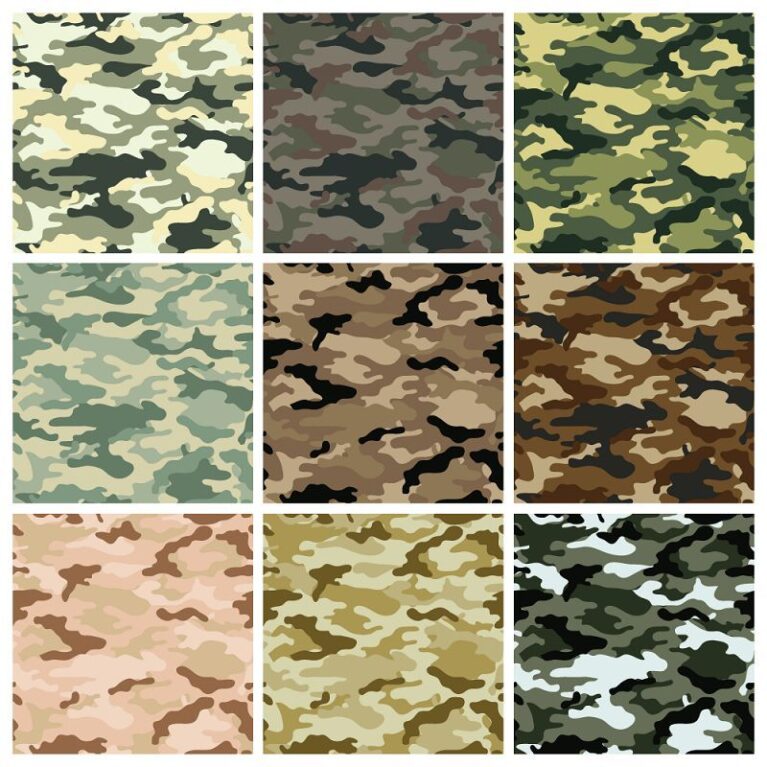
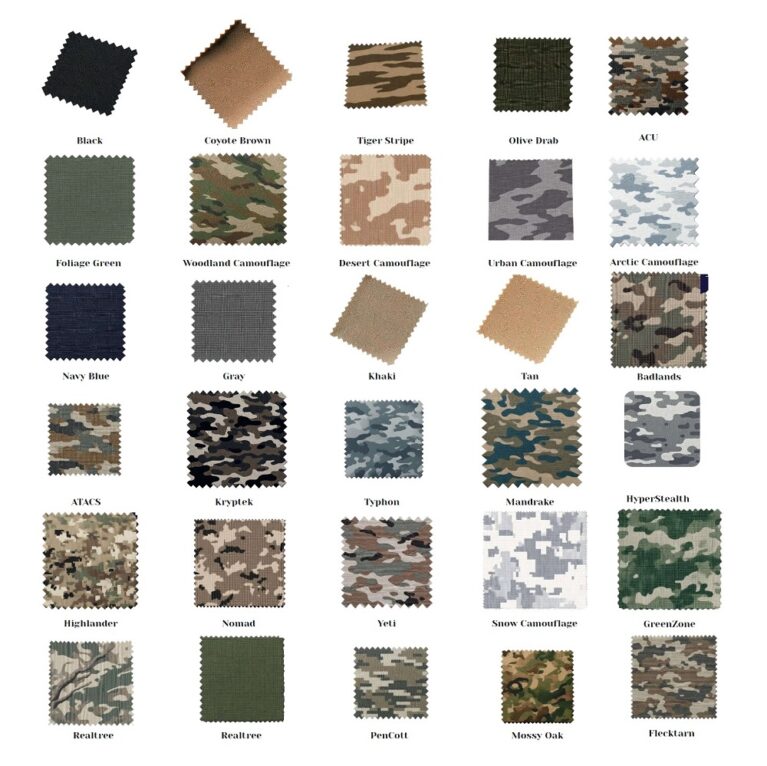
- Custom Colors:MOLLE system gear can be customized in a variety of colors and camouflage patterns to meet specific operational or environmental requirements. Whether you need urban camo, woodland, desert tan, or multicam, manufacturers can produce MOLLE system gear in nearly any color pattern. Military units, law enforcement agencies, and outdoor enthusiasts may select colors based on the terrain they operate in or the visual identification needs of their teams.
- Custom Sizes:MOLLE system gear is often available in a range of sizes to accommodate different types of gear. Buyers can choose from smaller pouches for compact items like first aid kits, to larger, modular backpacks for carrying heavy-duty equipment. Custom sizes can also accommodate specific tools, radios, or devices that require tailored compartments. Additionally, adjustable straps and expandable designs allow users to modify the fit according to their individual needs.
- Custom Logos:Many companies offer the option to incorporate custom logos or unit insignia onto MOLLE system gear. This is especially important for military, law enforcement, and corporate branding. Logos can be embroidered, stitched, or attached as patches, providing an opportunity for personalization and identification. For example, a military unit may wish to add its emblem to all of its pouches, while private security companies may want to ensure that their team members are easily identifiable.
- Custom Attachments:MOLLE system gear is inherently modular, allowing users to attach a variety of specialized pouches, holsters, and accessories to their system. Manufacturers often provide customizable attachment options such as quick-release buckles, hydration reservoirs, or radio pouches designed for specific equipment needs. Custom straps, carabiner clips, and webbing reinforcements can also be added to improve gear functionality based on the user's tactical or recreational requirements.
How MOLLE Gear Can Be Tailored for Specific Missions or Personal Preferences
Customization is essential for meeting the specific demands of different missions, whether military, law enforcement, or civilian use. For example:
- Military Missions:Military units often require gear designed for extreme combat situations. Custom MOLLE gear may feature multi-compartment backpacks to carry extra ammunition, weapons, and survival gear. They may also add quick-release systems for quick access to critical equipment or adjustable harnesses for comfort during long operations. Additionally, tactical pouches are designed to hold items like night vision goggles or satellite communication devices.
- Law Enforcement:Police officers and SWAT teams may require customized MOLLE vests and rigs for crowd control, search-and-rescue operations, or riot gear. Custom MOLLE systems allow the addition of flashlight pouches, handcuff carriers, and medical kits tailored to specific roles. Reflective strips or bright-colored patches may also be added for visibility during night operations.
- Outdoor Enthusiasts:For hikers, campers, or overlanders, MOLLE system gear can be customized to hold hydration bladders, snack pouches, first aid kits, or emergency gear. Many outdoor brands offer personalized attachments like compression straps to secure sleeping bags or modular tool kits for specific activities like rock climbing or backcountry skiing.
Ultimately, MOLLE's adaptability makes it an ideal choice for those who need personalized solutions based on specific mission requirements or user preferences.
12. Can Buyers Personalize MOLLE Accessories with Custom Colors, Logos, or Features?
Yes, one of the major advantages of MOLLE system gear is that it can be highly personalized in terms of aesthetics and functionality. Personalization enhances both identification and branding for various users, whether military personnel, law enforcement officers, or civilian adventurers.
Case Studies of Custom MOLLE Gear Used by Military, Law Enforcement, and Civilian Users
- Militärische Verwendung:The U.S. military often customizes MOLLE gear for specific units or missions. For example, soldiers in special forces units may request custom MOLLE vests that include specific pouches for grenades, ammo, or night vision equipment. Their gear may also feature unit insignia, patches, and name tags to ensure easy identification in the field. Some elite units even request custom camouflage patterns to provide optimal camouflage in their operational environments.
- Law Enforcement:Many law enforcement agencies, including SWAT teams, search-and-rescue units, and patrol officers, use custom MOLLE vests that are designed for their specialized needs. For example, a SWAT team might have MOLLE vests with custom pouches for breaching tools, flashbangs, and tear gas canisters, along with reflective markings for visibility. Additionally, these units often include their department logos for easy identification and branding purposes.
- Civilian Use:Outdoor enthusiasts, from hikers to preppers, also benefit from the ability to personalize MOLLE system gear. Many outdoor brands allow customers to choose custom sizes, colors, and even logos (for businesses or organizations). For instance, a company that organizes hiking expeditions may order custom MOLLE backpacks with their logo and special compartments for GPS devices, first aid kits, and hydration bladders.
Benefits of Customization for Branding, Identification, and Functionality
- Branding:For businesses that use MOLLE system gear, whether in security, search-and-rescue, or outdoor equipment, custom logos and color schemes can help create a uniform look across their team, fostering professionalism and improving team cohesion.
- Identification:In military and law enforcement settings, personalized MOLLE system gear helps differentiate personnel and ensures that items such as weapons, radio equipment, and first aid supplies are easily identifiable. Custom patches or name tags make it simple to track and assign gear to specific individuals, reducing confusion in high-pressure situations.
- Functionality:Customizing MOLLE gear allows for a tailored fit that enhances both comfort and effectiveness. Whether it's adjusting straps for better weight distribution or adding specialized pouches for a particular tool or accessory, customization ensures that MOLLE system gear functions as intended, maximizing both efficiency and convenience during use.
13. Are There Different Attachment Systems, Such as Standard MOLLE or Laser-Cut Versions, to Meet Specific Needs?
Yes, there are multiple attachment systems available for MOLLE gear, each designed to meet different functional needs or user preferences. The two most prominent versions are the traditional MOLLE system and the more recent laser-cut MOLLE designs.
Explanation of Traditional MOLLE vs. Modern Laser-Cut Designs
- Traditional MOLLE:The traditional MOLLE system uses webbing strips sewn onto the gear, typically in horizontal rows. Accessories are then attached to the webbing using straps that weave through the channels. This method is reliable, simple, and widely used across various industries. However, it can be somewhat bulky and may not always be as streamlined as newer designs.
- Laser-Cut MOLLE:The laser-cut version of the MOLLE system utilizes precision laser cutting to create slim, uniform slots in the fabric. This allows for reduced weight and a more sleek profile, without compromising the strength or modularity of the gear. Laser-cut designs often feature tight, clean cuts that reduce the overall fabric bulk while maintaining strong, durable connections for accessories.
Pros and Cons of Laser-Cut MOLLE Systems
Pros:
- Lightweight:Laser-cut MOLLE is often much lighter than traditional webbing, as it doesn't require the additional weight of webbing strips.
- More Streamlined:The clean, sleek appearance of laser-cut MOLLE is ideal for minimalist setups, providing a more aesthetic and functional design.
- Increased Durability:The precision of laser cutting provides tighter and more resistant attachment points, reducing wear on gear and improving long-term durability.
Cons:
- Higher Cost:The laser-cutting process can be more expensive than traditional webbing methods due to the specialized equipment and more precise labor involved.
- Potential Compatibility Issues:Some older MOLLE system gear or attachments may not align perfectly with laser-cut MOLLE slots, although most manufacturers are adapting their products to be compatible with both designs.
How to Choose Between These Systems Depending on Mission-Specific Needs
- Traditional MOLLEis ideal for heavy-duty applications that require versatility and proven reliability, especially in rugged or long-term operations.
- Laser-Cut MOLLEis a great choice for users who prioritize lightweight, low-profile, and minimalist designs, especially for specialized missions or for users seeking to reduce overall gear weight.
Ultimately, the choice depends on the specific mission, personal preference, and the type of equipment being carried.
Section 7: Industry Standards and Safety Compliance
14. How Do You Ensure the MOLLE System Meets Industry Standards?
Ensuring that MOLLE system gear meets industry standards is crucial for its performance, safety, and reliability. Whether the gear is intended for military, law enforcement, or civilian use, it must undergo rigorous testing and adhere to recognized standards. These standards are designed to ensure that the gear performs under extreme conditions, can withstand heavy loads, and maintains its functionality over time.
Overview of Safety, Performance, and Regulatory Standards MOLLE Gear Must Adhere To
MOLLE system gear must meet various safety, performance, and regulatory standards to ensure it provides the necessary functionality and durability in real-world situations. These standards vary depending on the intended use and the type of gear being produced but generally include:
- ISO (International Organization for Standardization):ISO standards define a set of global benchmarks for manufacturing processes, materials, and quality control. MOLLE gear manufacturers may adhere to ISO 9001 for quality management systems, which helps ensure that products are consistently produced to meet customer and regulatory requirements. Some manufacturers may also adhere to ISO 14001 for environmental management and ISO 17025 for testing and calibration.
- MIL-SPEC (Military Specifications):In military applications, MOLLE system gear must meet MIL-SPEC standards, which specify exact requirements for material strength, stitching durability, resistance to environmental factors, and overall design. For example, MIL-SPEC-810G addresses testing for environmental stress factors such as temperature extremes, humidity, and vibration. Other MIL-SPEC standards may govern the material composition of fabrics, such as ensuring that the nylon or Cordura used is highly resistant to wear and tear.
- NFPA (National Fire Protection Association):MOLLE system gear intended for use in firefighting or hazardous materials response must meet NFPA standards. These standards include guidelines for flame resistance, heat resistance, and chemical protection. MOLLE system gear used by firefighters, for example, needs to be designed to withstand high heat and offer effective protection in dangerous environments.
- ANSI (American National Standards Institute):ANSI standards are used in various industries to ensure safety, ergonomics, and performance. MOLLE system gear, particularly those used by civilian users or in outdoor activities, may need to meet ANSI guidelines for comfort, load distribution, and safety under stress.
Certifications and Testing Processes That Ensure MOLLE Gear is Safe and Reliable
MOLLE gear manufacturers employ rigorous testing processes and certifications to ensure that products meet the required safety and performance standards. These include:
- Material Testing:Fabrics like 1000D nylon and Cordura are subjected to detailed tests for abrasion resistance, tensile strength, tear strength, and moisture resistance. Testing procedures, such as the Martindale Abrasion Test, are used to simulate years of wear and tear in a short time, ensuring that the MOLLE system gear can withstand extended use in the field.
- Stress and Load Testing:MOLLE systems undergo stress testing to evaluate their ability to bear weight and distribute it effectively. For instance, load-bearing vests and backpacks are tested by adding significant weight and measuring their capacity to handle heavy loads without tearing or failing at attachment points.
- Environmental Testing:Many MOLLE products are tested to ensure they can endure extreme environmental conditions such as high humidity, extreme temperatures, and UV radiation. This testing ensures that MOLLE system gear does not lose its effectiveness or structural integrity when exposed to harsh climates or weather conditions.
- Real-World Field Testing:Manufacturers often conduct field tests with law enforcement, military, and other tactical teams to simulate real-life conditions. This includes assessing the gear's performance in urban, desert, jungle, or mountain environments, ensuring that it works effectively when subjected to physical stress and tactical operations.
Importance of Compliance with Military and Tactical Regulations
Compliance with military and tactical regulations is essential for ensuring that MOLLE system gear performs effectively under real-world operational demands. Gear used by military units, law enforcement, and special operations teams must adhere to strict quality assurance processes and be capable of withstanding the stressors and environmental challenges common in these fields. Adhering to military standards, such as MIL-SPEC or ISO, not only ensures that MOLLE system gear meets durability and safety expectations but also guarantees that it integrates seamlessly with other tactical equipment and meets mission requirements.
15. How Does the Product Comply with Safety and Regulatory Certifications?
To ensure that MOLLE system gear is safe, reliable, and effective in the field, it must undergo extensive testing and meet a variety of safety and regulatory certifications. These certifications act as proof that the gear meets both industry standards and safety protocols for use in military, law enforcement, and civilian operations.
Explanation of the Most Common Certifications (e.g., CE, NFPA)
- CE Marking (Conformité Européenne):For MOLLE system gear intended for use within the European Union, the CE marking indicates that the product meets all EU safety, health, and environmental protection requirements. This certification ensures that the product complies with European regulations related to safety and performance. While MOLLE system gear is not typically subject to CE marking in all cases, it may apply to certain products such as personal protective equipment or fire-resistant gear.
- NFPA (National Fire Protection Association):As mentioned earlier, MOLLE system gear used in firefighting or hazardous response industries must meet NFPA standards. The NFPA 1977 certification, for example, ensures that gear used by firefighters is fire-resistant, heat-resistant, and offers adequate protection when dealing with flames and extreme heat.
- ISO Certifications:Many manufacturers of MOLLE system gear hold ISO certifications, such as ISO 9001 for quality management, which guarantees that their manufacturing processes consistently produce high-quality products. ISO certifications indicate that manufacturers meet specific global standards for production quality, consistency, and testing, ensuring the gear is safe and effective for its intended use.
The Role of Third-Party Testing Organizations in Certifying MOLLE Gear
Third-party testing organizations play a critical role in certifying MOLLE system gear for safety and compliance with industry standards. These organizations conduct independent tests on materials, construction methods, and the overall performance of MOLLE system gear to verify that it meets the necessary specifications.
Common third-party testing organizations for MOLLE gear include:
- UL (Underwriters Laboratories):UL is an independent global safety certification organization that tests products for safety, durability, and environmental compliance. MOLLE system gear tested by UL ensures that it meets both performance standards and safety regulations.
- Intertek:A global leader in product testing and certification, Intertek tests MOLLE gear for abrasion resistance, UV stability, and fire resistance to ensure it complies with industry safety regulations.
- TÜV SÜD:TÜV SÜD is another respected third-party certification body that tests MOLLE system gear for structural integrity, environmental resistance, and safety compliance in military and tactical applications.
Understanding the Importance of Regulatory Compliance for Both Wholesalers and Buyers
For wholesalers and buyers, understanding and ensuring regulatory compliance is critical to ensure that the MOLLE system gear they are purchasing or selling meets all necessary safety and performance requirements. Buyers must verify that the MOLLE system gear they intend to use meets local regulations or industry standards, especially in military, law enforcement, and public safety applications. Non-compliance could result in subpar performance, safety hazards, or even legal liabilities.
For wholesalers, ensuring that the products they stock are certified and meet safety standards is essential for maintaining reputation and customer trust. Selling non-compliant gear can lead to product recalls, damaged reputations, and legal consequences. Therefore, wholesalers must source MOLLE system gear from manufacturers who are committed to compliance, regularly updated standards, and third-party testing to provide confidence to their customers.
In summary, compliance with industry standards and safety certifications is not just a legal requirement—it's an essential aspect of ensuring that MOLLE system gear performs as expected, provides reliable protection, and lasts under tactical and extreme conditions.
Section 8: Pricing, Bulk Orders, and Cost Considerations
16. What is the Cost of Purchasing MOLLE-Compatible Gear in Bulk?
Purchasing MOLLE-compatible gear in bulk can offer significant cost savings, but the exact pricing will depend on a variety of factors. These include the material quality, brand reputation, and the scale of the manufacturing process. Understanding these pricing dynamics is essential for both wholesalers and buyers looking to make an informed purchasing decision.
Factors Influencing MOLLE Gear Pricing
- Material Quality:The cost of MOLLE system gear is heavily influenced by the quality of materials used in its construction. Premium materials such as 1000D nylon, Cordura fabric, or Kevlar can drive the price higher due to their superior durability, abrasion resistance, and performance in harsh environments. For instance, Cordura and 1000D nylon are both well-known for their strength and longevity, making them more expensive than lower-grade materials. Gear made from these materials will generally last longer, offering better value over time, especially for tactical and military users who require rugged durability.
- Brand Reputation:Well-established brands with a strong reputation for reliability and performance tend to price their MOLLE system gear higher due to their track record of quality. Brands that are trusted by military units or law enforcement agencies, such as 5.11 Tactical, Condor, or Maxpedition, typically command premium prices. This is partly due to the consistent testing and high manufacturing standards that these companies adhere to. While the upfront cost may be higher, these products often come with a longer lifespan, robust customer support, and extensive warranties.
- Manufacturing Scale:The scale at which a manufacturer produces MOLLE system gear also plays a crucial role in pricing. Large-scale manufacturers who produce gear in high volumes often benefit from economies of scale, enabling them to offer more competitive pricing for bulk orders. On the other hand, smaller manufacturers with lower production volumes may charge more due to higher unit costs. Additionally, manufacturers who specialize in custom MOLLE gear or limited-edition products may charge premium prices for smaller runs or bespoke designs.
Pricing Structures for Bulk Purchases, Including Discounts and Volume Pricing
When purchasing MOLLE system gear in bulk, buyers typically have the opportunity to benefit from volume pricing or bulk discounts, which are designed to incentivize larger orders. Pricing structures can vary depending on the manufacturer, but here's a general idea of what to expect:
- Tiered Pricing:Many MOLLE system gear suppliers offer tiered pricing, where the price per unit decreases as the order quantity increases. For example, the cost of a single MOLLE pouch might be $30 for an order of 10 units, but only $25 per unit for an order of 100. This structure encourages buyers to place larger orders to secure lower prices.
- Minimum Order Quantities (MOQ):Some manufacturers set a minimum order quantity for bulk purchases, especially for custom or high-demand products. Typically, the MOQ can range from 50 units for standard gear to several hundred or more for custom designs. Understanding the MOQ is critical for wholesalers looking to secure large quantities of gear without over-committing to excessive inventory.
- Customized Bulk Orders:In some cases, buyers may request customization (e.g., colors, logos, or special features) for bulk orders, which may affect the overall cost. Custom logos and specific design modifications can add an extra cost per unit, but purchasing in bulk will still provide significant savings compared to buying individual units. Customization fees can vary depending on the complexity of the design and the quantity ordered.
17. Are There Bulk Discounts or Special Offers for Larger Purchases?
Yes, many manufacturers and distributors offer bulk discounts and special offers to encourage larger purchases. Wholesalers and businesses that regularly purchase MOLLE-compatible gear can take advantage of these offers to reduce costs and maximize profitability.
How Wholesalers and Buyers Can Take Advantage of Bulk Pricing
- Negotiating with Manufacturers:One of the most effective ways to secure a favorable price for bulk orders is by directly negotiating with the manufacturer or supplier. Many manufacturers are willing to offer discounts for bulk orders, especially if the buyer commits to a long-term relationship or places regular orders. Additionally, buyers can inquire about discounts for early payment, loyalty programs, or even seasonal sales.
- Leveraging Established Relationships:Long-term buyers or wholesalers who maintain established relationships with suppliers may have more leverage when negotiating prices. Suppliers may offer special pricing or exclusive deals to repeat customers, including priority ordering for customized or high-demand gear. Wholesalers may also benefit from free shipping or expedited processing for large bulk purchases.
- Seasonal Promotions and Discounts:Keep an eye out for seasonal promotions or special offers that many suppliers offer periodically. For instance, manufacturers may run discount campaigns during holiday seasons, Black Friday, or end-of-year sales. Buyers can also inquire about clearance sales for older inventory that is still in excellent condition but may no longer align with current product lines.
Negotiating with Manufacturers for Customized Deals on Large Orders
For wholesalers or businesses that require customized MOLLE gear (e.g., with logos, specific attachments, or custom colors), negotiating a customized deal is essential. Here are some key tips for successful negotiations:
- Know Your Volume:The larger the order, the more likely a manufacturer will be willing to offer deep discounts. It's important to estimate your purchasing volume accurately and present it as part of the negotiation. Bulk orders, particularly those of several hundred or thousand units, are more likely to yield significant discounts.
- Customization Requests:Clearly communicate your customization requirements upfront. Specify the desired colors, logos, attachments, or other modifications to ensure the supplier can provide accurate quotes. For larger customized orders, manufacturers may offer discounts based on the complexity of the custom work.
- Set Payment Terms:Negotiate favorable payment terms for large bulk purchases. Many manufacturers are willing to offer extended payment schedules for bulk orders, allowing buyers to pay in installments or with net terms (e.g., net 30, net 60). These terms provide more flexibility in managing cash flow.
- Request Exclusive Offers:For large-scale projects or long-term partnerships, buyers can request exclusive offers, such as early access to new products, priority shipping, or tailored customer service. These types of incentives can add value to the bulk order beyond just pricing.
Section 9: Production Time, Shipping, and Lead Times
18. What is the Lead Time for Bulk Orders?
The lead time for bulk orders of MOLLE system gear can vary significantly depending on several factors, such as the complexity of the order, quantity, and whether customization is required. Understanding the typical lead times and the elements that can affect them is crucial for buyers and wholesalers looking to plan their orders effectively and avoid delays.
Overview of Typical Lead Times for Custom MOLLE Gear Orders
For custom MOLLE gear orders, the lead time usually falls within the following ranges:
Standard Orders (Non-Customized):
- For bulk purchases of standard MOLLE system gear without customization (e.g., basic pouches, vests, backpacks), lead times can range from 2 to 6 weeks. This is because the gear is often produced in larger batches and may already be in stock or in the process of being manufactured.
Customized Orders:
- Custom MOLLE gear orders, which involve adjustments like logos, special attachments, or color variations, can take 4 to 8 weeks or longer, depending on the complexity of the customization and the volume of the order. This additional time accounts for the design phase, material sourcing, and production adjustments required to meet the buyer's specifications.
Large Orders or High-Volume Production:
- For larger orders, such as 1,000+ units, the lead time could extend to 8 to 12 weeks or more, particularly if the manufacturer needs to source special materials or adjust production lines to accommodate the high volume. Manufacturers often provide estimated timelines after the order is confirmed, factoring in both production and shipping.
Factors That Can Affect Production and Shipping Schedules
Several factors can influence the production and shipping schedules for MOLLE system gear, potentially causing delays or extending lead times. Understanding these factors can help buyers plan ahead and avoid disruptions in their supply chain.
Seasonal Demand:
- Certain times of the year, like the holiday season or during military procurement cycles, may experience higher-than-usual demand for MOLLE system gear. As a result, manufacturers may face backlogs or delays, particularly for popular items. Buyers who place orders during peak periods may experience extended lead times due to the increased volume of orders being processed.
Customization Requirements:
- Orders requiring custom features (such as embroidery, logo printing, or unique color schemes) can take longer to produce, as these modifications require additional time for design approval, production testing, and final assembly. The more intricate the customization (e.g., special fittings, unique fabric types), the longer the lead time.
Material Availability and Sourcing:
- The availability of specific materials, especially premium fabrics like Cordura, Kevlar, or 1000D nylon, can sometimes cause delays if the required materials are in short supply or if manufacturers rely on imported fabrics. Global supply chain disruptions, such as shipping delays or import restrictions, can affect the overall production timeline.
Production Capacity:
- Some manufacturers may operate on a limited production capacity, especially for highly specialized gear or smaller orders. In these cases, production schedules may need to be adjusted based on the availability of factory resources, labor, or machinery. Large orders or requests for custom designs can push the production timeline back due to limited capacity or additional setup requirements.
Shipping and Logistics Delays:
- Once production is complete, the shipping and logistics process may also impact the lead time. Shipping delays can arise due to factors such as port congestion, customs clearance issues, transportation bottlenecks, or weather-related disruptions. Buyers should work closely with manufacturers to track shipments and ensure timely delivery.
COVID-19 and Other Global Events:
- Pandemics or natural disasters (e.g., floods, earthquakes) can significantly disrupt production and shipping schedules. For example, during the COVID-19 pandemic, many manufacturers experienced delays in sourcing materials and manufacturing products due to factory closures and labor shortages. While these disruptions are less predictable, they highlight the importance of factoring in potential global disruptions when planning bulk orders.
How to Plan Ahead for Large Orders to Avoid Delays
To avoid delays and ensure that bulk MOLLE gear orders are delivered on time, buyers can follow these best practices:
Place Orders Early:
- Plan your purchases well in advance. If you know you'll need a large order or custom gear, aim to place the order several months ahead of the desired delivery date, especially during peak seasons. For custom designs, it's particularly important to allow extra time for the design approval process and to avoid delays caused by supply chain issues.
Confirm Lead Times Upfront:
- Always confirm the estimated lead time with the manufacturer before placing the order. Make sure to factor in any customization or potential material shortages that could extend the timeline. Some manufacturers may offer more accurate timelines based on their current production schedule, so don't hesitate to ask for updates.
Order in Smaller Batches:
- If possible, place orders in smaller batches rather than one large order. This can help reduce the pressure on production schedules and allow for quicker turnaround times on initial orders. You can then build up inventory over time, especially if you anticipate needing a consistent supply of gear.
Monitor Production and Shipping Progress:
- Stay in communication with the manufacturer throughout the production process to monitor progress and address any potential delays. Request updates on material availability, production milestones, and shipping status to ensure that your order is moving forward as expected.
Use Reliable Shipping Partners:
- Work with shipping companies that are reliable and have experience handling bulk orders of tactical gear. Ensure that shipping terms are clearly defined, including the delivery date, tracking details, and customs clearance. Having a trusted logistics partner can help ensure smooth delivery and avoid surprises in the shipping process.
Build Buffer Time into Your Schedule:
- Always allow for extra time when planning large orders. Things don't always go as planned, so it's wise to build in a buffer period between the expected delivery date and the actual need for the gear. This allows for any unforeseen delays, such as production hiccups or shipping issues, without jeopardizing your operations or inventory needs.
Section 10: Warranty, Returns, and Customer Service
19. Are There Warranty or Return Policies for MOLLE Gear?
When purchasing MOLLE system gear, understanding the warranty, return policies, and the customer service process is essential for ensuring a smooth purchasing experience. MOLLE system gear is often an investment in long-term durability and performance, so it's crucial to know what kind of protection you have in case something goes wrong. This section covers the warranty options, return procedures, and customer service practices typically offered by MOLLE gear manufacturers.
Warranty Options Available for MOLLE Products
Most reputable MOLLE system gear manufacturers offer warranties to guarantee the quality and durability of their products. The specifics of these warranties may vary by brand, but generally, they provide coverage for manufacturing defects and material failures under normal use. Here's what to expect:
Limited Lifetime Warranties:
- Many manufacturers offer a limited lifetime warranty on MOLLE system gear, meaning that the product is guaranteed to be free of defects in material or workmanship for the duration of its life under normal use. This type of warranty typically covers issues such as broken zippers, tears in the fabric, or failed stitching due to poor manufacturing quality. However, warranties do not typically cover damage caused by misuse, abuse, or wear and tear from extended use.
Specific Coverage for Defects:
- Warranties usually cover defects related to the materials used in the product. For instance, if a pouch's stitching unravels, or the webbing on a backpack starts to tear prematurely, these issues are typically covered. Zippers or buckles that malfunction due to poor construction are also generally included in the warranty coverage.
Exceptions and Exclusions:
- Most warranties will have specific exclusions, which may include damage caused by accidents, improper care, or failure to follow the manufacturer's care instructions. If a MOLLE product is exposed to harsh chemicals, extreme weather conditions (beyond what it was designed for), or excessive load, the warranty may be void. Additionally, damage from customization, such as adding personal logos or modifying the design, may not be covered under the warranty.
How MOLLE Gear Manufacturers Handle Product Returns and Exchanges
Return and exchange policies for MOLLE system gear are an important consideration, especially if the product does not meet your expectations, or if there are defects not covered by the warranty. Manufacturers typically have well-established processes for handling returns and exchanges, which can vary depending on the type of product and where it was purchased.
Return Period:
- Most MOLLE system gear suppliers offer a return window, typically ranging from 30 to 90 days, depending on the manufacturer. During this period, buyers can return items that are unused and in their original condition for a full refund or exchange. It's important to check the manufacturer's return policy before purchasing, especially if you're buying bulk items or customizing gear, as the return options for such purchases may be more limited.
Return Process:
- If a product needs to be returned, buyers typically need to contact the manufacturer or the retailer from which the item was purchased. Many companies will require proof of purchase, and customers may be asked to provide photographs of the defect or the issue they are experiencing. After assessment, the manufacturer will issue a return authorization and provide the buyer with instructions for shipping the product back.
Exchanges:
- If the gear doesn't fit, is damaged, or doesn't meet expectations, manufacturers often offer exchanges for an identical or similar item. In the case of defective products, exchanges are often processed with priority to replace the faulty item. The customer will need to pay for shipping costs if the return is not due to a defect.
Custom Orders and Returns:
- Custom-made MOLLE system gear, such as items with personalized colors, logos, or unique specifications, may not be eligible for return unless there is a clear manufacturing defect. Most manufacturers will only accept returns or exchanges on custom items if there is an issue with the production quality or if the product is not as described.
Understanding the Customer Service Process for Resolving Issues Post-Purchase
A reliable customer service system is crucial for resolving any issues that arise post-purchase. MOLLE system gear manufacturers with strong customer service policies will typically have dedicated support teams to assist with warranty claims, product defects, or general inquiries. Here's how the customer service process generally works:
Contacting Customer Support:
- Buyers should first reach out to the customer support team for guidance on how to resolve any issues with their MOLLE system gear. Manufacturers often provide a customer service hotline, email, or online chat for quick resolution. Many companies also offer self-service resources like FAQs, product manuals, and troubleshooting guides that can help buyers resolve common problems without having to contact support.
Product Defect Resolution:
- If the issue involves a defective product, the manufacturer will likely ask for photographic evidence of the defect and detailed descriptions of the problem. Some companies may also ask for the product to be returned for evaluation before offering a replacement or repair.
Return Authorization (RA):
- For returns, exchanges, or warranty claims, the customer service team will issue a Return Authorization (RA) number. This number is essential for processing returns, and the item will need to be shipped back using the manufacturer's preferred method of return. Some companies provide prepaid shipping labels for returns, while others may ask the buyer to cover shipping costs.
Repair or Replacement:
- If the product is covered under warranty, the manufacturer may offer to repair the item or send a replacement. In the case of repairs, the gear will typically be returned to the customer in like-new condition, with the defect addressed. If the gear is beyond repair or the damage is too significant, a replacement product will be sent at no extra cost.
Warranty Processing Time:
- The warranty and claims process can take anywhere from a few days to several weeks, depending on the manufacturer and the complexity of the issue. Some companies prioritize urgent claims (especially for military or tactical applications), while others may have a standard processing time.
Feedback and Resolution:
- After the issue is resolved, some manufacturers may ask customers to provide feedback on their experience, helping to improve customer service. This feedback loop ensures that any challenges encountered during the warranty or returns process are addressed and that customers receive timely and efficient service.
Section 11: Performance in Various Environments
20. How Does the MOLLE System Perform in Various Environments?
The MOLLE (Modular Lightweight Load-carrying Equipment) system is designed to be versatile, providing soldiers, tactical professionals, and outdoor enthusiasts with a flexible and adaptive solution for carrying gear across a variety of environments. However, the performance of MOLLE system gear can vary significantly based on terrain, weather conditions, and specific mission requirements. Understanding how MOLLE system gear holds up in different environments can help buyers and wholesalers make informed decisions about which gear is best suited for their needs.
Assessment of MOLLE Gear in Different Terrains
Urban Environments:
- In urban settings, MOLLE system gear needs to offer stealth, quick accessibility, and durability to withstand harsh environmental conditions like concrete surfaces, buildings, and crowded spaces. MOLLE system gear used in urban areas must be lightweight for mobility and quick adjustments, as well as resistant to abrasion caused by frequent contact with rough surfaces. For urban operations, pouches for communication devices, medical kits, and tactical tools should be easily accessible but also compact to avoid snagging or causing discomfort.
Example: Urban SWAT teams use MOLLE system gear for tactical operations, including mission-specific accessories like flashlight pouches and multi-tool holders, which are essential for quick access in dynamic urban situations. The modularity of MOLLE allows these operators to tailor their gear to their needs.
Wilderness (Mountainous/Forest) Environments:
- In wilderness environments, MOLLE system gear must be robust enough to endure rough terrain, unpredictable weather, and long durations of use. The weight distribution of MOLLE system gear plays a significant role in ensuring comfort, especially during extended hiking or trekking in mountainous or forested areas. MOLLE backpacks and hydration systems should be designed with ergonomics in mind, and pouches need to be weather-resistant and easily accessible while moving through dense vegetation or rugged landscapes.
Example: Hiking and survival enthusiasts often opt for MOLLE-compatible backpacks with modular attachment points to carry essential items like food, water, shelter, and tools in remote, wilderness environments. Durable materials like Cordura nylon ensure the gear holds up against abrasive surfaces like rocks or tree branches.
Desert Environments:
- In the desert, MOLLE system gear must be designed to withstand high temperatures, sand exposure, and dry conditions. Gear in these environments should be made from materials that resist UV damage, reduce heat retention, and protect against sand infiltration. Lightweight and breathable gear is essential to prevent overheating, while weatherproof pouches are critical for keeping sensitive gear safe from dust and moisture. Hydration packs are often integrated into MOLLE systems for quick access to water in arid conditions.
Example: Military units operating in the Middle East frequently use MOLLE systems with dustproof seals and heat-resistant materials for operations in desert conditions. A combination of lightweight backpacks, modular pouches for ammunition, and water-carrying solutions ensures the gear performs efficiently in extreme temperatures.
Jungle Environments:
- Jungle environments pose unique challenges, including high humidity, dense vegetation, and the potential for sudden rainfall. MOLLE system gear for use in jungles needs to be water-resistant, lightweight, and capable of enduring the constant threat of mold, mildew, and rot caused by moisture. The design should minimize weight while maximizing functionality to carry essential items like medical kits, machetes, and navigation tools.
Example: Tactical teams operating in tropical regions use MOLLE system gear that incorporates waterproof pouches and quick-drying fabrics to cope with the high humidity and heavy rainfall common in jungle environments. Jungle boots and lightweight, breathable MOLLE vests provide mobility while ensuring that the gear doesn't weigh down the operator during long-duration missions.
How to Evaluate MOLLE Gear's Adaptability for Different Missions or Activities
To properly evaluate MOLLE gear's performance across varied environments, buyers should consider the following key factors:
- Material Composition:The choice of materials (e.g., Cordura, 1000D nylon, polyester fabrics) influences the gear's ability to withstand wear and tear, exposure to UV rays, moisture, and rough surfaces. High-quality, weather-resistant fabrics are a must in harsh environments such as deserts, jungles, or areas with extreme temperatures.
- Modularity and Flexibility:MOLLE's primary strength lies in its modularity. When evaluating gear, consider whether it offers adjustable attachment points and removable pouches to adapt to the specific mission needs. A gear setup that can quickly change configurations depending on the environment is essential, whether you're navigating a dense urban area, trekking through mountainous terrain, or engaging in military operations.
- Weight Distribution and Comfort:In environments that demand long-term wear, like wilderness treks or desert operations, comfort is critical. Look for gear with ergonomically designed straps, adjustable belts, and ventilated padding that minimize fatigue during prolonged use. Features like sternum straps and hip belts can help improve weight distribution, making the MOLLE system gear more suitable for demanding tasks.
- Durability and Reinforcement:Assess whether the MOLLE system gear is reinforced at high-stress areas such as attachment points, zipper tracks, and strap junctions. Look for gear that is built to withstand abrasion, UV exposure, and water damage, especially when used in rugged environments like deserts or jungles.
21. Is the MOLLE System Versatile Enough for Use in Different Settings, Such as Urban Environments, Dense Forests, or Deserts?
Yes, the MOLLE system is designed with versatility in mind, making it adaptable for various environments, from urban to wilderness, desert, and jungle terrains. The modular nature of MOLLE system gear allows it to be tailored to the specific demands of each setting, ensuring that users can carry essential equipment efficiently, regardless of the challenges posed by their environment.
How MOLLE Gear Can Be Tailored for Specific Environmental Challenges
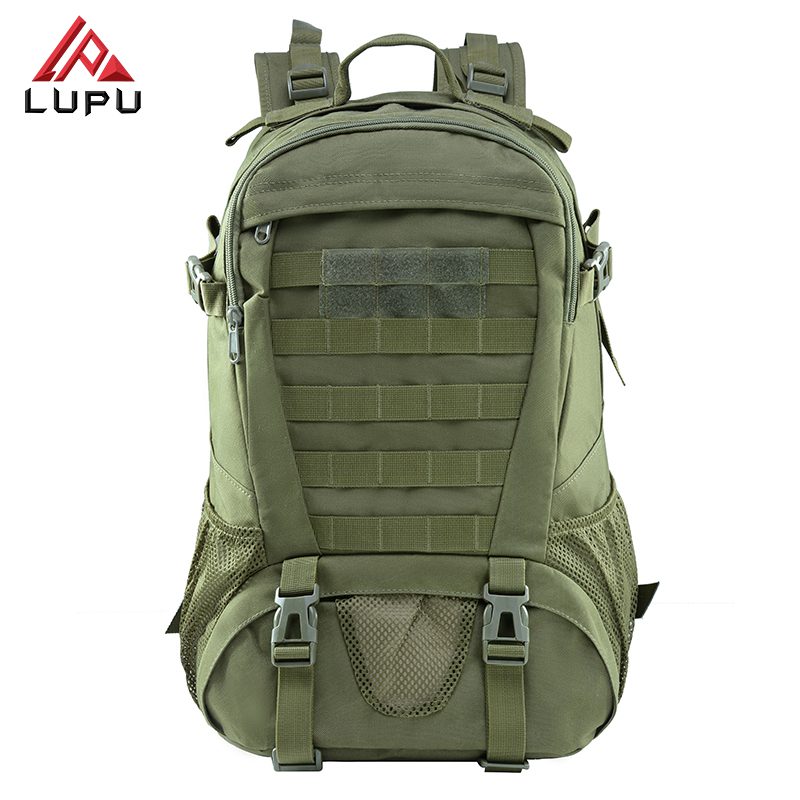
Urban Environments:
- Modular pouches can be rearranged for quick access to tactical tools such as flashlights, multi-tools, and communication devices. Discreet designs can also be chosen to blend into civilian settings while retaining functionality for quick tactical response.
Dense Forests or Wilderness:
- MOLLE system gear can be outfitted with hydration packs, hunting knives, and first aid kits for long expeditions. Modular backpacks or vests can be adjusted to fit extra layers or provide room for survival equipment like fire starters and shelter items.
Deserts:
- Gear designed for desert operations can include dustproof pouches, UV-protective fabrics, and evaporative cooling systems to prevent overheating. Pouches for water reservoirs and easy access to hydration systems are key for survival in extreme conditions.
Jungles:
- In dense jungles, MOLLE system gear can be configured to include mosquito netting, waterproof pouches, and machete holders. Quick-drying, breathable materials help reduce discomfort in humid conditions.
Success Stories from Tactical Teams Using MOLLE Systems in Diverse Environments
- Military Deployments in Desert Regions:Many military units operating in Middle Eastern deserts use MOLLE system gear equipped with dustproof seals and water-carrying systems. Their ability to modify the configuration of their gear for both combat and survival situations has been crucial for their success in extreme conditions.
- Search and Rescue Missions in Urban Areas:Urban search-and-rescue teams rely on MOLLE systems for modular and quick-access gear. The ability to reconfigure gear based on the mission—whether it's navigating tight spaces or carrying life-saving medical supplies—has enhanced their effectiveness in critical situations.
- Expeditionary Teams in Wilderness Environments:Wilderness expedition teams, such as those involved in high-altitude rescues or long-term survival training, often rely on MOLLE system gear to carry navigation tools, emergency kits, and shelter components in difficult, mountainous terrain. The modularity allows these teams to adapt gear to suit the terrain while maintaining access to essential tools.
Section 12: Maintenance and Care
22. What Maintenance Is Required for MOLLE Gear?
Proper maintenance is crucial to ensure the longevity and effectiveness of MOLLE system gear. This gear is designed for rugged use and tough environments, but regular care is necessary to keep it in optimal condition. Here's a breakdown of the best practices for cleaning, storing, and maintaining your MOLLE system gear:
Best Practices for Cleaning MOLLE Gear
- Spot Cleaning:For regular cleaning, spot cleaning is often sufficient. Use a mild detergent mixed with water and a soft brush to clean any dirt, grime, or stains on the fabric. Avoid harsh chemicals that could damage the fabric or stitching.
- Machine Washing:Some MOLLE system gear is machine washable, but always check the manufacturer's care instructions. Use a gentle cycle with cold water, and avoid using bleach or harsh detergents. Place smaller accessories like pouches in a laundry bag to protect the hardware and prevent tangling.
- Hand Washing:If the gear cannot be machine washed, hand wash it using lukewarm water and a mild soap. Scrub the fabric gently with a brush to remove dirt. For heavy stains, use an enzyme-based cleaner to break down organic stains like blood, oil, or food.
- Drying:After cleaning, allow the gear to air dry. Hang it up in a shaded area or lay it flat to dry naturally. Avoid placing MOLLE system gear in direct sunlight for extended periods, as it can fade the fabric and potentially weaken the fibers. Never use high-heat drying methods such as tumble drying, as this could damage the materials and stitching.
Best Practices for Storing MOLLE Gear
- Keep It Dry:Always store MOLLE system gear in a dry location to prevent moisture build-up, which can lead to mold or mildew growth. A well-ventilated storage area or a sealed, moisture-proof bag is ideal for long-term storage.
- Store in a Cool, Dark Place:Excessive heat and direct sunlight can degrade fabric fibers and cause UV damage. Store MOLLE system gear in a cool, dark environment to prevent wear caused by environmental exposure.
- Avoid Overloading:Store your MOLLE system gear without overloading it. Overstuffing a backpack or vest can cause strain on the stitching, webbing, and straps. When storing, remove excess gear to avoid stretching or deforming the gear.
Maintenance of Fabrics, Stitching, and Attachment Points
- Inspect for Wear:Regularly inspect the fabric for frays or tears, especially around high-stress areas like attachment points, zippers, and strap seams. Early detection of any damage allows for repairs before it gets worse.
- Check Stitching:Stitching is crucial for MOLLE gear's structural integrity. If you notice loose or fraying stitches, consider re-stitching the area to prevent it from unraveling. Pay close attention to areas that experience frequent strain, such as pouches and attachment points.
- Lubricate Zippers and Hardware:Zippers and metal components should be kept clean and lubricated. Use a silicone-based lubricant or wax for zippers to ensure smooth operation and prevent rust on metal parts. This is especially important in wet or humid conditions.
23. Are There Specific Care Instructions to Prevent Wear on the Attachment Points, Straps, or Hardware?
The attachment points, straps, and hardware on MOLLE system gear experience significant stress during use, especially in tactical and outdoor settings. To ensure that these high-stress areas last and function optimally, follow these step-by-step care instructions:
Preventing Wear on Attachment Points, Straps, and Hardware
- Avoid Overloading:One of the most common causes of wear on attachment points and straps is overloading. Avoid placing excessive weight on MOLLE system gear, as it can put undue strain on webbing, buckles, and velcro closures. Ensure that the gear is loaded evenly, and avoid carrying sharp or abrasive objects that could damage the fabric or hardware.
- Regular Inspection:Check the attachment points and straps for any signs of fraying or loose stitching. Pay particular attention to areas where the webbing is stitched onto the body of the gear. Any visible damage should be addressed immediately, as compromised attachment points could fail under load.
- Proper Use of Straps and Buckles:Avoid pulling or yanking on the straps or buckles, especially when tightening or loosening them. Excessive force can lead to stretched straps or damaged hardware. When not in use, loosen the straps to relieve tension on the buckles and attachments.
- Care for Velcro Closures:If your MOLLE system gear uses Velcro closures, keep the hook and loop areas clean to ensure a strong grip. Dirt or debris can reduce the effectiveness of Velcro, so brush out any buildup regularly. When possible, avoid exposing Velcro to fibers or lint, as this can clog the hooks.
- Clean and Lubricate Hardware:Metal hardware (such as buckles, rings, or D-rings) should be cleaned regularly to prevent rust, particularly if the gear is exposed to saltwater or high-humidity environments. Apply a light layer of silicone lubricant to prevent corrosion and ensure smooth function.
- Reinforce Weak Points:If you notice that an attachment point or strap has begun to loosen or fray, consider reinforcing it by sewing or adding extra reinforced stitching. This will help prevent further damage and improve the gear's load-bearing capacity.
Section 13: Expected Lifespan of MOLLE Gear
24. What is the Expected Lifespan of MOLLE Gear Under Normal Use?
The lifespan of MOLLE system gear can vary depending on several factors, including the materials used, frequency of use, and exposure to harsh conditions. On average, well-maintained MOLLE system gear can last anywhere from 5 to 10 years, but the expected lifespan can differ based on the following factors:
Factors Influencing the Longevity of MOLLE Products
- Material Quality:Higher-quality materials, such as 1000D nylon or Cordura, typically offer a longer lifespan due to their increased resistance to abrasion, UV damage, and environmental exposure. MOLLE system gear made with these fabrics is likely to last longer than gear made from lower-grade materials.
- Usage:The more frequently MOLLE system gear is used, the shorter its lifespan is likely to be. Daily use or exposure to harsh conditions (e.g., extreme temperatures, heavy loads, or constant friction) can cause wear and tear on the fabric and stitching more quickly.
- Environmental Exposure:MOLLE system gear exposed to extreme conditions, such as saltwater, deserts, or humid jungles, may deteriorate faster. The materials used in the gear's construction must be resistant to the particular environmental stresses to which they are exposed.
- Care and Maintenance:Proper care and maintenance can significantly extend the lifespan of MOLLE system gear. Regular cleaning, storage in dry conditions, and addressing any small issues before they become large problems can help gear last longer.
25. Are There Recommendations for Extending the Lifespan of MOLLE Accessories?
To maximize the lifespan of MOLLE accessories and Molle system gear, consider the following tips for increasing durability:
Tips for Increasing Durability
- Proper Storage: Always store MOLLE system gear in a dry and cool place to prevent mold or mildew. Use moisture-proof bags for storing gear for long periods and ensure that it's not exposed to direct sunlight or excessive heat.
- Avoid Overloading:Overloading MOLLE system gear can cause excessive strain on straps, webbing, and attachment points. Always pack gear according to the weight limits specified by the manufacturer to prevent unnecessary wear.
- Routine Inspections:Perform regular inspections to identify and address any damage early. Check for loose stitches, damaged zippers, or worn-out Velcro. Fixing small issues promptly will prevent further damage and extend the lifespan of your gear.
- Gentle Use:Avoid unnecessary rough handling, such as yanking or snagging the gear on rough surfaces. Treat your MOLLE system gear with care to avoid unnecessary stress on high-wear areas like straps and attachment points.
- Reinforce Stress Points:For high-stress areas such as attachment points, stitching, and straps, consider reinforcing them with extra stitching or patches if needed. This will add to the gear's durability and protect it from failure during use.
By following these tips, you can ensure that your MOLLE system gear continues to perform at a high level for many years, making it a valuable investment in tactical, outdoor, or military applications.
Schlussfolgerung
Summary of Key Takeaways for Buyers and Wholesalers Looking to Invest in MOLLE System Gear
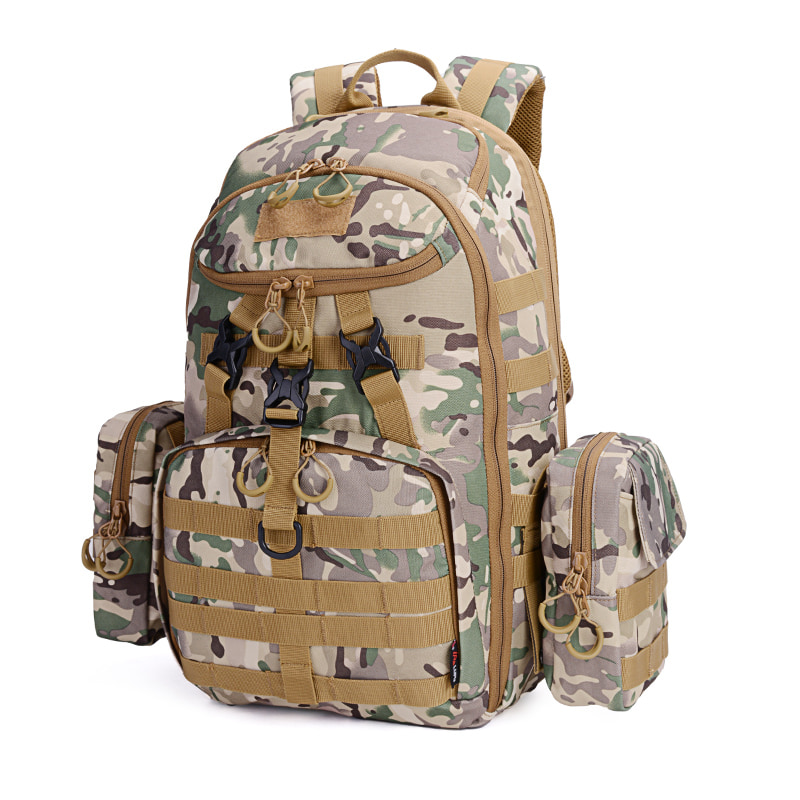
The MOLLE system offers unparalleled flexibility, modularity, and durability, making it a top choice for tactical professionals, military personnel, and outdoor enthusiasts alike. When investing in MOLLE system gear, it is essential to prioritize the following factors:
- Durability and Material Quality:Choosing MOLLE system gear made from high-quality materials like 1000D nylon and Cordura ensures long-lasting performance, even in demanding environments. The gear should be abrasion-resistant, waterproof, and UV-resistant to withstand various weather conditions and rough handling.
- Compatibility and Integration:MOLLE system gear should be compatible with your existing tactical equipment, whether it's a vest, backpack, or belt. Ensuring that your MOLLE system gear integrates seamlessly with other gear maximizes its functionality, especially during extended operations.
- Load-Bearing Capacity and Comfort:The weight and comfort features of MOLLE system gear, such as adjustable straps, padded belts, and ergonomic designs, are crucial for long-duration use. Ensuring that the system is capable of comfortably bearing the necessary load without causing strain is key to ensuring optimal performance.
- Customization and Flexibility:MOLLE's modularity is one of its biggest advantages. Look for gear that can be customized with additional pouches, attachments, and even colors or logos to fit specific mission needs or personal preferences.
- Industry Standards and Compliance:Always check for MOLLE system gear that adheres to safety, performance, and regulatory standards, especially if it is intended for military or law enforcement use. Compliance with standards ensures both reliability and safety during demanding operations.
- Long-Term Investment:While quality MOLLE system gear may come at a higher initial price, it's important to consider it as a long-term investment. Well-maintained gear can last for many years, offering superior performance and reliability over time, especially when chosen based on specific needs and conditions.
Final Advice on Choosing the Right MOLLE system Gear
When selecting MOLLE system gear, ensure that you carefully assess your specific needs and intended use. For tactical professionals and wholesalers, it's important to weigh the specific demands of each environment—whether it's urban, wilderness, desert, or jungle—and choose gear accordingly. Take into consideration your budget, performance requirements, and expected durability. If you're working in an environment with extreme conditions, prioritize gear designed to withstand those factors, whether that's moisture resistance, UV protection, or durability against abrasion.
Finally, when making a bulk purchase as a wholesaler, consider the manufacturer's reputation and quality assurance processes. Look for brands with clear warranties and customer support to ensure that you're making a purchase that will stand the test of time.
Encouragement to Consider Quality, Compatibility, and Long-Term Investment When Purchasing MOLLE Products
In conclusion, quality and compatibility are paramount when choosing MOLLE system gear. While it might be tempting to go for cheaper options, investing in high-quality MOLLE products that meet industry standards and perform well in diverse environments will ultimately save you money in the long run, reducing the need for replacements and repairs. Always remember, MOLLE system gear is not just about having functional equipment—it's about making an investment in reliability, comfort, and operational success.
Call to Action
Ready to choose your next MOLLE system gear? Browse our selection of high-quality MOLLE products today or reach out to the team of LUPU Hersteller taktischer Ausrüstung for expert advice on custom orders and bulk purchases.
Recommend Articles:
Top 50: Globale Liste taktischer Ausrüstungsmarken
Die 12 besten Hersteller von Rucksäcken in Großbritannien
Top 12 Military Combat Boots Manufacturers In The World