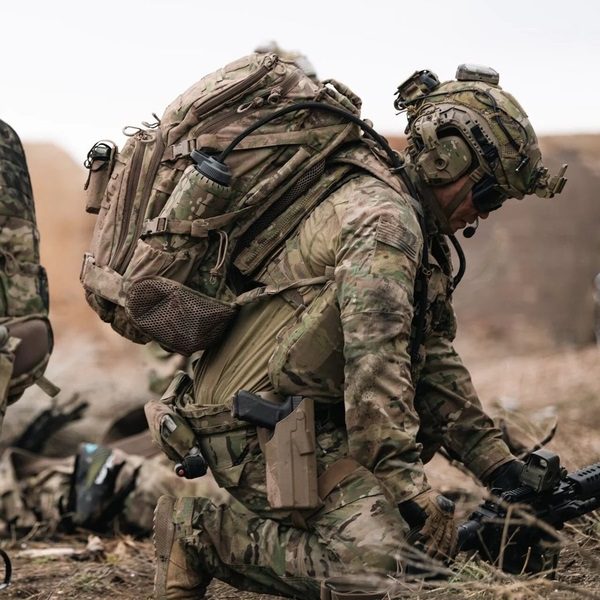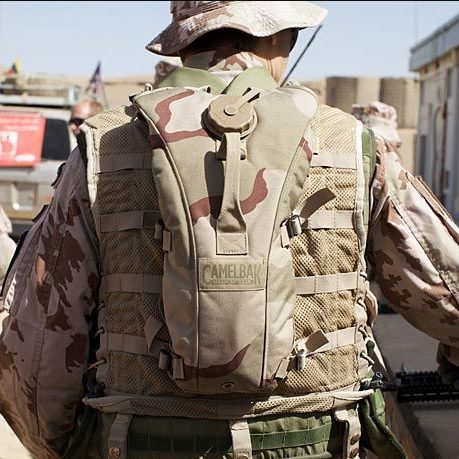
Choosing the right material is critical when selecting a military or tactical backpack. These backpacks are built to endure harsh environments, heavy loads, and constant wear. From field operations to outdoor adventures, material quality directly affects durability, water resistance, tear strength, and overall performance. Understanding what goes into a backpack ensures you invest in gear that can handle extreme conditions while keeping your equipment safe.
Modern military backpacks utilize a range of high-performance fabrics. Cordura nylon, ballistic-grade fabrics, and Oxford polyester are popular for their abrasion resistance and long-lasting durability. Advanced fibers like Kevlar and Dyneema provide lightweight strength and added protection, while PU and TPU coatings enhance water repellency and structural integrity. Each material has unique properties, and choosing the right one depends on the operational needs, load requirements, and environment.
In this guide, we break down 12 essential questions about military backpack materials. From fabric types and denier ratings to coating technologies and load-bearing capabilities, you’ll gain a clear understanding of what makes a backpack reliable and field-ready. Whether you’re a military professional, tactical enthusiast, or outdoor adventurer, these insights will help you make informed decisions, extend the life of your gear, and ensure it performs under demanding conditions.
What are military backpack materials?
Military backpack materials are the fabrics and textiles used to manufacture backpacks designed for military, tactical, or heavy-duty outdoor use. These materials are chosen for their durability, strength, resistance to abrasion, water resistance, and sometimes even ballistic or cut resistance.
Common Characteristics
- High tensile strength to carry heavy loads
- Tear and abrasion resistance for rough environments
- Water-resistant or waterproof coatings
- Lightweight yet strong
- Sometimes fire-retardant or UV-resistant
What types of materials are used for military backpacks?
Military backpacks are made from materials specifically selected for strength, durability, and functionality to withstand harsh environments and heavy use. Here's a professional breakdown of the types of materials commonly used:
- Nylon Fabrics
- Cordura Nylon(500D-1000D):High abrasion resistance, tear-resistant, durable; the most common military backpack materials.
- Ballistic Nylon (1050D):Extra-thick and extremely durable, originally used for protective gear.
- Regular Nylon (210D–900D):Lightweight, suitable for medium-duty backpacks.
Pros: Strong, flexible, wear-resistant.
Cons: Can be prone to UV degradation if not coated.
- Polyester Fabrics
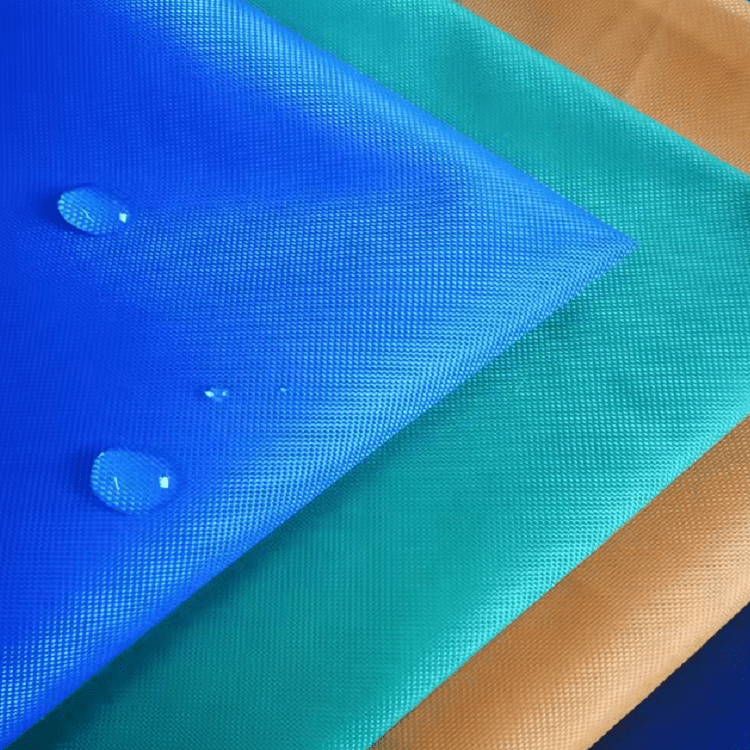
- Oxford Polyester (300D–900D):Durable, cost-effective, often PU-coated for water resistance.
- Coated Polyester (PU/TPU):Adds waterproofing and abrasion resistance.
Pros: UV-resistant, stiff and holds shape well, cheaper than nylon.
Cons: Slightly less abrasion-resistant and flexible compared to nylon.
- High-Performance Fibers
- Kevlar / Aramid Fiber:Extremely strong, cut- and bullet-resistant; used in tactical or protective backpacks.
- Dyneema / UHMWPE:Ultra-high-strength, extremely lightweight, tear-resistant.
Pros: Exceptional strength-to-weight ratio, ideal for heavy-duty tactical or military applications.
Cons: Expensive, sometimes less flexible.
- Coatings
- PU (Polyurethane) / TPU (Thermoplastic Polyurethane):Applied to nylon or polyester fabrics to make them water-resistant or waterproof.
- Other treatments:Anti-UV, flame retardant, or anti-mold coatings.
Summary Table:
|
Material |
Common Specs |
Key Features |
Typical Use |
|
Cordura Nylon |
500D–1000D |
Abrasion-resistant, durable |
Tactical & military backpacks |
|
Ballistic Nylon |
1050D |
Very tough, tear-resistant |
Heavy-duty military packs |
|
Polyester Oxford |
300D–900D |
Cost-effective, holds shape |
Training or light-duty packs |
|
PU/TPU Coated Fabrics |
Varies |
Waterproof, extra durability |
Outdoor, tactical backpacks |
|
Kevlar / Aramid |
Fiber-based |
Cut- & bullet-resistant |
Specialized tactical packs |
|
Dyneema / UHMWPE |
Fiber-based |
Ultra-lightweight, extremely strong |
High-end tactical / military backpacks |
Which materials are commonly used for military backpacks?
Common materials used for military backpacks are selected for durability, abrasion resistance, water resistance, and load-bearing capability. Here's a detailed breakdown:
- Nylon Fabrics
- Cordura Nylon (500D–1000D):Extremely durable, highly abrasion- and tear-resistant. The most widely used material for tactical and military backpacks.
- Ballistic Nylon (1050D):Very thick and robust, originally developed for military applications.
- Regular Nylon (210D–900D):Lighter than Cordura; used in medium-duty packs.
Why used: Strong, long-lasting, can handle heavy gear.
- Polyester Fabrics
- Polyester Oxford (300D–900D):Durable, affordable, holds shape well. Often coated with PU for water resistance.
- PU/TPU Coated Polyester:Adds waterproofing and extra durability.
Why used: UV-resistant, cost-effective, stiff and sturdy for daily or training backpacks.
- High-Performance Fibers
- Kevlar / Aramid Fiber:Extremely strong, cut- and bullet-resistant. Used for tactical packs requiring extra protection.
- Dyneema / UHMWPE:Ultra-lightweight, very strong, tear-resistant. Used in high-end military backpacks.
Why used: Exceptional strength-to-weight ratio for specialized missions.
- Coatings and Treatments
- PU (Polyurethane) / TPU (Thermoplastic Polyurethane):Applied to nylon or polyester to improve waterproofing and abrasion resistance.
- Other Treatments:Anti-UV, anti-mold, flame retardant coatings for harsh environments.
What are the differences between various military backpack materials?
Here's a detailed comparison of the differences between various military backpack materials, focusing on durability, weight, water resistance, and typical use:
1. Nylon (Cordura, Ballistic, Regular)
|
Type |
Durability |
Weight |
Water Resistance |
Typical Use |
|
Cordura Nylon (500D–1000D) |
High abrasion and tear resistance |
Medium |
Usually PU/TPU coated for waterproofing |
Standard tactical and military backpacks |
|
Ballistic Nylon (1050D) |
Extremely tough, highly abrasion-resistant |
Heavy |
Often PU coated |
Heavy-duty packs for rugged use |
|
Regular Nylon (210D–900D) |
Moderate durability |
Light |
Usually PU coated for water resistance |
Medium-duty packs, training or outdoor backpacks |
Key Difference: Higher denier Cordura and ballistic nylon are stronger and more durable, but heavier. Lower denier nylon is lighter but less abrasion-resistant.
2. Polyester (Oxford, Coated)
|
Type |
Durability |
Weight |
Water Resistance |
Typical Use |
|
Oxford Polyester (300D–900D) |
Moderate |
Medium |
PU coated for water resistance |
Training packs, lighter tactical backpacks |
|
PU/TPU Coated Polyester |
Higher than uncoated polyester |
Medium |
Waterproof and abrasion-resistant |
Outdoor, tactical, or military packs needing water protection |
Key Difference: Polyester is cheaper and UV-resistant but generally less durable than nylon; coatings improve water resistance.
3. High-Performance Fibers
|
Type |
Durability |
Weight |
Water Resistance |
Typical Use |
|
Kevlar / Aramid Fiber |
Extremely high, cut- and bullet-resistant |
Medium |
Needs coating for water |
Specialized tactical or protective backpacks |
|
Dyneema / UHMWPE |
Ultra-high tensile strength, tear-resistant |
Very light |
Requires coating for water |
High-end lightweight tactical backpacks |
Key Difference: These fibers excel at strength-to-weight ratio and protective functions, but cost is much higher.
4. Coatings and Treatments
- PU/TPU coatings: Make nylon or polyester waterproof and more abrasion-resistant.
- UV-resistant treatments: Prevent color fading and degradation.
- Flame retardant or anti-mold treatments: For specialized military use.
Summary of Differences
|
Feature |
Nylon (Cordura) |
Polyester (Oxford) |
Kevlar / Dyneema |
|
Strength |
Very high |
Medium |
Extremely high |
|
Abrasion resistance |
Very high |
Medium |
High |
|
Weight |
Medium |
Medium-light |
Low (Dyneema) / Medium (Kevlar) |
|
Waterproof |
Needs coating |
Needs coating |
Needs coating |
|
Cost |
Medium |
Low |
High |
|
Typical Use |
Tactical, military, heavy-duty packs |
Training, daily use, light tactical packs |
Specialized tactical/protective packs |
Key Takeaways:
- Nylon (Cordura)→ Best balance of durability, water resistance, and cost.
- Polyester (Oxford)→ Cheaper, UV-resistant, moderate durability.
- Kevlar / Dyneema→ Specialized, high strength, ultra-light or protective, expensive.
- Coatings→ Essential for waterproofing and enhancing material life.
What are the specifications for military backpack materials?
Here's a professional overview of the specifications for military backpack materials, covering the key metrics used to evaluate and choose fabrics for tactical and military backpacks:
1. Denier (D) – Fabric Strength
Definition: Denier measures the thickness of the fiber used in the fabric. Higher denier means stronger, thicker, and more durable material.
Common Military Backpack Deniers:
- Cordura Nylon:500D, 700D, 1000D, 1050D
- Polyester Oxford:300D, 600D, 900D
- Ballistic Nylon:1050D
Higher denier materials are heavier but more abrasion- and tear-resistant.
2. Fabric Thickness
Typically measured in millimeters (mm):
- Standard military backpack fabrics: 0.35–8 mm
- Heavy-duty or ballistic backpacks: >1 mm
3. Weight / GSM (Grams per Square Meter)
Definition: Fabric weight indicates density and durability.
Common ranges:
- Light duty (210D–500D nylon):150–250 g/m²
- Medium duty (600D–900D):250–400 g/m²
- Heavy-duty (1000D+ ballistic nylon or Kevlar):>400 g/m²
4. Coatings / Finish
- PU (Polyurethane) Coating:Adds water resistance and durability
- TPU (Thermoplastic Polyurethane):Waterproof, tear-resistant, flexible
- Other Treatments: UV protection, anti-mold, flame retardant
Coatings also affect flexibility, weight, and breathability.
5. Water Resistance
Measured in water column / mm H₂O:
- Standard PU-coated fabrics: 1000–3000 mm H₂O
- TPU-coated fabrics: 3000–5000 mm H₂O
Higher numbers indicate better waterproof performance.
6. Abrasion and Tear Resistance
Abrasion resistance: Measured in Martindale cycles or rubbing tests
- Cordura nylon:>50,000 cycles
Tear resistance: Measured in Newtons (N) or pounds-force (lbf)
- 1000D Cordura:typically >250 N
7. Color / Camouflage Options
- Standard military colors:Black, Olive Green, Coyote Brown, Tan
- Camouflage patterns: ACU, MARPAT, Multicam, Woodland
- Colorfastness:Must resist UV fading during outdoor exposure
8. High-Performance Materials
- Kevlar / Aramid:Extremely strong, cut- and bullet-resistant fibers
- Dyneema / UHMWPE:Ultra-high tensile strength, lightweight, tear-resistant
Summary Table: Military Backpack Materials Specs
|
Property |
Typical Range / Material |
|
Denier |
300D–1050D (Nylon / Polyester) |
|
Thickness |
0.35–1+ mm |
|
Weight / GSM |
150–400+ g/m² |
|
Coating |
PU / TPU / Anti-UV / Flame retardant |
|
Water Resistance |
1000–5000 mm H₂O |
|
Abrasion Resistance |
50,000+ Martindale cycles (Cordura) |
|
Tear Resistance |
200–300+ N (Cordura 1000D) |
|
Color |
Black, Olive, Tan, Camouflage |
Key Takeaway:
Military backpack materials are specified based on denier, thickness, weight, coatings, water resistance, abrasion/tear resistance, and color. The choice depends on whether the backpack is tactical, heavy-duty, lightweight, or specialized (Kevlar/Dyneema).
What colors are available for military backpack materials?
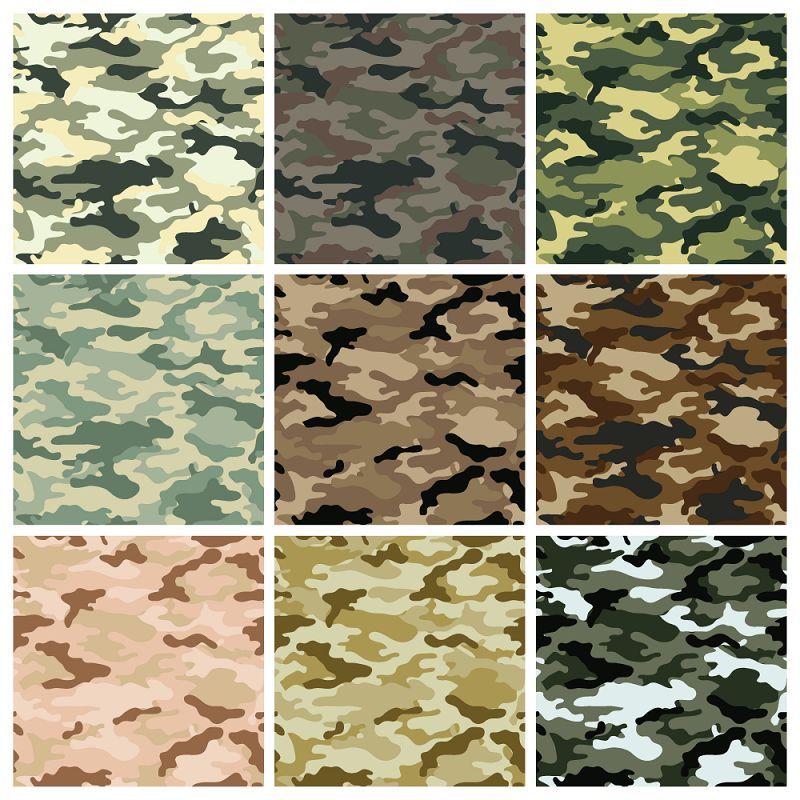
Military backpack materials come in colors designed for tactical, camouflage, and operational purposes. Here's a professional overview:
1. Standard Solid Colors
- Black:Universal, low-visibility in urban or night operations
- Olive Drab / Army Green:Most common military color, blends with forests and fields
- Coyote / Tan / Khaki:Desert and arid terrain operations
- Navy Blue / Dark Grey:Sometimes used for police, law enforcement, or maritime operations
2. Camouflage Patterns
Military backpacks often use printed or woven camouflage to match the environment:
- Woodland Camouflage:Green, brown, black – forested environments
- ACU (Army Combat Uniform):Grey-green digital camo for modern military
- MARPAT:Digital woodland or desert camo, used by US Marines
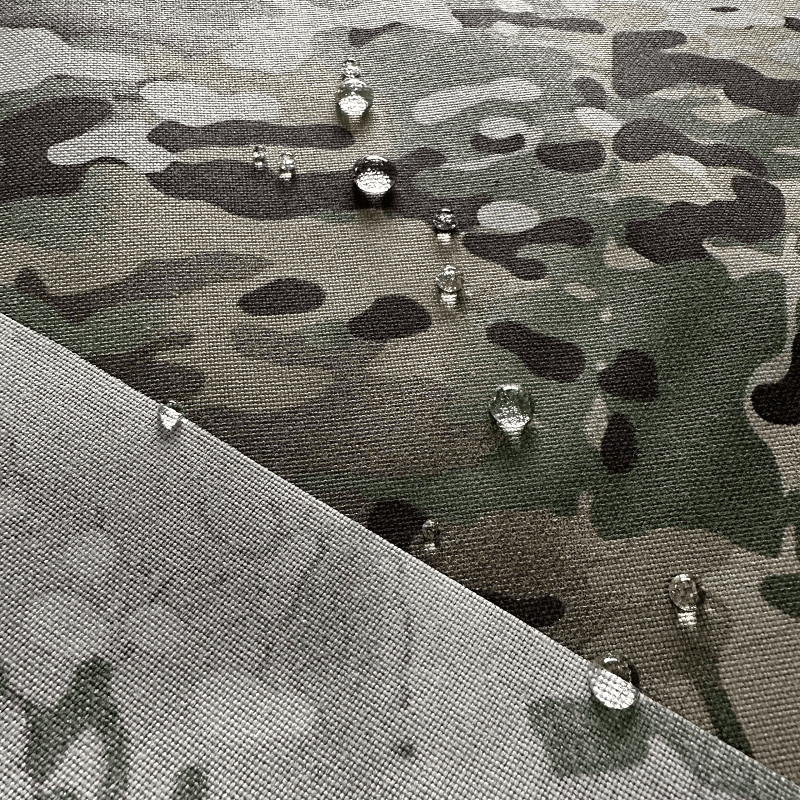
- Multicam / Scorpion:Multi-environment tactical pattern, blends in varied terrains
- Desert / Arid Camo:Tan, brown, muted greens – desert operations
3. High-Visibility / Specialized Colors
- Hi-Vis Yellow, Orange, Red:Rare, mainly for search-and-rescue or training packs
- Custom Colors:OEM manufacturers can produce custom colors or patterns for private contractors or specialized units
4. Coating and Dye Effects
- PU/TPU Coated Fabrics:Coatings may slightly darken the color or add a matte finish
- Anti-UV or Anti-fade Dye:Ensures the backpack keeps color in prolonged outdoor use
Key Takeaways:
- Military backpack materials are available in standard tactical colors (black, olive, tan) for operational use.
- Camouflage patterns are widely used for specific environments.
- Specialized or OEM colors are possible for training, rescue, or custom military contracts.
Are military backpack materials waterproof?
Not all military backpack materials are inherently waterproof, but many are water-resistant or treated to be waterproof depending on the fabric type and coating. Here's a professional breakdown:
- Nylon Fabrics
- Cordura Nylon:Naturally water-resistant to some degree, but usually requires PU or TPU coating to be fully waterproof.
- Ballistic Nylon:Thick and durable, slightly water-resistant; waterproofing comes from coating or lamination.
- Regular Nylon:Light-duty nylon is generally not waterproof without additional treatment.
- Polyester Fabrics
- Oxford Polyester:Usually has some water repellency, but needs PU/TPU coating for proper waterproof performance.
- Coated Polyester (PU/TPU):Waterproof and abrasion-resistant; commonly used in military and tactical backpacks.
- High-Performance Fibers
- Kevlar / Aramid Fiber:Extremely strong, usually not waterproof by itself; coatings are needed.
- Dyneema / UHMWPE:Lightweight and strong; requires coating for water resistance.
- Coatings and Treatments
- PU (Polyurethane):Makes nylon or polyester waterproof and adds abrasion resistance.
- TPU (Thermoplastic Polyurethane):Provides stronger waterproofing and is more flexible and durable.
- Additional treatments:Anti-UV, mold-resistant coatings can enhance fabric performance in wet environments.
Waterproof Performance (Typical Values)
|
Material / Coating |
Water Resistance |
|
PU-coated 500–1000D Nylon |
1000–3000 mm H₂O |
|
TPU-coated 500–1000D Nylon |
3000–5000 mm H₂O |
|
Uncoated nylon or polyester |
Slight water resistance, not waterproof |
Key Takeaways:
- Most military backpack fabrics are water-resistant by default, but not fully waterproof.
- PU or TPU coatings are used to make the backpack truly waterproof.
- Waterproof performance also depends on zippers, seams, and construction, not just the fabric.
Are military backpack materials UV-resistant?
Not all military backpack materials are naturally UV-resistant, but many are designed or treated to withstand prolonged exposure to sunlight. Here's a detailed explanation:
- Nylon Fabrics
- Cordura Nylon:Naturally strong but can degrade and fade under prolonged UV exposure.
- Ballistic Nylon:Thicker and more durable, slightly better UV resistance but still benefits from protective coatings.
- Regular Nylon:Susceptible to UV fading and weakening over time.
Solution: UV-stabilized coatings or dyes are often applied to maintain color and strength.
- Polyester Fabrics
- Polyester Oxford:Inherently more UV-resistant than nylon, making it suitable for sunny environments.
- Coated Polyester:Retains UV resistance, and PU/TPU coatings can add extra protection.
- High-Performance Fibers
- Kevlar / Aramid Fiber:Can degrade under UV exposure if not coated; protective laminates or coatings are usually applied.
- Dyneema / UHMWPE:UV-sensitive, so it typically has a UV-resistant coating or is used with protective outer layers.
- Treatments and Coatings
- UV-resistant dyes and finishes:Prevent color fading and help maintain fabric strength.
- PU / TPU coatings:Provide some UV protection along with waterproofing.
- Laminates / Protective layers:Used on high-end or tactical packs to prevent UV damage to fibers.
Summary Table: UV Resistance of Military Backpack Materials
|
Material |
UV Resistance |
Notes |
|
Cordura Nylon |
Moderate |
Needs UV-stabilized coating for long-term exposure |
|
Ballistic Nylon |
Moderate |
Thicker, better than standard nylon |
|
Regular Nylon |
Low |
UV-sensitive; fades and weakens over time |
|
Polyester Oxford |
High |
Naturally UV-resistant |
|
PU/TPU-coated Fabrics |
Moderate-High |
Coating adds UV protection |
|
Kevlar / Aramid |
Low |
Requires protective coating |
|
Dyneema / UHMWPE |
Low |
Must be coated or laminated for UV protection |
Key Takeaways:
- Polyester fabrics are naturally more UV-resistant than nylon.
- Nylon and high-performance fibers require UV coatings to maintain strength and color.
- For military backpacks used in sunny or desert environments, UV protection is critical to prevent fading and material degradation.
What is the thickness of military backpack materials?
The thickness of military backpack materials varies depending on the type of fabric, its denier, and intended use (lightweight, tactical, or heavy-duty). Here's a clear overview:
- Nylon Fabrics
- Cordura Nylon (500D–1000D):Thickness ranges from 0.35 mm to 0.8 mm
- Ballistic Nylon (1050D):Typically 0.8 mm or slightly thicker
- Regular Nylon (210D–900D):About 0.2 mm to 0.5 mm, lighter and more flexible
- Polyester Fabrics
- Oxford Polyester (300D–900D): Generally 0.3 mm to 0.7 mm
- PU/TPU Coated Polyester: Coating may add 0.05–1 mm, slightly increasing overall thickness
- High-Performance Fibers
- Kevlar / Aramid Fiber:Thickness varies with weave and intended protection; 0.5 mm to 1+ mm for ballistic layers
- Dyneema / UHMWPE:Very thin sheets but extremely strong; thickness 0.2 mm to 0.5 mm, often laminated or layered
- Coatings / Lamination
- PU (Polyurethane) Coating:Adds 0.05–1 mm
- TPU (Thermoplastic Polyurethane) Coating:Adds similar thickness, sometimes slightly more flexible and durable
Typical Thickness Summary Table
|
Material |
Denier / Type |
Thickness (mm) |
|
Cordura Nylon |
500D–1000D |
0.35–0.8 |
|
Ballistic Nylon |
1050D |
0.8+ |
|
Regular Nylon |
210D–900D |
0.2–0.5 |
|
Oxford Polyester |
300D–900D |
0.3–0.7 |
|
PU/TPU Coated Fabric |
Varies |
+0.05–0.1 |
|
Kevlar / Aramid |
Fiber weave |
0.5–1+ |
|
Dyneema / UHMWPE |
Fiber sheet |
0.2–0.5 |
Key Takeaways:
- Military backpack thickness depends on fabric type and denier.
- Heavier-duty fabrics like Cordura 1000D and Ballistic Nylon are thicker and more abrasion-resistant.
- High-performance fibers are thin but extremely strong, often used in layers or laminates for tactical backpacks.
Are military backpack materials abrasion-resistant?
Yes, military backpack materials are designed to be abrasion-resistant, but the level of resistance depends on the type of material and its specifications. Here's a detailed explanation:
- Nylon Fabrics
- Cordura Nylon (500D–1000D):Extremely abrasion-resistant; one of the most commonly used fabrics for tactical and military backpacks.
- Ballistic Nylon (1050D):Very thick and tough, excellent abrasion resistance.
- Regular Nylon (210D–900D):Moderate abrasion resistance; suitable for lighter-duty packs.
Key point: Higher denier = higher abrasion resistance.
- Polyester Fabrics
- Oxford Polyester (300D–900D):Good abrasion resistance, but generally less than Cordura Nylon.
- PU/TPU Coated Polyester:Coating increases durability and helps prevent surface wear.
- High-Performance Fibers
- Kevlar / Aramid Fiber:Excellent abrasion resistance, also cut-resistant; used in tactical backpacks requiring protective layers.
- Dyneema / UHMWPE:Ultra-high abrasion resistance despite being very lightweight; ideal for heavy-duty tactical packs.
- Abrasion Resistance Ratings
Often tested using Martindale cycles:
- Cordura Nylon 1000D:50,000+ cycles
- Polyester Oxford:20,000–30,000 cycles
Higher cycles indicate greater durability under rubbing or friction.
Summary Table
|
Material |
Abrasion Resistance |
Notes |
|
Cordura Nylon |
Very High |
Excellent for heavy-duty military packs |
|
Ballistic Nylon |
Very High |
Thick and tough, extreme wear resistance |
|
Regular Nylon |
Moderate |
Suitable for lighter packs |
|
Oxford Polyester |
Medium |
Good for training or daily-use backpacks |
|
PU/TPU Coated Fabrics |
High |
Coating improves abrasion resistance |
|
Kevlar / Aramid |
Very High |
Cut- and abrasion-resistant |
|
Dyneema / UHMWPE |
Extremely High |
Lightweight but very strong |
Key Takeaways:
- Cordura and Ballistic Nylon are the most abrasion-resistant fabrics for military backpacks.
- High-performance fibers (Kevlar, Dyneema) combine strength with abrasion and cut resistance.
- Coatings (PU/TPU) enhance the durability of nylon and polyester fabrics.
Are military backpack materials tear-resistant?
Yes, military backpack materials are designed to be tear-resistant, but the degree of resistance depends on the type of material, denier, and construction. Here's a detailed breakdown:
- Nylon Fabrics
- Cordura Nylon (500D–1000D):Very tear-resistant, widely used in tactical and military backpacks.
- Ballistic Nylon (1050D):Extremely tough, offers superior tear resistance for heavy-duty backpacks.
- Regular Nylon (210D–900D):Moderate tear resistance; suitable for lighter-duty backpacks.
- Key Point:Higher denier and tighter weave increase tear resistance.
- Polyester Fabrics
- Oxford Polyester (300D–900D):Moderate tear resistance; PU or TPU coating improves durability.
- Coated Polyester:Offers enhanced tear resistance due to the added protective layer.
- High-Performance Fibers
- Kevlar / Aramid Fiber:Excellent tear resistance, also cut-resistant; used in tactical backpacks for added protection.
- Dyneema / UHMWPE:Extremely tear-resistant while being ultra-lightweight; ideal for high-end tactical and military packs.
- Additional Factors Affecting Tear Resistance
- Fabric weave:Tighter weaves improve resistance to rips.
- Coatings: PU or TPU coatings add structural strength and resistance to tearing.
- Reinforced stitching & seams:Tear resistance is also influenced by the backpack's construction.
Summary Table
|
Material |
Tear Resistance |
Notes |
|
Cordura Nylon |
High |
Standard for tactical/military packs |
|
Ballistic Nylon |
Very High |
Thick, extremely durable |
|
Regular Nylon |
Medium |
Suitable for lighter backpacks |
|
Oxford Polyester |
Medium |
Moderate, improved with coatings |
|
PU/TPU Coated Fabrics |
High |
Coating increases resistance |
|
Kevlar / Aramid |
Very High |
Cut- and tear-resistant |
|
Dyneema / UHMWPE |
Extremely High |
Ultra-lightweight and strong |
Key Takeaways:
- Cordura 1000D and Ballistic Nylon provide excellent tear resistance for heavy-duty military backpacks.
- Kevlar and Dyneema fibers are used when maximum tear and cut resistance is required.
- Coatings and reinforced stitching further enhance the tear resistance of standard nylon or polyester fabrics.
How long is the lifespan of the military backpacks materials?
The lifespan of military backpack materials depends on the type of material, fabric denier, coatings, environmental conditions, and usage intensity. Here's a detailed breakdown:
- Nylon Fabrics
- Cordura Nylon (500D–1000D):5–15 years under normal tactical or outdoor use. Very durable, resistant to abrasion and tearing.
- Ballistic Nylon (1050D):10–20 years if cared for properly; extremely tough and long-lasting.
- Regular Nylon (210D–900D):3–7 years; lighter-duty, more prone to wear in harsh conditions.
- Polyester Fabrics
- Oxford Polyester (300D–900D):5–10 years; good UV resistance but slightly less abrasion-resistant than Cordura.
- PU/TPU Coated Polyester:6–12 years; coatings improve water resistance and longevity.
- High-Performance Fibers
- Kevlar / Aramid Fiber: 15–25 years; highly resistant to tearing, abrasion, and cuts. Longevity depends on UV exposure.
- Dyneema / UHMWPE:15–20+ years; ultra-lightweight and extremely durable, though UV exposure can degrade fibers without proper coating.
- Factors Affecting Lifespan
- Frequency of use:Daily heavy load reduces lifespan.
- Environmental exposure:Sunlight, moisture, and chemicals can degrade fabrics over time.
- Maintenance:Cleaning, proper storage, and avoiding prolonged wet conditions extend the life of the backpack.
- Construction quality:Reinforced stitching, high-quality zippers, and seam sealing also impact overall durability.
Key Takeaways:
- Cordura and Ballistic Nylon are the most long-lasting for general military backpacks.
- Kevlar and Dyneema provide maximum longevity under heavy-duty tactical use.
- Proper care and coatings can extend the lifespan by several years, even for lighter materials.
We hope this military backpack materials guide is useful to you. If you have any further questions about militarials material, please email to the team of LUPU Tactical Gear Manufacturer .
Articles Recommend:
Top 50:Global Tactical Gear Brands List
Top 12 Military Combat Boots Manufacturers In The World